Newsroom
ON Ontario
New boreal conservation area strengthens communities and protects iconic northern landscapes
Kabenung Lakes and Forests strengthens water quality downstream, supports wildlife movement and helps local communities better withstand floods, wildfires and other environmental pressures.
August 11, 2026
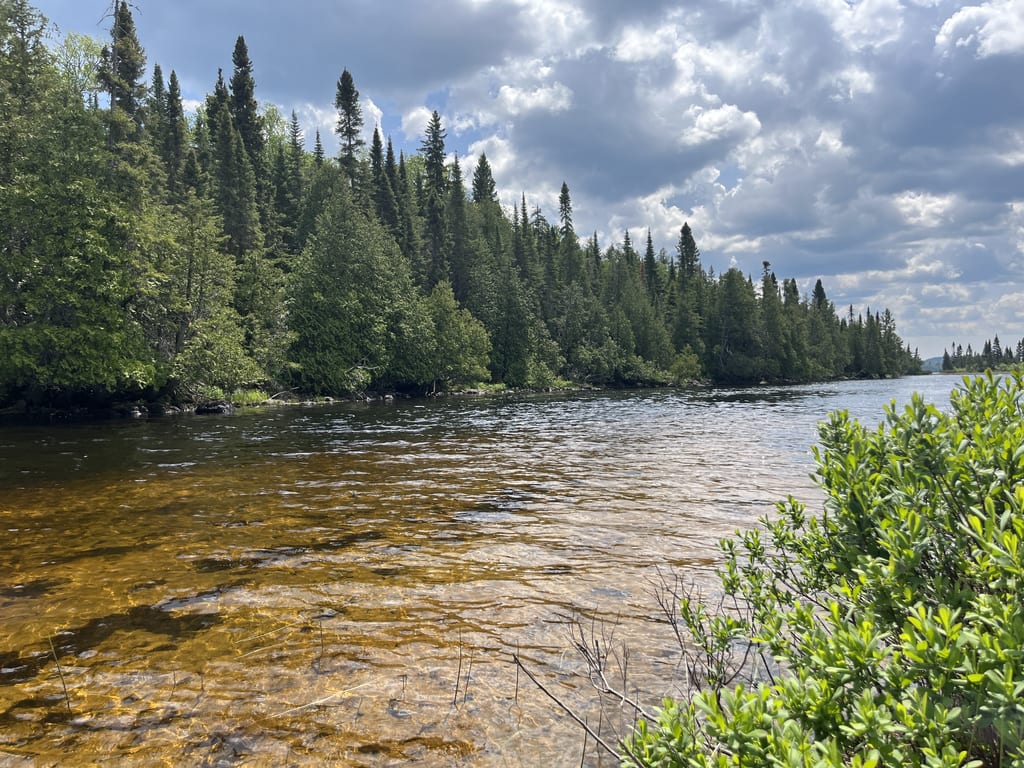
Project safeguards more than 8,100 hectares, supporting clean water, wildlife movement and climate resilience near Pukaskwa National Park
Wawa, Ont. (August 11, 2026) – A new conservation area secured by the Nature Conservancy of Canada (NCC) near Pukaskwa National Park is helping protect the landscapes and natural systems that communities and wildlife depend on across northern Ontario.
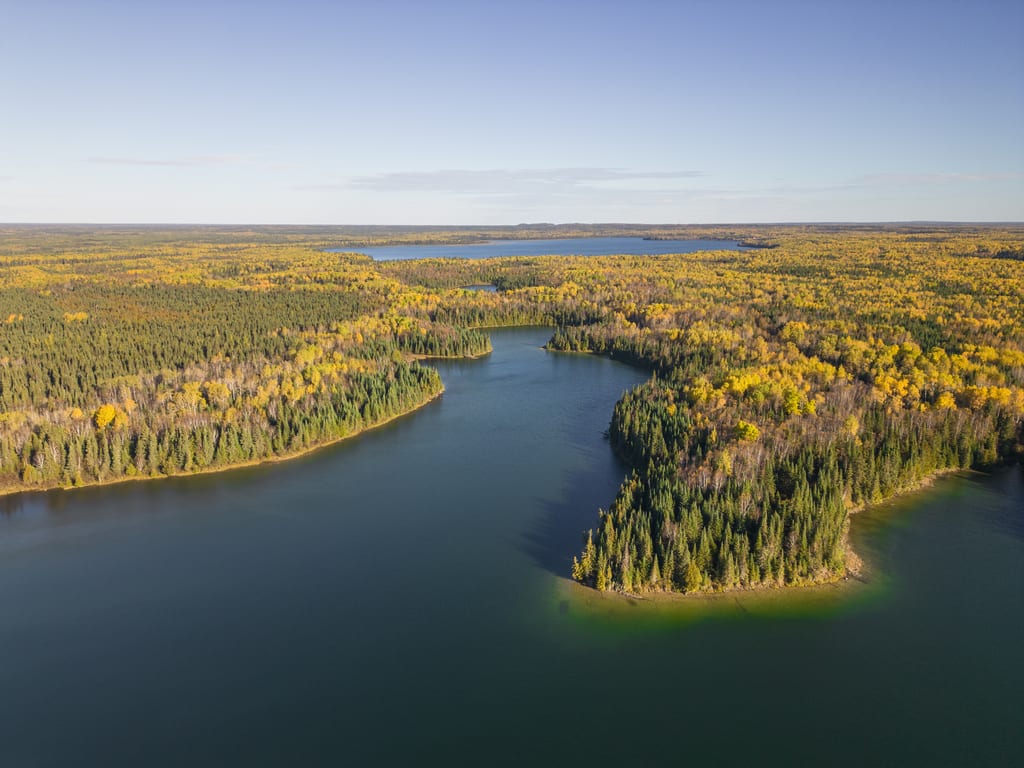
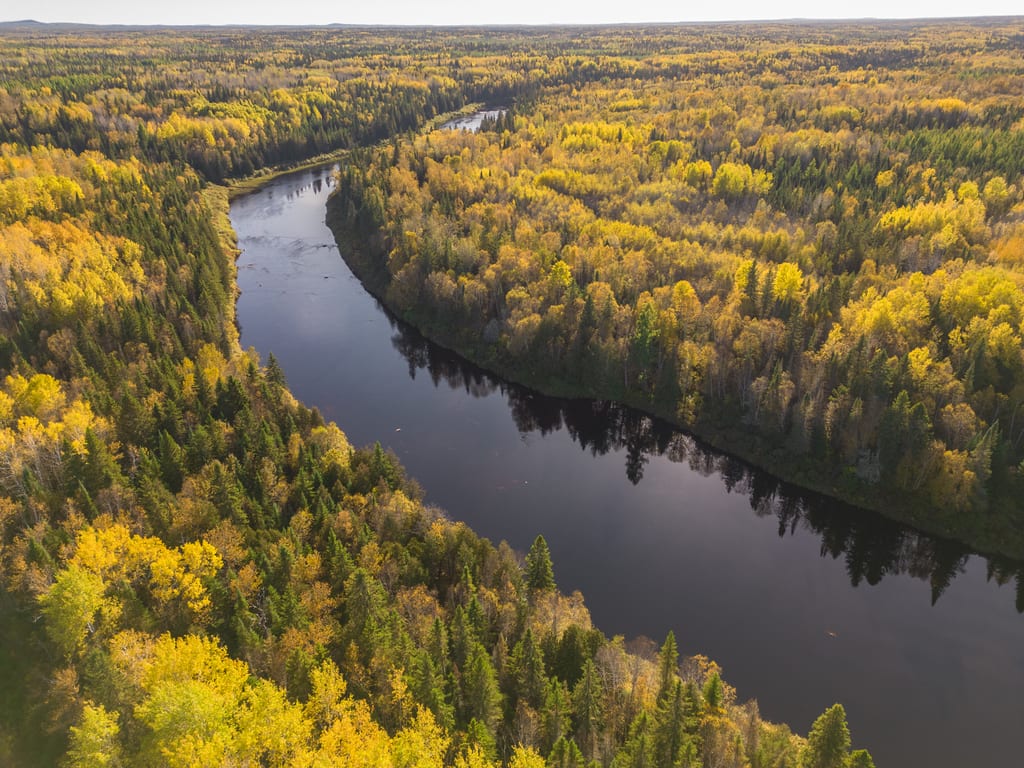
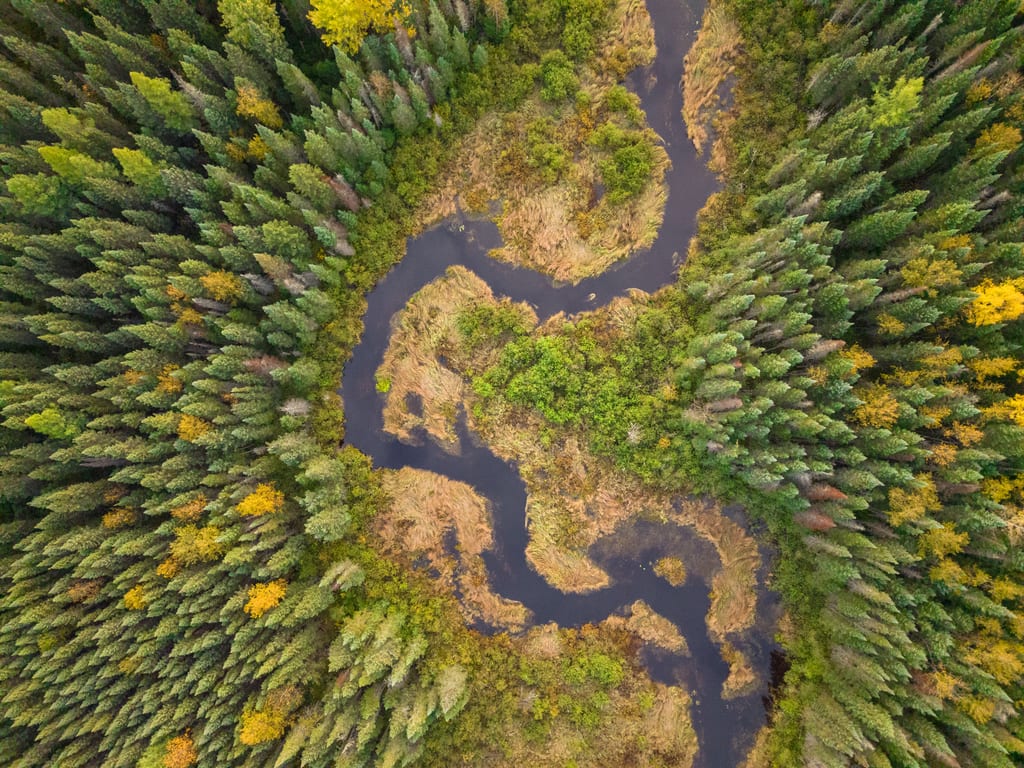
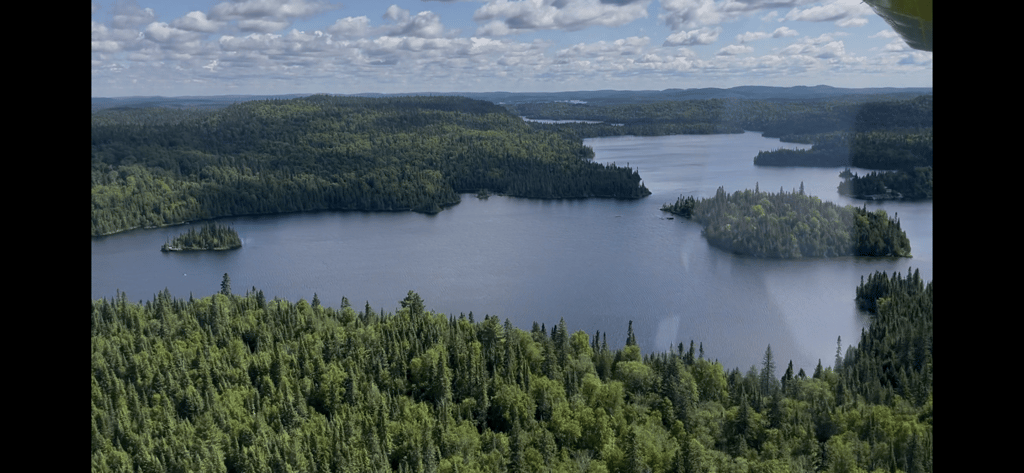
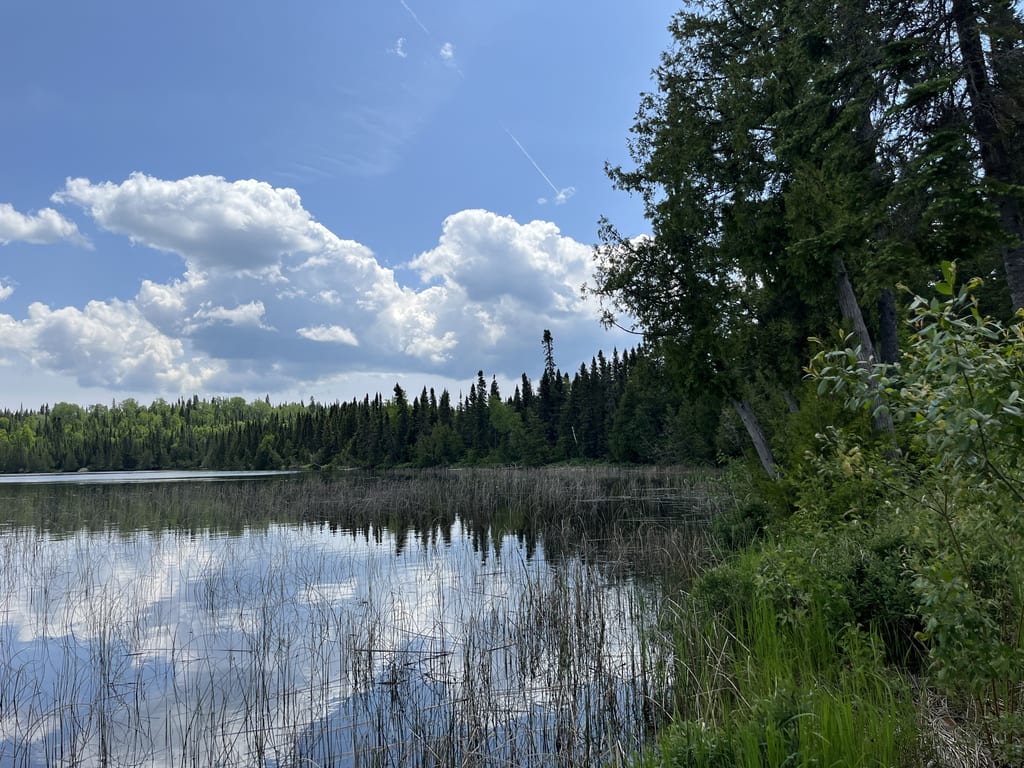
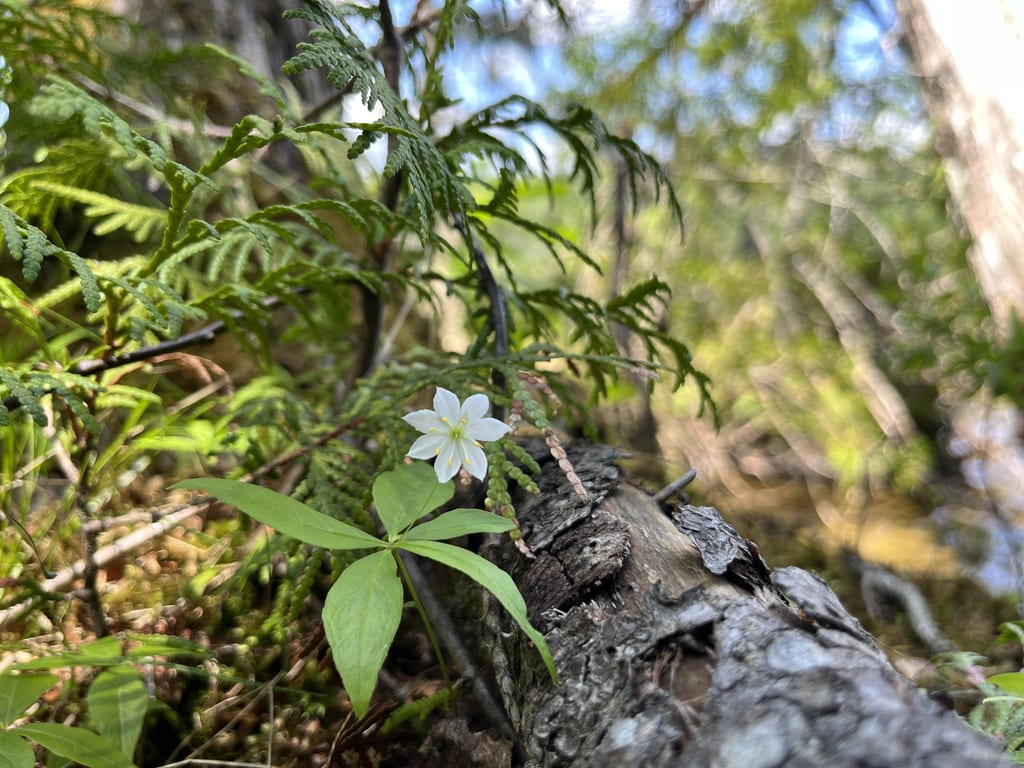
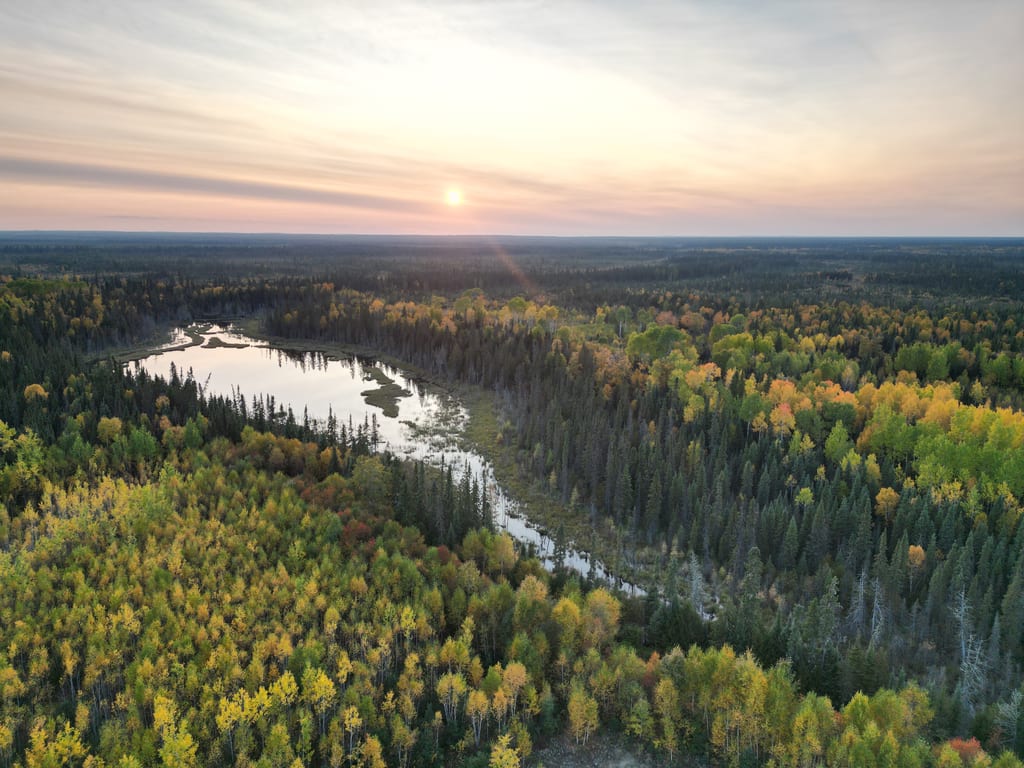
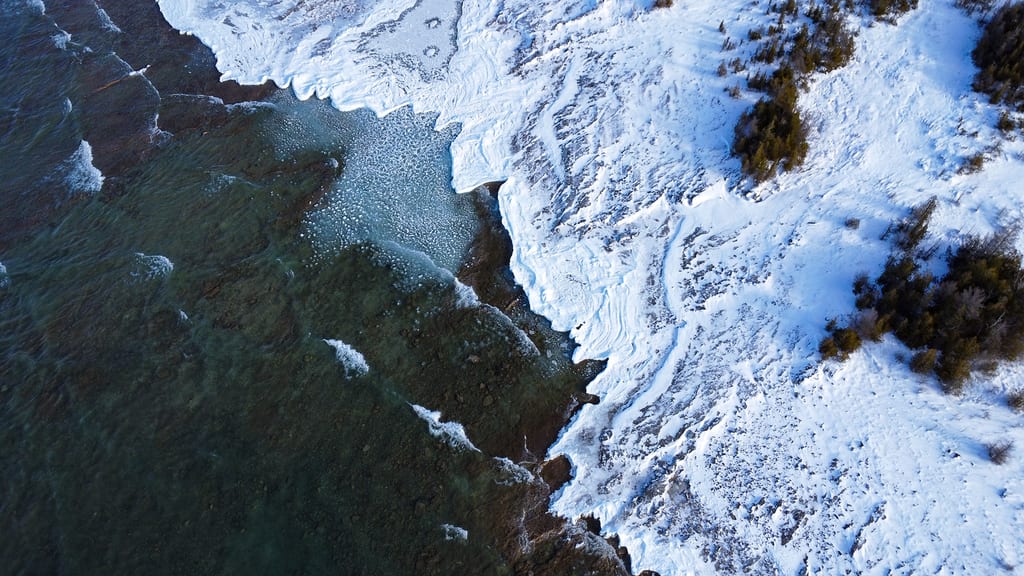
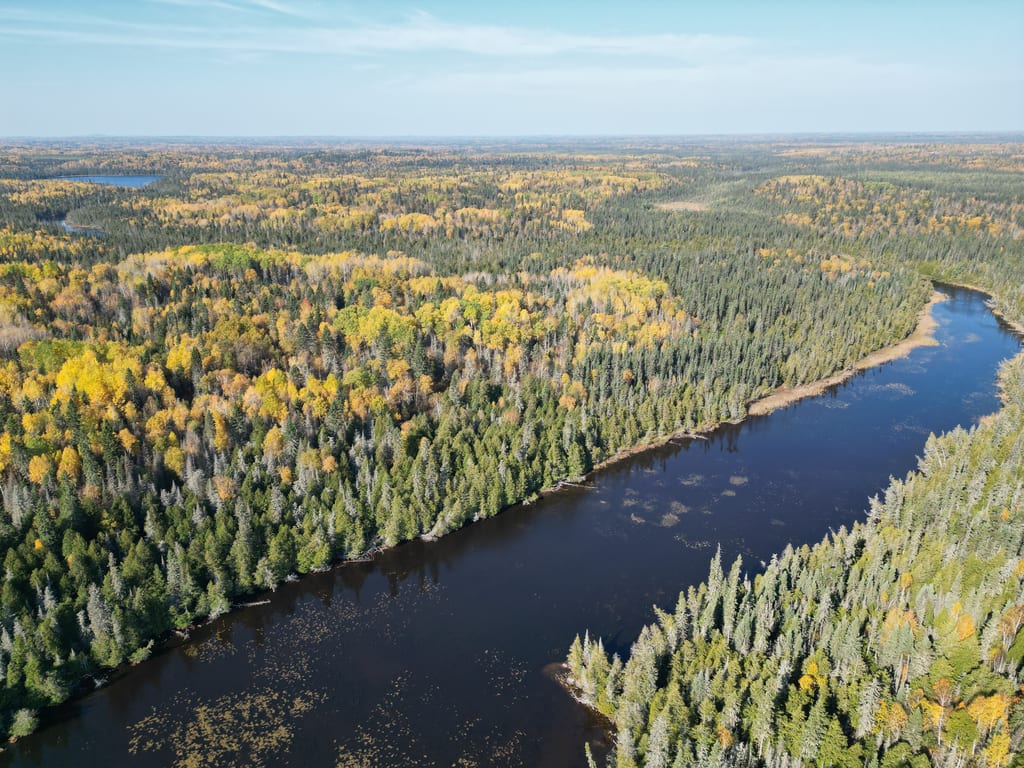
By conserving more than 8,100 hectares of boreal forest, wetlands and shoreline, NCC’s Kabenung Lakes and Forests conservation project strengthens water quality downstream, supports wildlife movement and helps local communities better withstand floods, wildfires and other environmental pressures.
Conservation bolsters nature’s ability to provide these benefits — particularly when it is done at a landscape scale. This new conservation area also reinforces the boreal forest’s ability to withstand and adapt to impacts of environmental change.
Delivering benefits beyond boundaries
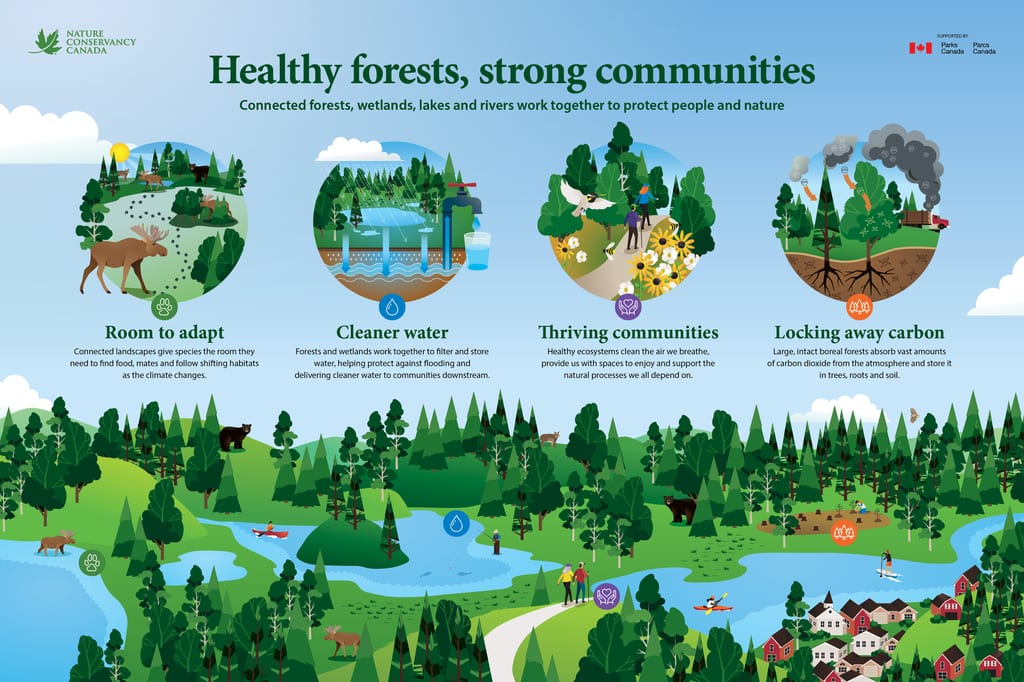
Conservation at the scale of Kabenung Lakes and Forests delivers measurable benefits for people and nature across the region. For example, the new conservation area:
- spans three watersheds, helping maintain water quality and supply for Wawa and other downstream communities
- includes 16 fish-bearing lakes, supporting traditional harvesting and food security
- protects fire-resistant mixed-wood forests, helping reduce wildfire risk
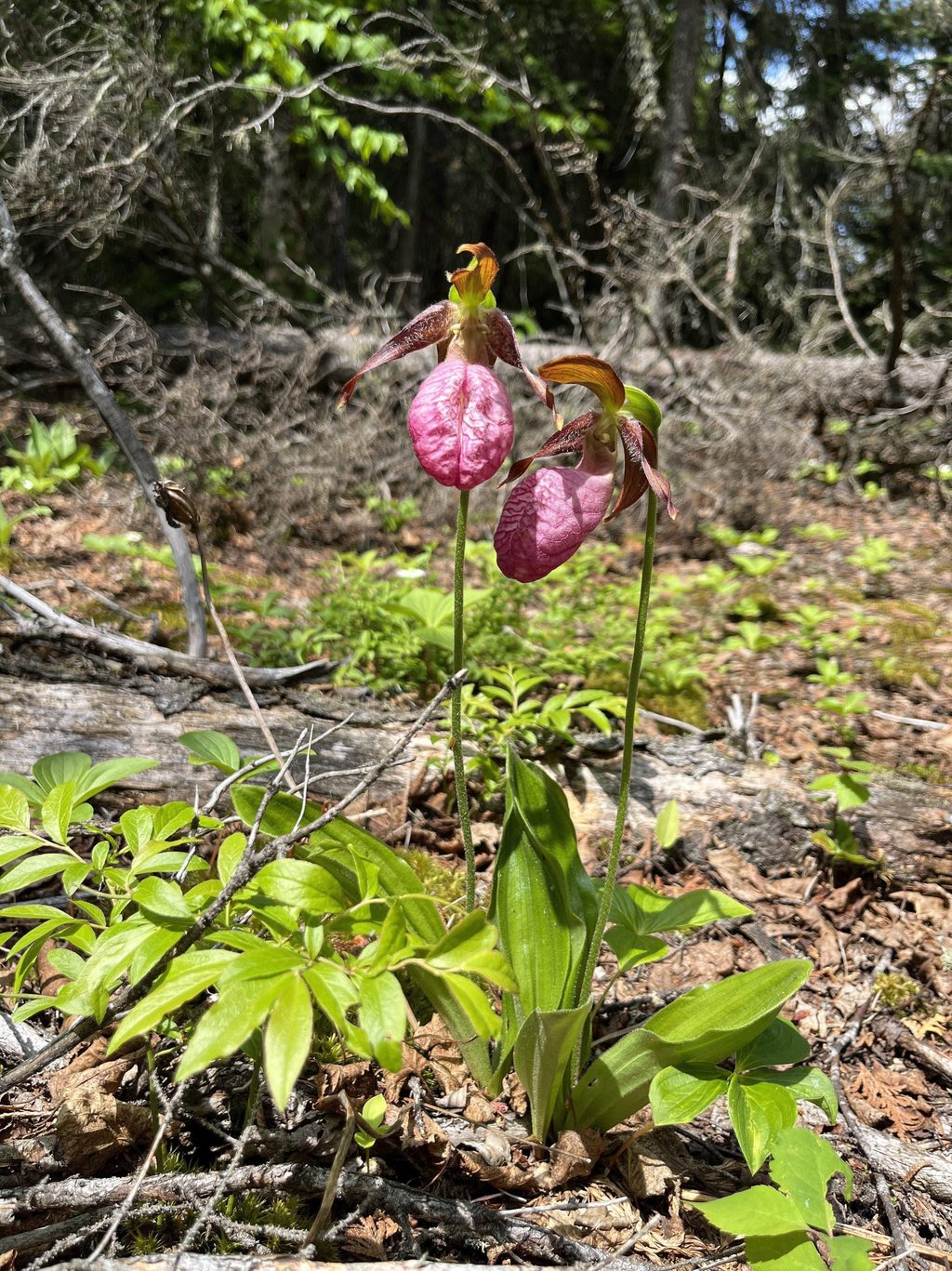
- supports habitat for more than 12 species at risk
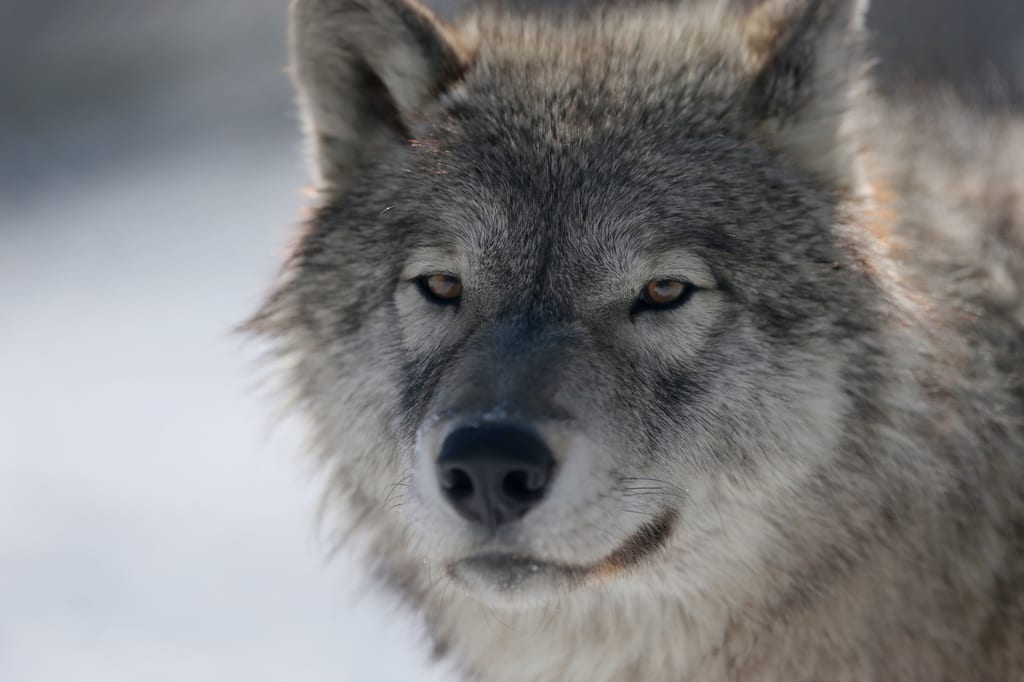
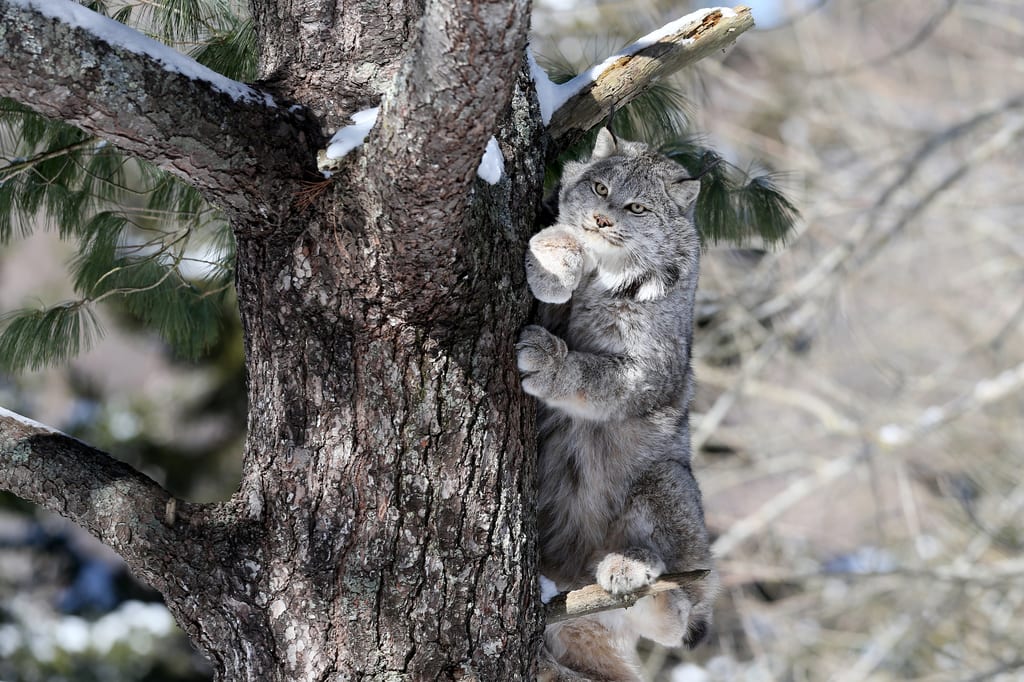
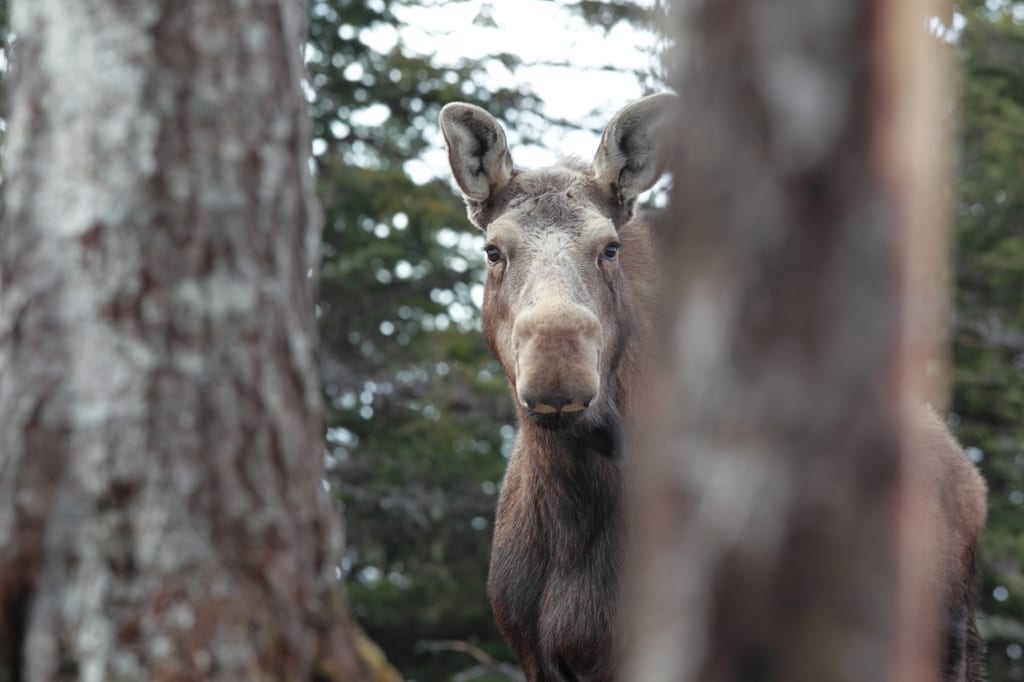
This project also helps ensure wildlife like moose, lynx, wolves and black bear can move freely across the landscapes they depend on.
Kabenung Lakes and Forests was protected with support from Parks Canada’s Landscape Resiliency Program, a national initiative that helps reinforce the ecological integrity of Canada’s national parks by conserving lands beyond their boundaries. These results strengthen entire landscapes, ensuring that wildlife and waterways are connected across parks, public and private land alike.
A future built on collaborative stewardship
The Kabenung Lakes and Forests project is located within the Robinson-Superior Treaty territory and the traditional territory of the Anishinaabe. NCC continues to engage with nearby Nations, including Michipicoten First Nation, Netmizaaggaming Nishnaabeg (Pic Mobert) First Nation, and Biigtiigong Nishnaabeg (Pic River) First Nation, to find ways to support stewardship that reflects cultural values and long-term sustainability.
Acknowledgements
This project was undertaken with support from Parks Canada, through the Landscape Resiliency Program, and with support from many private donors and foundations, including the Fundacja Drzewo i Jutro / Tree and Tomorrow Foundation, an anonymous family foundation and RBC Foundation, which supported the conservation technology tools used in site-level planning for Kabenung Lakes and Forests.
Quotes
“Protecting nature at this scale is one of the most effective ways to support communities, strengthen our economy and ensure the long-term health of Canada’s landscapes. By working with Indigenous Nations, Parks Canada and private partners, we’re delivering conservation where it matters most, connecting landscapes, reducing risk and creating lasting benefits for people and nature.” — Dana Kleniewski, Regional vice-president for Ontario, Nature Conservancy of Canada
“Nature reflects who we are as Canadians, and as part of the A Force of Nature: Canada’s Strategy to Protect Nature, this initiative supports our goal of protecting biodiversity and conserving 30% of our lands and waters by 2030. Through Parks Canada’s Landscape Resiliency Program, our government is investing in the Nature Conservancy of Canada’s Kabenung Lakes and Forests project, an important conservation effort for enhancing habitat connectivity for wildlife and supporting species at risk near Pukaskwa National Park. We are committed to strengthening the region’s resilience to environmental changes and moving one step closer to achieving 30×30.” — The Honourable Julie Dabrusin, Minister of the Environment, Climate Change and Nature
“Protecting nature at the landscape scale is one of the most effective ways to support healthy ecosystems, strengthen climate resilience, and safeguard the natural resources that communities rely on. Canada’s new government is working with partners to protect more of the places that matter to Canadians and turn our conservation ambitions into concrete results. The conservation of Kabenung Lakes and Forests will help preserve the natural beauty of this northern Ontario region while protecting three important watersheds, supporting biodiversity, and ensuring these lands continue to benefit communities for generations to come. By working together, we can deliver lasting benefits for communities, Canadians, and nature.” — The Honourable Nathalie Provost, Secretary of State (Nature)
“Protecting large boreal landscapes is essential for maintaining water quality, supporting biodiversity and building climate resilience. RBC Foundation is proud to fund the conservation technology tools that supported site-level planning for Kabenung Lakes and Forests, helping to strengthen the interconnected, healthy ecosystems on which northern Ontario communities depend.” — Thea Silver, Senior Director, Environmental Impact, RBC
Facts
- Conserving Kabenung Lakes and Forests ensures these lands remain intact and manage for long-term ecological and community benefits.
- NCC will work with Indigenous communities and Parks Canada to better understand mammal use and priority areas for ecological restoration.
- In 2023, the Government of Canada and NCC each committed $15 million to launch the Landscape Resiliency Program, which aims to protect 30,000 hectares of land near existing Parks Canada administered places and support Canada’s goal of conserving 30 per cent of lands and waters by 2030.
How you can help
Canada’s boreal forest plays a critical role in supporting clean water, reducing climate risks and sustaining communities. NCC is working with partners across the country to conserve these landscapes and deliver lasting benefits for people and nature. Learn more at natureconservancy.ca/boreal.
About
Since 1962, the Nature Conservancy of Canada has brought people together to protect the lands and waters that sustain us all. As an environmental charity working hand in hand with communities, Indigenous Nations, governments and businesses, we deliver nature-based solutions at a scale no one else can. Our conservation work safeguards clean air and water, stores carbon and reduces the risks of floods and wildfires — protecting our health, strengthening local economies and building more resilient communities. Together, we unlock nature’s power, so life can thrive.
The Landscape Resiliency Program is a collaboration between Parks Canada and the Nature Conservancy of Canada to conserve up to 30,000 hectares of ecologically important land near national parks. By strengthening the landscapes surrounding protected areas, the program helps maintain ecological integrity, support biodiversity and deliver long-term benefits to Canadians.
The Tree and Tomorrow Foundation was founded in 2016 in Warsaw, Poland, by James Van Bergh and Agnieszka Van Bergh. The Foundation supports children and youth in crisis by providing funding to non-governmental organizations and institutions that deliver a wide range of care, education and development programs. Since 2019, the Foundation has expanded its mission to include environmental education in Poland, helping deliver ecological education programs in schools, parks, and community centres and fostering environmental awareness and responsibility among younger generations. In 2022, the Foundation broadened its activities internationally and began supporting projects led by the Nature Conservancy of Canada (NCC), focused on protecting natural areas in Ontario and engaging Indigenous communities in conservation efforts. To learn more about the Foundation’s work in Canada, visit: Projects in Canada – Fundacja Drzewo Jutro.
Media Files
Contact
Nature Conservancy of Canada
E: media@natureconservancy.ca
Add a dose of nature to your inbox
Get the latest on conservation wins, stories from the field, simple ways to help wildlife thrive, upcoming events and simple ways you can make a difference.
You might also like
ON Ontario
Boreal forest and peatlands secured to support climate resilience
October 13, 2026
ON Ontario
Key link protected in Great Lakes biodiversity hotspot, strengthening conservation network
March 31, 2026
ON Ontario
Ontario government helps reinforce landscape resilience through conservation
March 26, 2026
ON Ontario
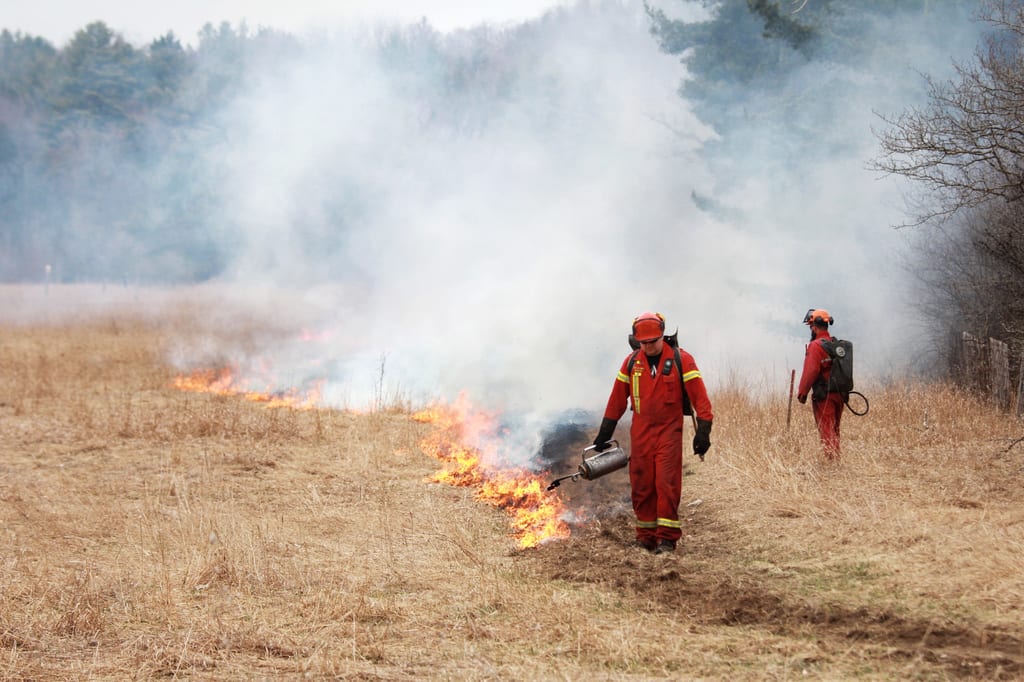
Prescribed fire planned for the Warwick Conservation Area to restore wetland habitat and reduce wildfire risk
March 13, 2026
ON Ontario
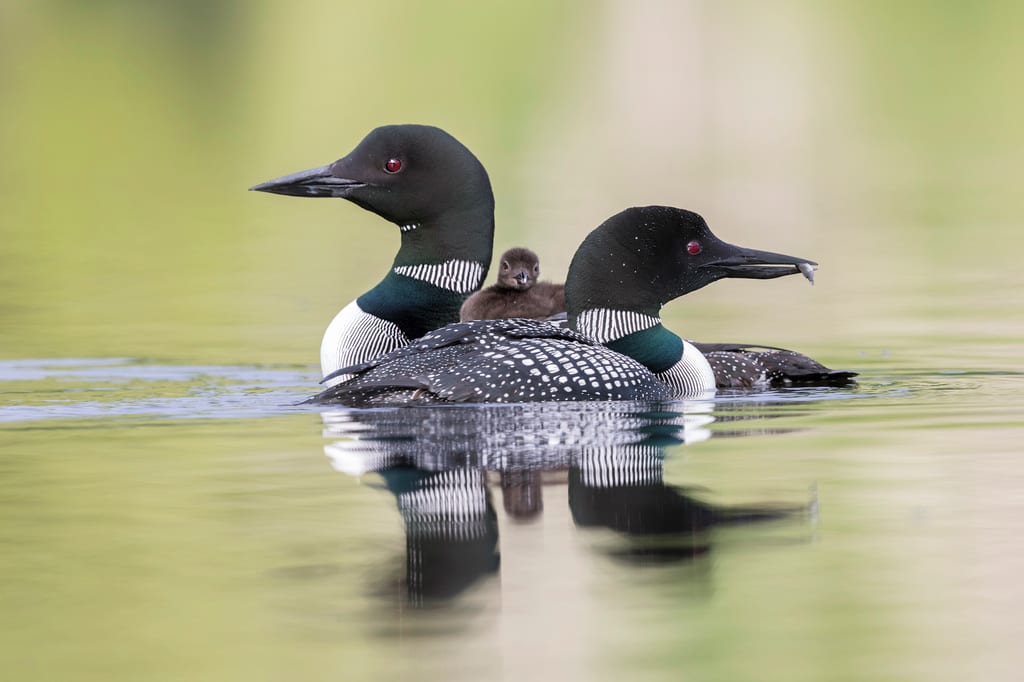
Land donation at Varty Lake to benefit people and wildlife
March 10, 2026
ON Ontario
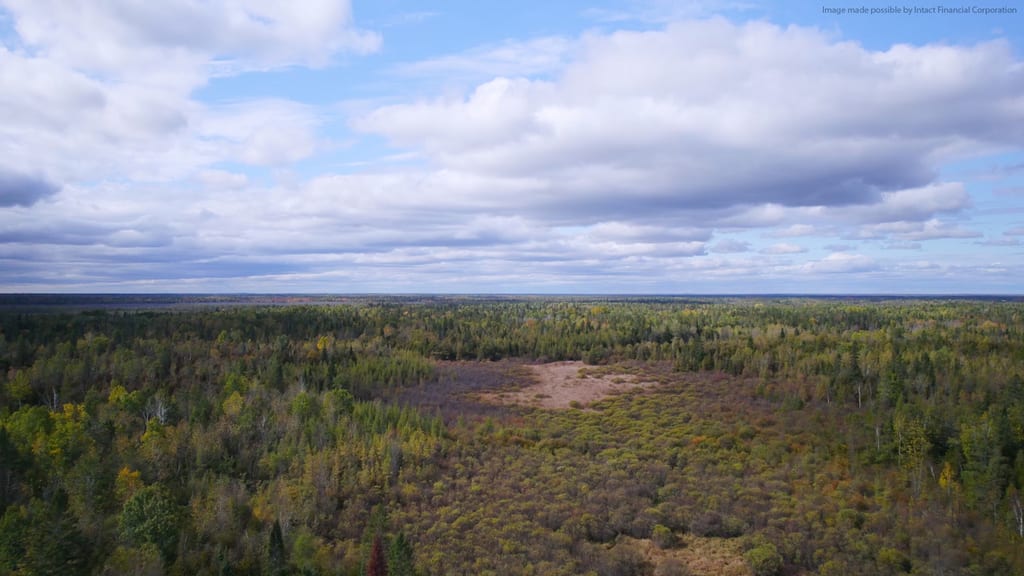
Wetland conservation in Ottawa Valley strengthens flood resilience for area communities
February 2, 2026
ON Ontario
Strategic land acquisition strengthens conservation corridor in Norfolk County
November 25, 2025
ON Ontario
Major conservation milestone as NCC secures almost 350 hectares in Ontario’s Frontenac Arch
November 14, 2025
ON Ontario
Mountain Lake property near Wiarton protected through generous land donation
October 7, 2025
ON Ontario
Legacy gift strengthens conservation corridor in Rice Lake Plains
September 16, 2025