Newsroom
QC Quebec
More than 1,500 hectares of nature protected in Chaleur Bay, Gaspésie
The Roses of Hope Foundation helps conserve a vast forest in Gaspésie
October 27, 2026
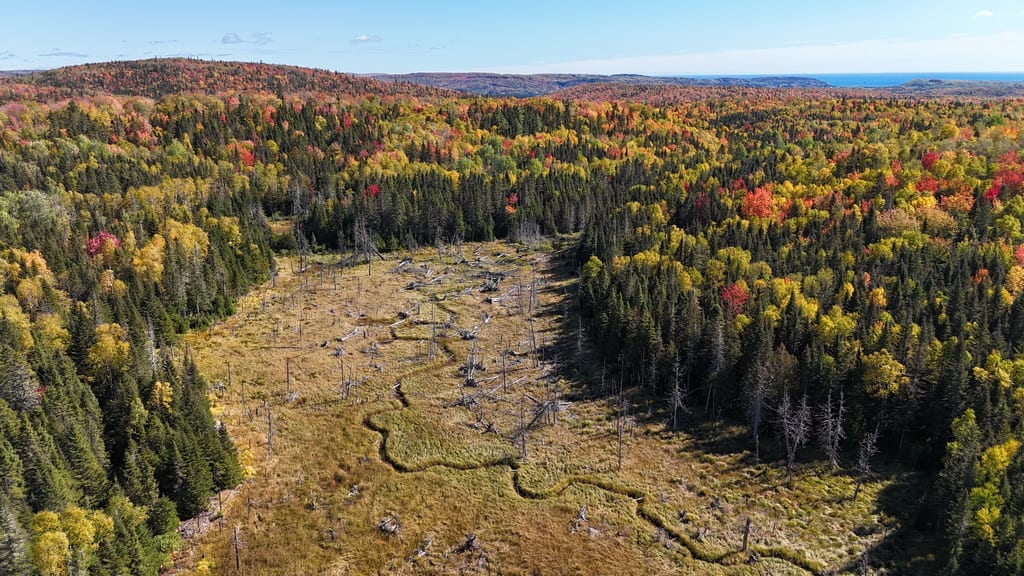
Port-Daniel–Gascons, QC (October 27, 2026) — More than 1,500 hectares of forest in Port-Daniel–Gascons, in Quebec's Gaspésie region, are now permanently protected. The property, equivalent to more than 1,400 soccer fields, is conserved through an agreement between the Nature Conservancy of Canada (NCC) and the Roses of Hope Foundation. The agreement, a conservation easement, ensures the land's protection in perpetuity while respecting the landowner's interests. This large-scale conservation initiative helps protect critical wildlife habitat, keeps large natural areas connected and delivers lasting benefits for nature and nearby communities.
“Through the Roses of Hope Foundation, supported by la Vie en Rose, we are proud to contribute to the protection of this exceptional landscape and to help ensure these natural areas continue to thrive for future generations.
“This commitment is made possible by la Vie en Rose stores, where all profits from the sale of reusable shopping bags are donated to the Roses of Hope Foundation to support nature conservation projects.
“We firmly believe that every action counts and that, together, we can make a lasting difference for the environment. Protecting this landscape is a wonderful example of that collective impact and reflects our shared commitment to safeguarding our natural heritage.” — The Roses of Hope Foundation
A partnership for lasting conservation
As a trusted conservation partner with extensive experience, NCC works alongside private landowners to develop tailored solutions that ensure the long-term protection of ecologically significant lands while respecting the landowners’ goals and interests. Conservation easements help achieve conservation objectives while allowing compatible uses such as hunting, fishing and hiking to continue.
“This conservation easement demonstrates the strength of a collaborative, place-based approach to conservation. It ensures permanent protection while respecting the realities of land ownership. We encourage landowners who wish to take meaningful action for nature to contact us and explore conservation options that meet their needs.” — Olivier Perrotte Caron, Project Manager, Quebec Region, Nature Conservancy of Canada
Connected forests, stronger natural systems
The project is notable for its size in a region where opportunities to conserve large, privately owned natural areas remain relatively rare. Together with neighbouring public lands, the newly protected area helps strengthen an important forest landscape that provides habitat and movement corridors for wide-ranging wildlife like black bear, moose and fisher.
The land also contains habitat suitable for several species that rely on mature and old-growth forests. These include the Canada warbler, which is listed as threatened in Canada, and two rare orchids: showy lady's-slipper and fairy slipper. These species depend on mature forest ecosystems, made up of large trees, abundant deadwood and rich, complex soils.
Healthy rivers, from forest headwaters to the barachois
Protecting more than five kilometres of shoreline along the Port-Daniel du Milieu River and a significant portion of its watershed, this large, forested area plays an important role in maintaining water quality and healthy aquatic habitats all the way to the river's mouth.
The Port-Daniel du Milieu river and neighbouring Port-Daniel river are the two main freshwater tributaries feeding the Port-Daniel barachois, a site recognized internationally as important habitat for many migratory and aquatic bird species. Among them is the harlequin duck, a species listed as of special concern in Canada and vulnerable in Quebec.
How you can help
Donations help the Nature Conservancy of Canada protect natural areas like those found in Port-Daniel. They support landscape connectivity and conservation solutions tailored to local needs, including conservation easements.
Acknowledgements
Acknowledgements
The protection of this property would not have been possible without the generous support of the Roses of Hope Foundation. The project was also made possible through the Accélérer la conservation dans le sud du Québec (ACSQ) project, a financial assistance program co-funded by the Nature Conservancy of Canada and the gouvernement du Québec.
About
About
Since 1962, the Nature Conservancy of Canada has brought people together to protect the lands and waters that sustain us all. As an environmental charity working hand in hand with communities, Indigenous Nations, governments and businesses, we deliver nature-based solutions at a scale no one else can. Our conservation work safeguards clean air and water, stores carbon and reduces the risks of floods and wildfires — protecting our health, strengthening local economies and building more resilient communities. Together, we unlock nature’s power, so life can thrive.
Founded in 2002 by François Roberge, the Roses of Hope Foundation supports organizations working to improve community well-being, women's health and environmental protection. Since its creation, the foundation has donated more than $7 million to charitable causes. As part of its commitment to nature conservation, it has contributed $2 million to non-profit organizations dedicated to protecting the environment.
The Accélérer la conservation dans le sud du Québec (ACSQ) project is a co-funding agreement between the gouvernement du Québec and the Nature Conservancy of Canada (NCC), benefiting Quebec conservation organizations. The project aims to protect and conserve natural habitats of ecological interest, notably through the acquisition of private land, for protected and conserved areas and the establishment of ecological corridors. Through this, the ACSQ will promote the development and sound management of the network of protected areas on private land, as well as public access to nature. The funds invested by the gouvernement du Québec over a five-year period must be matched by NCC and its partners with other funds not provided by the gouvernement du Québec.
Contact
Nature Conservancy of Canada
E: media@natureconservancy.ca
Add a dose of nature to your inbox
Get the latest on conservation wins, stories from the field, simple ways to help wildlife thrive, upcoming events and simple ways you can make a difference.
You might also like
QC Quebec
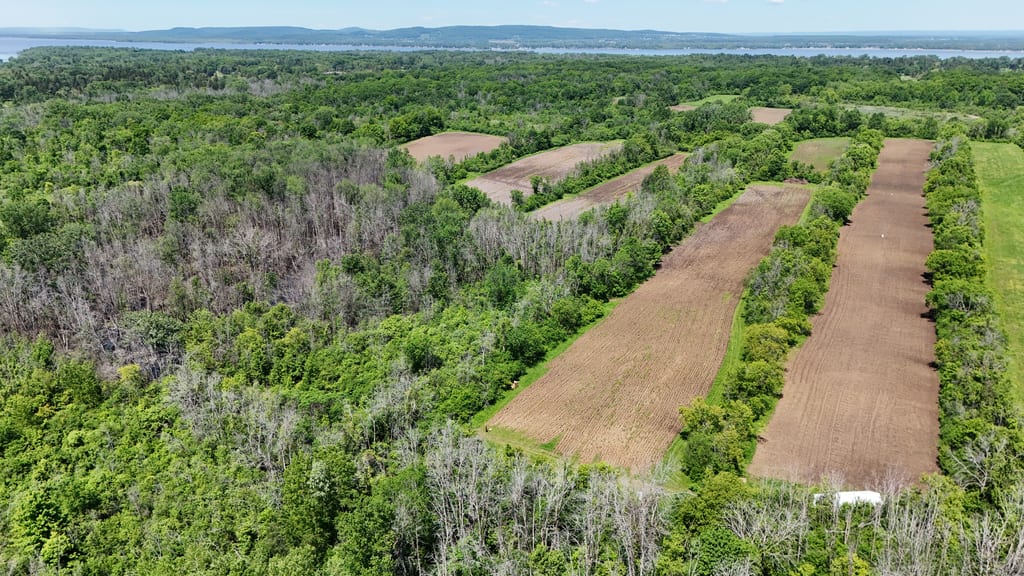
Where agriculture meets conservation: an unprecedented approach in Montréal
July 15, 2026
QC Quebec
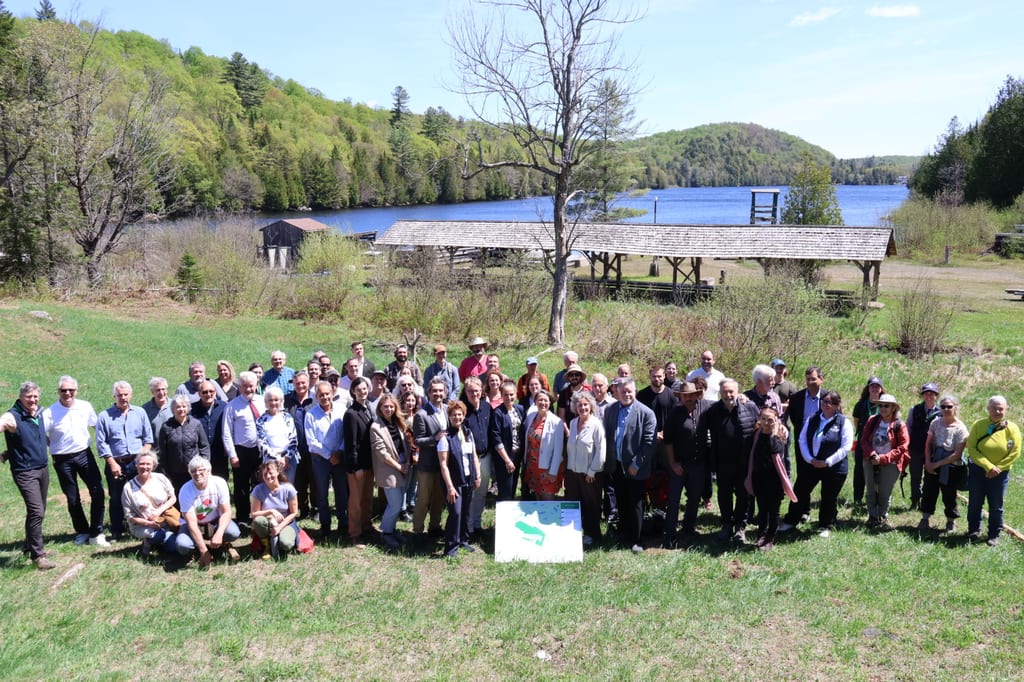
Tamaracouta: an iconic site protected and accessible to the community
May 20, 2026
QC Quebec
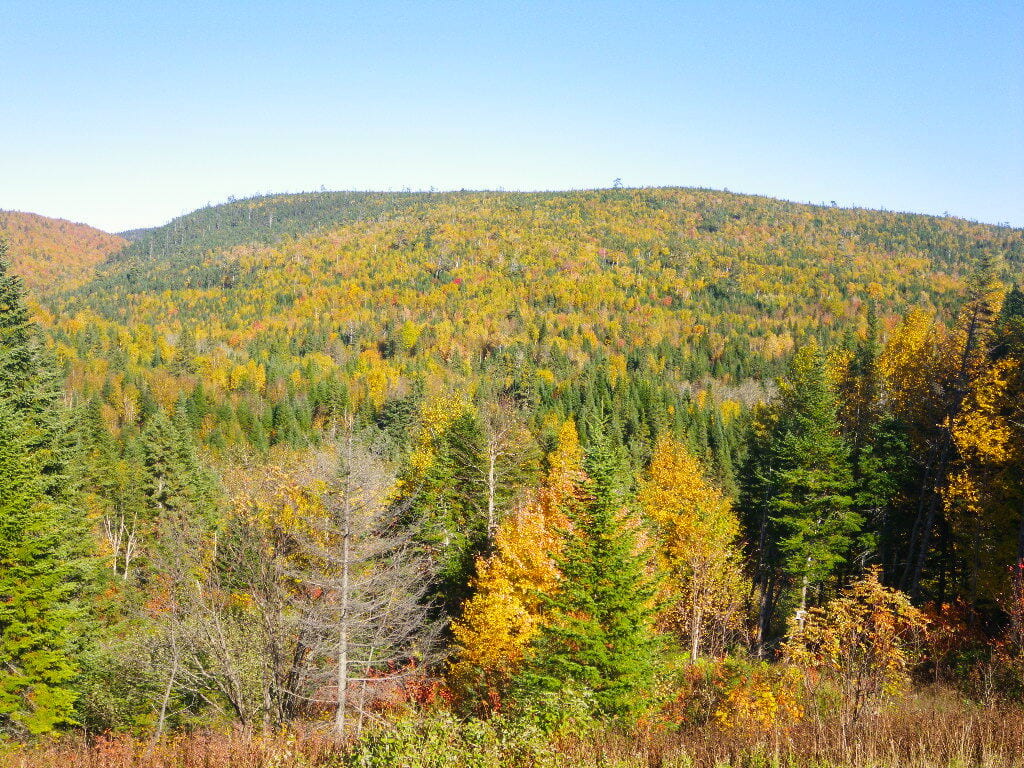
Concrete measures put in place to reconnect habitats
February 17, 2026
QC Quebec
Essipit Innu First Nation and Nature Conservancy of Canada join forces to protect important heritage site on North Shore
February 11, 2026
QC Quebec
Nature Conservancy of Canada protects an exceptional area in the heart of Quebec’s Appalachians
January 22, 2026
QC Quebec
Standing up for nature runs in the family
December 16, 2025
QC Quebec
Boisé de Vaudreuil-sur-le-Lac : un héritage collectif enfin protégé
November 19, 2025
QC Quebec
Historic Protection of Fitzpatrick Island by the Anishinabeg Aki Mikinak Kichi Sibi Land Trust
October 28, 2025
QC Quebec
The Zoo de Granby and the Nature Conservancy of Canada join forces to protect Quebec’s biodiversity
October 22, 2025
QC Quebec
Inauguration of 2 km of boardwalks to explore four islands in the Hochelaga archipelago east of Montreal
August 26, 2025