Working Landscapes
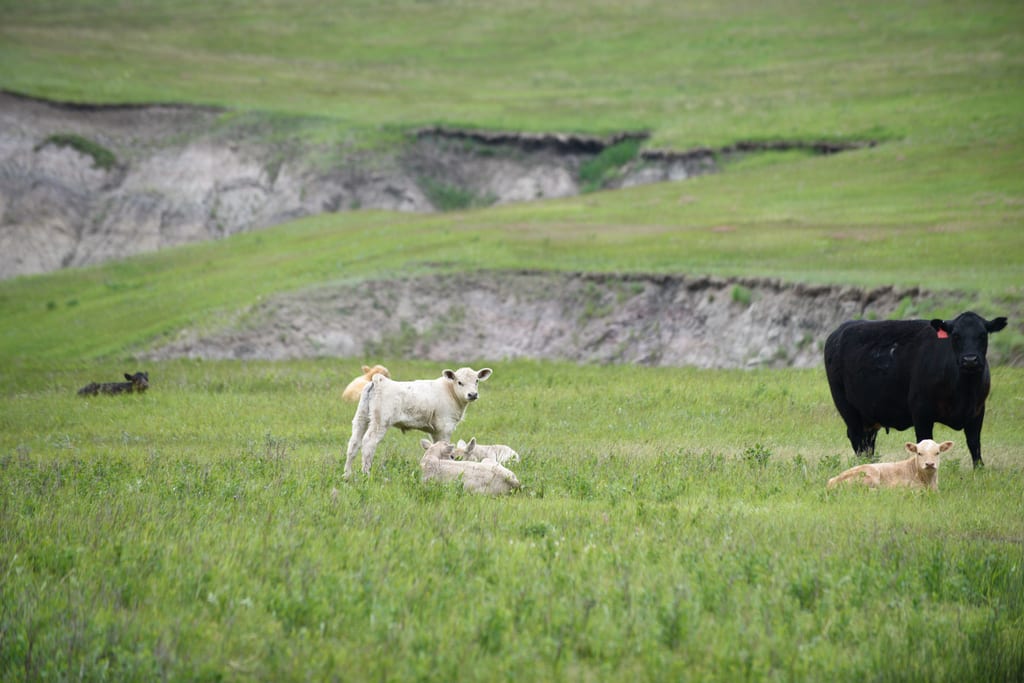
Grasslands are one of the most at risk ecosystems in the world and are a critical part of the Prairies. Many of the remaining grasslands are working landscapes, where livestock grazing plays an important role in maintaining ecosystem health. We work with livestock producers on best management practices that help conserve nature and support a strong livestock industry.
Grassland stewardship across the Prairies
For thousands of years, grasslands have sustained wildlife and people, with lasting ecological, cultural and economic significance. Many remaining grasslands are owned or managed by livestock producers, primarily cattle ranchers. Grazing is key to grassland health, creating a mosaic of habitats for plants and animals. Across the Prairies, we work with local communities, Indigenous Nations, industry, governments, conservation groups, ranchers and grazing groups to advance their goals.
Why community pastures matter
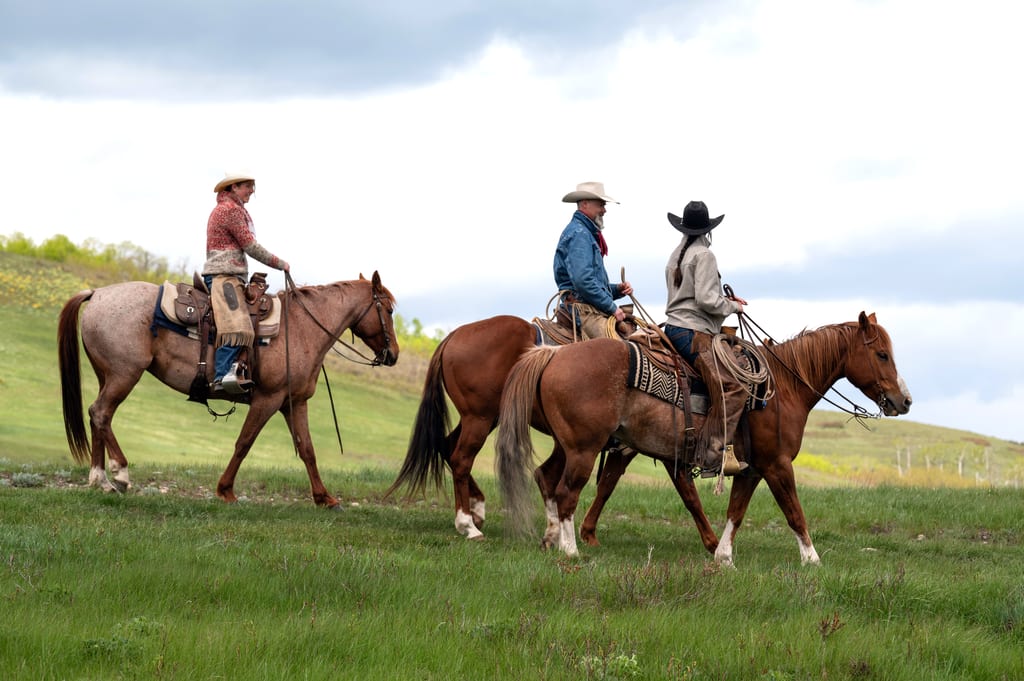
Community pastures are remarkable prairie landscapes managed by producer groups. Across Saskatchewan and Manitoba, 137 pastures cover more than 1.1 million hectares. They demonstrate how sustainable ranching and nature conservation can go hand in hand. Through our partnerships with the livestock industry, tens of thousands of hectares of grasslands across Canada have been conserved from conversion, supporting biodiversity and livestock production.
They support diverse wildlife
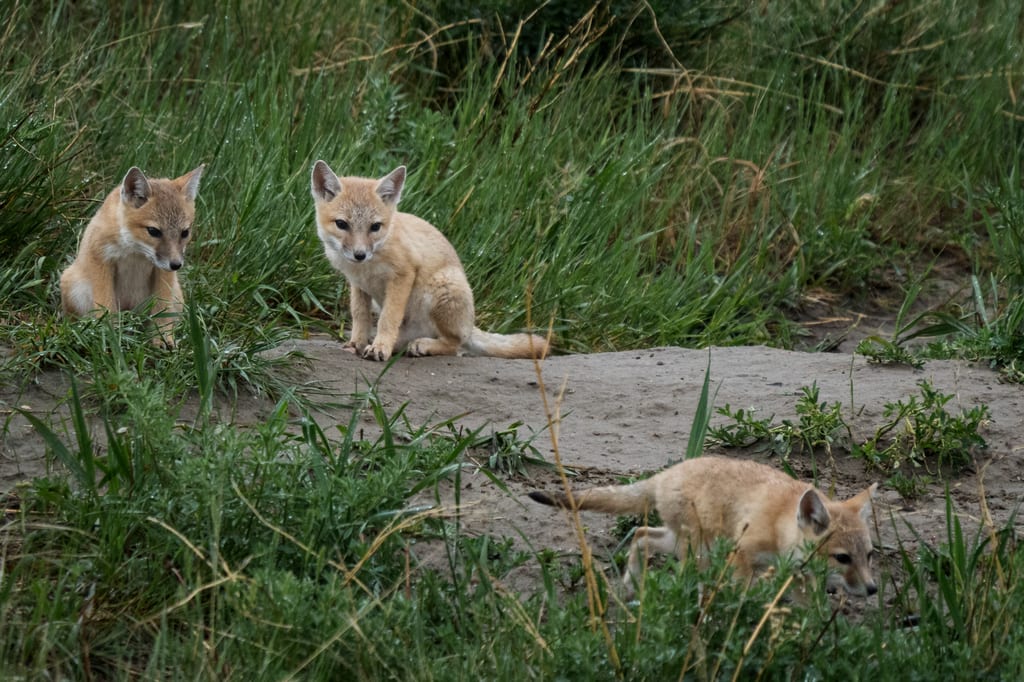
Large intact areas of habitat like community pastures are becoming increasingly rare. These landscapes support diverse ecosystems and at-risk species, including grassland songbirds. They also provide the wide-open spaces needed by wildlife such as swift fox, pronghorn, elk and mule deer.
They sustain healthy land and water
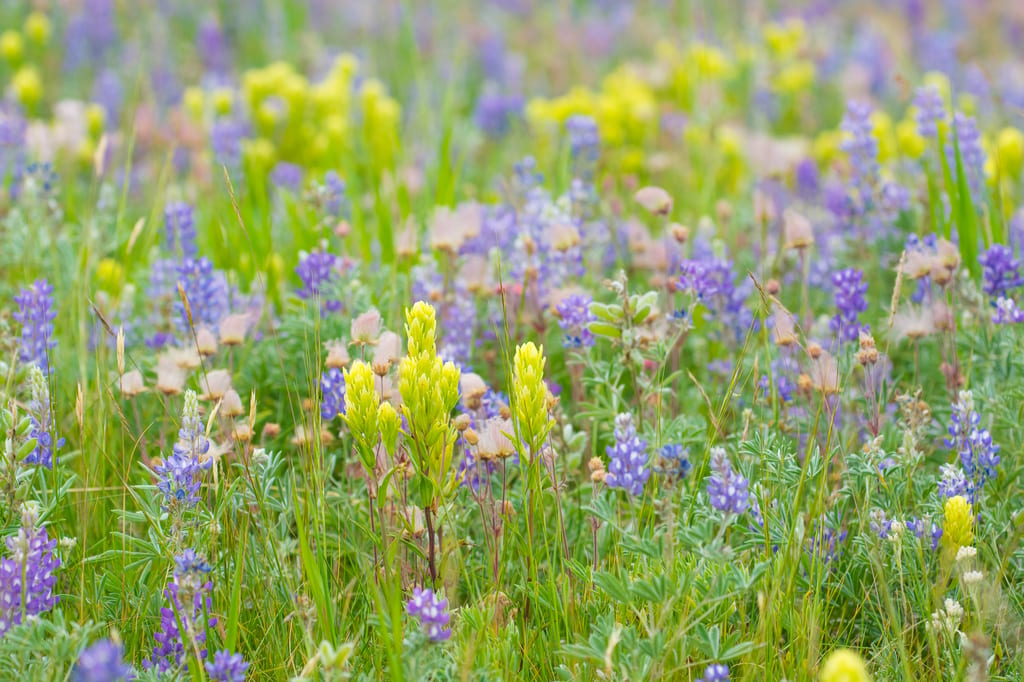
The continued existence and good management of community pastures support biodiversity, water quality, soil conservation and carbon sequestration. These landscapes also help conserve prairie plants and animals.
They support livestock and communities
Community pastures provide a sustainable source of forage for livestock. Their continued management also supports a strong livestock industry and economic and social diversity in communities across the Prairies.
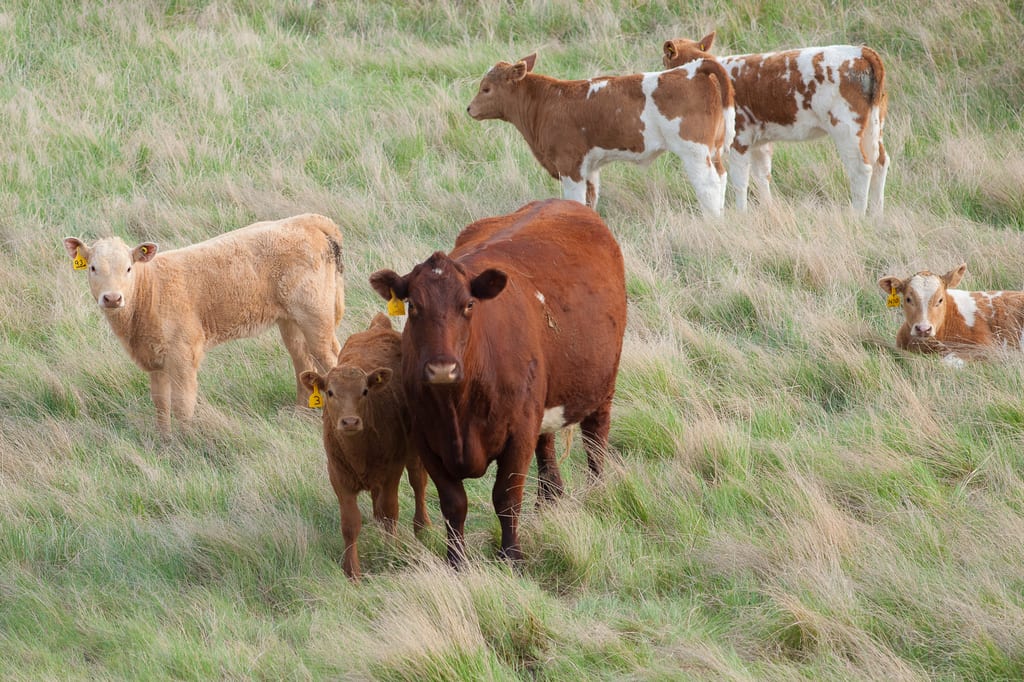
Community Pastures in Manitoba
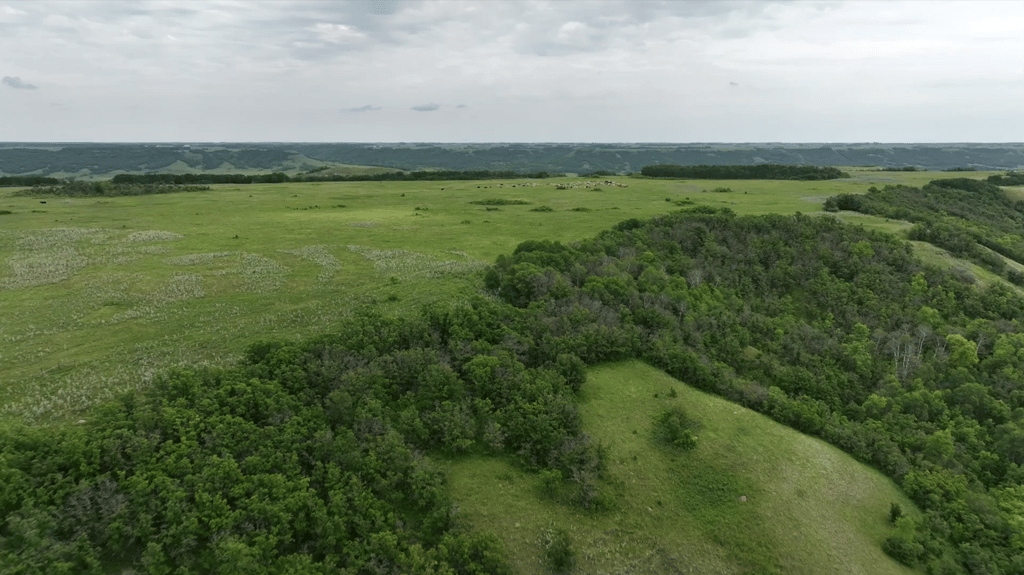
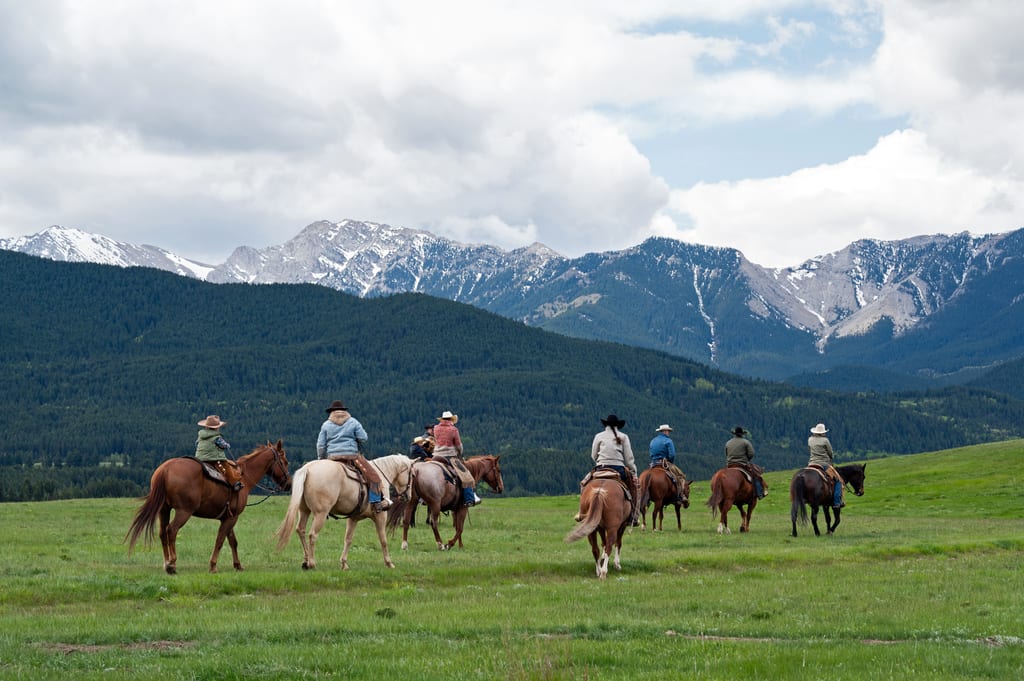

Weston Family Prairie Grasslands Initiative — Stewardship Investment Fund
The Nature Conservancy of Canada is pleased to deliver the second phase of the Weston Family Prairie Grasslands Initiative — Stewardship Investment Program, a multi-year collaboration to celebrate, steward and conserve one of Canada’s most ecologically valuable and threatened ecosystems: native prairie grasslands.
Phase 1: What we've achieved
In Phase 1, NCC and partners supported the completion of 969 projects that improved ranch viability and biodiversity on more than 770,000 hectares of grasslands across Alberta, Saskatchewan and Manitoba. These projects were led by those who know these lands best — the landowners and stewards who work on and care for them every day.
Phase 2: What’s next
Over the next 5 years, the Stewardship Investment Program will provide grants to community-managed native grasslands to complete projects that improve operational productivity and sustainability. Grants will be used to complete projects that create positive, long-term biodiversity benefits. Examples of potential projects include building wildlife-friendly fences, installing remote water systems, assessing range health, surveying species, and controlling invasive weeds.
Questions about working landscapes?
Whether you want to support our work, learn about grassland projects or get involved, we’d love to hear from you.