"By working together, we can protect our grasslands and make sure future generations get to enjoy and appreciate the same rich, vibrant land."Kim Wachtler, fourth-generation rancher and Waldron Co-op director

Alberta is home to some of Canada’s last remaining prairie grasslands – one of the most endangered ecosystems on Earth. From the Southern Foothills to the Milk River Basin and beyond, we work alongside ranching families to conserve what remains of these vital landscapes, sustaining wildlife, supporting livelihoods and keeping Alberta’s grasslands healthy and resilient for generations to come.

Table of contents
Location
Alberta
Conserved since
1986
Habitat(s)
Grassland, Wetlands
Needs support now
Conserve places like this, forever
Alberta’s prairie grasslands at a glance
In Canada, more than 80% of our prairie grasslands have already been lost. What remains is irreplaceable — and essential to our future. These powerful landscapes store vast amounts of carbon; conserve clean water; reduce the risks of flooding and drought; and sustain wildlife, economies, and communities. That’s why conserving Alberta’s remaining grasslands is so important — once they’re gone, these benefits are gone with them.
Alberta holds more of Canada’s remaining prairie grasslands than any other province, including some of the largest intact prairie landscapes in the country. Places like the Milk River Basin and Cypress Uplands are globally important for biodiversity and provide some of the last strongholds for grassland species at risk. Conserving these landscapes is not just a provincial priority — it’s a conservation priority for all Canadians.
Prairie grasslands are powerful natural climate solutions. Their deep root systems and soils store vast amounts of carbon, with up to 90% held underground. These endangered ecosystems also absorb and filter water, providing clean drinking water, reducing the impact of flooding, and making landscapes more resilient to drought and extreme weather.
Alberta’s grasslands support pollinators, healthy food systems and the ranching families who care for these working landscapes. Pollinators play a critical role in food production, while healthy grasslands provide forage for livestock and support sustainable ranching. By partnering with ranchers to conserve grasslands, we support the ecosystems and rural economies that depend on them, strengthening the province’s self-sufficiency as the world changes.
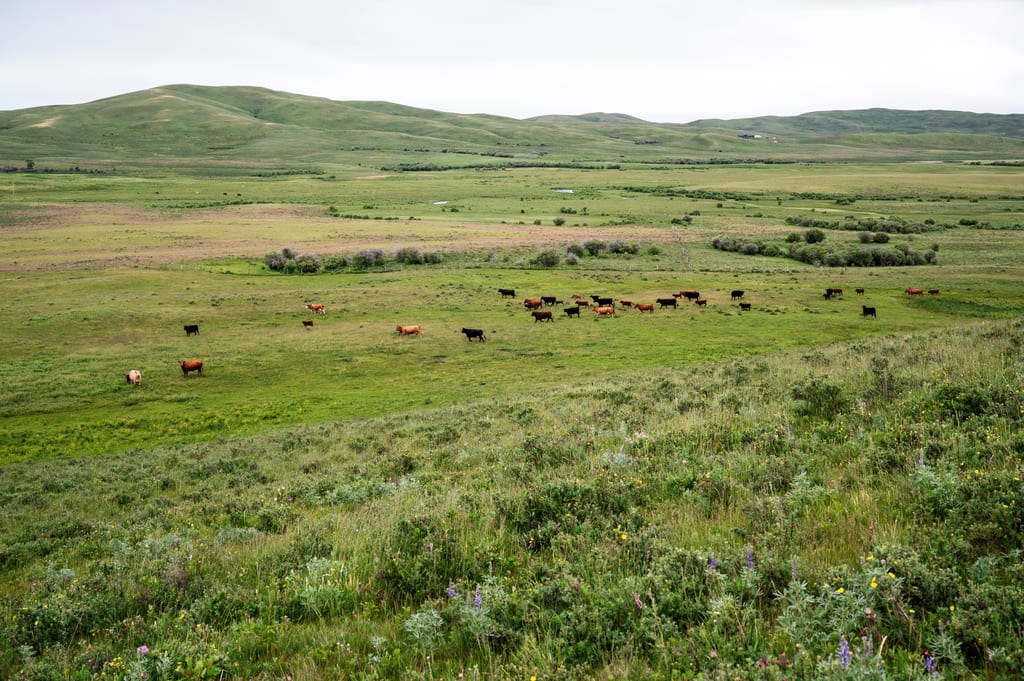
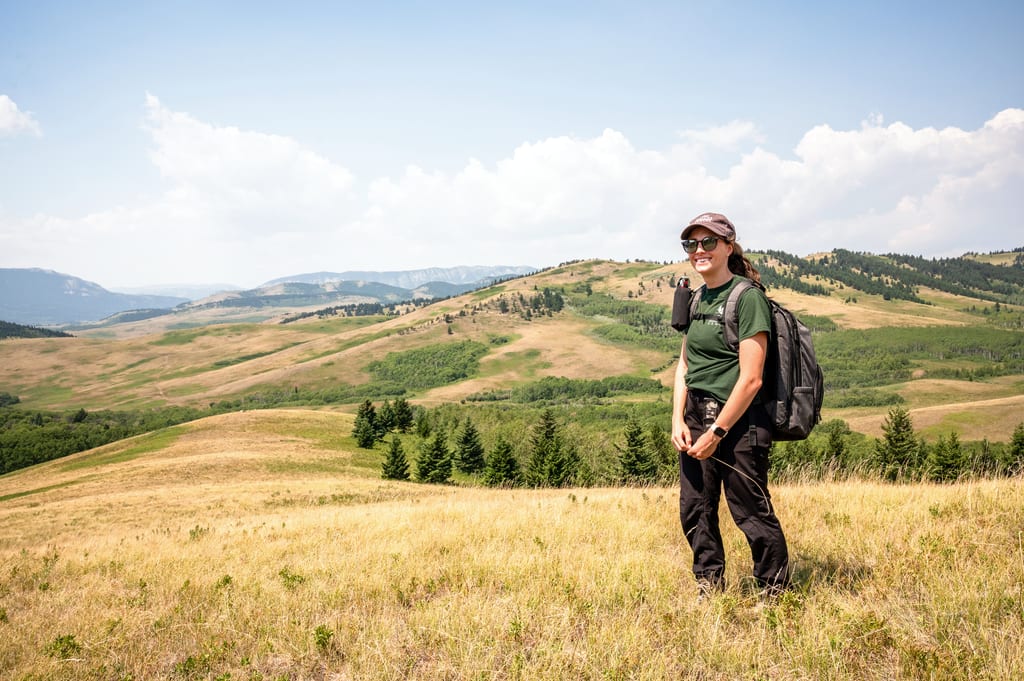
With less than 20% of Prairie grasslands remaining across the country, and what’s left facing growing pressures, these landscapes are becoming an increasingly urgent priority. Alberta is home to some of the country’s largest and most intact prairie landscapes, which support wildlife, store carbon and sustain Indigenous and rural communities. We have an opportunity to conserve these irreplaceable landscapes before more are lost.
Every year, Canada loses about 60,000 hectares of native grasslands. As these landscapes disappear, so do the benefits they provide to surrounding communities and the habitat that species at risk, including the swift fox, burrowing owl and greater sage-grouse, depend on.
Native grasslands are irreplaceable. Prairie soils take hundreds to thousands of years to form, and once native sod is broken, restoration cannot fully recreate the natural systems found in intact grasslands. Altering these landscapes also risks releasing the vast amounts of carbon they naturally store underground as greenhouse gases, contributing to climate change. Conserving remaining native grasslands is the best way to conserve what cannot be fully replaced.
Less than 6% of Canada’s remaining grasslands are formally conserved. Alberta holds more of the country’s remaining prairie grasslands than any other province, including some of its largest and most intact landscapes. As the opportunity to conserve these places shrinks, conserving them now can keep their ecological, cultural and economic benefits in place for generations to come.
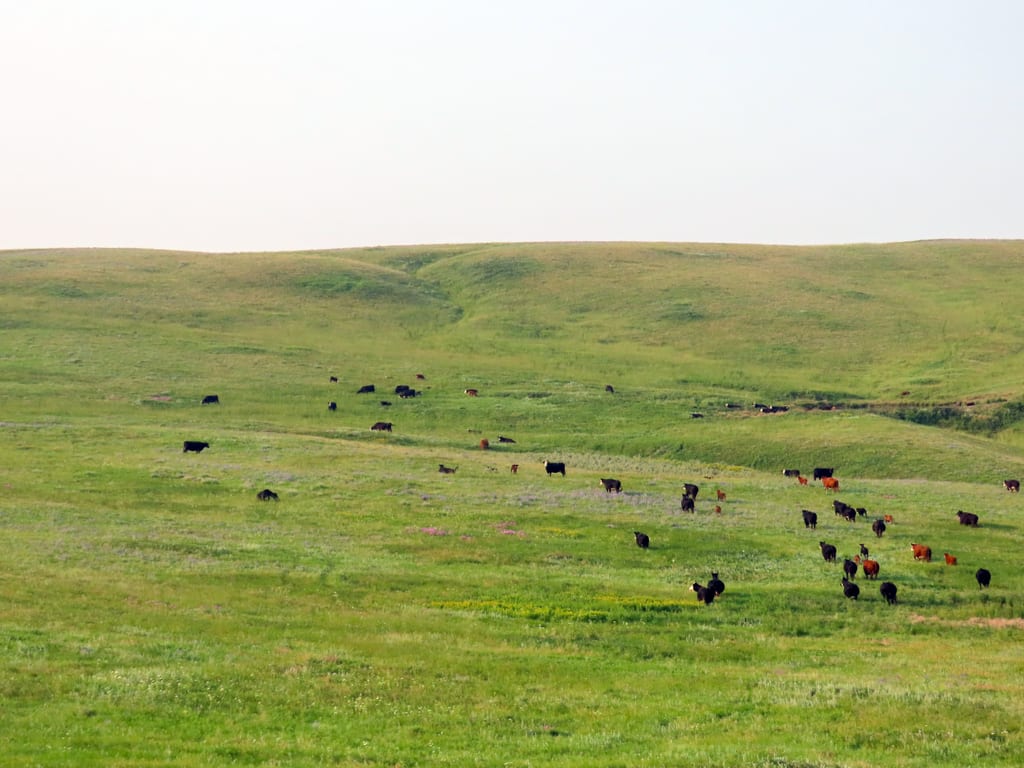
Together with the families who ranch these lands, we’re conserving Alberta’s grasslands and safeguarding the wildlife and communities they support for generations to come.
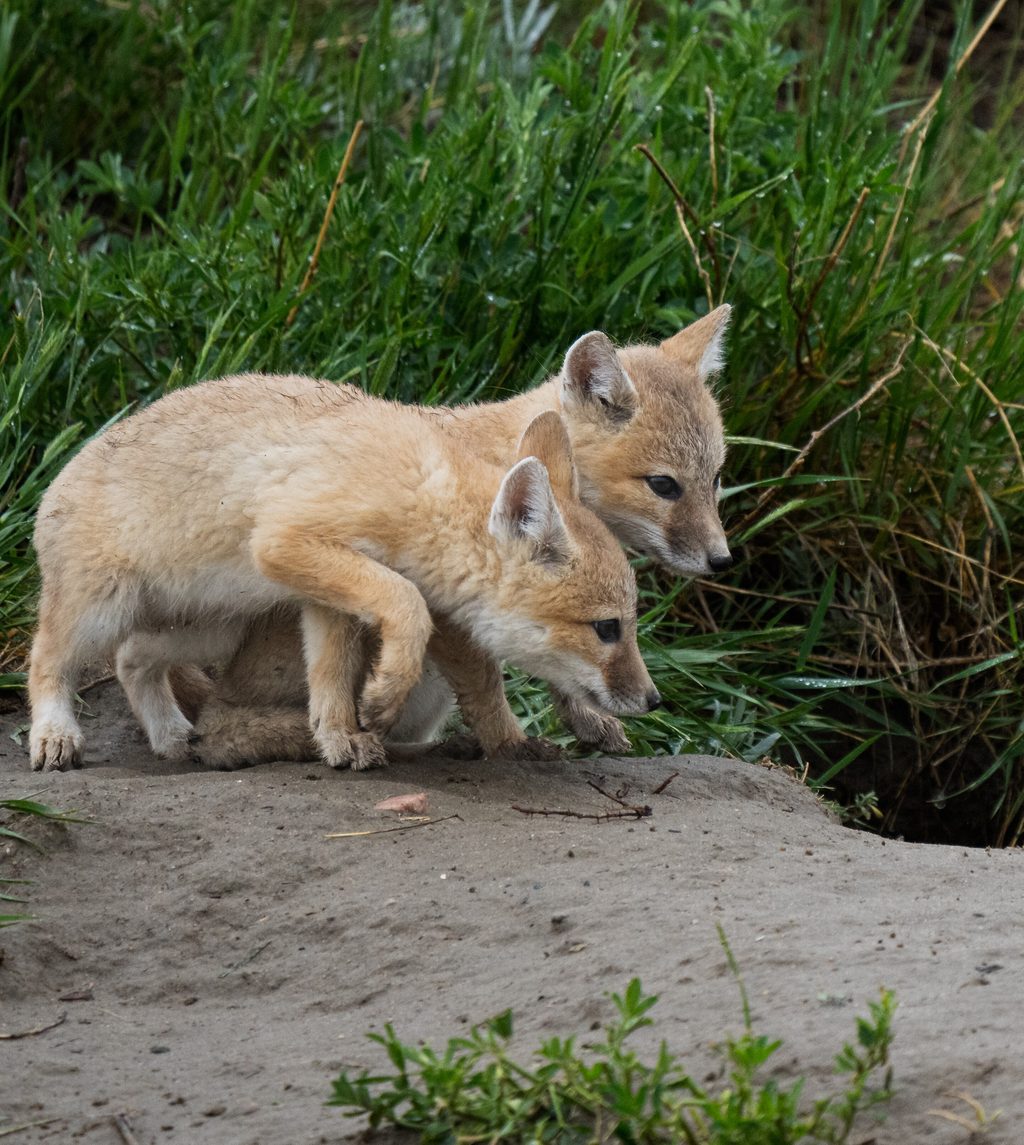
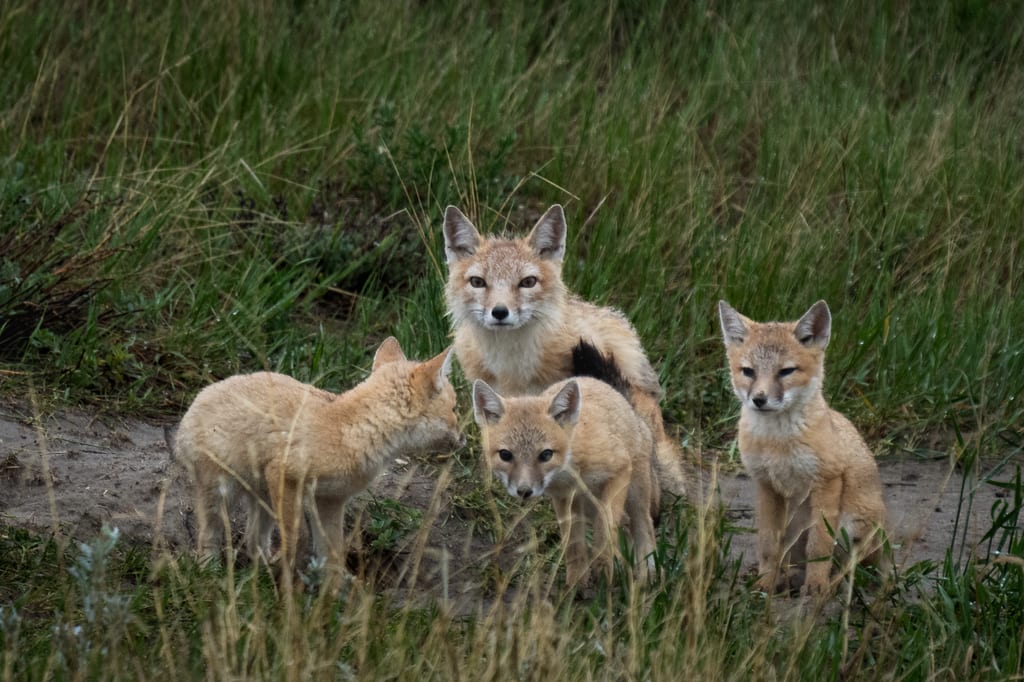
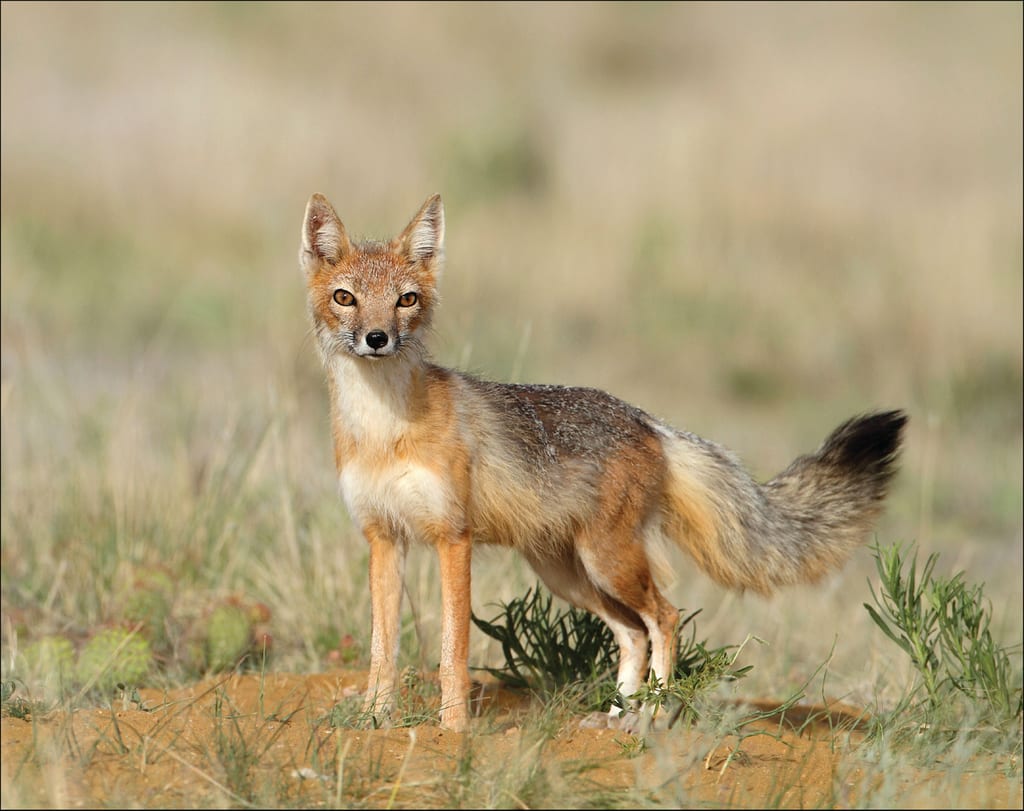
The swift fox is one of North America’s fastest canids, reaching speeds of up to 50 km/h. Once gone from Canada, the swift fox was reintroduced in the 1980s and has since made a comeback. But it is still endangered and depends on native grasslands and short prairie for food and shelter. Swift foxes make their dens in sandy soil or abandoned burrows – including one documented at an NCC conservation site in southeastern Alberta. Its comeback shows what caring for these landscapes can do.
"By working together, we can protect our grasslands and make sure future generations get to enjoy and appreciate the same rich, vibrant land."Kim Wachtler, fourth-generation rancher and Waldron Co-op director
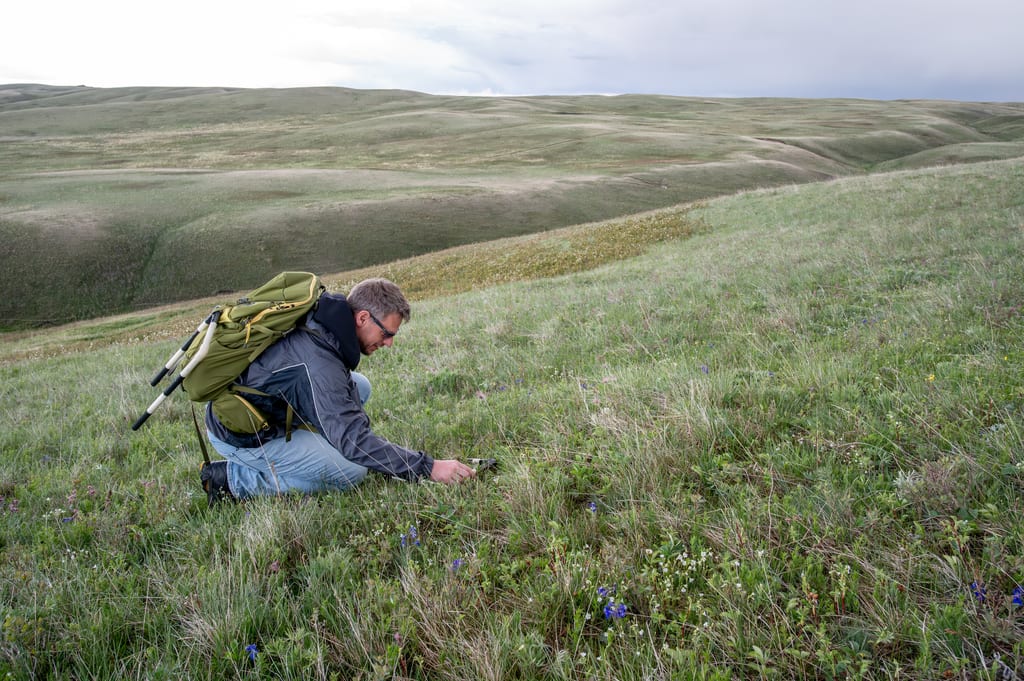
We conserve Alberta’s grasslands with the ranchers who steward them, keeping the prairie connected for wildlife and the communities that depend on it. Conservation agreements keep these lands intact, while partnerships with ranchers support healthy grazing and projects restore and reconnect important habitat.
We work with ranchers and other landowners to permanently conserve high-priority grasslands, focusing on areas where large, intact prairie landscapes remain. By building networks of conserved lands, we maintain connected habitat where wildlife can not only survive, but thrive.
We partner directly with local ranching families and landowners to conserve their land and support sustainable grazing. On lands we own, we lease them back to ranchers, keeping the grasslands healthy and supporting the working landscapes that wildlife and communities depend on.
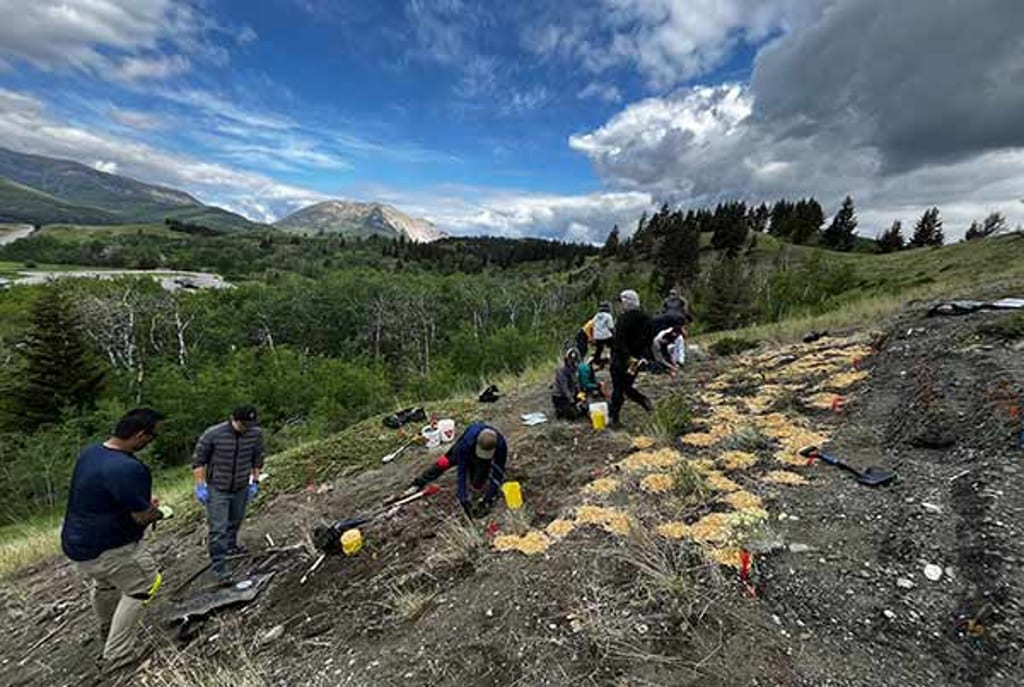
Conserving land is only the first step. We monitor grassland health, manage invasive species, conserve water sources and wildlife habitat, and support healthy grazing practices. This ongoing care keeps Alberta’s grasslands healthy, connected and resilient.
Conserve places like this, forever
Conserving Alberta’s grasslands is only possible with ranching families, Indigenous communities, supporters, and conservation partners who share a commitment to the prairie.


AB Alberta
March 31, 2026
Canada
February 26, 2026
SK Saskatchewan
November 26, 2025

Canada
October 10, 2025
ON Ontario
October 6, 2025
Canada
October 6, 2025
Canada
September 24, 2025
Canada
July 30, 2025
Canada
June 14, 2025

Canada
May 15, 2025
ON Ontario
October 13, 2026
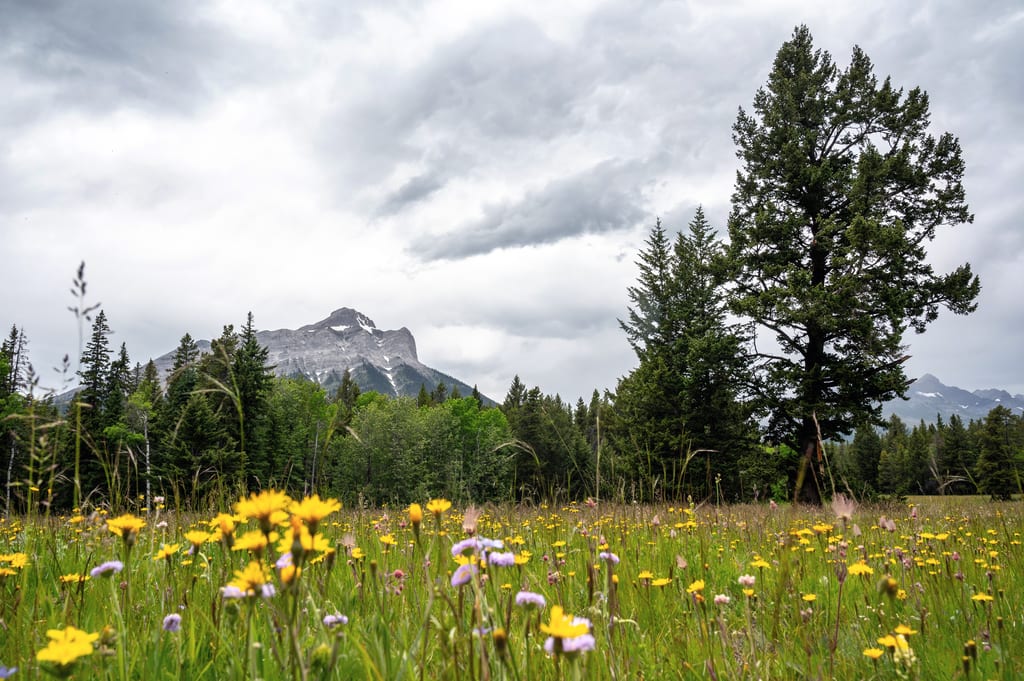
AB Alberta
September 15, 2026
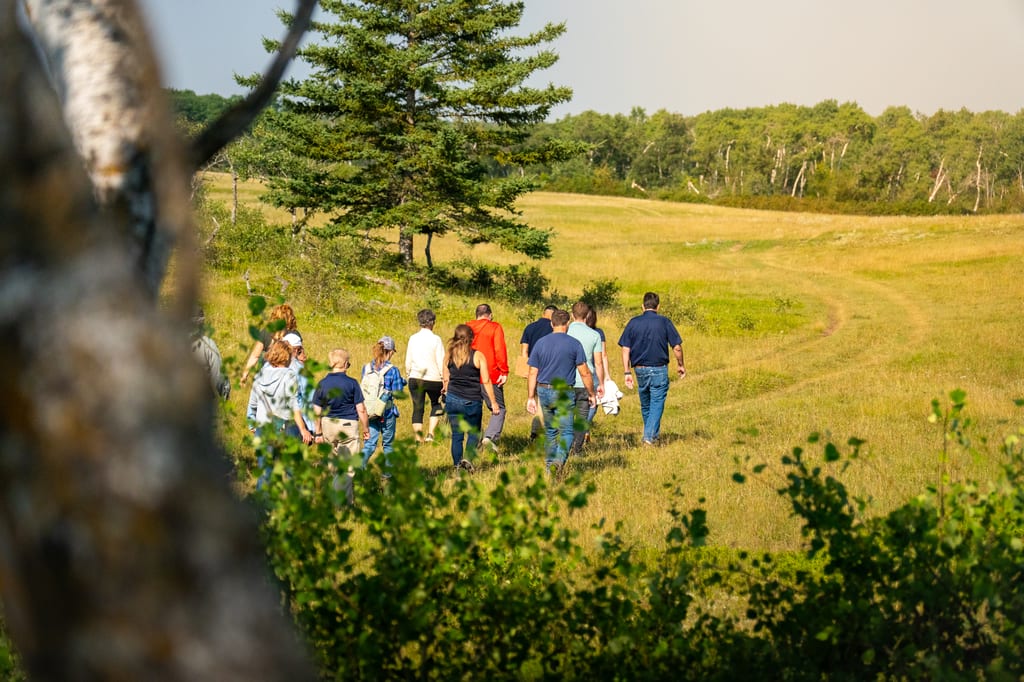
MB Manitoba
September 10, 2026
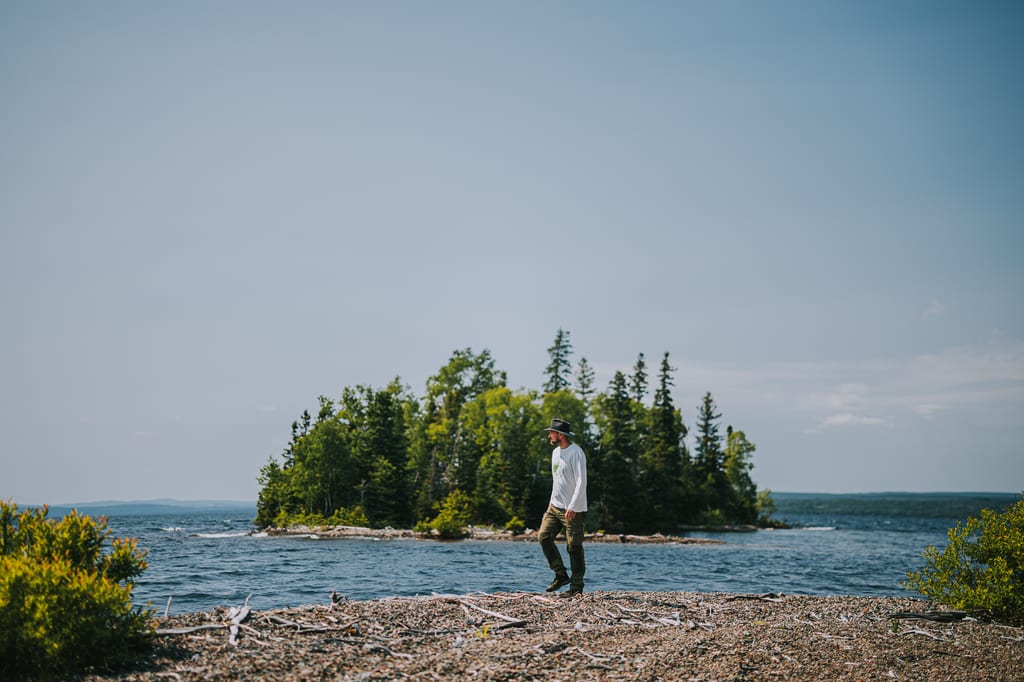
NL Newfoundland and Labrador
August 27, 2026
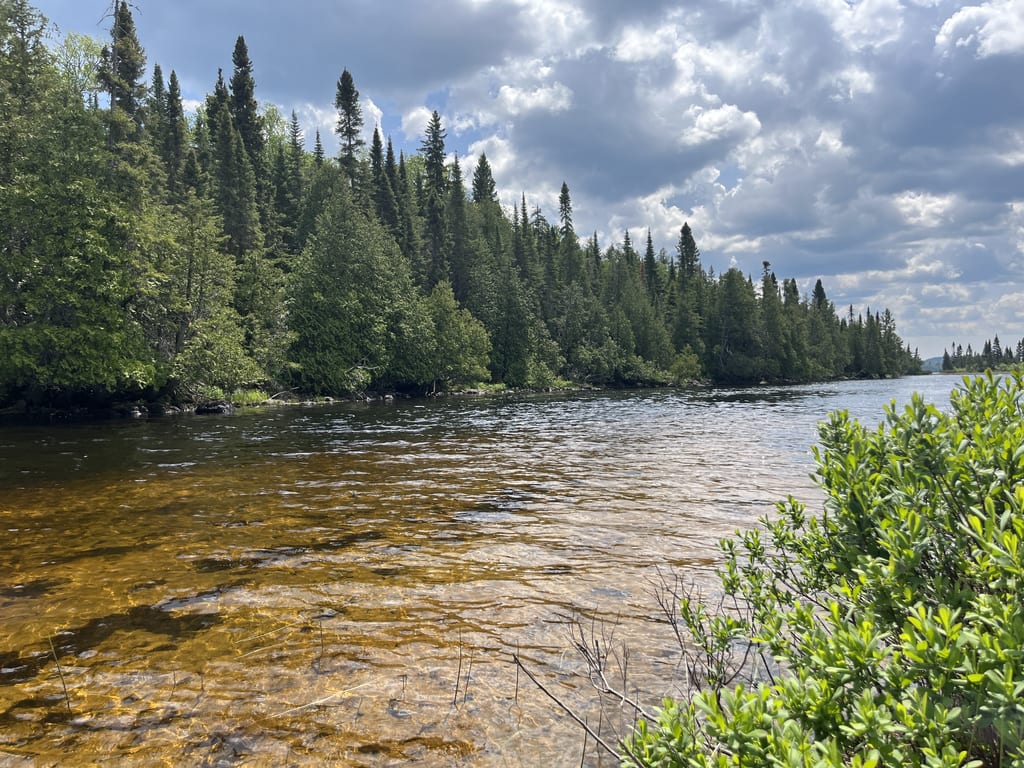
ON Ontario
August 11, 2026
QC Quebec
July 15, 2026
QC Quebec
May 20, 2026
MB Manitoba
April 16, 2026
ON Ontario
March 31, 2026
SK Saskatchewan
March 30, 2026