Newsroom
AB Alberta
Kropinak family’s century of stewardship helps secure a critical Rocky Mountain wildlife corridor
Safeguarding more of the Crowsnest Pass strengthens landscape connectivity, protecting both people and wildlife
September 15, 2026
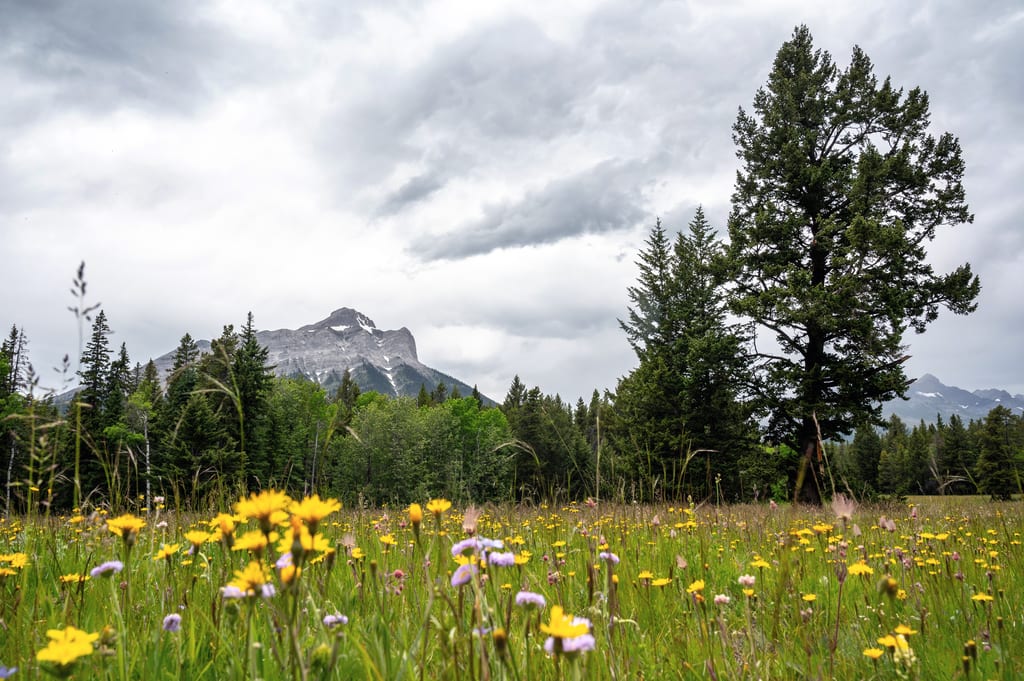
Crowsnest Pass, AB (September 15, 2026) – A new partnership between a local family and the Nature Conservancy of Canada (NCC) will help protect the breathtaking landscapes and wildlife that make the Crowsnest Pass a truly unique place to live, work and visit.
Dale and Maxine Kropinak’s commitment to care for the land fits into a network of protected and conserved areas in the Canadian Rockies' most important wildlife corridors. Protecting land in this area means more room for wildlife to roam and species to flourish, so that communities can thrive and experience the natural area for generations to come.
A family’s 100-year commitment to the land
The Kropinaks’ decision to conserve their 65-hectare (160-acre) property between Crowsnest Lake and the town of Coleman honours a century of stewardship by the family. Dale's grandfather purchased the property in 1925 to establish a homestead, making it one of the oldest deeded properties in the Crowsnest Pass. Three generations later, the family's commitment to caring for the land remains as strong as ever.
This new conservation partnership will help protect the property’s natural values while allowing the land to remain privately owned and managed.
Conservation contributes to community safety
The Kropinak property connects to the heart of the Jim Prentice Wildlife Corridor, a five-kilometre-wide pathway through the Rockies that links Crown forest lands to the north with Castle Provincial Park, Waterton Lakes National Park and Glacier National Park to the south.
Land conservation and wildlife and human safety work hand in hand. By conserving habitat along Highway 3, the Jim Prentice Wildlife Corridor complements the Government of Alberta’s ongoing investments in wildlife overpasses, underpasses and fencing, helping wildlife move safely through the landscape while reducing the risk of wildlife-vehicle collisions. Along Highway 3 between Lundbreck and the Alberta/British Columbia border, these collisions have been estimated to cost more than $8 million CAD annually.
Partnerships making conservation possible
This project was made possible through funding from the Government of Alberta, with additional support from the Government of Canada and Canadian Pacific Kansas City (CPKC). The Government of Alberta has been a critical partner in advancing the Jim Prentice Wildlife Corridor through support for private land conservation, habitat connectivity initiatives, and the establishment of protective notations that help safeguard adjacent Crown lands.
Together, public, private, and community partners are contributing to the conservation of one of Canada’s most significant mountain landscapes. These collective efforts are helping maintain a connected landscape where nature and communities can thrive together, supporting wildlife, strengthening local economies, and safeguarding natural values for future generations.
NCC continues to advance similar conservation initiatives across Alberta and Canada, working alongside landowners, Indigenous Nations, governments, businesses, and individuals to conserve the lands and waters that sustain both people and nature. To help protect the places that sustain life, visit natureconservancy.ca/donate.
Quotes
"This land has been in my family since my grandfather first homesteaded it in 1925, and I want to keep it the way it is. Partnering with NCC ensures it will stay intact, giving me peace of mind knowing it won’t ever be developed. I’m proud to help conserve a piece of Alberta’s natural heritage." — Dale Kropinak, partner landowner
“The Crowsnest Pass is one of Alberta’s great mountain landscapes, where people come from around the world to experience iconic wildlife and spectacular scenery. By partnering with landowners like the Kropinaks, we’re helping keep these landscapes connected so bears, elk and other wildlife continue to thrive for generations to come.” — Tom Lynch-Staunton, Regional Vice President, Nature Conservancy of Canada
“By coming together, we are protecting an important piece of the Jim Prentice Wildlife Corridor and helping keep this critical wildlife pathway connected. This initiative will support the long-term health of one of Canada’s most significant mountain landscapes while strengthening resilience across protected and conserved areas. It brings us one step closer to our goal of conserving 30 percent of Canada’s lands and waters by 2030 and helping ensure future generations can continue to enjoy the natural heritage of the Crowsnest Pass.” — The Honourable Julie Dabrusin, Minister of the Environment, Climate Change and Nature
“The Kropinak family’s century-long commitment to caring for their land is a powerful example of the lasting impact that local stewardship can have. Their partnership with the Nature Conservancy of Canada will help safeguard a key link in the Jim Prentice Wildlife Corridor, supporting wildlife movement through one of North America’s most ecologically significant regions. It reflects the spirit of A Force of Nature: Canada’s Strategy to Protect Nature, which recognizes that lasting conservation success is built through strong partnerships.” — The Honourable Nathalie Provost, Secretary of State (Nature)
Facts
- The Jim Prentice Wildlife Corridor was established by NCC in 2018 to honour the legacy of former Alberta Premier Jim Prentice (see map in media link). With our partners and supporters, NCC has helped conserve nearly 700 hectares of private land within the corridor to date.
- The Crowsnest Pass is one of the few places where wildlife can move through the mountain landscape with relatively few barriers. Conserving key private lands helps maintain these connections, building resilience at the scale of the landscape by allowing wide-ranging species such as grizzly bears, wolves, cougars and elk to move between protected areas and seasonal habitats.
- This project provides habitat for species of management concern including grizzly bear (Special Concern, Canada; Threatened, Alberta), Westslope cutthroat trout (Threatened, Canada and Alberta), Columbia spotted frog (Sensitive, Alberta), and limber pine (Endangered, Canada and Alberta).
- NCC is a partner in Reconnecting the Rockies Alberta, a collaborative research initiative using GPS collars and over 90 remote cameras to study wildlife movement and inform Highway 3 wildlife crossing infrastructure.
About
Since 1962, the Nature Conservancy of Canada has brought people together to protect the lands and waters that sustain us all. As an environmental charity working hand in hand with communities, Indigenous Nations, governments and businesses, we deliver nature-based solutions at a scale no one else can. Our conservation work safeguards clean air and water, stores carbon and reduces the risks of floods and wildfires — protecting our health, strengthening local economies and building more resilient communities. Together, we unlock nature’s power, so life can thrive. Learn more at natureconservancy.ca.
Contact
Sean Feagan
Communications Manager
Nature Conservancy of Canada
C: 587-707-6045
sean.feagan@natureconservancy.ca
Add a dose of nature to your inbox
Get the latest on conservation wins, stories from the field, simple ways to help wildlife thrive, upcoming events and simple ways you can make a difference.
You might also like
AB Alberta
On 10-year anniversary of Beaver Hills Biosphere, NCC announces new conservation project for local resilience
March 16, 2026
AB Alberta
More of North Saskatchewan River protected thanks to well-kept donation
December 11, 2025
AB Alberta
Important grasslands near Lethbridge donated for permanent conservation
October 21, 2025
AB Alberta
Join the effort to conserve vital Prairie grasslands in the heart of Alberta’s cowboy country
July 3, 2025
AB Alberta
NCC expanding conservation network in Alberta’s southern foothills through new Waldron partnership
June 19, 2024
AB Alberta
Nature Conservancy of Canada celebrates successful campaign to conserve McIntyre Ranch
April 23, 2024