Newsroom
AB Alberta
On 10-year anniversary of Beaver Hills Biosphere, NCC announces new conservation project for local resilience
Maintaining wetlands and keeping beavers on the land help store water during wet periods and release it slowly during droughts.
March 16, 2026
By Jensen Edwards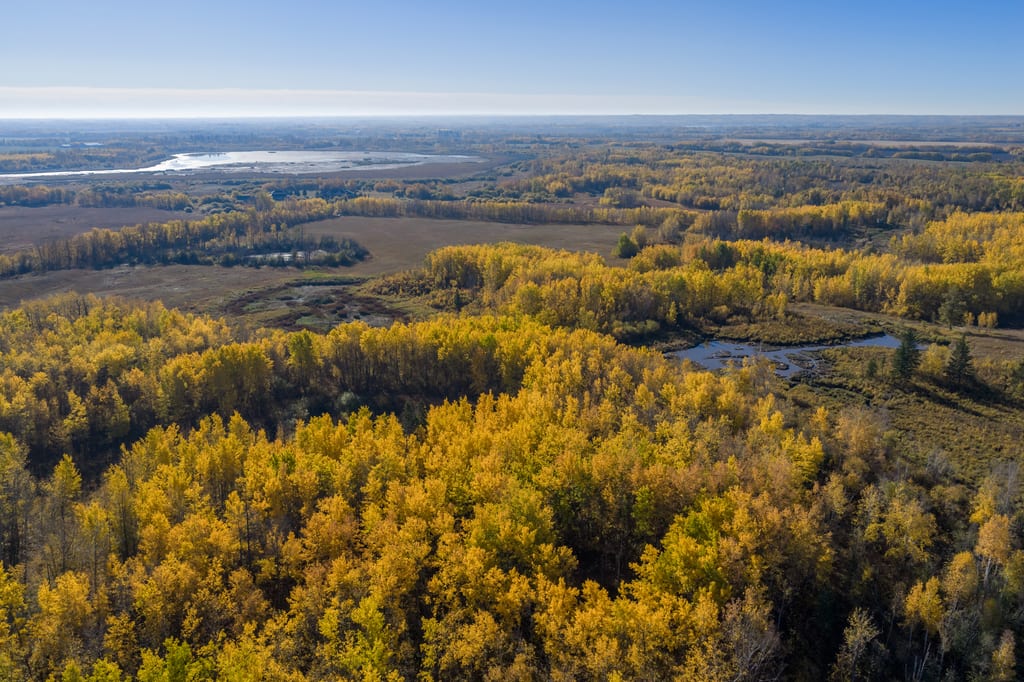
65 hectares conserved east of Edmonton to help protect clean water and stabilize water levels
Edmonton, AB (March 16, 2026) – Albertans now have another piece of natural infrastructure working for them: the Nature Conservancy of Canada (NCC) has conserved a 65-hectare property in the Beaver Hills, 27 kilometres east of Edmonton. The new West Wanisan Lake conservation project helps the landscape hold water, protects wildlife habitat and offers opportunities for people to explore an internationally significant region in Edmonton’s backyard.
Natural sponges and busy engineers
The newly conserved property includes wetlands and forests and sits on the Cooking Lake Moraine, one of the highest points in the region. Rain and snow that falls here is stored in wetlands and gravelly soils, which act like giant sponges, absorbing water during storms and spring melt, then slowly releasing it to refill local aquifers that supply nearby communities.
Like much of the Beaver Hills, the property is home to beavers. These animals, known as ecosystem engineers, build dams, which slow water, help store moisture, reduce downstream flooding, and keep streams and wetlands wet longer in dry periods.
Waterbodies in the Beaver Hills have been shrinking for more than a century, with Beaverhill Lake nearly drying out three times in the last 100 years. Changes in land use and the loss of natural areas have reduced the landscape’s ability to hold water. Maintaining wetlands and keeping beavers on the land help store water during wet periods and release it slowly during droughts.
A wildlife home and highway
The project sits within a key wildlife corridor between Elk Island National Park to the north and Miquelon Lake Provincial Park to the south. Conserving natural “stepping stones” like West Wanisan Lake helps ensure wide-ranging wildlife like moose and fisher can travel between these two larger protected areas.
The property sits next to Wanisan Lake, which, along with its wetlands, provides important stopover and breeding habitat for migratory waterbirds, such as ducks and swans. The property’s forests also support migratory forest birds, including wood warblers, several of which are in decline.
Beaver Hills Biosphere marks 10 years
This announcement comes on the 10-year anniversary of the Beaver Hills Biosphere, a UNESCO-designated biosphere recognized for people and nature coexisting together. Conserving land and wetlands here helps keep water in the lakes, provide homes for wildlife and keeps the landscape healthy for everyone.
See for yourself
The property is being prepared for public access, and visitors will be able to enjoy it once site preparations are complete. For information about visiting NCC properties in Alberta, visit connect2nature.ca
Making conservation possible
Key donors and partners came together to make this project possible, including Cenovus Energy via the Conserving Critical Wetlands Program, the Government of Canada, U.S. Fish and Wildlife Service, through the North American Wetlands Conservation Act, and Keyera.
This project contributes to a future where people and nature thrive together. For over 60 years, the Nature Conservancy of Canada has brought people together to protect the lands and waters that sustain us all — delivering nature-based solutions at a scale no one else can, so life can thrive.
How you can help
Across Canada, NCC is taking on projects like this one — protecting the lands and waters that sustain us all. Find out how you can help at natureconservancy.ca/donate.
Quotes
“Projects like West Wanisan Lake show how conservation benefits us all. By keeping water on the land and protecting habitat, we’re strengthening natural infrastructure that supports communities, wildlife and the landscapes Albertans care about, both now and into the future.” — Tom Lynch-Staunton, Regional Vice President, Nature Conservancy of Canada
“Water is such a critical resource — the Beaver Hills are full of wetland habitats, but water levels have been suffering due to increased heat in the summer and less sustained precipitation over the year. The new West Wanisan Lake conservation site will be critical to maintaining the natural groundwater in the area. We’re very excited.” — Bob Montgomery, Executive Director, Beaver Hills Biosphere
“The protection of this land in West Wanisan Lake shows what’s possible when communities, conservation organizations and governments work together for nature. By conserving wetlands and forests like West Wanisan Lake, we’re protecting clean water, strengthening natural infrastructure and helping this landscape better withstand floods, droughts and climate change — for the benefit of people and wildlife today and for generations to come.” — The Honourable Julie Dabrusin, Minister of the Environment, Climate Change and Nature
“Healthy wetlands and connected landscapes are essential to clean water, thriving wildlife and resilient communities. Protecting places like Alberta’s West Wanisan Lake helps keep water on the land, supports wildlife movement across the Beaver Hills Biosphere region, and strengthens the natural systems that Albertans rely on. The conservation of this land is an incredible way to mark the 10th anniversary of the biosphere.” — The Honourable Nathalie Provost, Secretary of State (Nature)
Facts
- NCC is a conservation leader in the Beaver Hills, having helped conserve 18 properties totalling 1,800 hectares to date, nearly twice the size of Edmonton’s River Valley parks.
- The Beaver Hills’ rich wetlands support a healthy and abundant beaver population; in Elk Island National Park alone there are hundreds of active beaver lodges, each usually home to around four to seven beavers.
- Species of concern documented in the project area include western grebe (special concern in Canada), eared grebe (sensitive in Alberta), black-crowned night-heron (sensitive), black tern (sensitive) and plains garter snake (sensitive).
About
Since 1962, the Nature Conservancy of Canada has brought people together to protect the lands and waters that sustain us all. As an environmental charity working hand in hand with communities, Indigenous Nations, governments and businesses, we deliver nature-based solutions at a scale no one else can. Our conservation work safeguards clean air and water, stores carbon and reduces the risks of floods and wildfires — protecting our health, strengthening local economies and building more resilient communities. Together, we unlock nature’s power, so life can thrive. Learn more at natureconservancy.ca.
Find photos and video of the West Wanisan project here.
Contact
Nature Conservancy of Canada
E: media@natureconservancy.ca
Add a dose of nature to your inbox
Get the latest on conservation wins, stories from the field, simple ways to help wildlife thrive, upcoming events and simple ways you can make a difference.
You might also like
AB Alberta
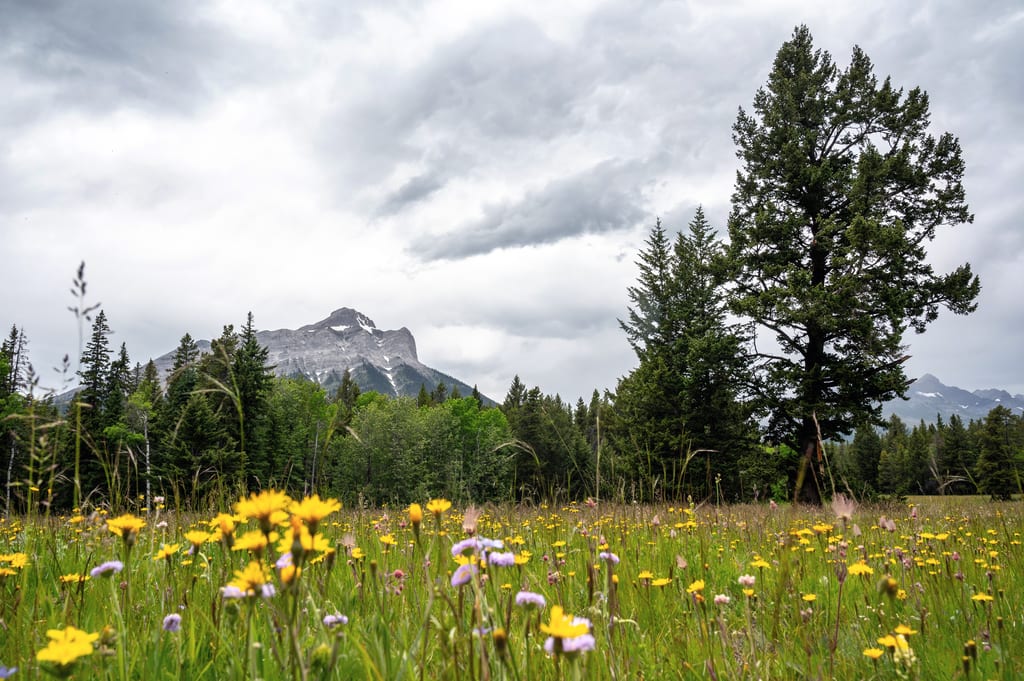
Kropinak family’s century of stewardship helps secure a critical Rocky Mountain wildlife corridor
September 15, 2026
AB Alberta
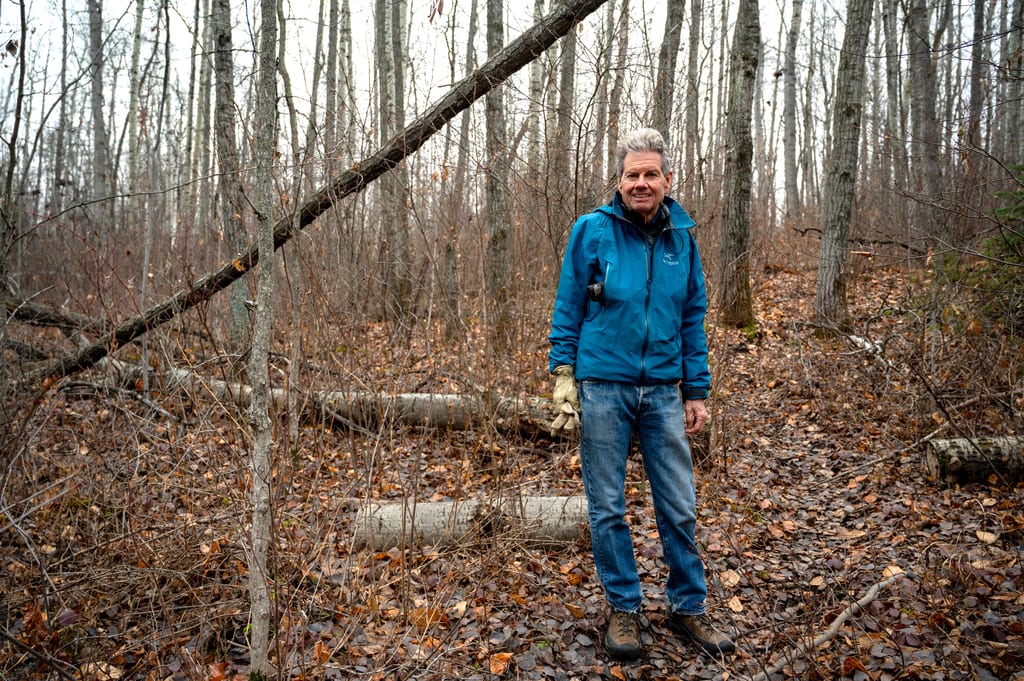
More of North Saskatchewan River protected thanks to well-kept donation
December 11, 2025
AB Alberta
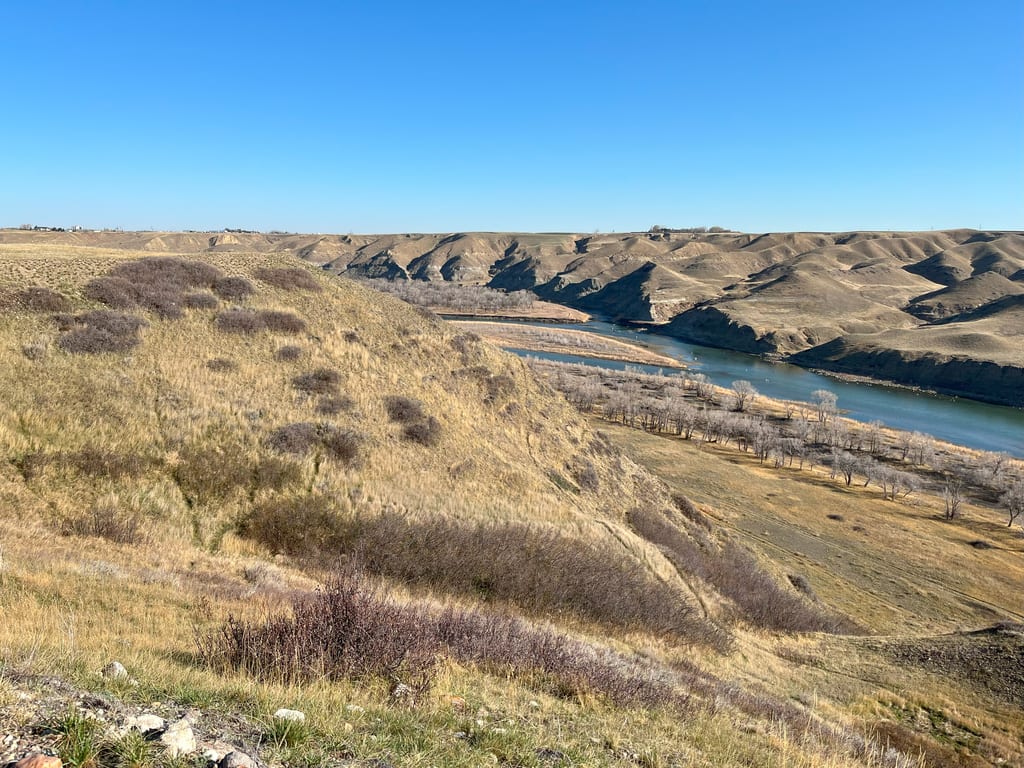
Important grasslands near Lethbridge donated for permanent conservation
October 21, 2025
AB Alberta
Join the effort to conserve vital Prairie grasslands in the heart of Alberta’s cowboy country
July 3, 2025
AB Alberta
NCC expanding conservation network in Alberta’s southern foothills through new Waldron partnership
June 19, 2024
AB Alberta
Nature Conservancy of Canada celebrates successful campaign to conserve McIntyre Ranch
April 23, 2024