Stories
AB Alberta
BC British Columbia
MB Manitoba
NB New Brunswick
NL Newfoundland and Labrador
NS Nova Scotia
ON Ontario
PE Prince Edward Island
QC Quebec
SK Saskatchewan
Water is life — and it begins with land
October 6, 2025
By Ian Gibb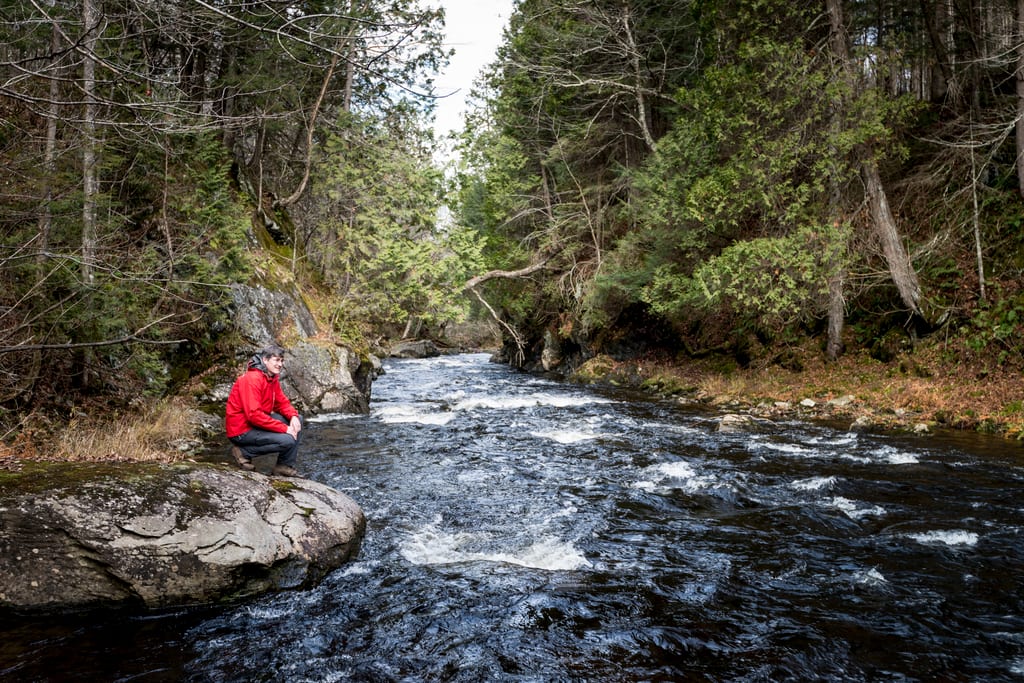
Water is essential. It’s the pulsing, pumping heart of all ecosystems, and all life on Earth. It flows through every community, every ecosystem, every living being. It’s where memories are made: in a swim or paddle on the lake, or during a stroll along the shoreline. From recreation and cultural practices to supporting nature, species and our economy, water is so much more than the refreshing drink in our glass.
Forests, wetlands, grasslands and shorelines are nature’s water filters. These lands absorb rainfall, filter pollutants, recharge aquifers and shield rivers and lakes from erosion and runoff. This natural infrastructure keeps water clean and helps protect communities from floods and droughts, while providing crucial habitat for many species.
Natural water systems have countless benefits for communities, and the landscapes that support them are under threat. Urban development, invasive species and habitat loss are weakening nature’s ability to manage water. The loss of wetlands, altered shorelines and other changes to the landscape from human activity are more than the loss of scenery and habitat.
At the Nature Conservancy of Canada (NCC), our work is on the land. But our impact flows far beyond it. Each conserved hectare safeguards rivers, lakes, aquifers and watersheds across the nation, providing clean drinking water, economic opportunity and healthy spaces for species. These places also provide places for recreation and cultural connection.
Water protectors
Sacred for many Indigenous communities around the world, water is not just a resource: it is a crucial aspect of cultural identity, language and relationships. NCC supports Indigenous-led conservation projects across Canada. Protecting lands and water is key to maintaining and fostering Indigenous cultural connections and supporting the persistence of Indigenous Knowledge.
Progress through partnership
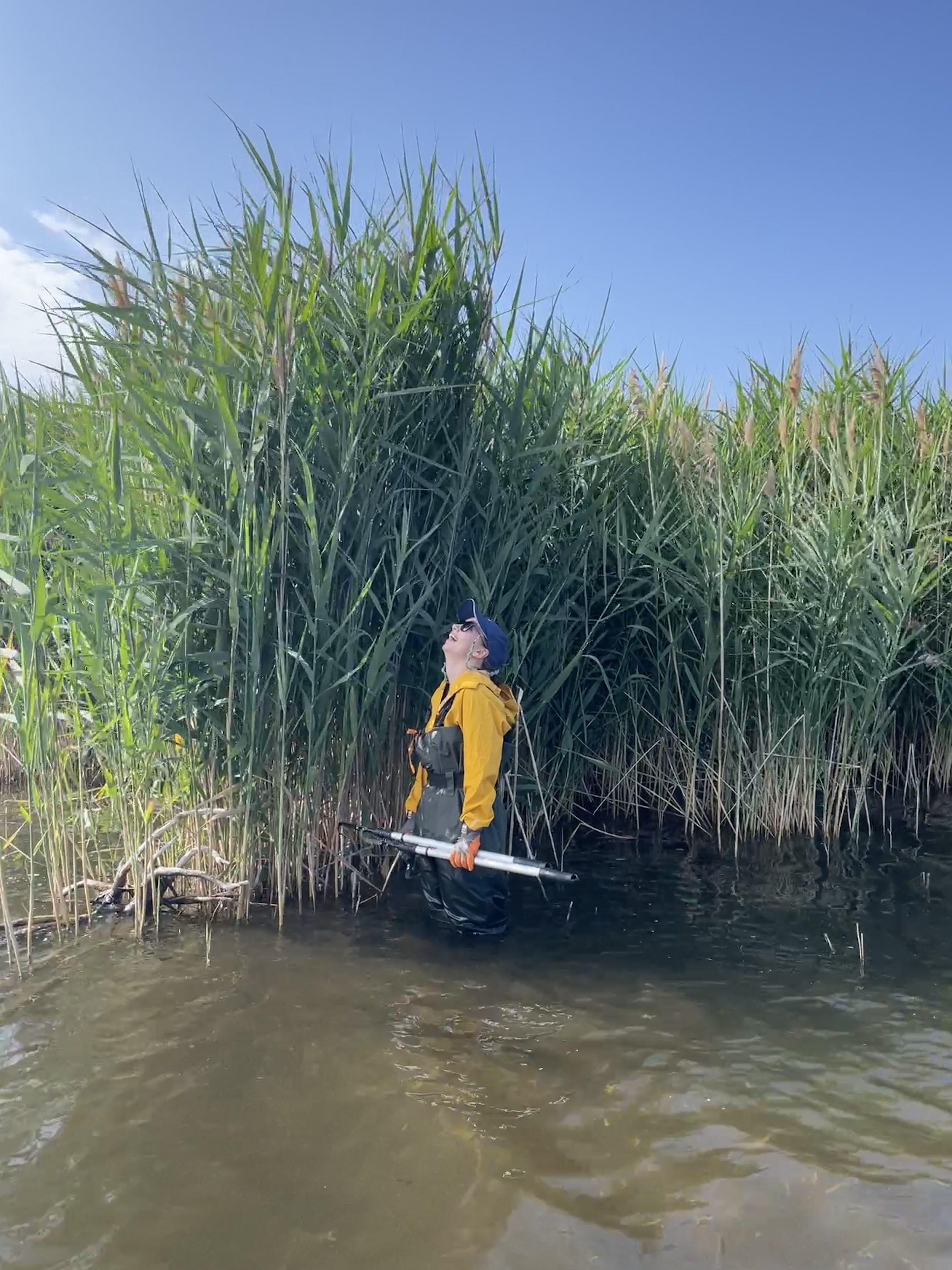
One of Canada’s most destructive invasive plants is Phragmites australis. It spreads quickly and takes over natural areas, making it hard for native plants and animals to survive. In Ontario, NCC works with community partners, governments and Indigenous Nations and communities to restore these important natural areas by removing phragmites and bringing back healthy wetlands and shorelines. NCC has helped create a plan for phragmites control in Ontario, making it easier for groups to work together to protect these valuable habitats in the future.
Water protected at the source
Canada is home to seven per cent of the world’s renewable freshwater sources, one of the most precious resources on the planet. Nearly 90 per cent of drinking water for Canadians is drawn from lakes and river watersheds. Protecting and restoring the lands that store and filter our water ensures this natural service remains available for our communities now, and into the future.
An island refuge
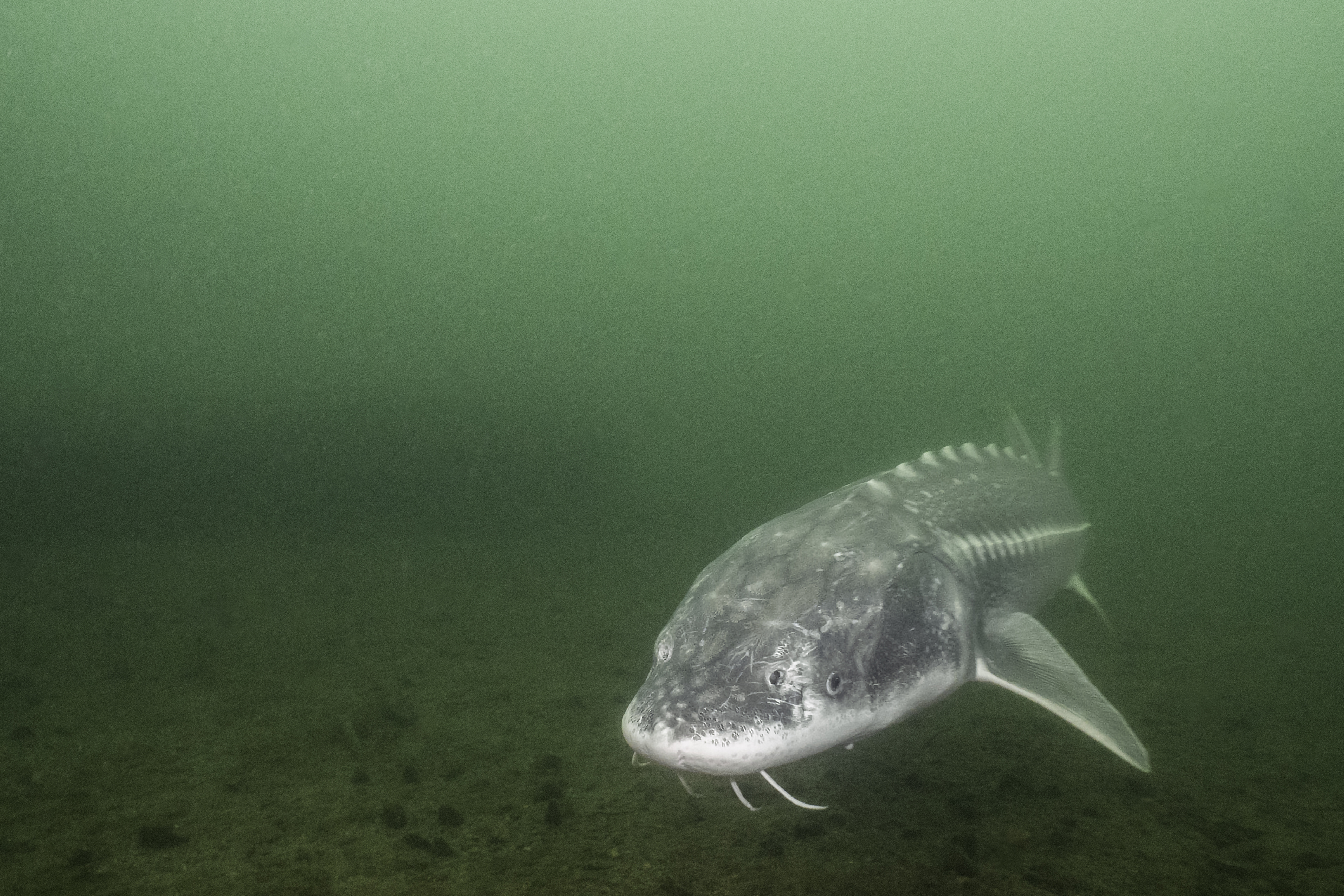
The Fraser is British Columbia’s longest river, flowing more than 1,300 kilometres from the Rocky Mountains to the Pacific Ocean near Vancouver. Much of the lower Fraser River has been altered by dikes and ditches, leaving little natural habitat for fish and other aquatic species that depend on the river. NCC is now protecting the 250-hectare Carey Island, near Chilliwack. Juvenile chinook, pink and sockeye salmon swim in the channels around the island. The area is also important spawning habitat for threatened white sturgeon.
Unique habitat
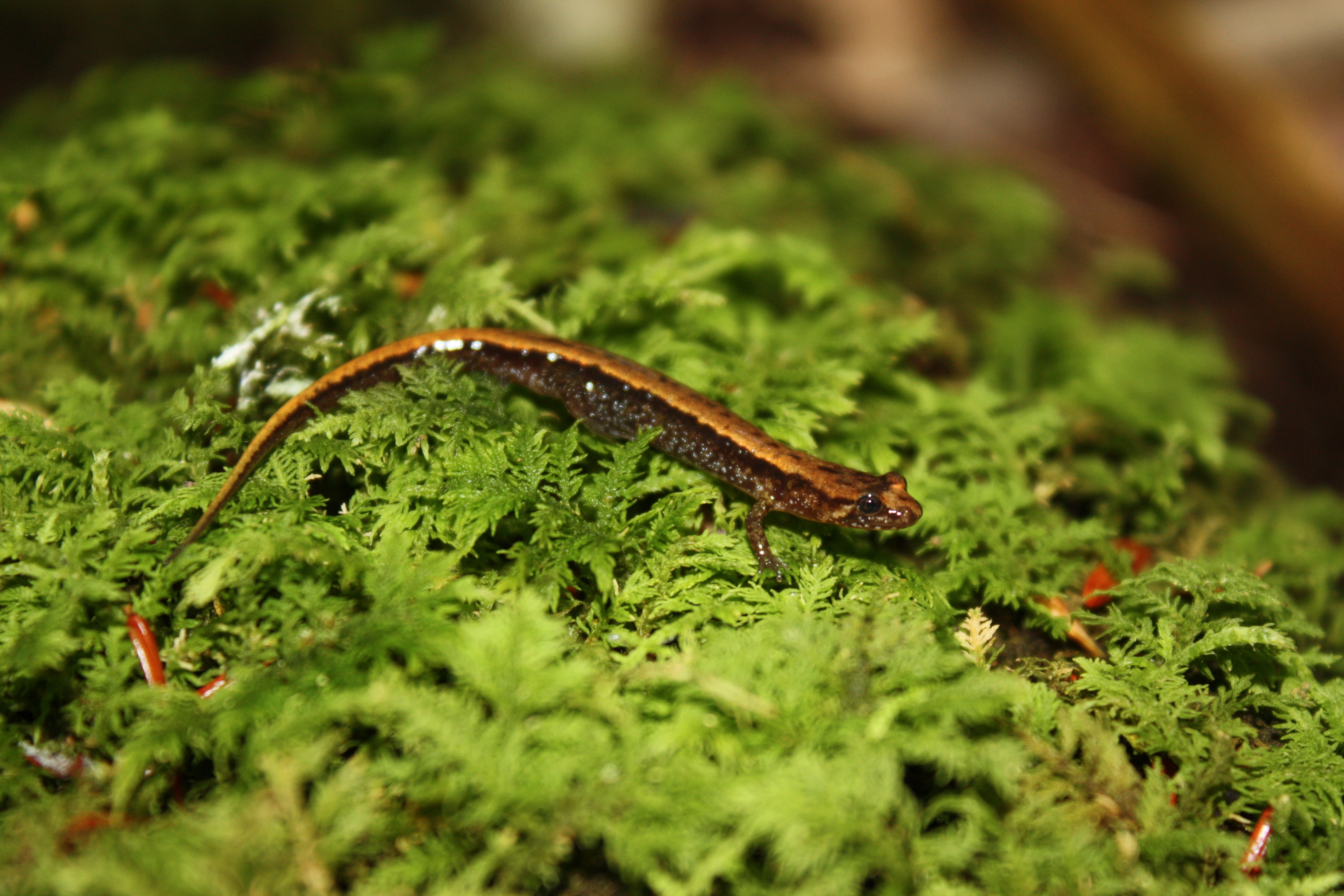
Covey Hill, rising up at the northern end of the Adirondack Mountains in Quebec, is a true natural gem that provides habitat for many rare species. Finding refuge in its clear streams are about 10 different species of salamander. One species, the Allegheny Mountain dusky salamander, is only found at one other location in Canada. NCC is working to conserve the ecological integrity of the Covey Hill region’s streams, forests and wetlands. A natural laboratory on-site is used to study several aspects of the environment, such as the region’s unique hydrology, in partnership with several universities.
Now is the time to accelerate our efforts to protect the source of freshwater: by protecting the land around it. Together, we can protect 1 million additional hectares of land by 2030.
Add a dose of nature to your inbox
Get the latest on conservation wins, stories from the field, simple ways to help wildlife thrive, upcoming events and simple ways you can make a difference.
You might also like
AB Alberta
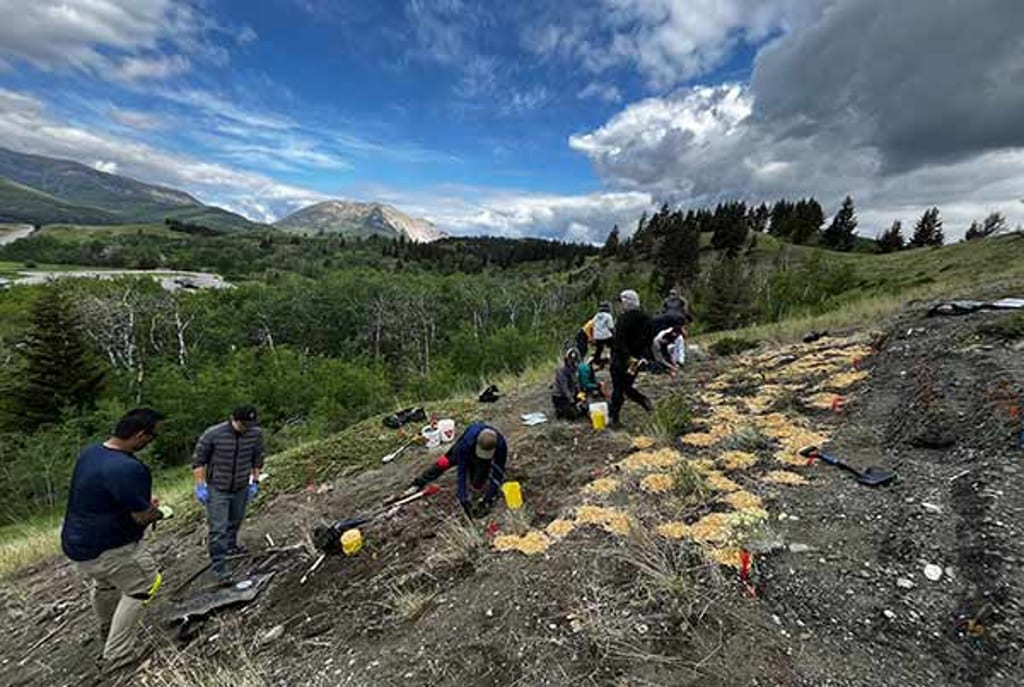
Amping up grassland restoration with fungi
March 31, 2026
Canada
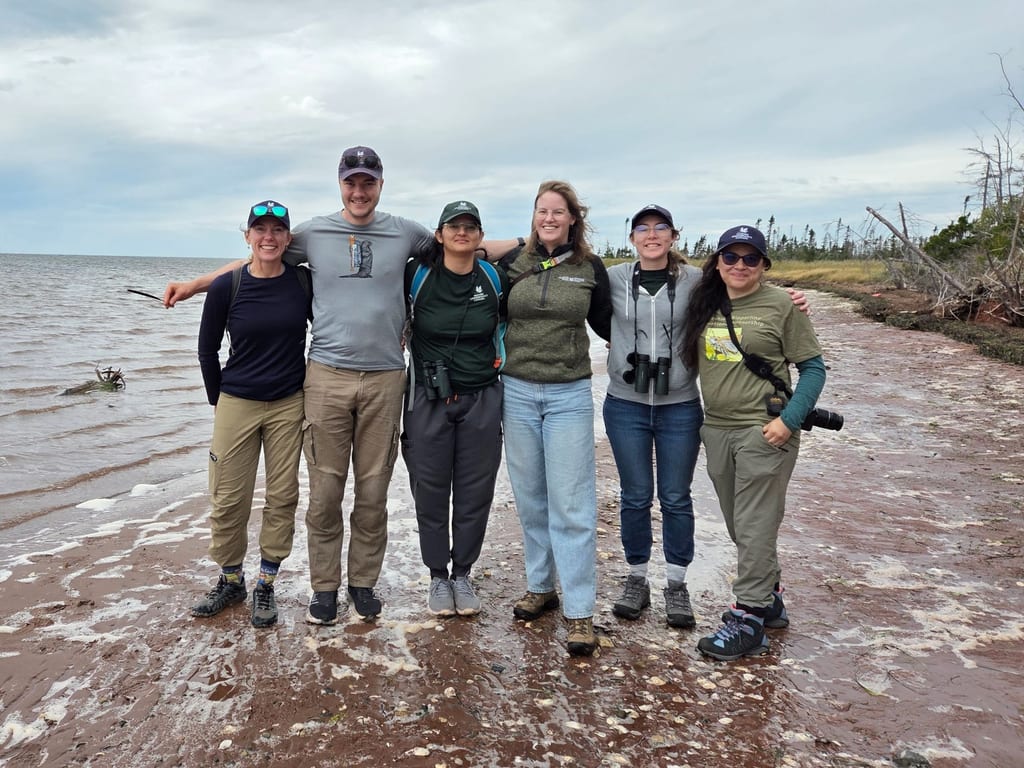
Hope, insights, and awareness for invasive species management
February 26, 2026
SK Saskatchewan
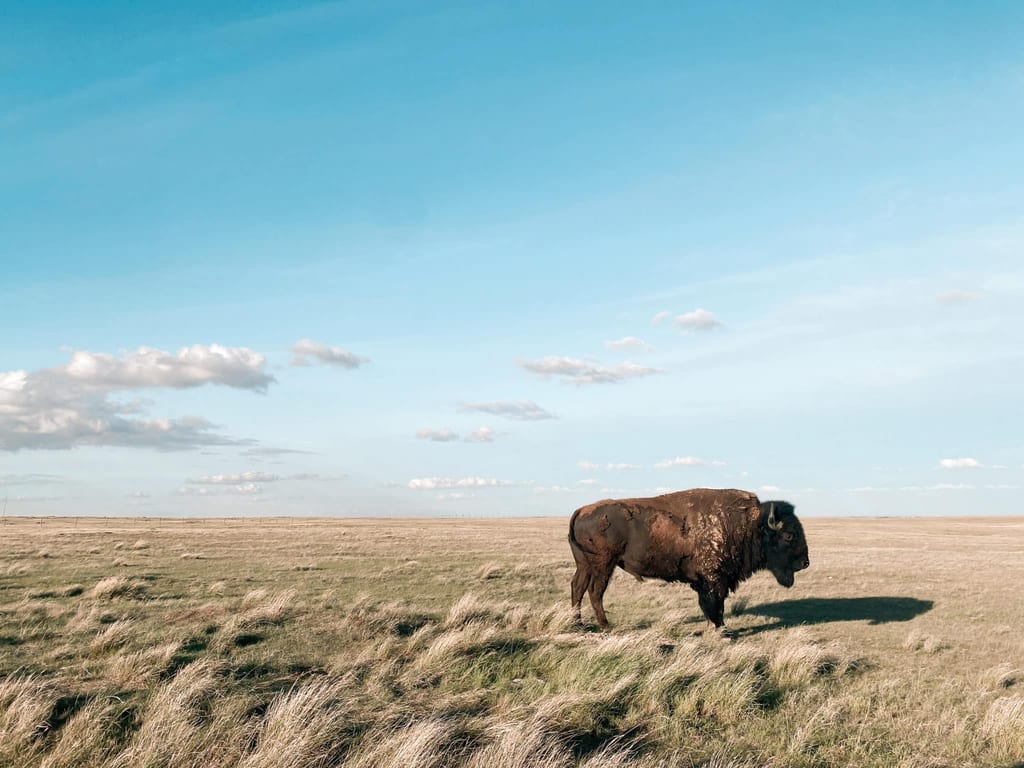
The sound of the prairie: Why grazing management matters
November 26, 2025
ON Ontario
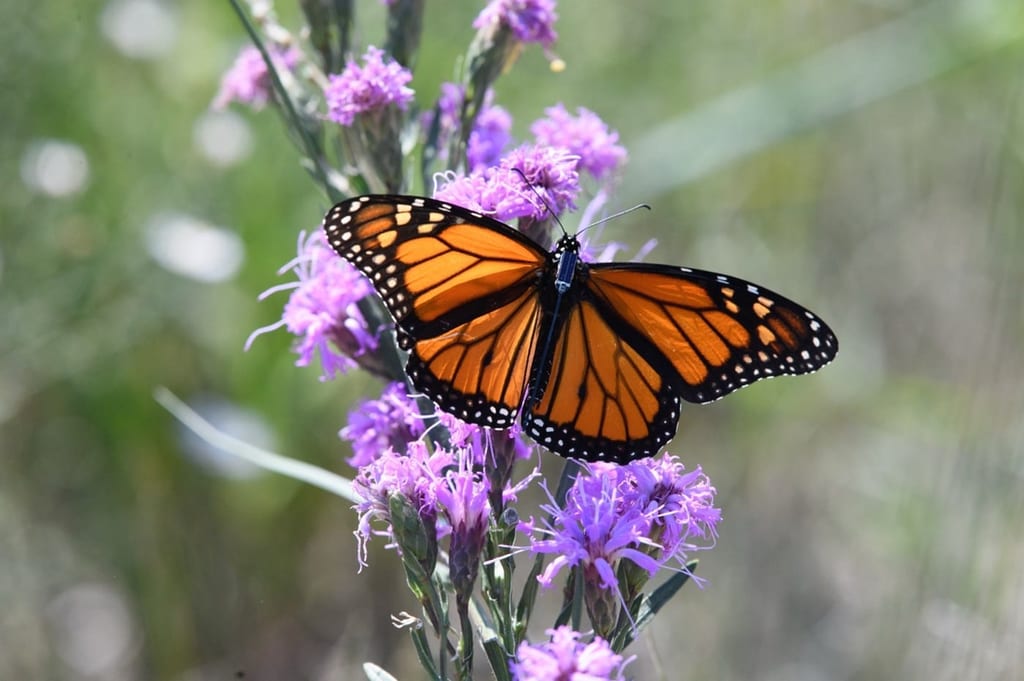
Advancing conservation: in the field with butterflies
October 6, 2025
Canada
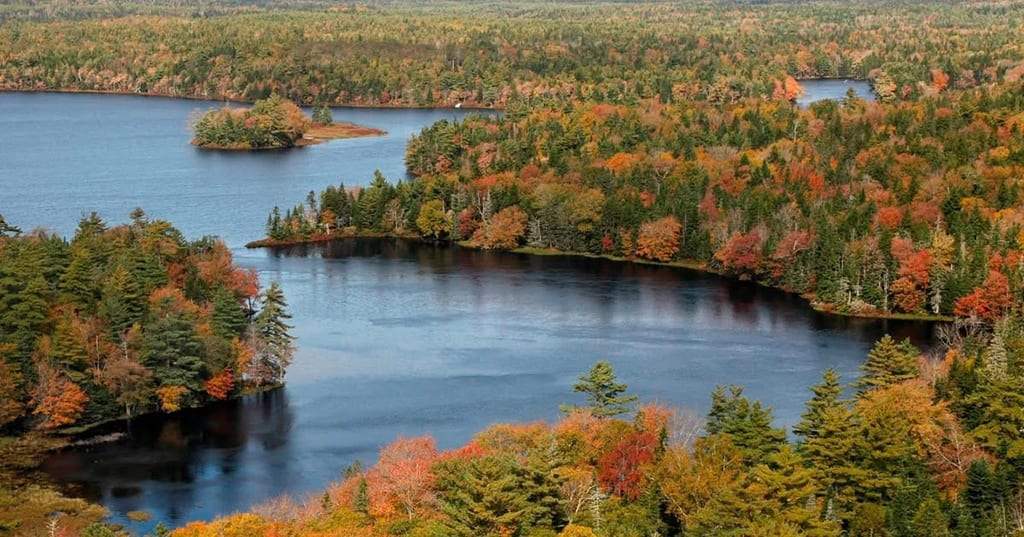
Canada’s forests: the roots of a resilient nation
September 24, 2025
Canada
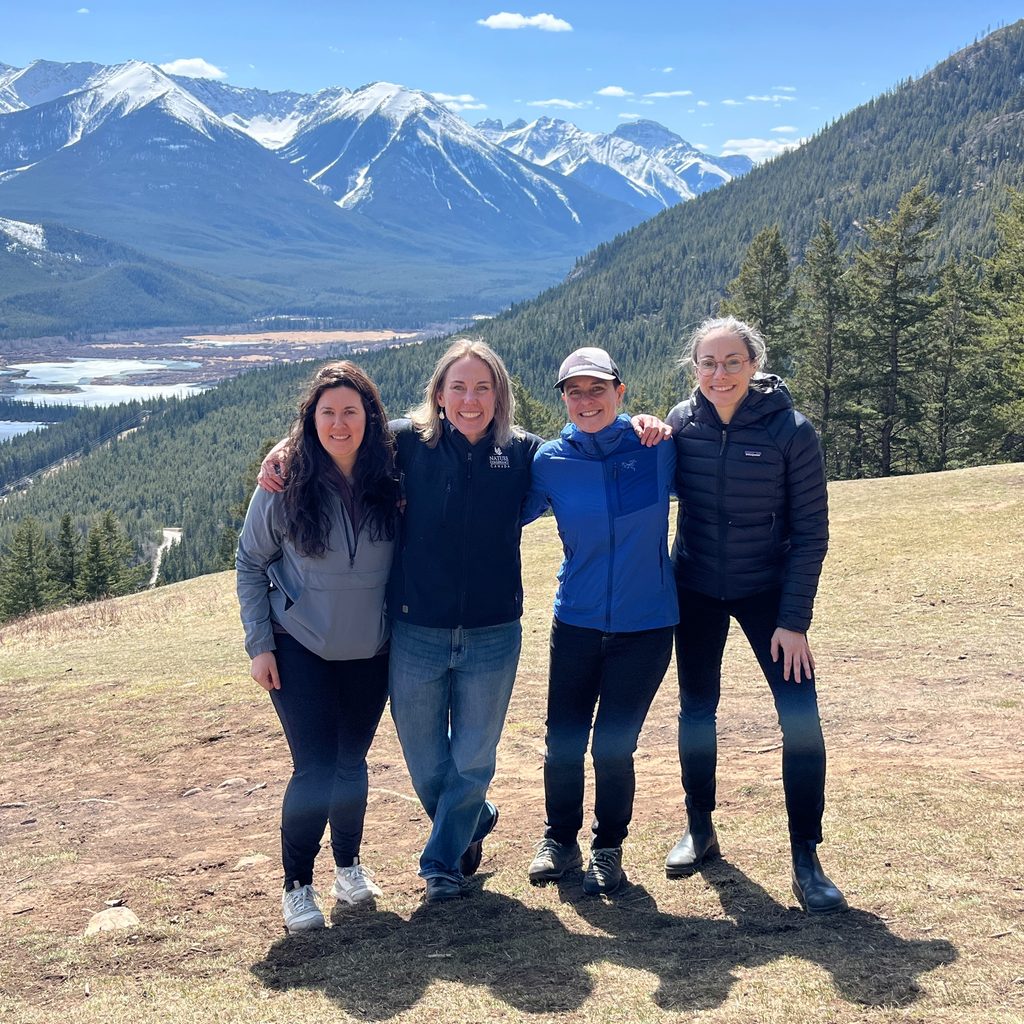
NCC shares expertise at the Canadian Ecological Connectivity Conference
July 30, 2025
Canada
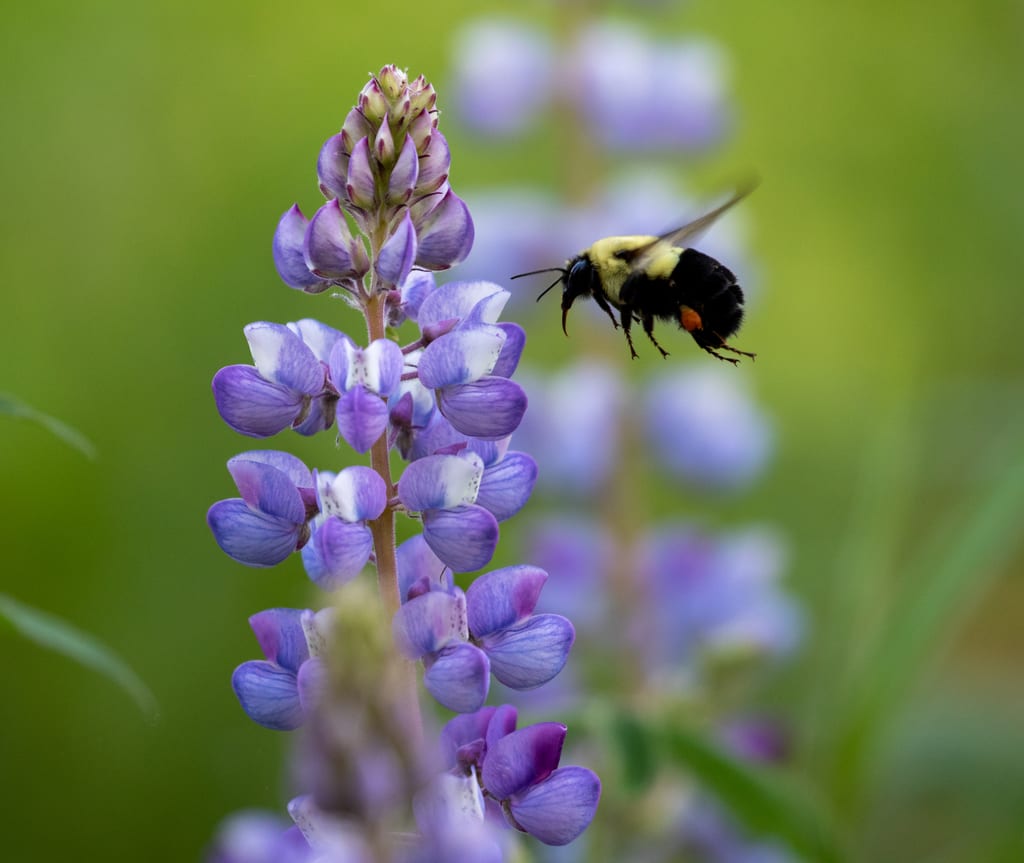
Pollinators and the future of food
June 14, 2025
Canada
Harnessing technology for conservation: A new era for Canada’s ecosystems
May 15, 2025
SK Saskatchewan
Bringing bison back to the landscape
May 1, 2025
Canada
By seed and saw
April 5, 2025