Stories
SK Saskatchewan
The sound of the prairie: Why grazing management matters
November 26, 2025
By Brielle Reidlinger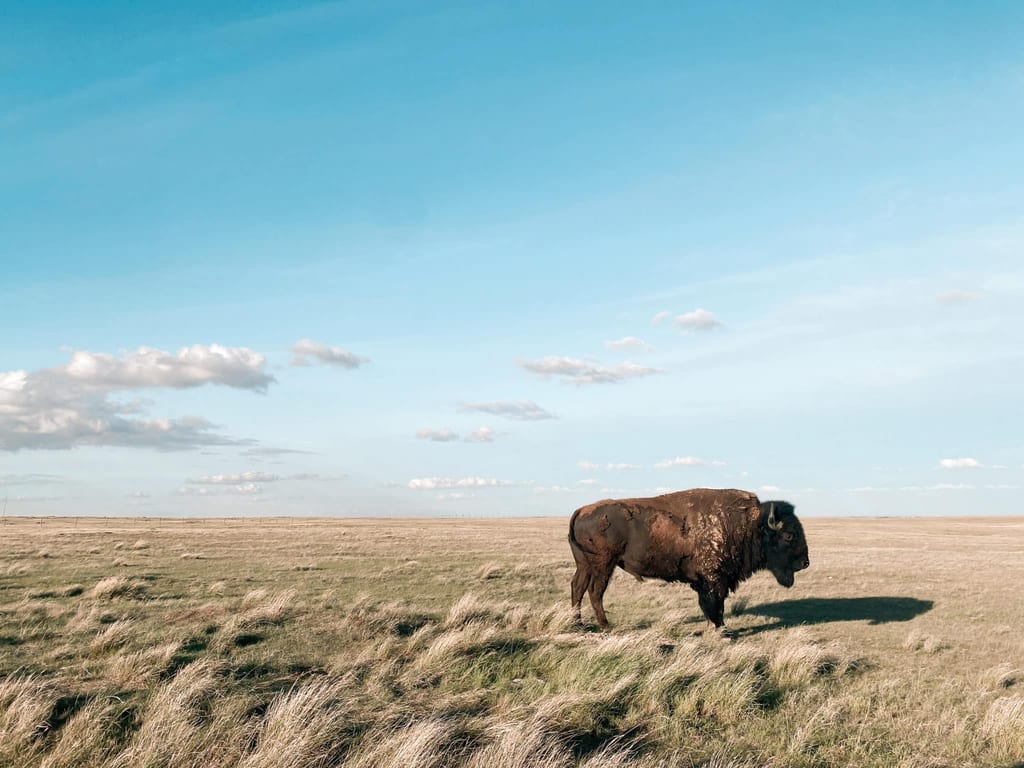
Before fences or high-intensity agriculture, bison roamed the prairie grasslands of Canada in massive herds. They didn’t graze evenly. They moved, rested and returned, shaping a mosaic of short and tall vegetation that created a living patchwork of habitats for countless species.
Today, cattle have largely taken their place. How they are managed — when they graze, how long and how heavily — determines whether the land stays diverse and resilient, or becomes uniform and unbalanced.
As part of my master’s research with the University of Saskatchewan and the Weston Family Conservation Science Fellowship Program with the Nature Conservancy of Canada (NCC), I compared how bison and cattle grazing influence grassland songbirds and vegetation in southwestern Saskatchewan at Old Man on His Back Prairie and Heritage Conservation Area. What I found was simple but powerful: the land needs variety.
The healthiest prairies and the most diverse bird communities were found where grazing created a mix of conditions across the landscape. Bison pastures supported higher numbers of Brewer’s sparrows, horned larks and vesper sparrows. Cattle pastures, on the other hand, supported more Baird’s sparrows, Sprague’s Pipits, savannah sparrows and western meadowlarks. You can learn more about my research in this video.
Where my story begins
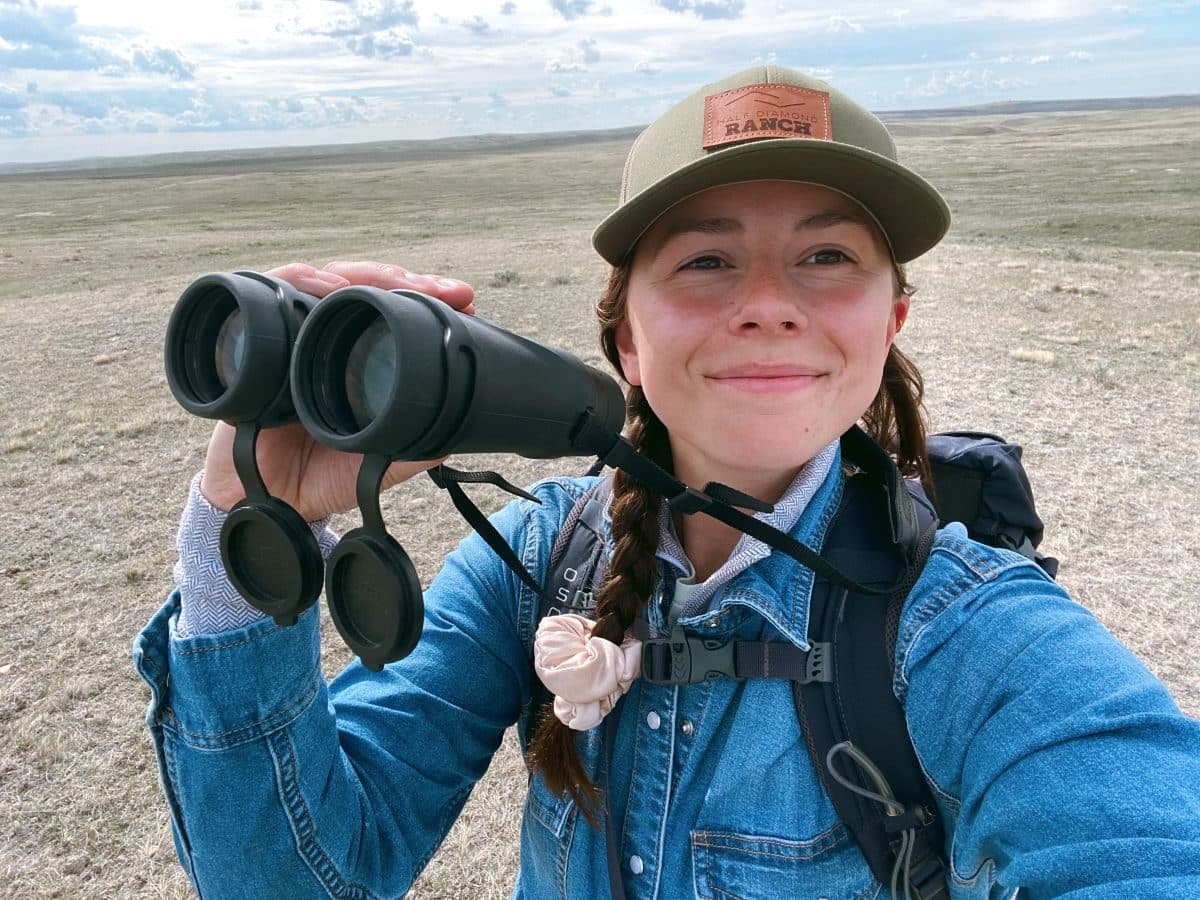
For me, it all started with the sound of the prairie and a meadowlark singing from a fencepost at dawn. That song carried me from the saddle to the science, and somewhere along the way, I realized they were telling the same story.
Outside of academia, I’m a third-generation rancher, living and working on my family’s cattle ranch. I help run the operation alongside my dad, my husband and the rest of my family — people who have spent their lives caring for this land.
By sharing what I’ve learned, bridging ranching and conservation, I hope to encourage other ranchers and land managers to see that conservation isn’t separate from what we do. It’s part of it.
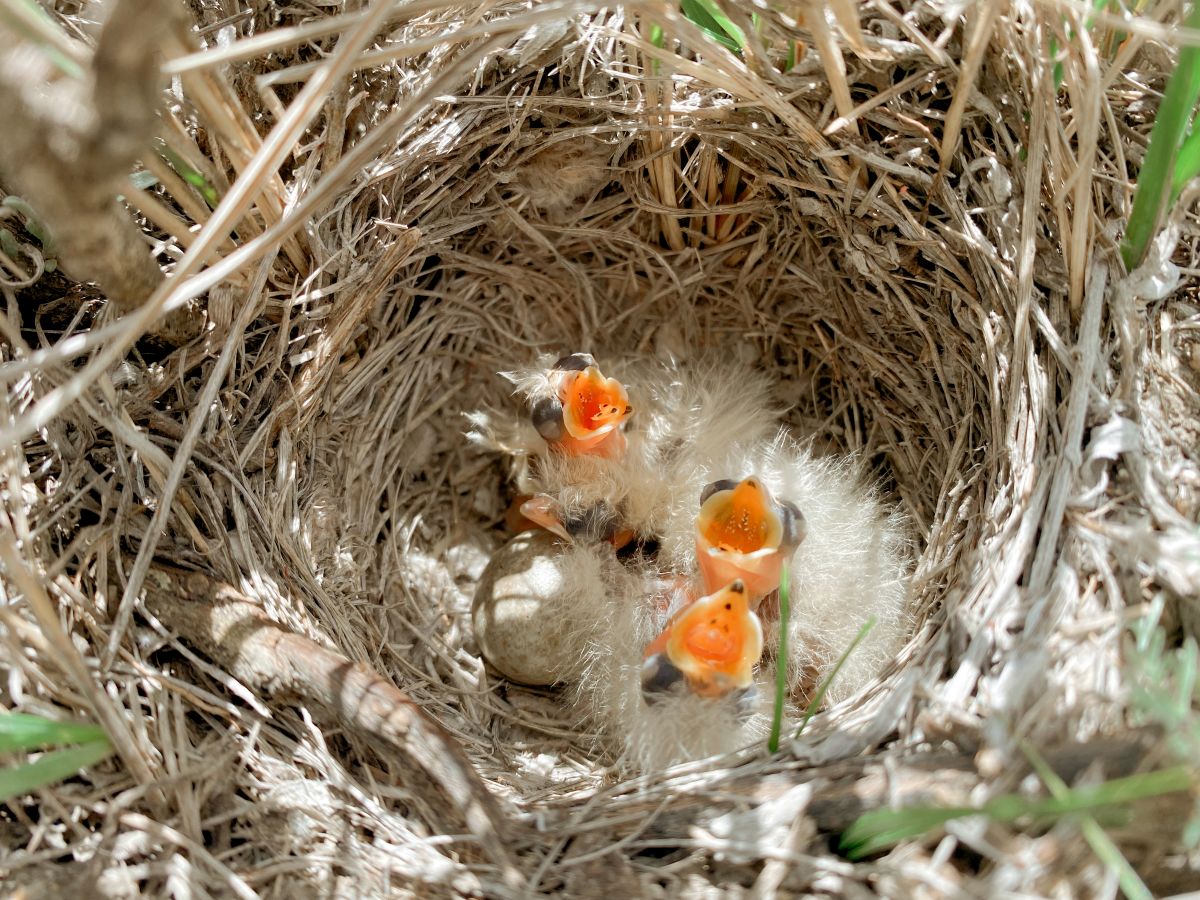
Through my research, I’ve learned that when the prairie goes quiet, it’s a sign the land is out of balance. Songbirds are nature’s messengers and their presence means healthy grass, deep roots and resilient forage. Their absence warns us that something is off.
Caring about songbirds isn’t just about the birds. When we listen, they tell us about the land we depend on.
For generations, ranchers have been stewards of these landscapes. Tradition runs deep — and rightly so. But today’s challenges are different from those our grandparents faced. Drier summers, shifting forage patterns and disappearing native prairie call for flexibility in how we manage grazing.
What we can do
- Protect native prairie: keeping native rangeland intact is one of the most powerful conservation actions a rancher can take.
- Embrace variety: vary grazing intensity, timing and rest periods across pastures. Diverse management creates diverse habitat that supports livestock and wildlife.
- Watch and listen: notice which birds are present on your land. Their presence or absence offers real feedback on how the land is functioning. Read more on this here.
- Collaborate: work with organizations like NCC, range specialists, researchers and neighbours. Share successes and lessons learned from different grazing approaches.
A shared future
Conservation and ranching aren’t competing goals. They’re partners in the same mission: to keep the prairie thriving and productive for generations to come.
When ranchers graze with nature in mind, they’re not just producing beef, they’re shaping the biodiversity, soil health and resilience of an entire ecosystem.
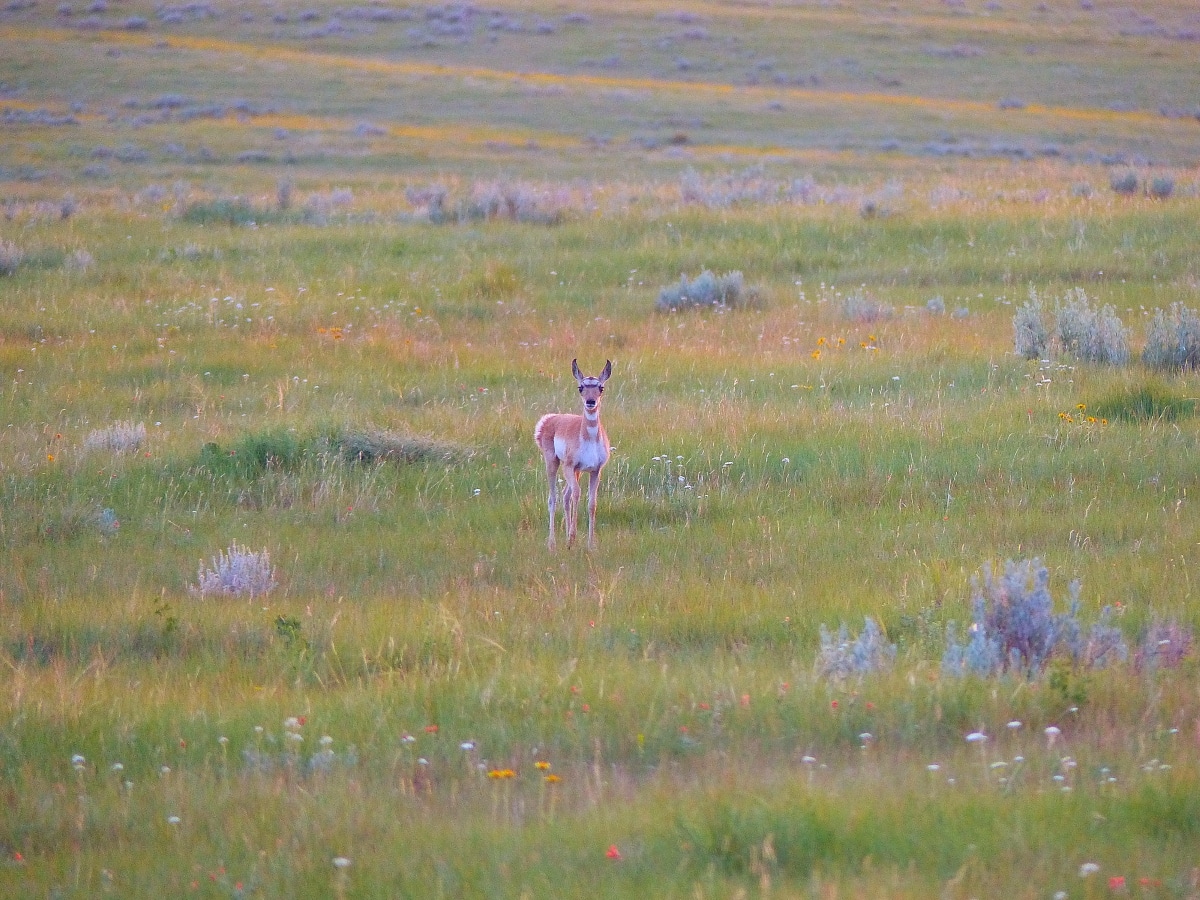
I imagine a prairie humming with life: healthy grass underfoot, a sky alive with the song of western meadowlarks and a ranching community supporting people and the land. That’s a future worth managing for.
This research was made possible through the generosity of the Weston Family Foundation, which supports the Weston Family Conservation Science Fellowship Program at the Nature Conservancy of Canada.
Add a dose of nature to your inbox
Get the latest on conservation wins, stories from the field, simple ways to help wildlife thrive, upcoming events and simple ways you can make a difference.
You might also like
Canada
Hope, insights, and awareness for invasive species management
February 26, 2026
Canada
Water is life — and it begins with land
October 6, 2025
Canada
Canada’s forests: the roots of a resilient nation
September 24, 2025
Canada
NCC shares expertise at the Canadian Ecological Connectivity Conference
July 30, 2025
Canada
Pollinators and the future of food
June 14, 2025

Canada
Harnessing technology for conservation: A new era for Canada’s ecosystems
May 15, 2025
SK Saskatchewan
Bringing bison back to the landscape
May 1, 2025
Canada
By seed and saw
April 5, 2025
Canada
We have forests to thank
October 14, 2024
Canada
Continuing conservation direction at NCC
October 8, 2024