Stories
AB Alberta
BC British Columbia
MB Manitoba
NB New Brunswick
NL Newfoundland and Labrador
NS Nova Scotia
ON Ontario
PE Prince Edward Island
QC Quebec
SK Saskatchewan
10 things you can do in the fall to maintain a healthy garden
Ten practical steps to prepare your garden for winter, support pollinators and ensure healthier plants and soil in the spring.
September 1, 2022
By NCC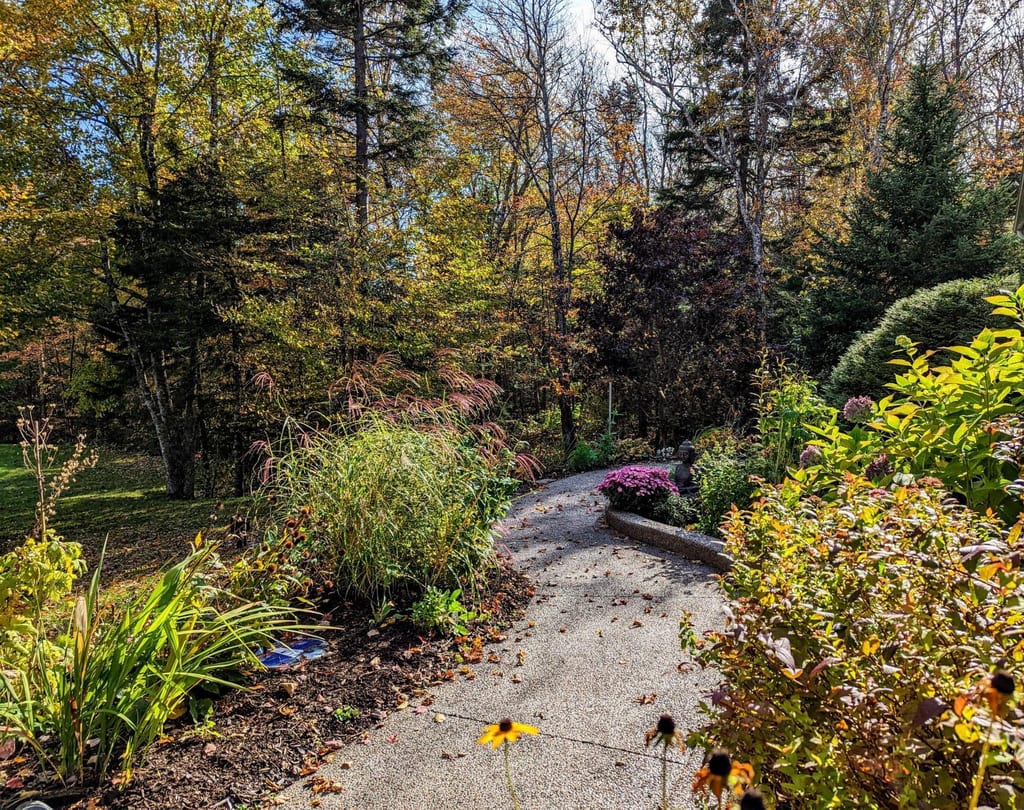
You know autumn has set in when there’s a chill in the air and the temperature steadily dips, signaling the transition from fall to winter. Fall is a great time to connect with nature in your yard and prepare your garden for the colder months ahead so you can look forward to a glorious spring garden.
Here are 10 tips for ensuring your garden is prepped for the cooler temperatures:
- Plant your spring bulbs, including tulips and daffodils. Ideally, this should be done six to eight weeks before the ground is expected to freeze. You can also sow seeds of native perennials that require cold stratification.
- It’s best to leave perennials untrimmed (if the plants are healthy) until spring after air temperatures have increased for a spring clean up. Also, some plants produce seedheads that are attractive to overwintering birds and these can be left standing until early spring, at which time they can be pruned back.
- Get rid of any diseased foliage from infected plants. If left alone or composted, they can harbour a new outbreak next year.
- Divide dormant perennials that have become too large or numerous. These can be shared with friends or planted in other areas of the garden. Make sure new plants are well mulched to minimize frost heave.
- Fall is a great time to plant, so continue adding to your garden. In early fall, the ground is still warm and many plants are still actively growing roots.
- Water needle-leaved conifers (like pines, firs, spruces and cedars) and broad-leaved evergreens (such as rhododendrons) well into the fall. This ensures that they will be well hydrated before the ground freezes.
- If possible, leave the leaves on your lawn, as well as old brush piles or plant stalks. Pollinators and other wildlife can use them for shelter over the winter. If you do rake them, put them in your gardens where they can help to enrich the soil and provide habitat. Where walnut trees occur, do not add their leaves to the garden or compost, as they contain a chemical that can kill or diminish the growth of many plants (including a number of vegetable plants).
- Stake young and newly planted trees. Fall can produce some blustery weather in most parts of Canada and staking will help prevent damage from high winds or heavy wet snow, which can occur later in the season.
- Mulch garden beds to retain moisture and to protect your plants from rapid fluctuations in temperature. Fall is a good time to spread compost over the vegetable garden so that it is ready to be worked into the soil come spring.
- Don’t forget to fill up the birdfeeder when the weather is colder and sanitize it every two weeks to minimize the spread of disease.
Add a dose of nature to your inbox
Get the latest on conservation wins, stories from the field, simple ways to help wildlife thrive, upcoming events and simple ways you can make a difference.
You might also like
AB Alberta
Amping up grassland restoration with fungi
March 31, 2026
Canada
Hope, insights, and awareness for invasive species management
February 26, 2026
SK Saskatchewan
The sound of the prairie: Why grazing management matters
November 26, 2025
ON Ontario
Advancing conservation: in the field with butterflies
October 6, 2025
Canada
Water is life — and it begins with land
October 6, 2025
Canada
Canada’s forests: the roots of a resilient nation
September 24, 2025

Canada
NCC shares expertise at the Canadian Ecological Connectivity Conference
July 30, 2025
Canada
Pollinators and the future of food
June 14, 2025
Canada
Harnessing technology for conservation: A new era for Canada’s ecosystems
May 15, 2025
SK Saskatchewan
Bringing bison back to the landscape
May 1, 2025