Stories
AB Alberta
BC British Columbia
MB Manitoba
NB New Brunswick
NL Newfoundland and Labrador
NS Nova Scotia
ON Ontario
PE Prince Edward Island
QC Quebec
SK Saskatchewan
Continuing conservation direction at NCC
NCC advances inclusive, data-driven conservation to protect landscapes and biodiversity across Canada.
October 8, 2024
By Lisa McLaughlin
We’re lucky to live in a country with such rich and diverse landscapes from coast to coast to coast. And while the Nature Conservancy of Canada (NCC) and many other Canadian conservation organizations stand out on the world stage as global innovators, there is still room for improvement. Continued connection building, combined with investment from governments, increased private investment and more collaboration on the ground, is needed to support tangible actions, such as land stewardship, resiliency research and community conservation education to continue to drive conservation action into the future.
On postcards, Canada is home to sprawling forests and never-ending coastlines, but since European settlement, the country has lost more than 80 per cent of its Prairie grasslands, 80 per cent of its Carolinian forest and over 80 per cent of its wetlands in and around urban areas. Other areas of our natural spaces in Canada have been altered by infrastructure, urban settlements, intensive natural resource development. The impacts of habitat loss and fragmentation, biodiversity loss and accelerated climate change, as well as more frequent and intense weather events, are having a catastrophic effect on people and nature. Impactful conservation actions are critical to halting and reversing these losses. That’s why nature conservation matters now more than ever.
NCC has always been committed to using the best available data to inform our work, but our approach has evolved over time. Today, we have access to large and complex data sets and very sophisticated analysis tools to support our decision-making. We can combine a wide variety of factors that help us identify the optimal places to work across whole landscapes, so nature and people can flourish. This enables us to identify enough connected, quality habitats across landscapes so that all native species and ecological functions can continue to persist today and thrive into the future.
We also recognize that for nature and people to truly thrive into the future, we need an inclusive, landscape-wide approach that takes into account how communities depend on nature, and how habitats and species depend on each other. We also need to continue to foster relationships, which can be difficult to build and maintain. Accountability and collective dialogue are, therefore, paramount.
To be effective in our work, NCC builds strong relationships with the people who work, live and govern in Canada and abroad. The pace of the climate change and biodiversity loss crises means we need to do more, faster, to accelerate the pace of our work. For us, that can only happen when we have ambitious partners at the table. Because we know nature is part of the solution to addressing most of the world’s most pressing issues: providing clean water, food security, lessening the risk of extreme weather events, supporting social connection and mental health, and solving environmental problems.
As we look ahead to the future and the new direction of conservation, we must also acknowledge how Canada’s past conservation efforts have contributed to the disenfranchisement of Indigenous communities. Recognizing this history — and the ongoing impacts of a colonial approach to conservation — means committing to a new way of defining conservation successes and better practices of engaging with Indigenous communities through humility and an open mind. Although we are at the beginning of our Reconciliation efforts, NCC is committed to moving toward inclusive and effective conservation practices, reciprocal learning with Indigenous Nations and communities, and working together for better outcomes for people and culture.
When I consider the future of conservation, I am confident that NCC is positioned to help strengthen and support nature’s ability to withstand, recover and adapt to change.
NCC’s history of success sets us apart in the conservation landscape. NCC is an agile solutions-provider, bringing together diverse individuals, governments, Indigenous Nations and communities, municipalities and organizations to find common ground that benefits conservation efforts presently and for the long term.
Our ability to bring together diverse stakeholders and communities to build resilient landscapes will continue to play a crucial role in the future direction of conservation in Canada. By learning from global examples and acknowledging past mistakes, we can contribute to efforts to help to solve the dual crises of biodiversity loss and climate change. Canada can continue to evolve and strengthen its conservation efforts for the benefit of both people and nature. Because nature makes it possible.
Follow us on LinkedIn and join the conversation!
Lisa McLaughlin
Lisa McLaughlin is responsible for advancing conservation outcomes and organizational goals through innovative partnerships that implement practical solutions for landscape resilience for nature and people.
Add a dose of nature to your inbox
Get the latest on conservation wins, stories from the field, simple ways to help wildlife thrive, upcoming events and simple ways you can make a difference.
You might also like
AB Alberta
Amping up grassland restoration with fungi
March 31, 2026
Canada
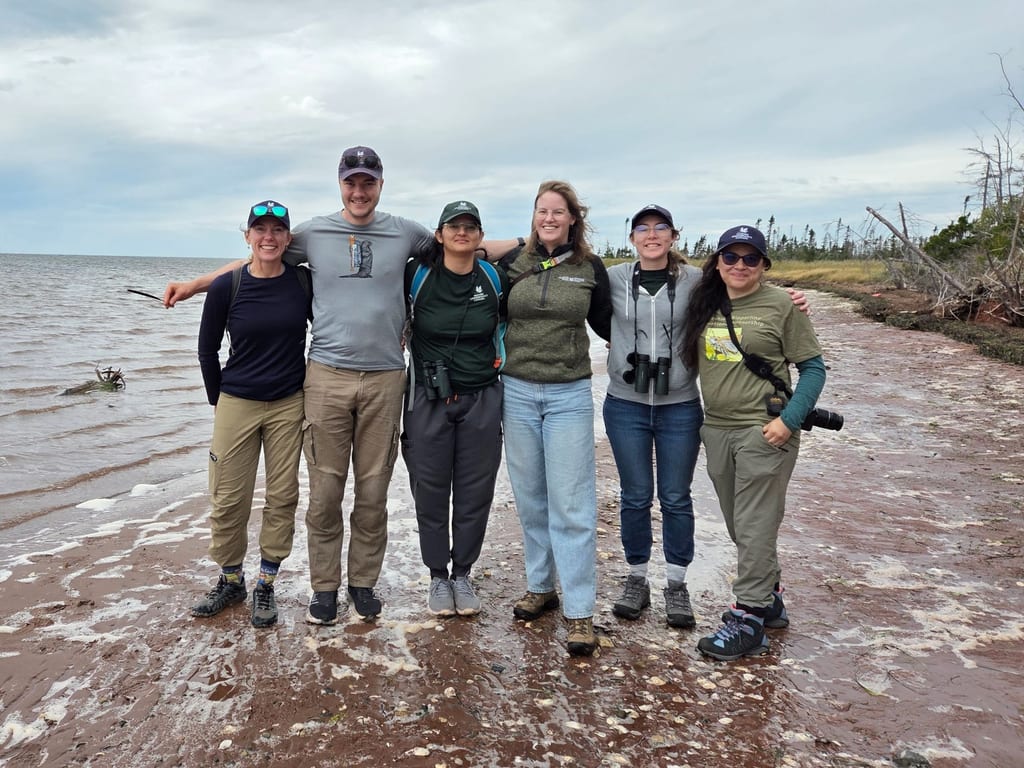
Hope, insights, and awareness for invasive species management
February 26, 2026
SK Saskatchewan
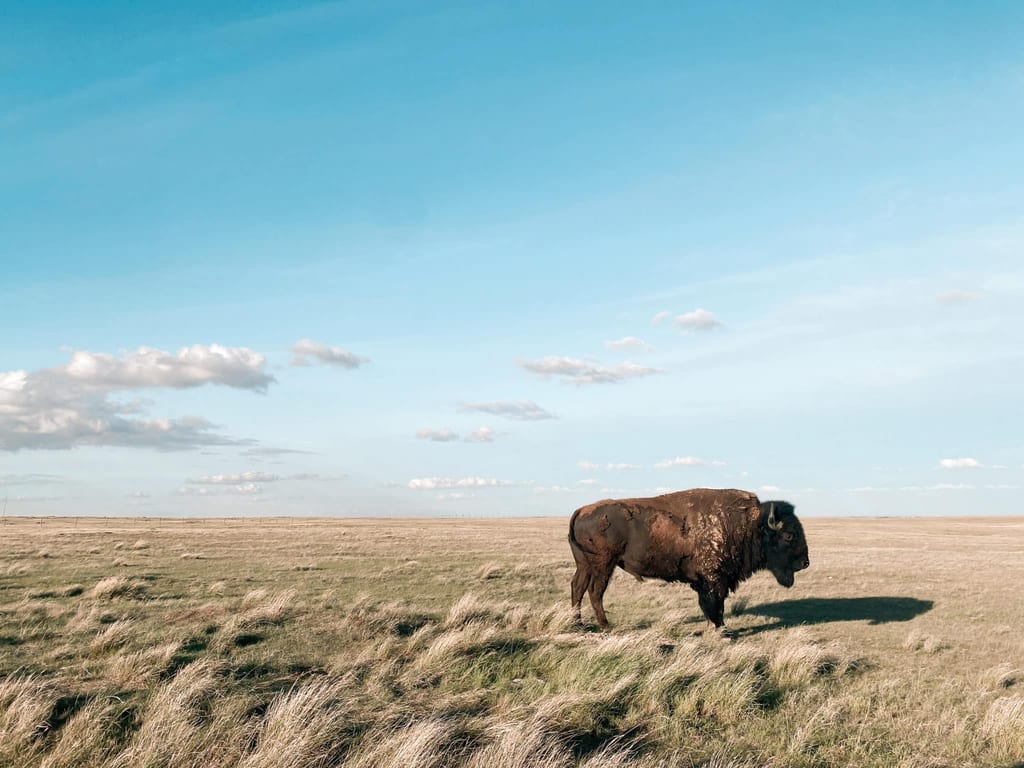
The sound of the prairie: Why grazing management matters
November 26, 2025
ON Ontario
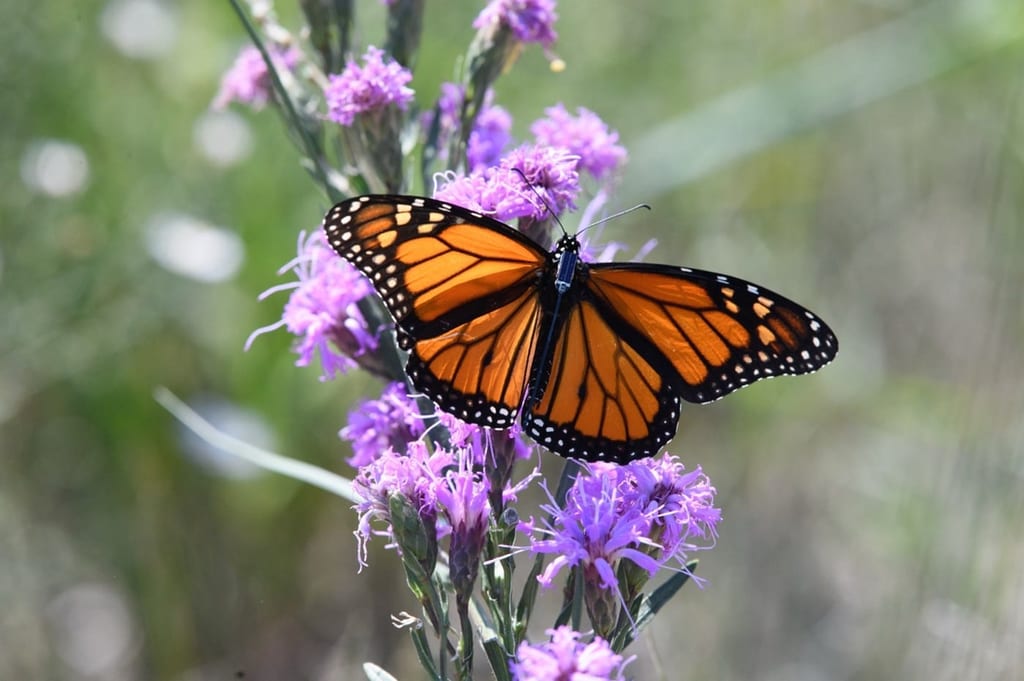
Advancing conservation: in the field with butterflies
October 6, 2025
Canada
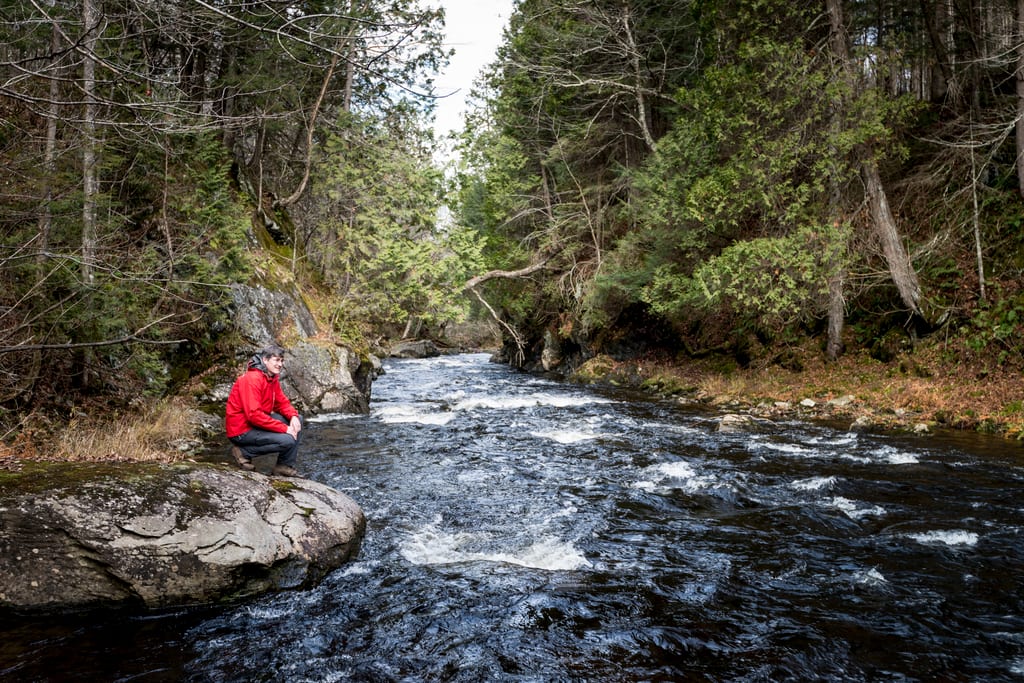
Water is life — and it begins with land
October 6, 2025
Canada
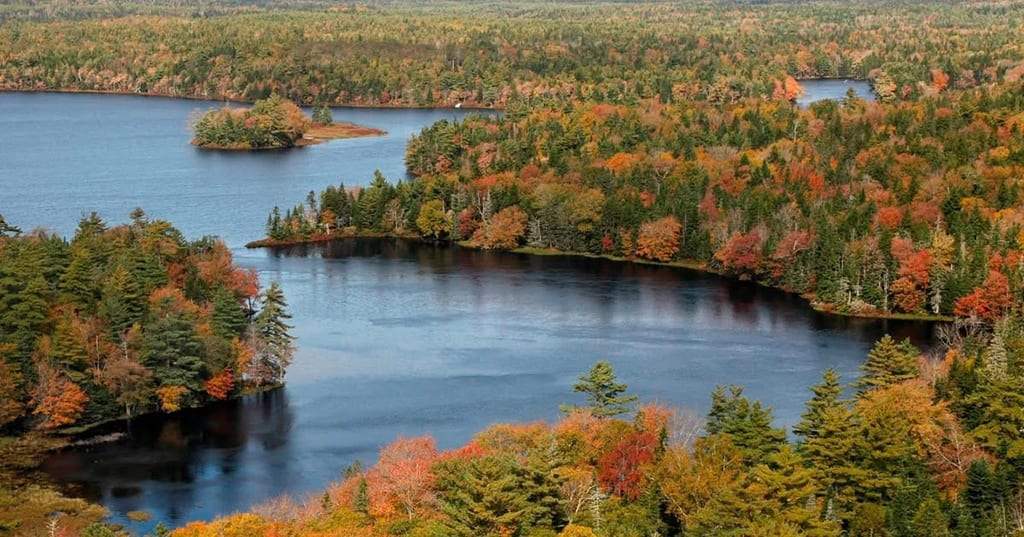
Canada’s forests: the roots of a resilient nation
September 24, 2025
Canada
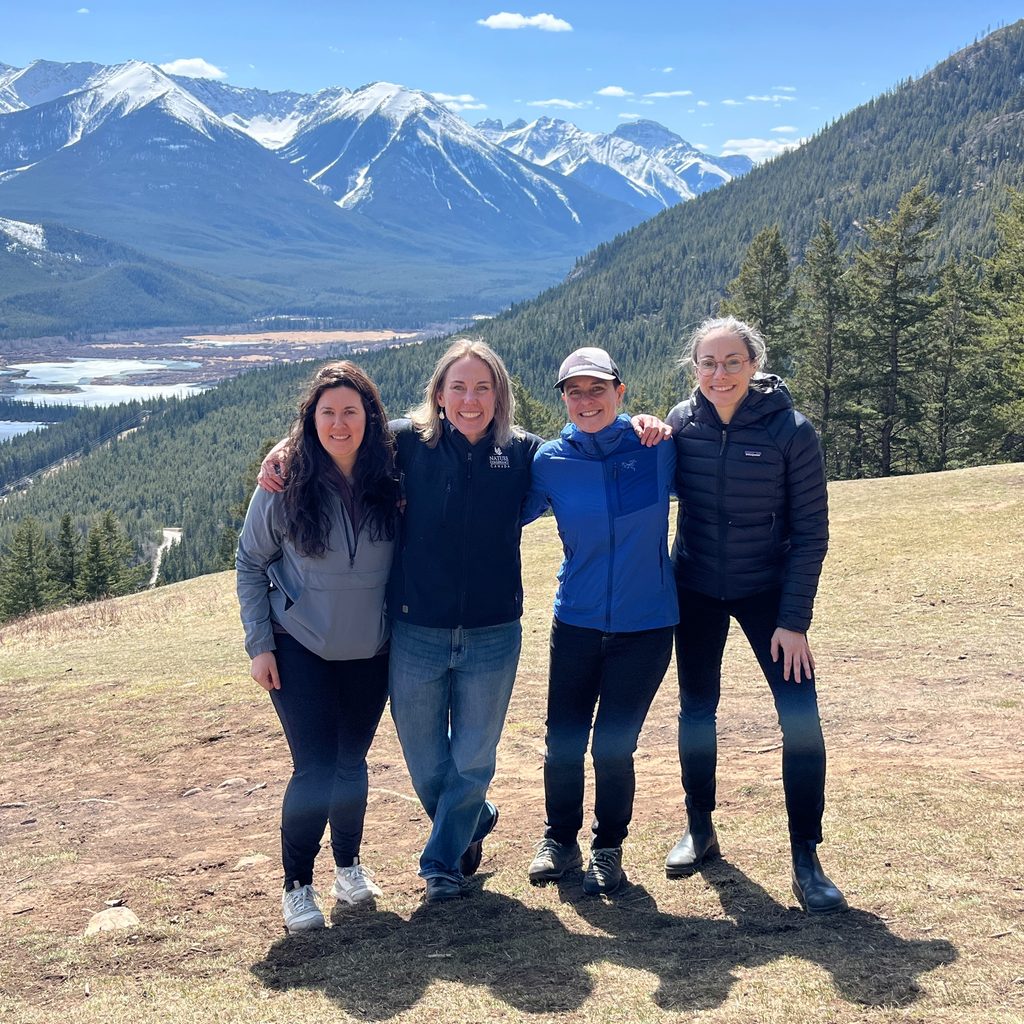
NCC shares expertise at the Canadian Ecological Connectivity Conference
July 30, 2025
Canada
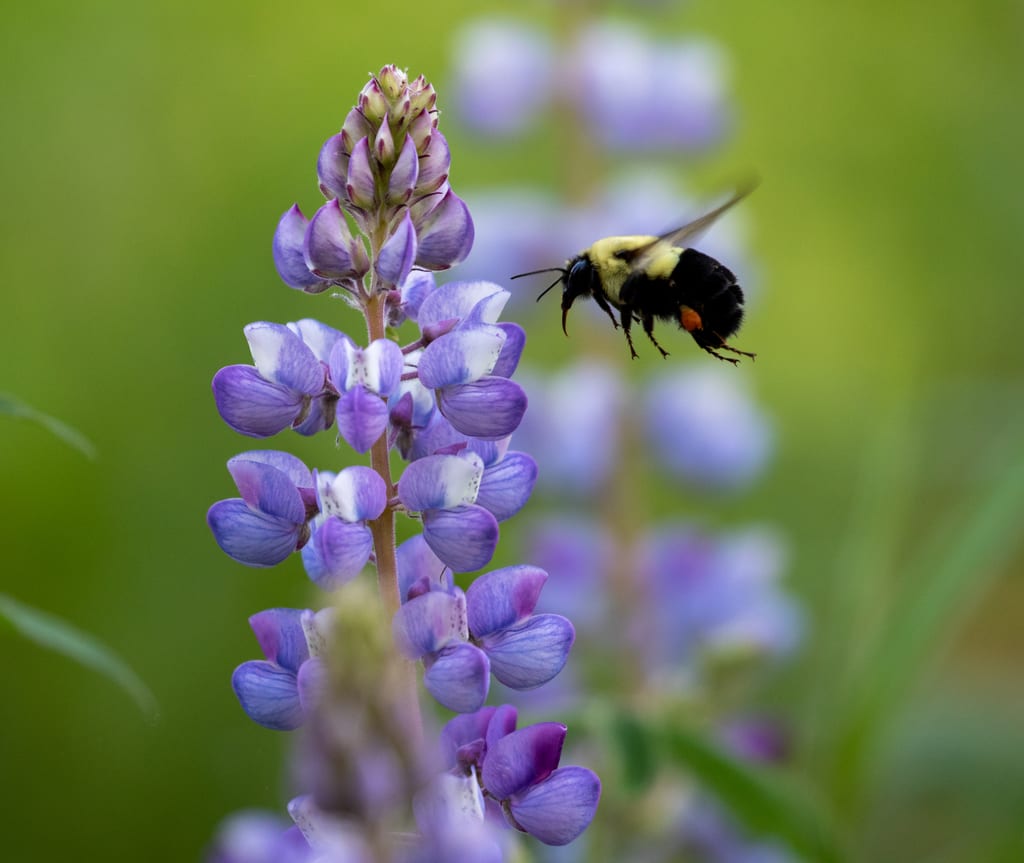
Pollinators and the future of food
June 14, 2025

Canada
Harnessing technology for conservation: A new era for Canada’s ecosystems
May 15, 2025
SK Saskatchewan
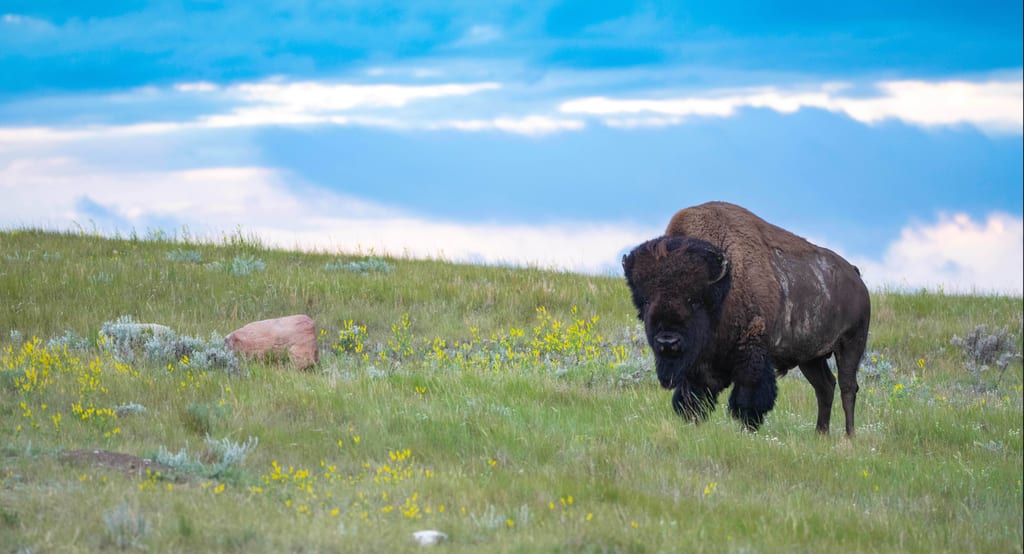
Bringing bison back to the landscape
May 1, 2025