Stories
Q&A with Mike Paterson: A quarter century of support
October 23, 2026

Manitoba Ambassador Mike Paterson discusses what attracted him to NCC, what keeps him involved and the power of matching pledges.
Tell me about your day job.
I’m a research scientist at the International Institute for Sustainable Development Experimental Lakes Area or ELA, [where] we do research on the effects of human activities on freshwater. [Research at ELA] has brought about a lot of changes in regulations, best practices, and the way we deal with many environmental issues. So that’s very, very satisfying.
How did you get involved with NCC?
I think it was 2000. At that time, the NCC was moving to a regional model. Jim Richardson was the first chair of the Manitoba region, and I got a call from him asking me if I would be interested in joining the regional board.
Since then, I have been on and off the Manitoba board. I’ve co-chaired it twice, and I’ve been on the national board for at least nine years at different points of time.
What kept you engaged for that length of time?
I’m a very strong believer that appropriate management of the environment is critical to our long-term survival [and] our quality of life.
I’m especially attracted to the NCC because I feel that it provides a clear path on how to do that. The number one cause of environmental degradation is loss of habitat. So I think it’s critical that we protect land.
The organization has evolved a fair bit over the past quarter-century. What do you think have been the significant developments?
The NCC has become much more professional in the way it goes about identifying lands to protect and ways to protect it for maximum benefit.
In the early days, we had this big map of Manitoba, and it had little squares on it for lands that we had either put easements on or purchased. All these years later, I look at those maps, and the amount of land that we’re impacting has increased enormously.
It’s well recognized that the bigger the chunks you can protect, the more impact they’re going to have. This can only be done with an organization that has significant resources — and NCC does.
On the topic of resources, you received the Outstanding Volunteer Fundraiser Award from the Association of Fundraising Professionals’ Manitoba chapter last year.
Yes, and it was NCC that nominated me. I am not sure that I deserved to be nominated, and it never crossed my mind that I would actually win.
I’ve never seen fundraising as one of my strengths, but I do what I can to help. Whatever I know I’ve learned from my wife, Gail Asper, who is a consummate fundraiser. She’s helped to raise literally hundreds of millions of dollars for various causes over the years.
You’ve also donated to NCC yourself, including a matching pledge for Giving Tuesday. Can you speak about the impact of that?
With a lot of the causes that Gail and I support, we often give money as matching money. I’ve found that a lot of donors respond to that. I have been told by many people that they donated to NCC because we had agreed to match their funds.
Do you have a philosophy of giving that guides you?
Ultimately, I’m looking for causes that I feel will make a difference. When it comes to the protection of biodiversity in Canada and around the world, the amount of resources needed are absolutely massive. There’s no way that those goals can all be accomplished by the NCC alone. [But] the NCC occupies a kind of unique niche because it can acquire private land, [and] there is a victory in each protected property.

You might also like
AB Alberta
Amping up grassland restoration with fungi
March 31, 2026
Canada
Hope, insights, and awareness for invasive species management
February 26, 2026
SK Saskatchewan
The sound of the prairie: Why grazing management matters
November 26, 2025
ON Ontario
Advancing conservation: in the field with butterflies
October 6, 2025
Canada
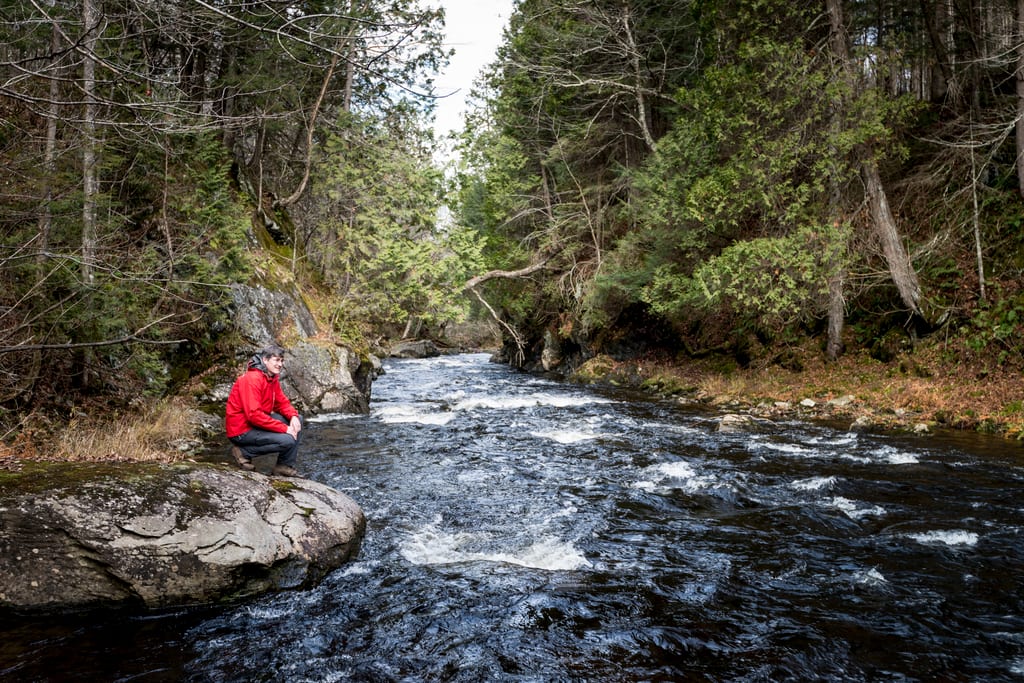
Water is life — and it begins with land
October 6, 2025
Canada
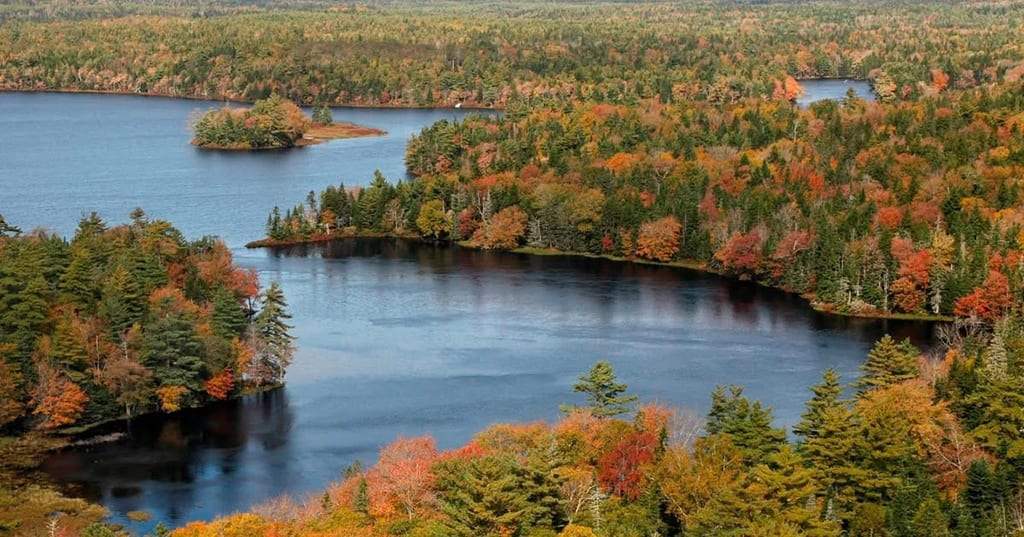
Canada’s forests: the roots of a resilient nation
September 24, 2025
Canada
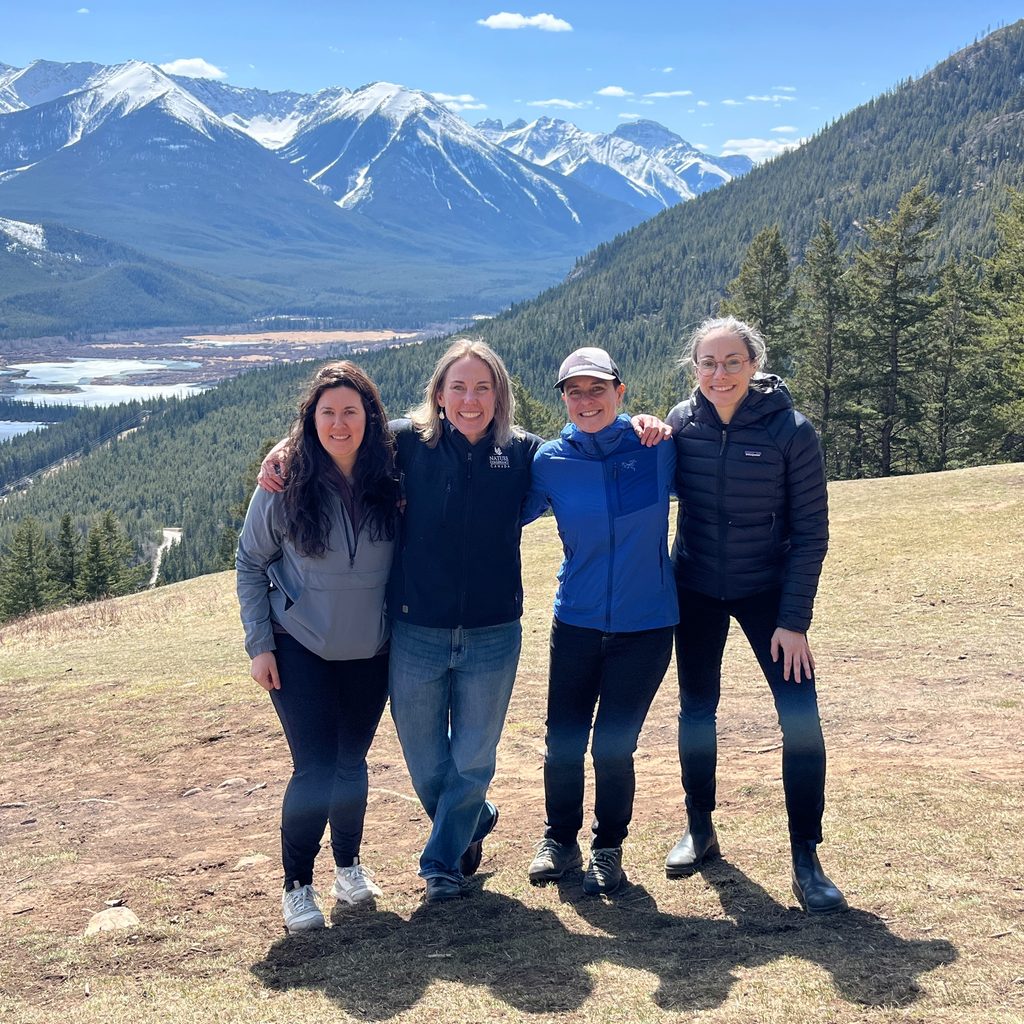
NCC shares expertise at the Canadian Ecological Connectivity Conference
July 30, 2025
Canada
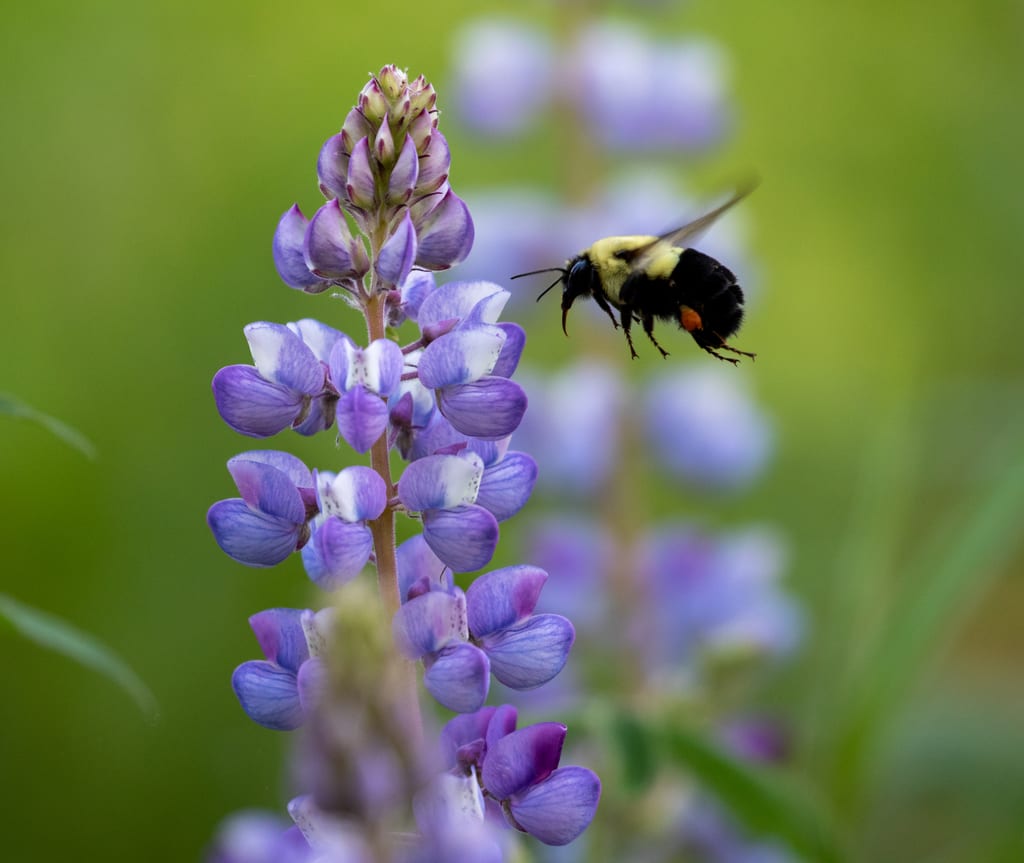
Pollinators and the future of food
June 14, 2025
Canada
Harnessing technology for conservation: A new era for Canada’s ecosystems
May 15, 2025
SK Saskatchewan
Bringing bison back to the landscape
May 1, 2025