Stories
Scaling our conservation model
October 23, 2026
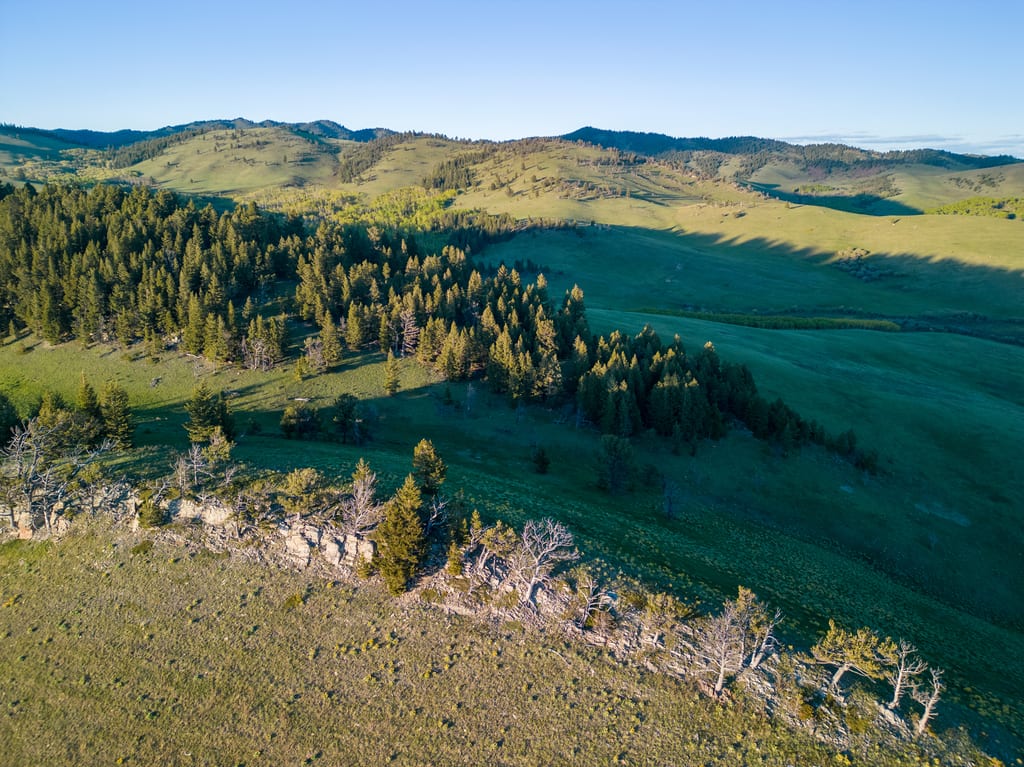
Over more than 60 years, we have worked together to conserve land roughly equivalent to the size of the United Kingdom. And yet, Canada could hold more than 40 times of the size of the U.K.
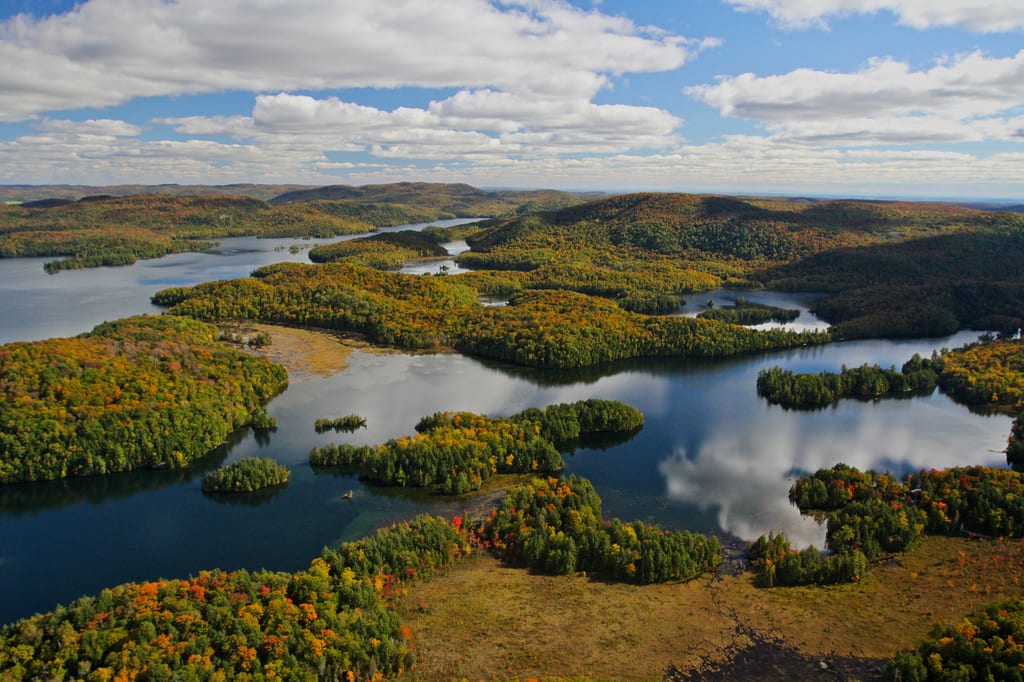
The scale of NCC’s ambition is defined by the scale of the problem. How we protect nature in Canada needs to reflect how nature operates — across entire ecosystems and regions, not just in isolated pockets, and preventing problems before they start. This is exactly why NCC continues to build on its core conservation model to work more strategically across connected landscapes.
From protecting individual sites to strengthening entire landscapes
Traditionally, NCC explained its impacts through the lens of specific properties, hectares protected or species conserved. Today, our conservation direction starts with a different question: what do landscapes need to remain resilient over the long term?
This evolution has led NCC to think more about climate adaptation, cumulative effects and the need for partnerships with diverse rights holders, landowners and operators. Connectivity has become a central objective — particularly as ecological networks and corridors become increasingly important for species and ecosystems contending with habitat destruction, degradation and fragmentation. Success for NCC is no longer simply owning and protecting land; success is ensuring that landscapes keep functioning over the long term.
More data-driven decisions
To make strategic conservation decisions, NCC is leaning more heavily on conservation technologies, such as our Where to Work, What to Do and Landscape Resilience tools. Instead of evaluating projects one at a time, NCC is increasingly using national-scale datasets, modelling and landscape assessments to direct resources where they will produce the greatest long-term benefits. We also draw on internal and external expertise, ensuring that our methods and results are scrutinized by other experts and made available so everyone can learn.
The need for flexible funding
To continue advancing this approach, NCC must move beyond property-specific appeals. By increasing understanding about the importance of landscape-level resilience, we aim to attract flexible investments that can be applied wherever and whenever the opportunity for impact is greatest. This may mean land acquisition, but it could also mean directing funding at stewardship, restoration and management activities specifically designed to improve ecological function, along with monitoring and research that test what is working.
As NCC Ambassadors, our greatest advocates, we invite you to embrace this evolving narrative as you engage with your networks and introduce NCC and our work.
You might also like
AB Alberta
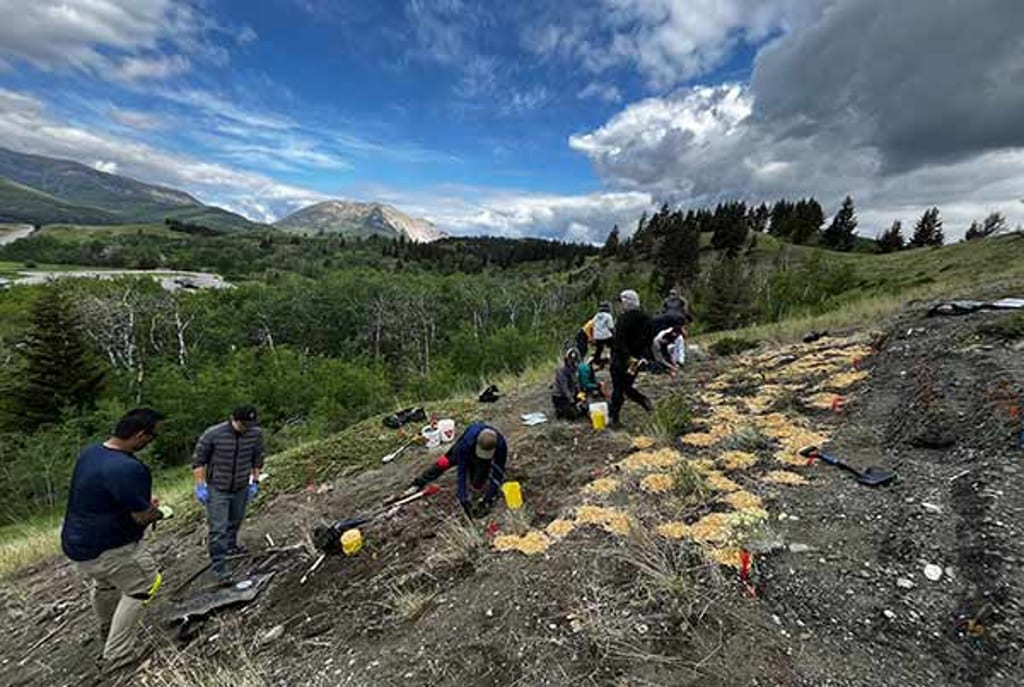
Amping up grassland restoration with fungi
March 31, 2026
Canada
Hope, insights, and awareness for invasive species management
February 26, 2026

SK Saskatchewan
The sound of the prairie: Why grazing management matters
November 26, 2025

ON Ontario
Advancing conservation: in the field with butterflies
October 6, 2025
Canada
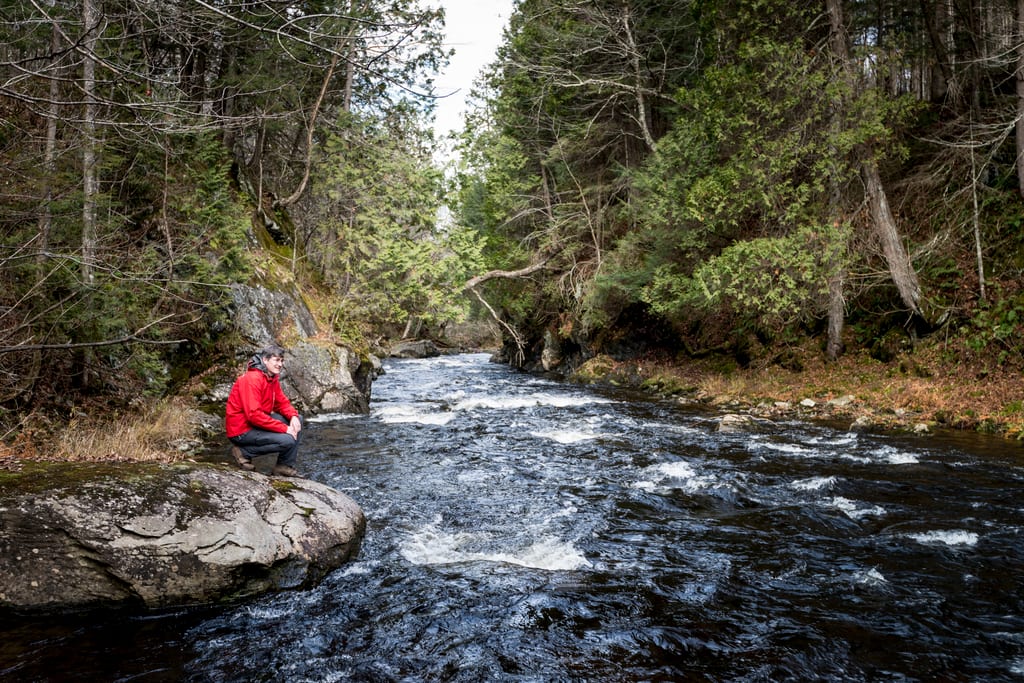
Water is life — and it begins with land
October 6, 2025
Canada
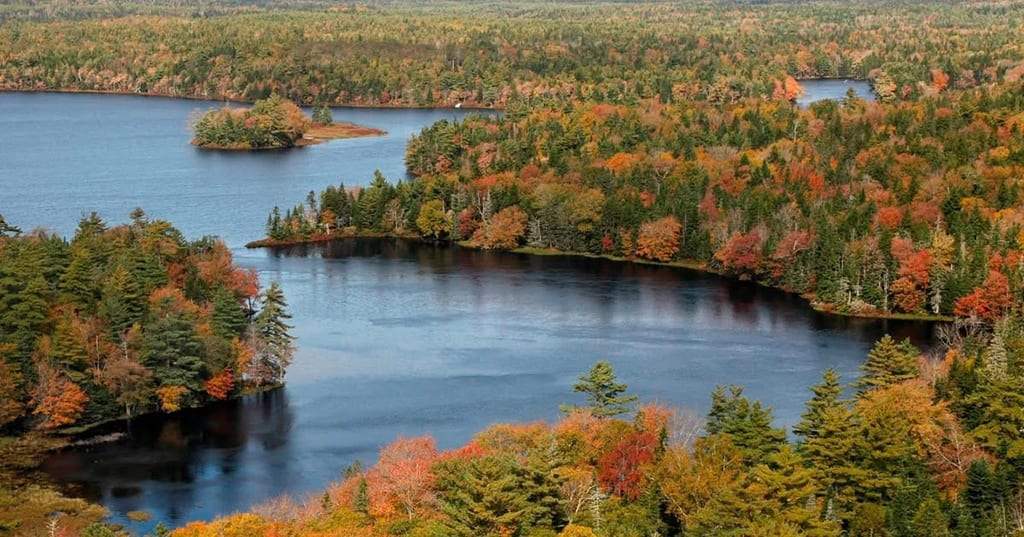
Canada’s forests: the roots of a resilient nation
September 24, 2025
Canada
NCC shares expertise at the Canadian Ecological Connectivity Conference
July 30, 2025

Canada
Pollinators and the future of food
June 14, 2025

Canada
Harnessing technology for conservation: A new era for Canada’s ecosystems
May 15, 2025

SK Saskatchewan
Bringing bison back to the landscape
May 1, 2025