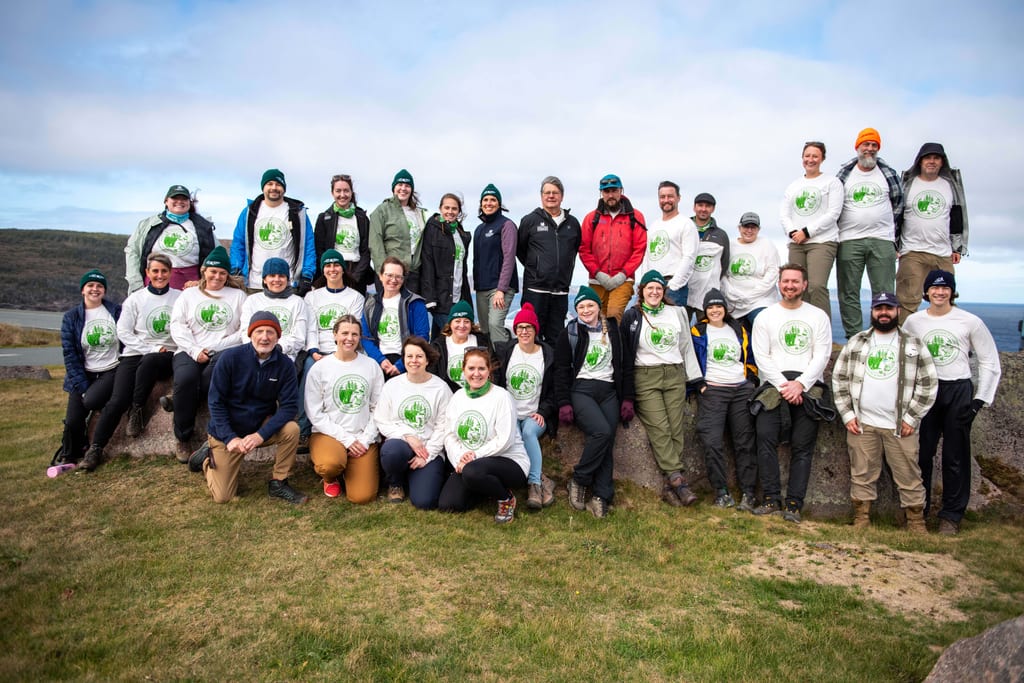
Nova Scotia
Active projects
69
Species-at-risk protected
40
Hectares conserved
20,100
Nova Scotia at a Glance
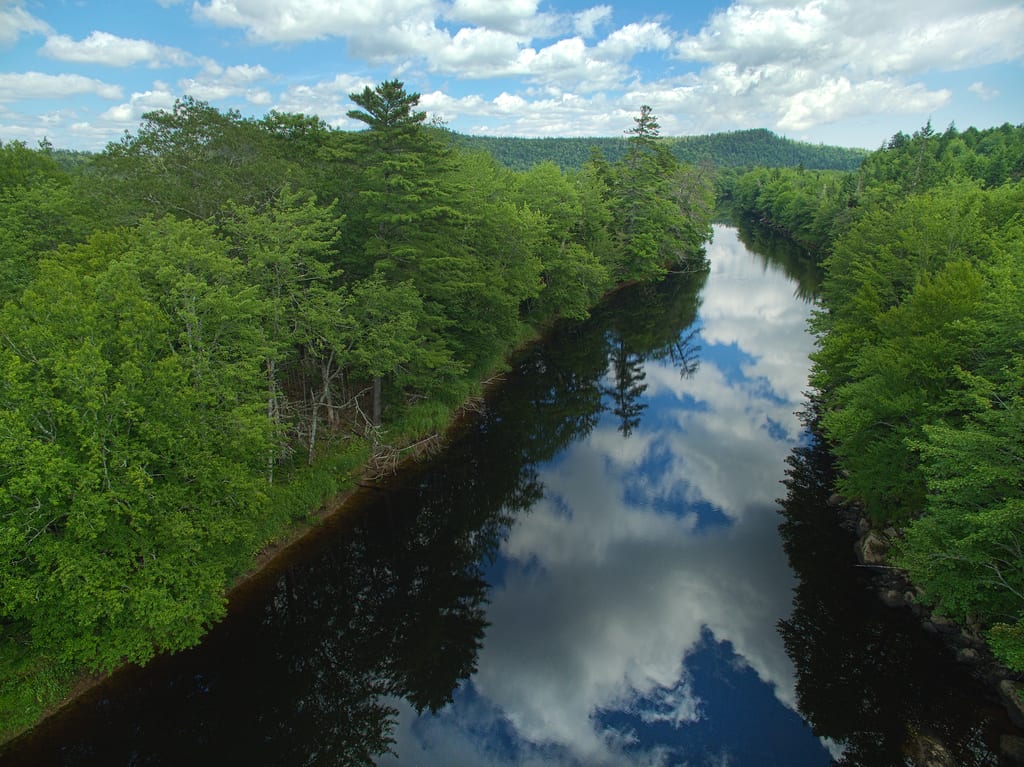
Since 1971, we have been protecting the landscapes that make Nova Scotia special, from rare Wabanaki (Acadian) forests to the 13,000 kilometres of coastline that shape the province. Together, we can protect the natural places that define Nova Scotia and create a healthier future for wildlife and communities.
- Working together: We collaborate with partners to care for Nova Scotia’s natural areas. From co-managing existing trails to sharing the land, these partnerships bring together Indigenous Knowledge, local community insights and conservation expertise to protect, restore and steward these special places.
- Scale of protection: We protect more than 20,000 hectares across the province, ensuring the plants and animals that live there can thrive while sustaining the natural systems that surrounding communities depend on.
- Species at risk: We protect habitat for species at risk, including the endangered Nova Scotia mainland moose, eastern mountain avens and olive-sided flycatchers.
- Critical ecosystems: From Wabanaki (Acadian) forests to freshwater wetlands and saltwater coastlines, Nova Scotia is home to a diverse array of ecosystems that sustain wildlife and communities. By focusing our work on priority areas such as Kespukwitk (Southwest Nova Scotia), which is home to the majority of species at risk in Nova Scotia, we are protecting local biodiversity and building a more resilient future for the province.
Creating lasting impact in Nova Scotia
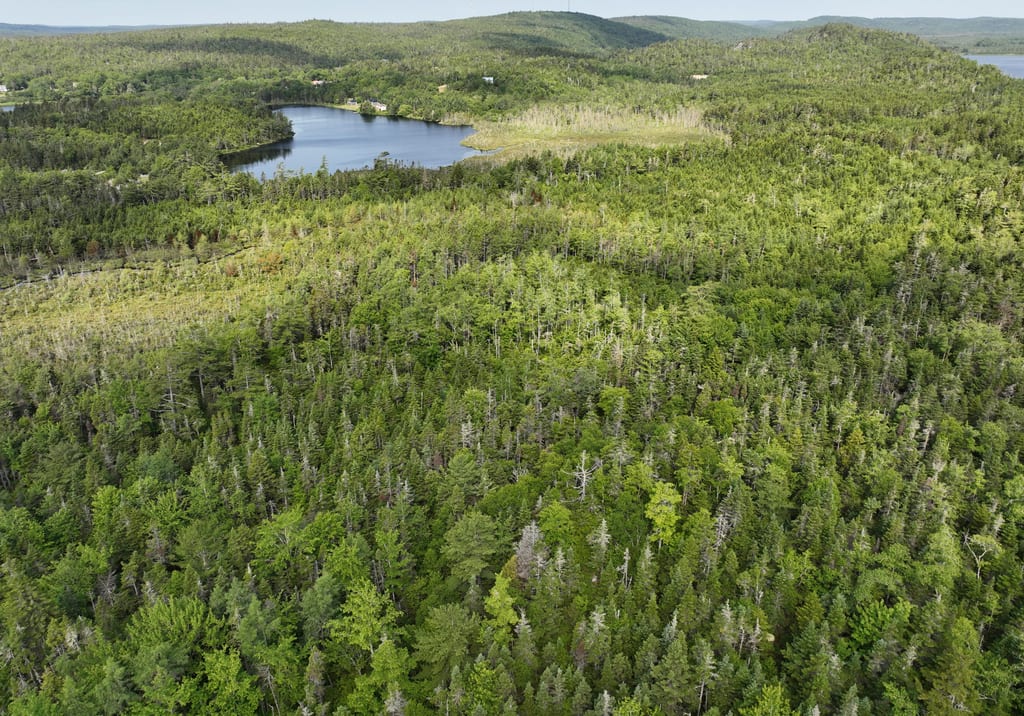
Nova Scotia’s diverse landscapes are home to an incredible variety of wildlife and hold deep ecological and cultural significance. As these ecosystems face growing pressures, so does our collective need to protect them. That’s why we work with partners to protect, restore and connect habitats across the province.
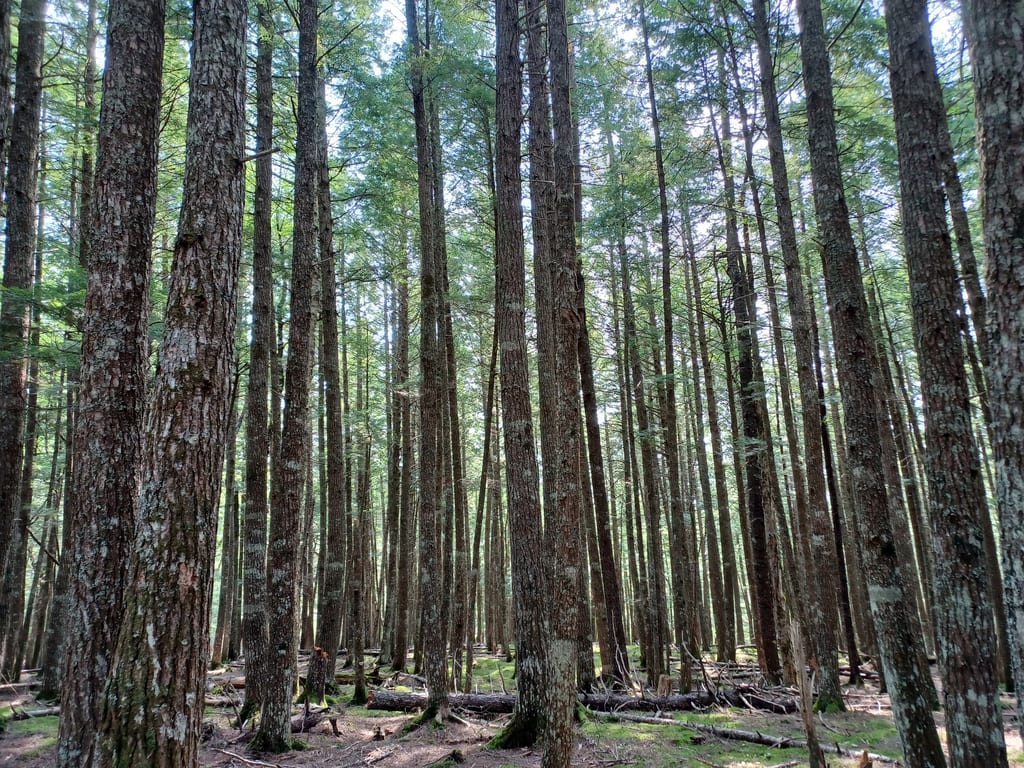
Protecting the endangered Wabanaki (Acadian) forest
The Wabanaki (Acadian) forest is a defining part of Nova Scotia’s landscape, covering more than 80% of the province. But this diverse ecosystem is increasingly under threat. Climate change and growing development pressures are putting these forests at risk of fragmentation and loss. That’s why we work with diverse partners to protect and restore these endangered forests, creating connected areas where species can move, thrive and adapt to a changing landscape
Connecting natural landscapes
We work with partners to connect natural areas across the province. The Chignecto Isthmus, for example, is a critical land bridge connecting Nova Scotia and New Brunswick and provides an important corridor for species like endangered mainland moose. By connecting landscapes, we support biodiversity, wildlife movement and more resilient ecosystems across the province and beyond.
Building climate-resilient landscapes
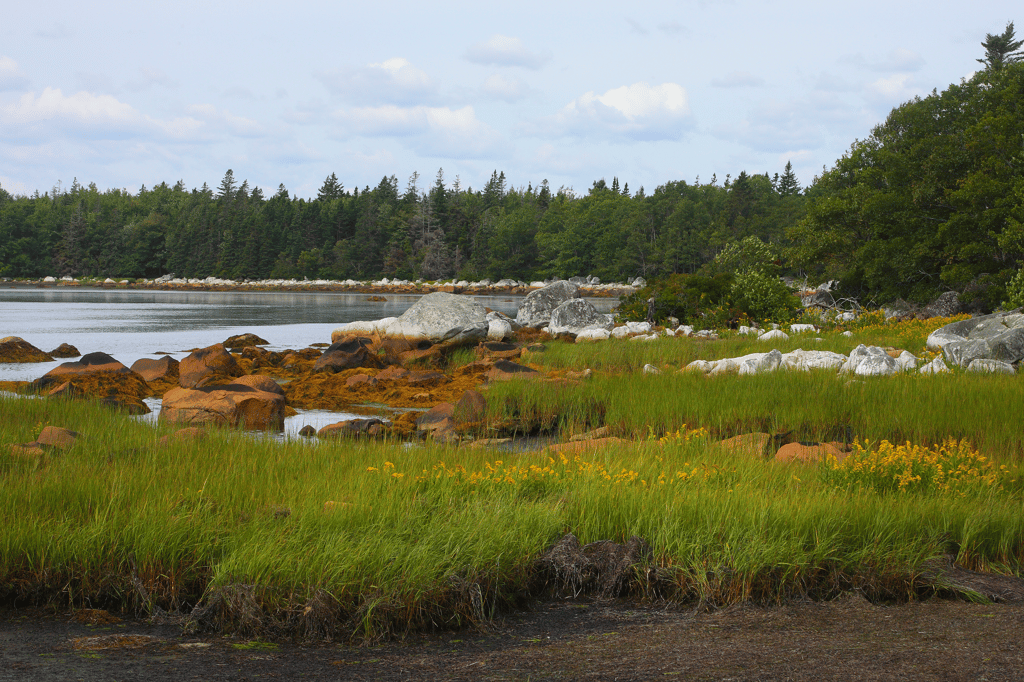
Climate change is altering Nova Scotia’s natural landscapes. Rising sea levels are contributing to coastal erosion, while extreme weather is increasing the risk of flooding and wildfires. Natural landscapes, including forests, wetlands and coastal habitats, can store water and buffer communities from storms and extreme weather events. By protecting these areas and keeping them healthy, we’re building climate resilience and supporting wildlife and communities as they adapt to a changing future.
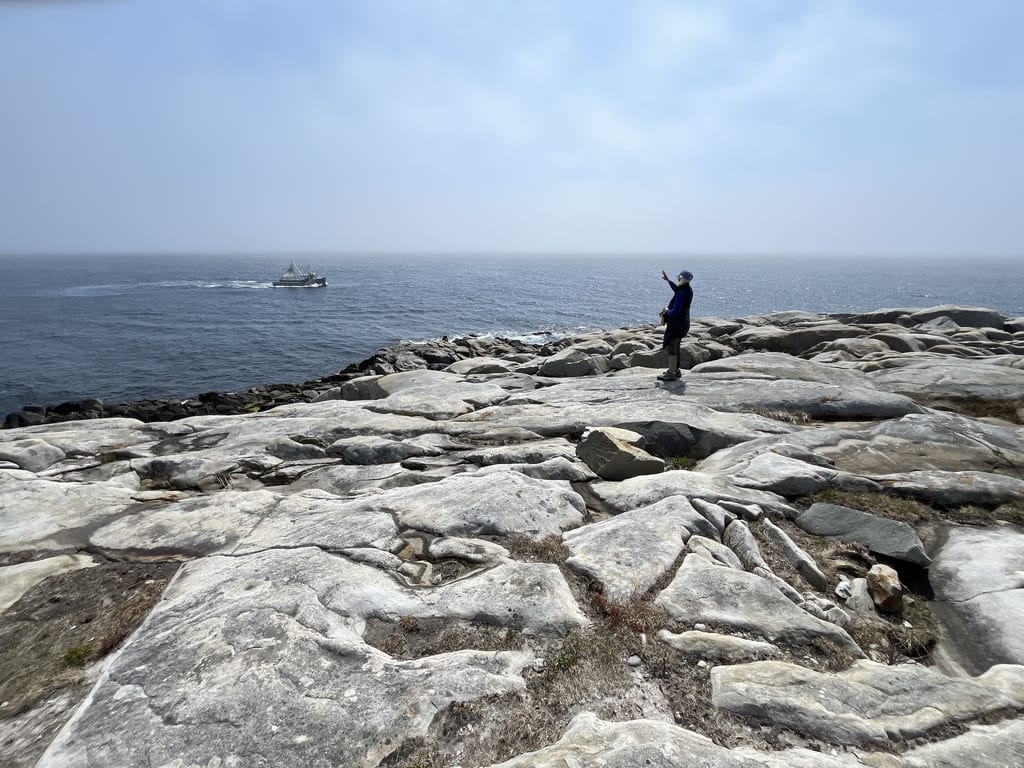
Working together for nature
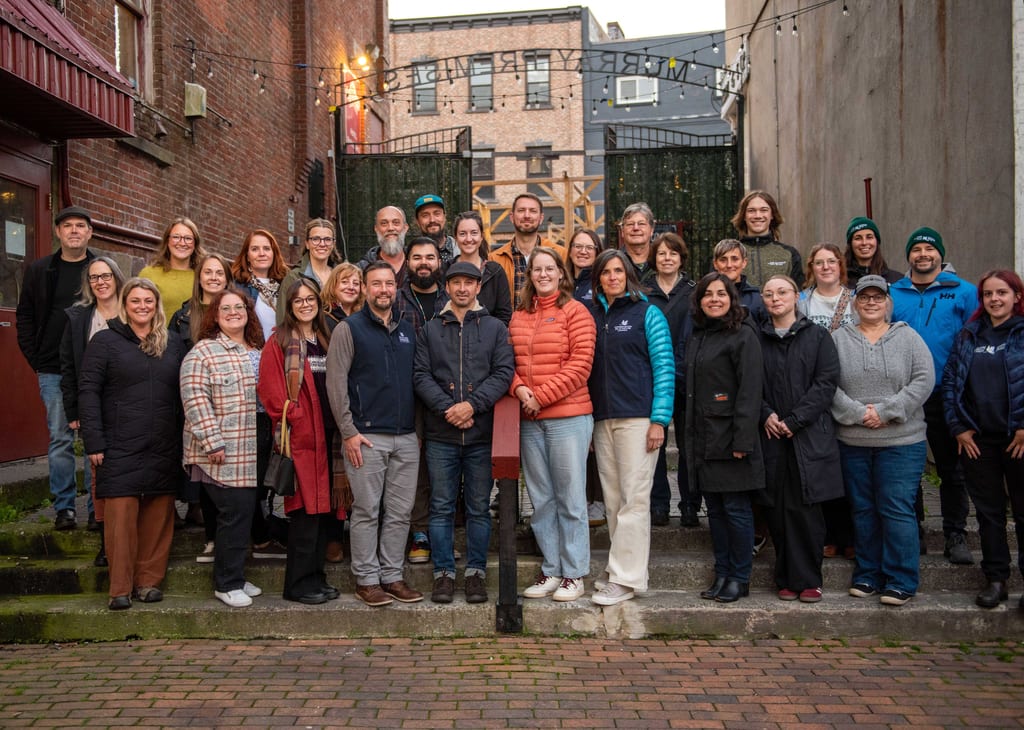
Protecting Nova Scotia’s nature is a shared effort. By working with Indigenous Nations and communities, governments, conservation organizations and landowners, we bring together diverse knowledge and expertise to achieve lasting conservation impact. Partnerships such as the Kespukwitk Conservation Collaborative and the Chignecto/Sikniktewaq Partnership advance conservation in priority areas across the province.
Featured partners
We’re grateful to the partners who share our vision. Their commitment and collaboration make it possible to protect the places that matter most for people and nature, now and for generations to come.



Featured stories
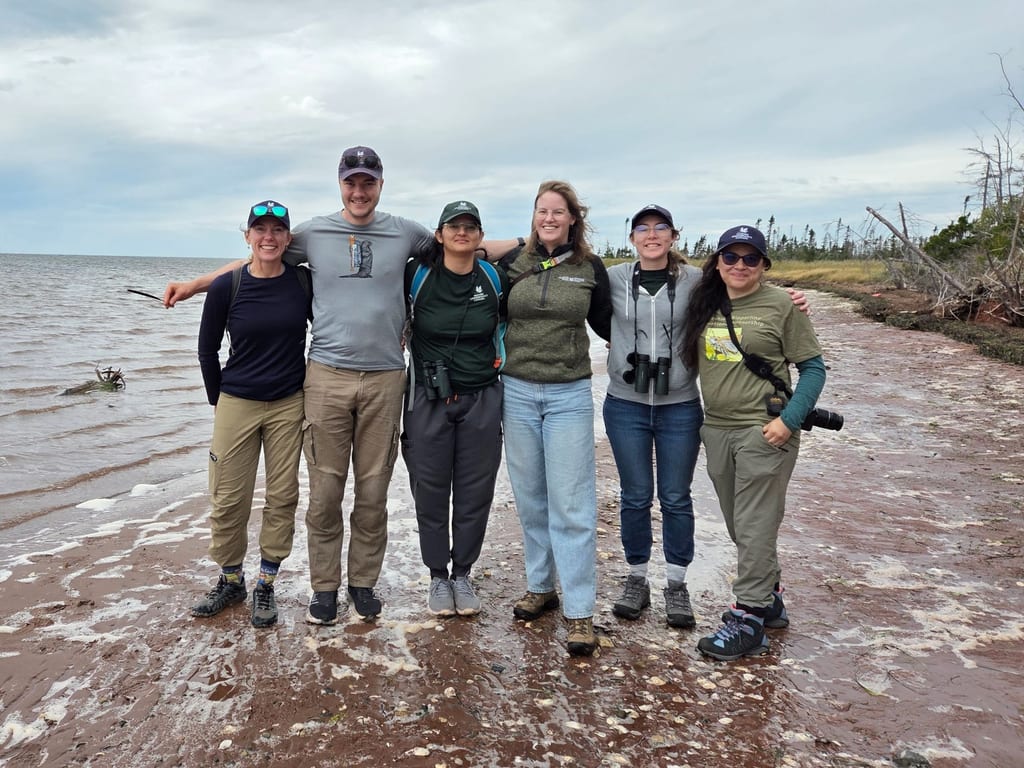
Canada
Hope, insights, and awareness for invasive species management
February 26, 2026
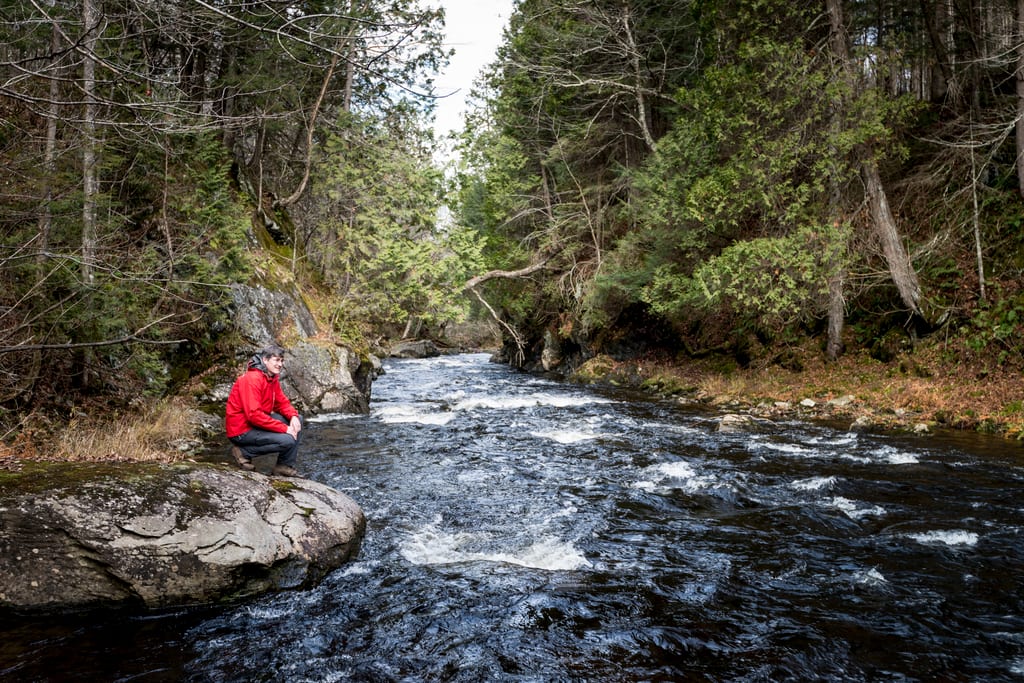
Canada
Water is life — and it begins with land
October 6, 2025
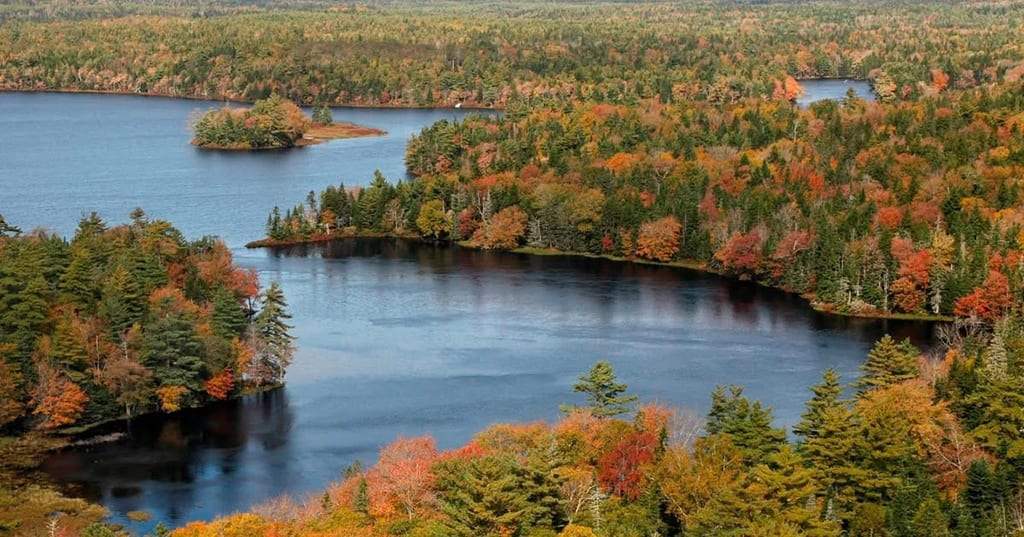
Canada
Canada’s forests: the roots of a resilient nation
September 24, 2025
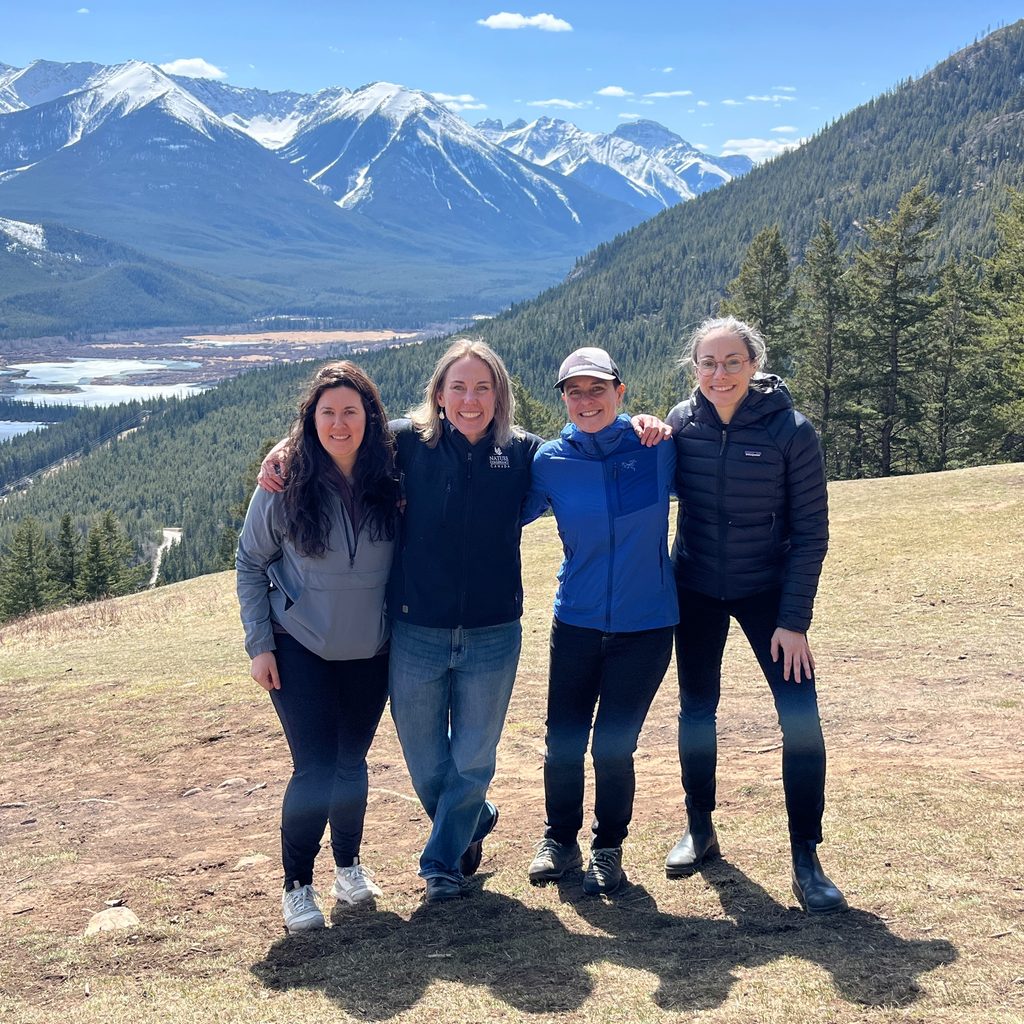
Canada
NCC shares expertise at the Canadian Ecological Connectivity Conference
July 30, 2025
Canada
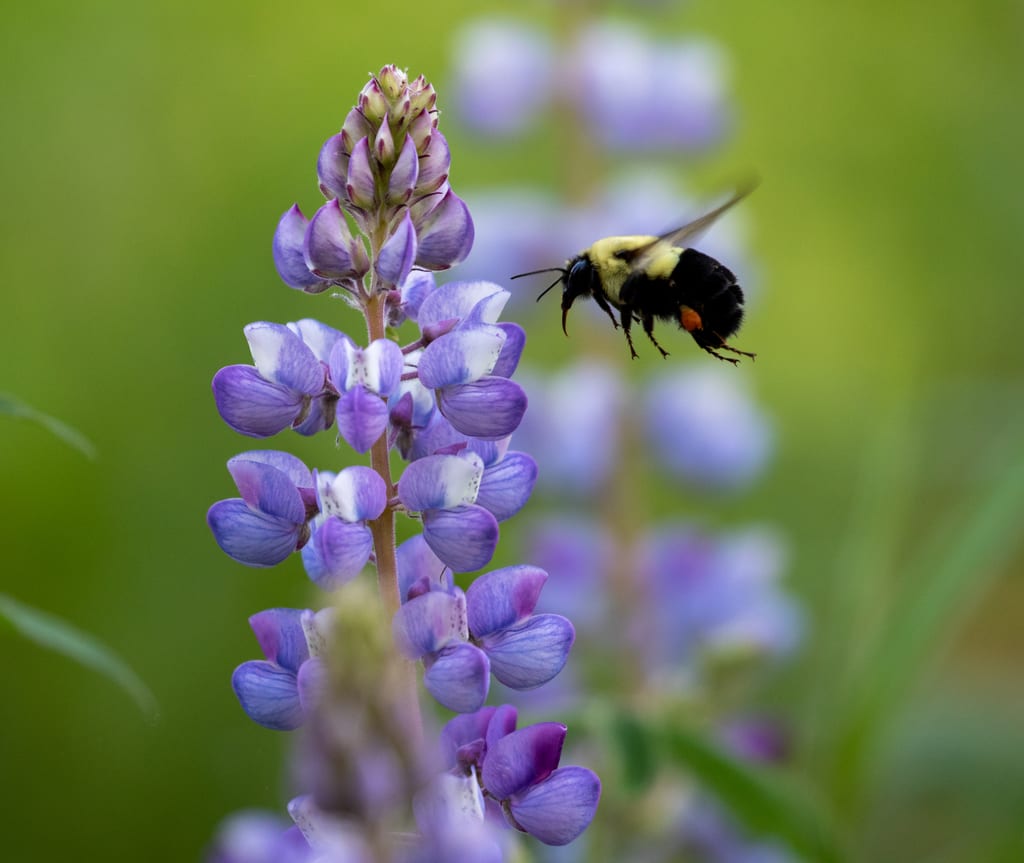
Pollinators and the future of food
June 14, 2025
Canada
Harnessing technology for conservation: A new era for Canada’s ecosystems
May 15, 2025
Canada
By seed and saw
April 5, 2025
Canada
A partnership building hope for communities and a thriving natural world
February 3, 2025
Canada
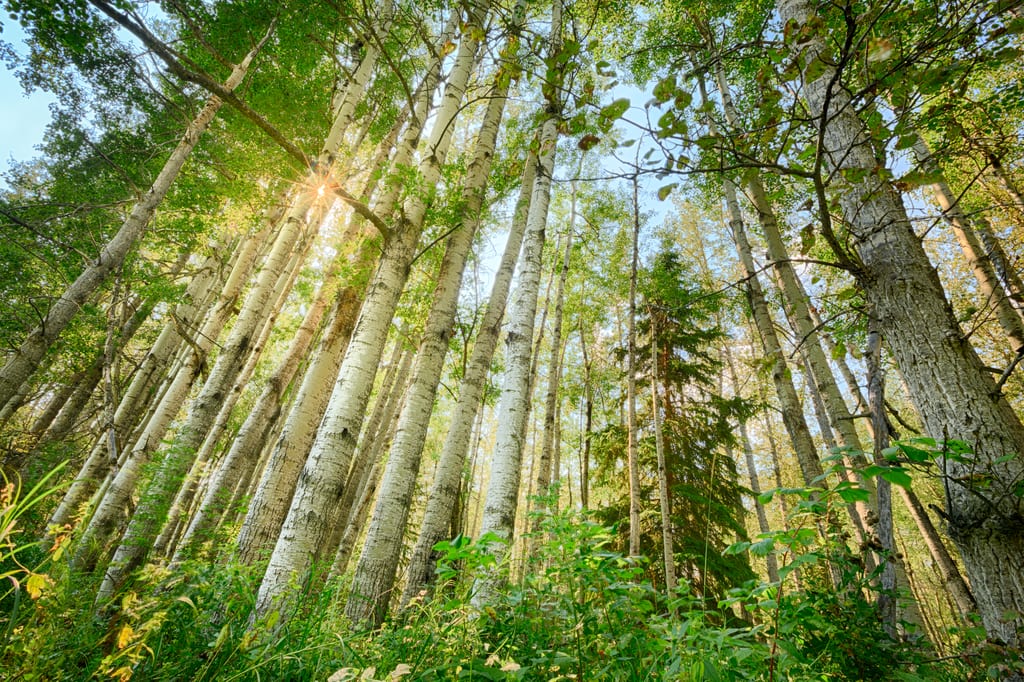
We have forests to thank
October 14, 2024
Canada
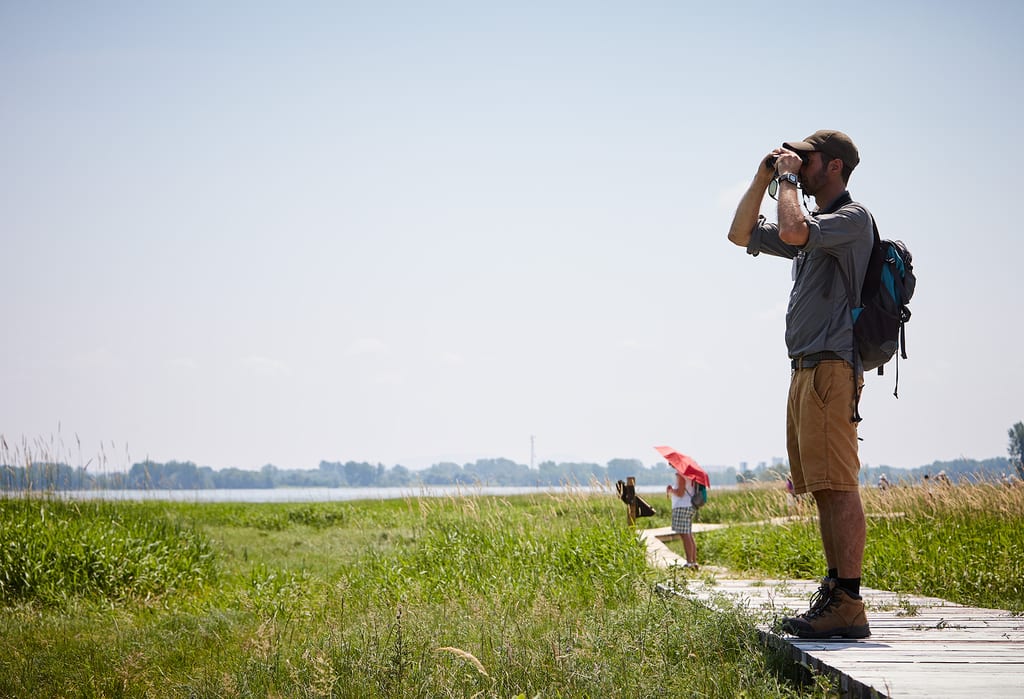
Continuing conservation direction at NCC
October 8, 2024
Canada
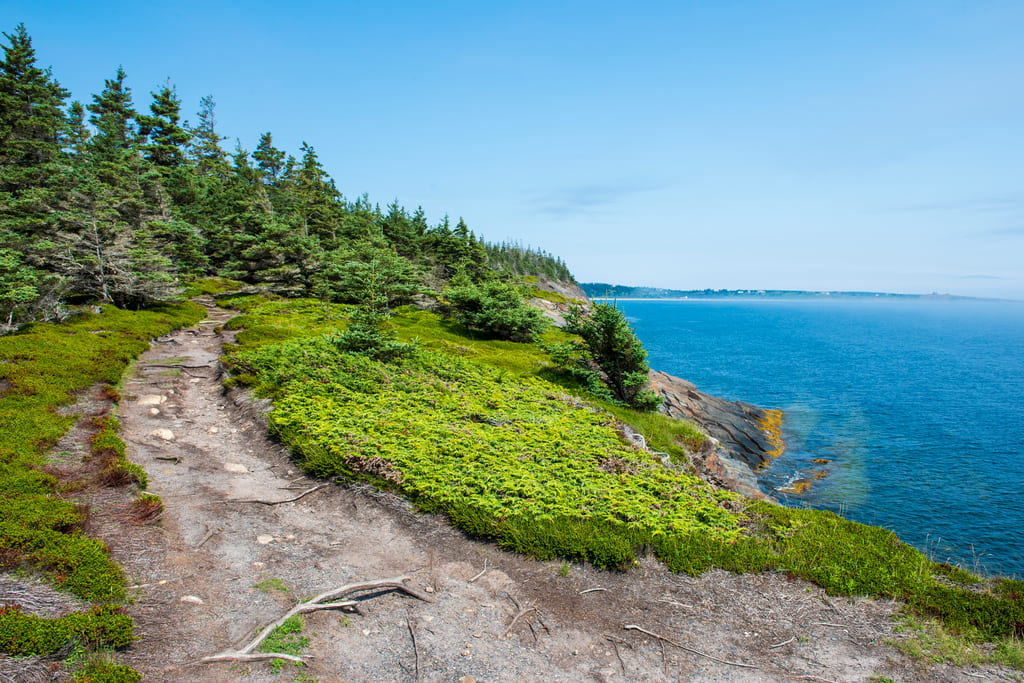
Development needs can conflict with nature, but with knowledge we can grow together
April 26, 2024
Canada
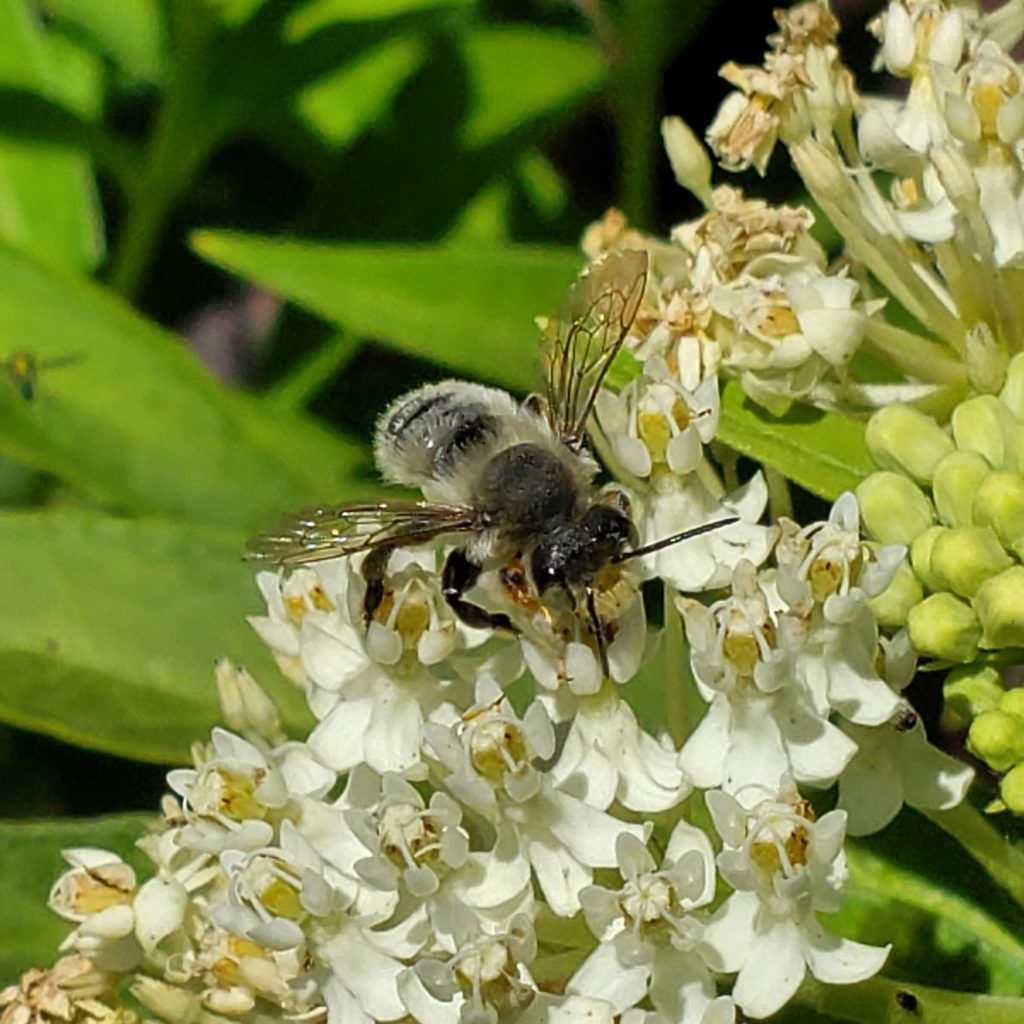
Gardening: Small choices make a big difference
March 18, 2024
Wild news, straight from the field
Questions about conservation in Nova Scotia?
Whether you want to support our work, learn about local projects, or get involved, we’d love to hear from you.