Port Joli/Port L’Hebert Coastal Area
For generations, the Port Joli/Port L’Hebert Coastal Area has been a place of connection, memory and belonging on Nova Scotia’s South Shore. Part of Kespukwitk (southwest Nova Scotia), this culturally and ecologically important landscape is one of the province’s most important conservation areas. Its Wabanaki (Acadian) forests, wetlands and coastal habitats provide a home for rare lichens, migratory birds and many other species. By conserving these lands and connecting them with nearby protected areas, we can ensure this special place and its natural heritage remain protected for generations to come.

Table of contents
Location
Nova Scotia
Conserved since
2006
Habitat(s)
Forest, Wetlands, Coastal shorelines
Needs support now
Protect places like this, forever
Port Joli/Port L’Hebert Coastal Area at a glance
- Located on Nova Scotia’s South Shore, the Port Joli/Port L’Hebert Coastal Area is part of Kespukwitk, one of the province’s most important coastal conservation landscapes.
- This area is an important piece of a larger conservation puzzle, connecting nearby protected areas and strengthening the coastal habitat network.
- From Wabanaki (Acadian) forests to salt marshes and beaches, these connected coastal habitats support species like the rare blue felt lichen.
- Since 2006, we’ve been protecting key pieces of this landscape and caring for them over the long term, strengthening the connections between protected areas.
Why protecting the Port Joli/Port L’Hebert Coastal Area matters
The Port Joli/Port L’Hebert Coastal Area is part of Kespukwitk (southwest Nova Scotia), a federally designated priority place for species at risk that covers nearly one-third of the province and supports 94% of Nova Scotia’s terrestrial species at risk. This landscape is also an internationally recognized Important Bird Area, making it a vital place for birds and other wildlife. We’re conserving key pieces of this landscape to keep habitats connected, protect wildlife and sustain the natural systems that nearby communities depend on.
A home for rare species
The Port Joli/Port L’Hebert Coastal Area is among Nova Scotia’s most important areas for rare and endangered lichens, including blue felt lichen, poor-man’s shingle lichen and peppered moon lichen. The area also supports Atlantic Coastal Plain flora, more than one-third of which occur nowhere else in Canada, as well as the endangered piping plover and the roaming Nova Scotia mainland moose.
A connected coastal landscape
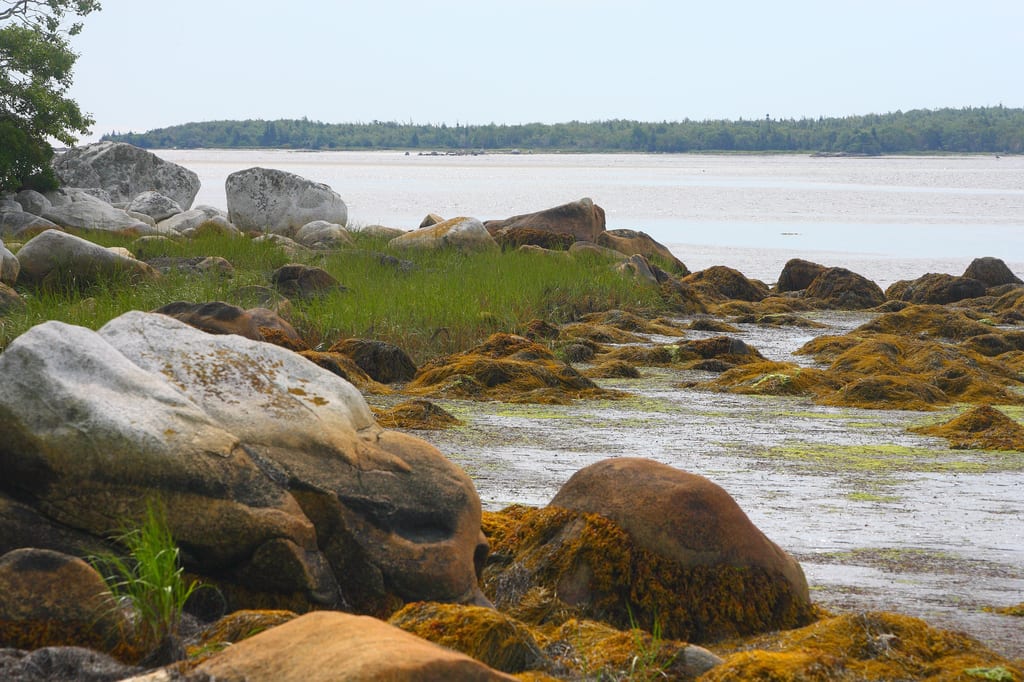
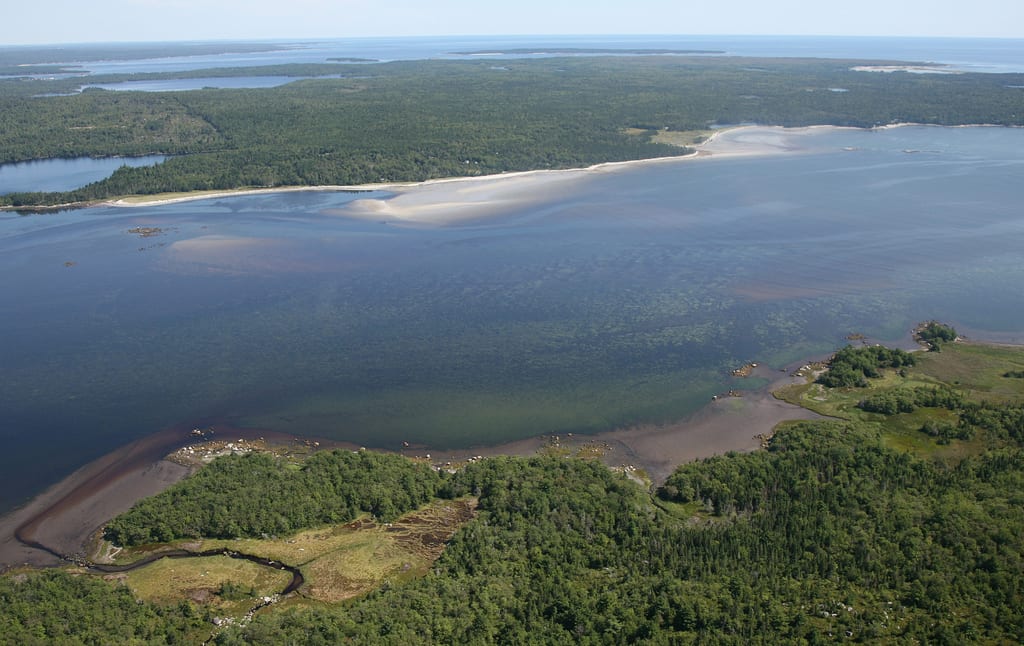
Wabanaki (Acadian) forests, wetlands, salt marshes, beaches, streams and coastal barrens create a rich mix of habitats for wildlife. Situated alongside Kejimkujik National Park Seaside, the Port Joli Migratory Bird Sanctuary, and other protected areas, this property is an important piece of a larger conservation puzzle. By conserving these lands, we’re strengthening connections between protected areas and giving wildlife safe places to feed, nest, rest and move.
A place with deep meaning
The forests, wetlands and coastal habitats of the Port Joli/Port L’Hebert Coastal Area provide benefits people rely on, from clean water to climate resilience. But the importance of this landscape goes deeper. the Port Joli/Port L’Hebert Coastal Area has long been a place of connection and belonging for people on Nova Scotia’s South Shore, especially the Mi’kmaq, who have deep, ongoing cultural ties to and relationships with the land here. Conserving this landscape protects more than the benefits nature provides — it protects a place where people have built memories and lasting connections to nature.
What’s at stake?
Development, habitat fragmentation, sea-level rise and coastal erosion are putting pressure on Nova Scotia’s coast. Without protection, areas that naturally store carbon, provide clean water and buffer coastal communities from major storms could be lost or broken apart. Conserving these lands now keeps the coast connected, protecting its natural defences and safeguarding benefits people and wildlife depend on.
What could be lost?
A changing climate is putting growing pressure on the Port Joli/Port L’Hebert Coastal Area, with rising sea levels, coastal erosion and stronger storms changing the shoreline and coastal habitats. Rare plants and animals, from lichens to migratory shorebirds, depend on these places. Protecting and connecting these coastal habitats gives wildlife the space and conditions they need to adapt as conditions change.
Why does it matter?
More than half of Nova Scotians live within 5 kilometres of the coast, making healthy coastal ecosystems critically important. Wetlands, salt marshes and coastal forests absorb and filter water, reduce the impact of major storms and minimize soil erosion, providing natural protection for nearby communities. These natural areas also store carbon, which keeps greenhouse gases out of the atmosphere and makes healthy ecosystems part of the solution to climate change.
Why is action needed now?
We have an opportunity to continue filling gaps between existing protected areas before development and climate pressures make these connections harder to protect. Conserving key parcels now keeps important habitats connected, strengthens the coast’s natural defences and makes their protection permanent.
Together, we can connect important coastal habitats and conserve this stretch of Nova Scotia’s shore forever.
Where the blue felt lichen grows
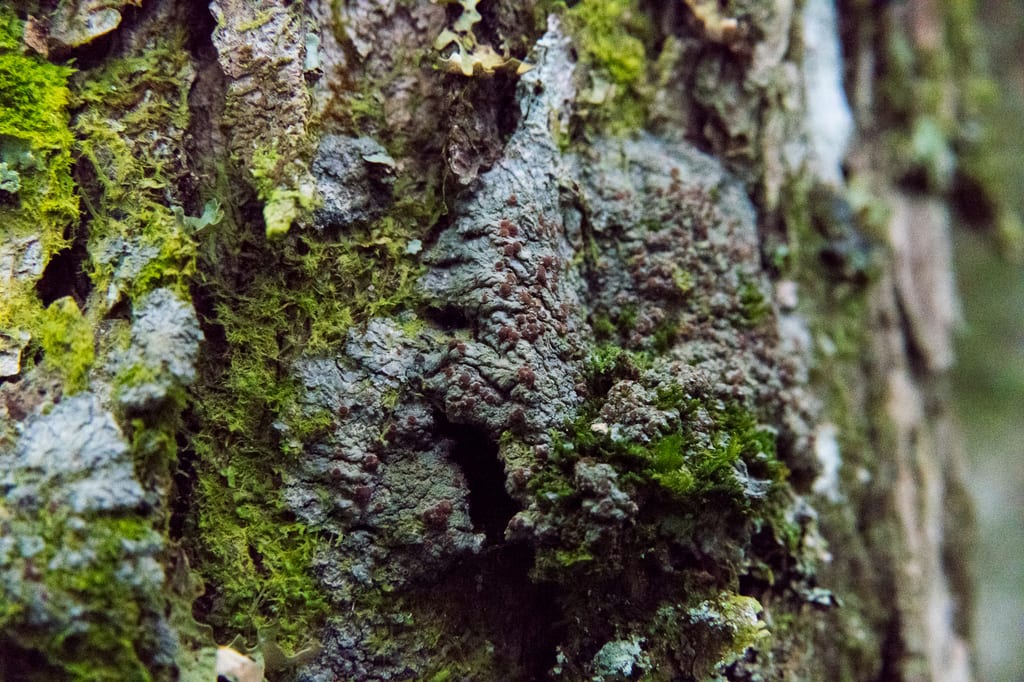
The Port Joli/Port L’Hebert Coastal Area is among Nova Scotia’s most significant areas for rare and endangered lichens. Lichens are living partnerships between fungi and algae, and they are sensitive to changes in their surroundings, making them useful signs of forest health. Blue felt lichen is not only Nova Scotia’s provincial lichen, but it is also one of the rare and at-risk lichens found here, growing on the trunks of mature hardwood trees in Acadian (Wabanaki) forests. By protecting the forests where this lichen grows, we also protect the wider community of plants and animals that depend on these healthy forests.
The plan in action
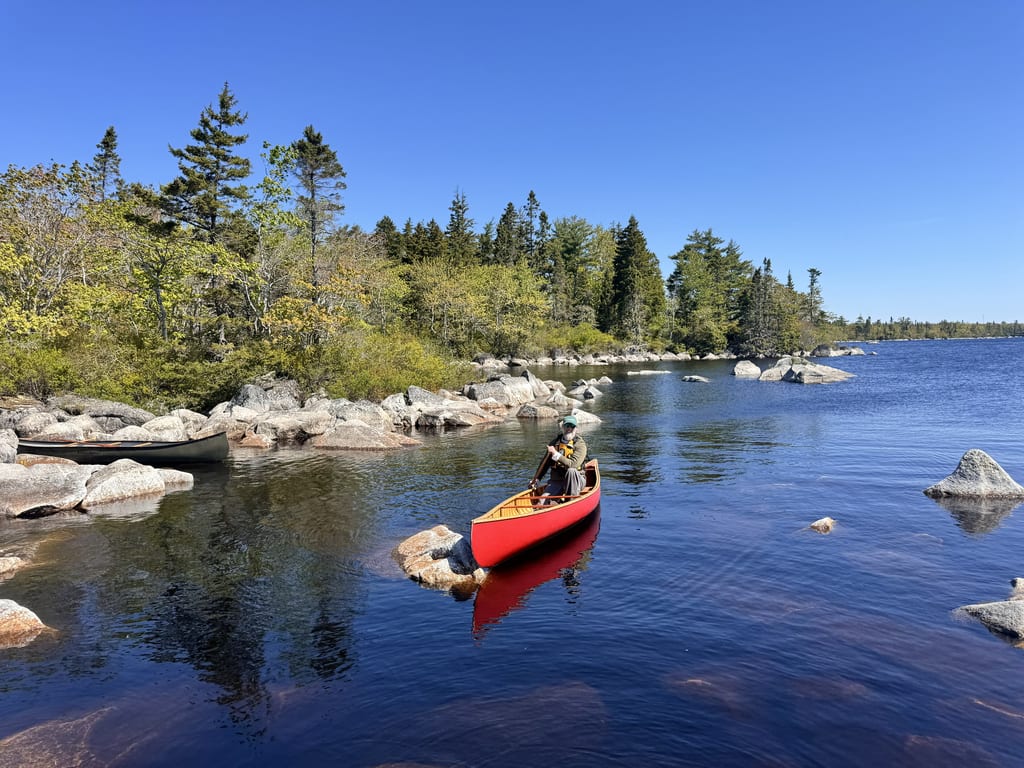
We’re protecting key pieces of the Port Joli/Port L’Hebert Coastal Area and connecting them with nearby protected areas. We work with partners to conserve important habitats and care for them over the long term.
Protect
We continue to permanently conserve key coastal lands in the Port Joli/Port L’Hebert Coastal Area, filling gaps between nearby protected areas. Keeping these natural spaces connected sustains wildlife, supports healthy ecosystems and builds a more resilient landscape.
Steward
Protecting a place is just the beginning. We care for protected areas over the long term through active stewardship, ongoing restoration and lasting partnerships. By responding to change and caring for these landscapes over time, we keep them healthy, resilient and thriving for generations to come.
Partner
We work with landowners, donors, conservation partners, local communities and government programs to conserve this coastal landscape. Together, we’re keeping these ecosystems healthy, connected and resilient.
Protect places like this, forever

Our partners
We protect the Port Joli/Port L'Hebert Coastal Area with a dedicated community of Indigenous partners, environmental organizations, universities and governments who make up the Kespukwitk Conservation Collaborative. We are proud to share our commitment to Kespukwitk with these and other local groups.
Kespukwitk is one of the seven districts within Mi’kma’ki, the traditional and unceded territory of the Mi’kmaq, and we are grateful to work in partnership on these lands.
Featured Stories
AB Alberta
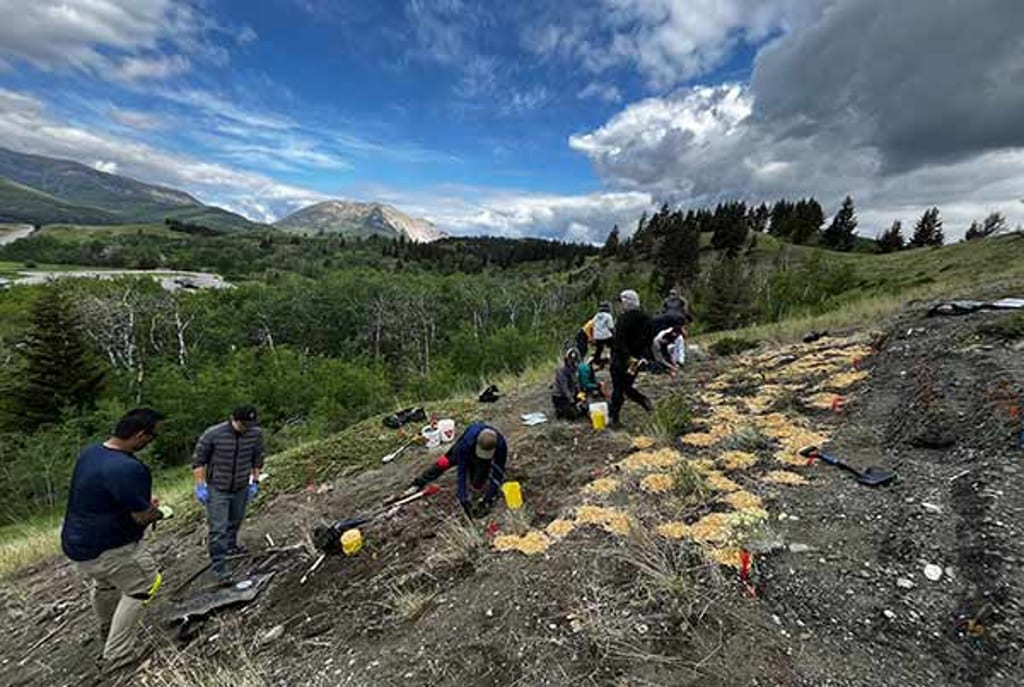
Amping up grassland restoration with fungi
March 31, 2026
Canada
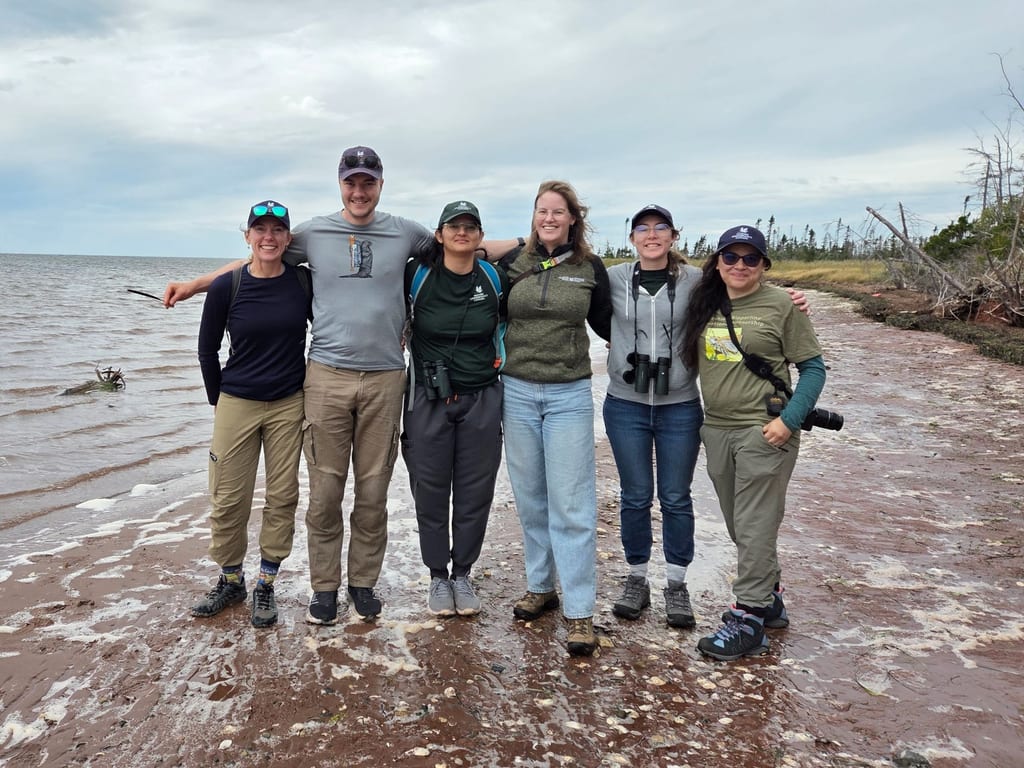
Hope, insights, and awareness for invasive species management
February 26, 2026
SK Saskatchewan
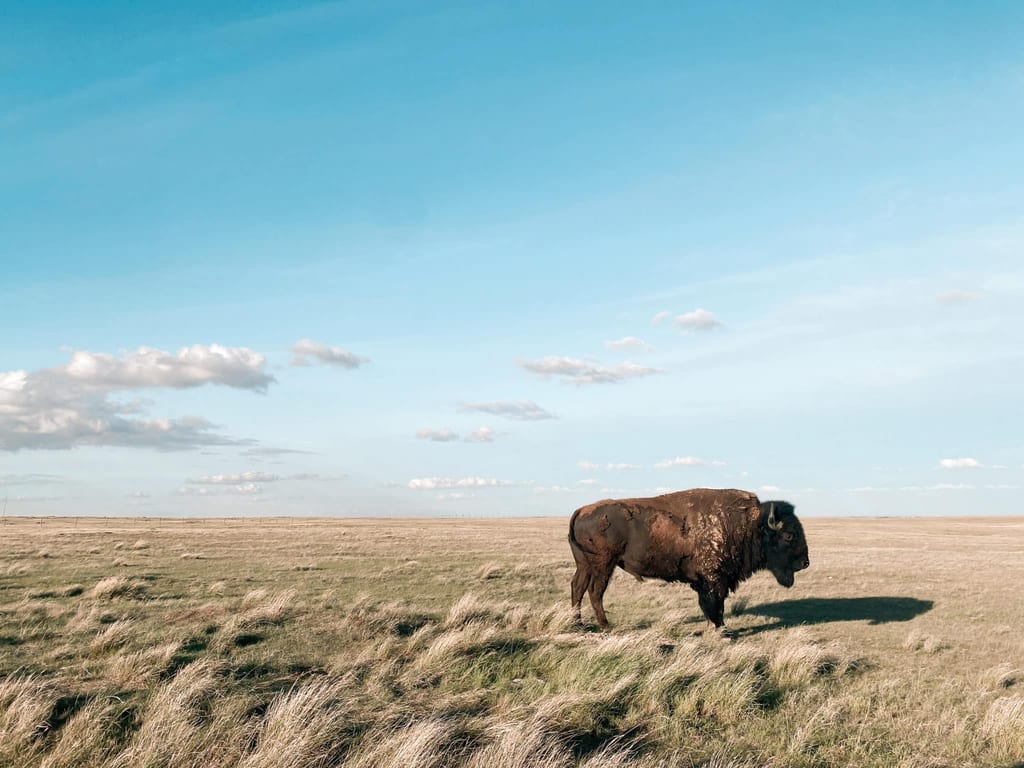
The sound of the prairie: Why grazing management matters
November 26, 2025

Canada
Studying recreation so people and nature can thrive
October 10, 2025
ON Ontario
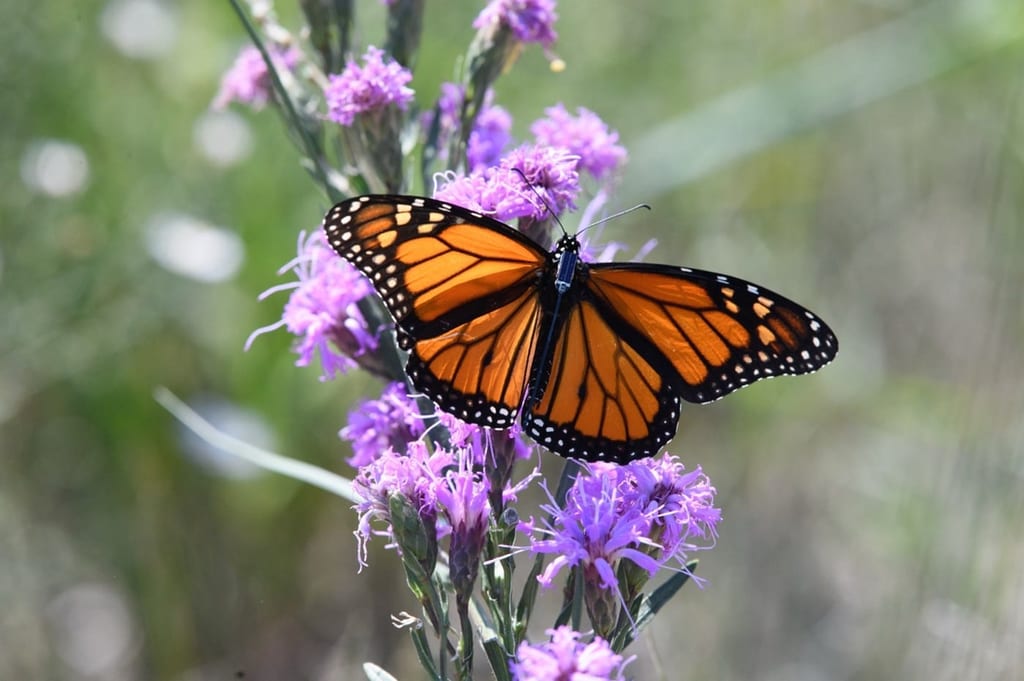
Advancing conservation: in the field with butterflies
October 6, 2025
Canada
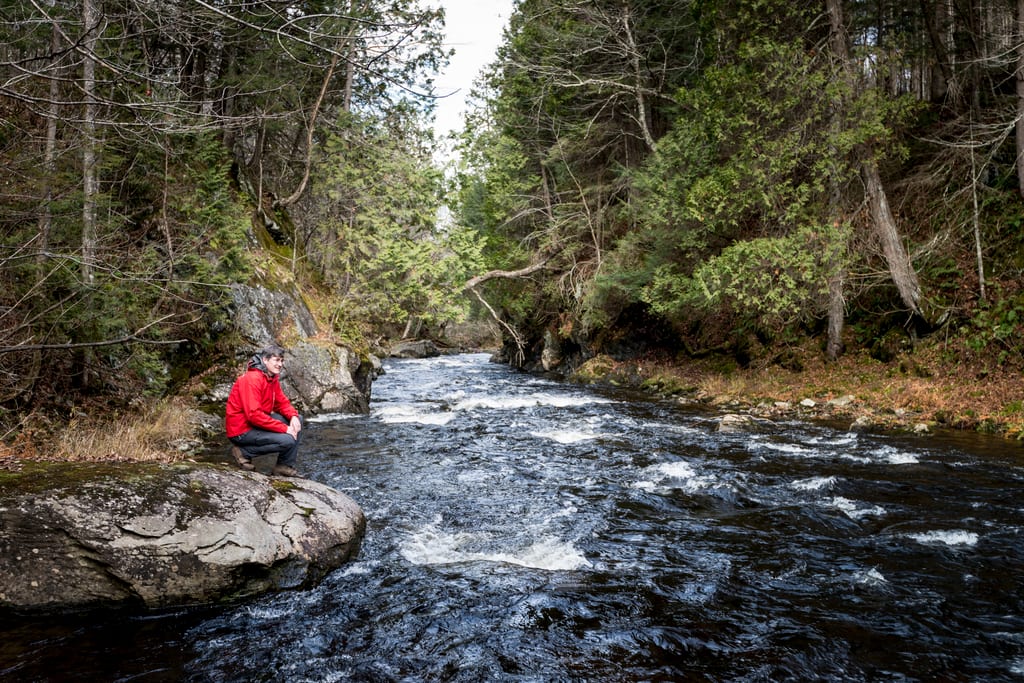
Water is life — and it begins with land
October 6, 2025
Canada
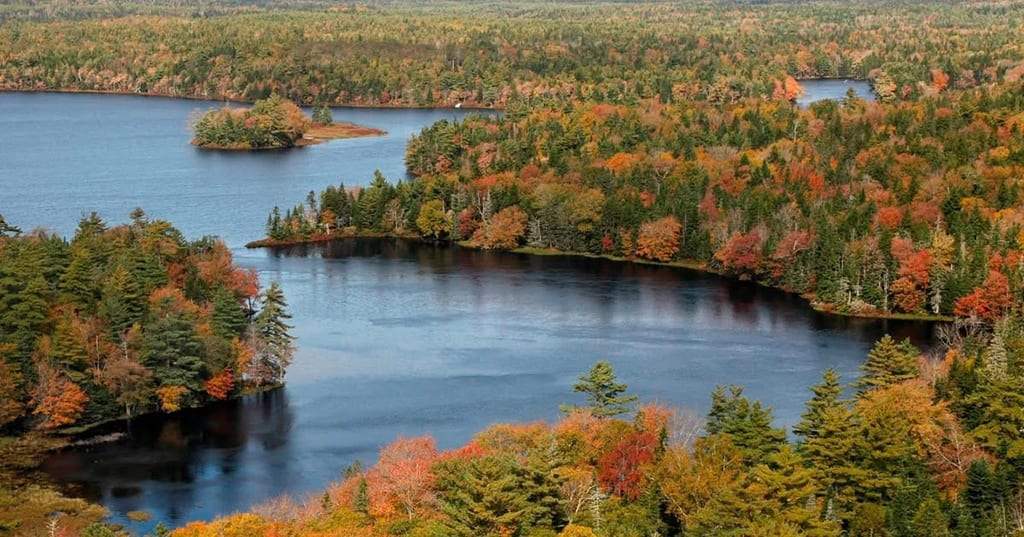
Canada’s forests: the roots of a resilient nation
September 24, 2025
Canada
NCC shares expertise at the Canadian Ecological Connectivity Conference
July 30, 2025
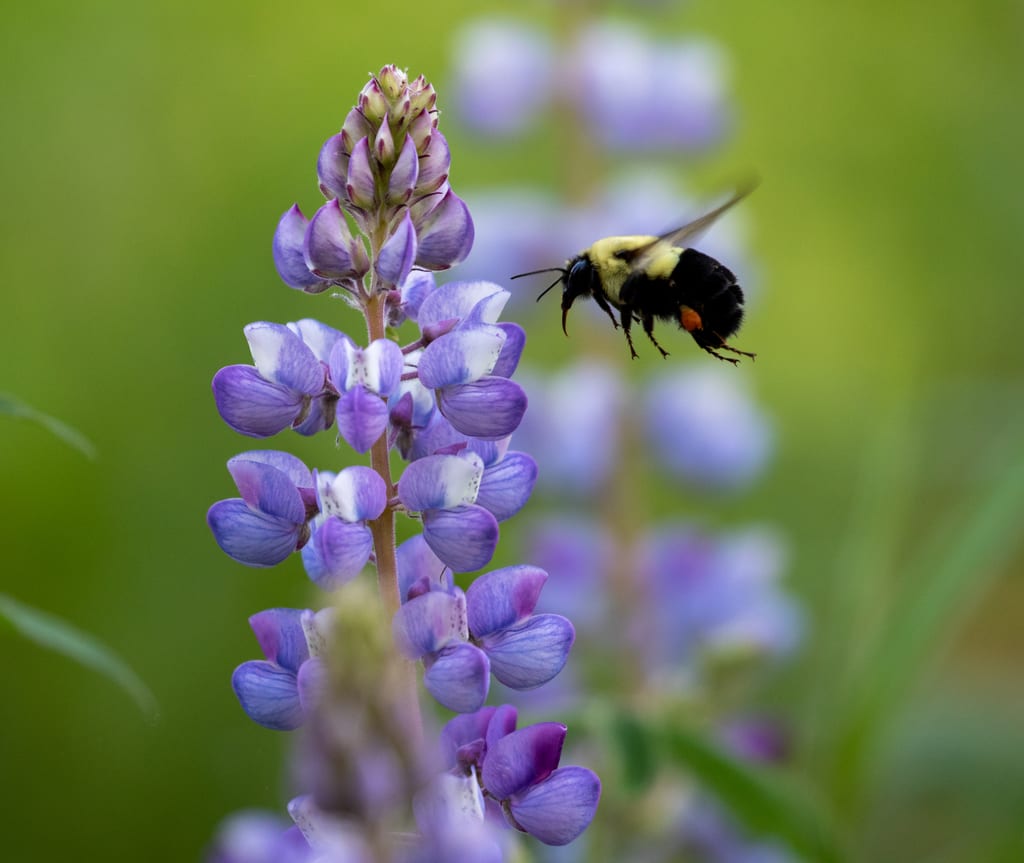
Canada
Pollinators and the future of food
June 14, 2025
Canada
Harnessing technology for conservation: A new era for Canada’s ecosystems
May 15, 2025
Wild news, straight from the field
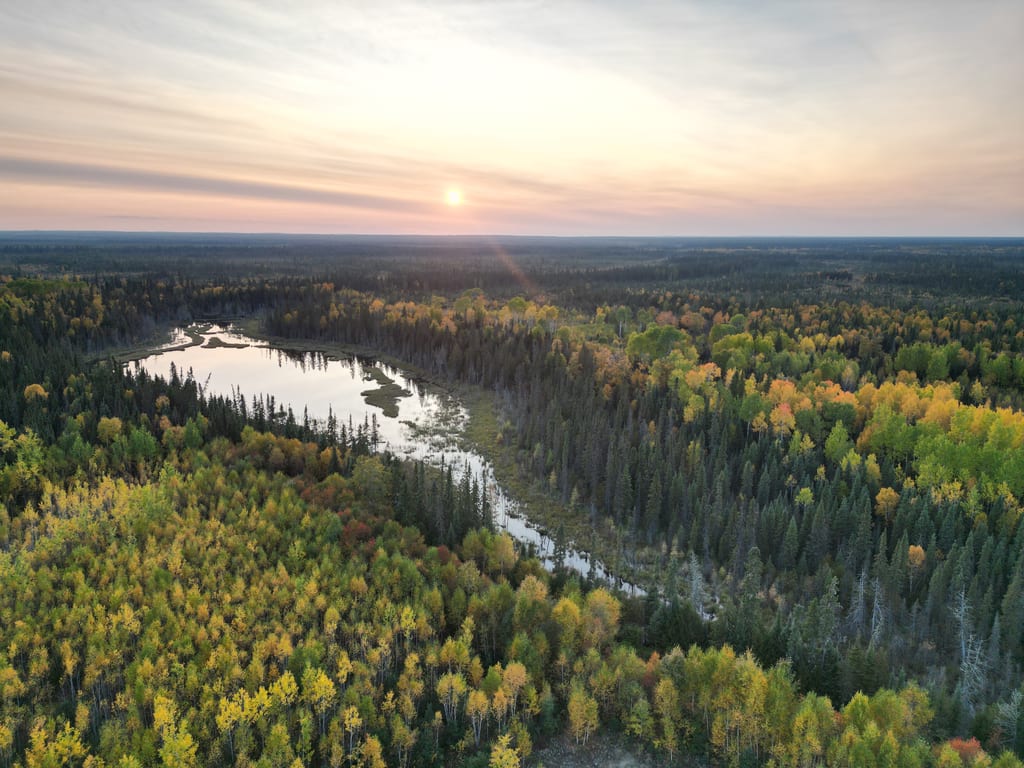
ON Ontario
Boreal forest and peatlands secured to support climate resilience
October 13, 2026
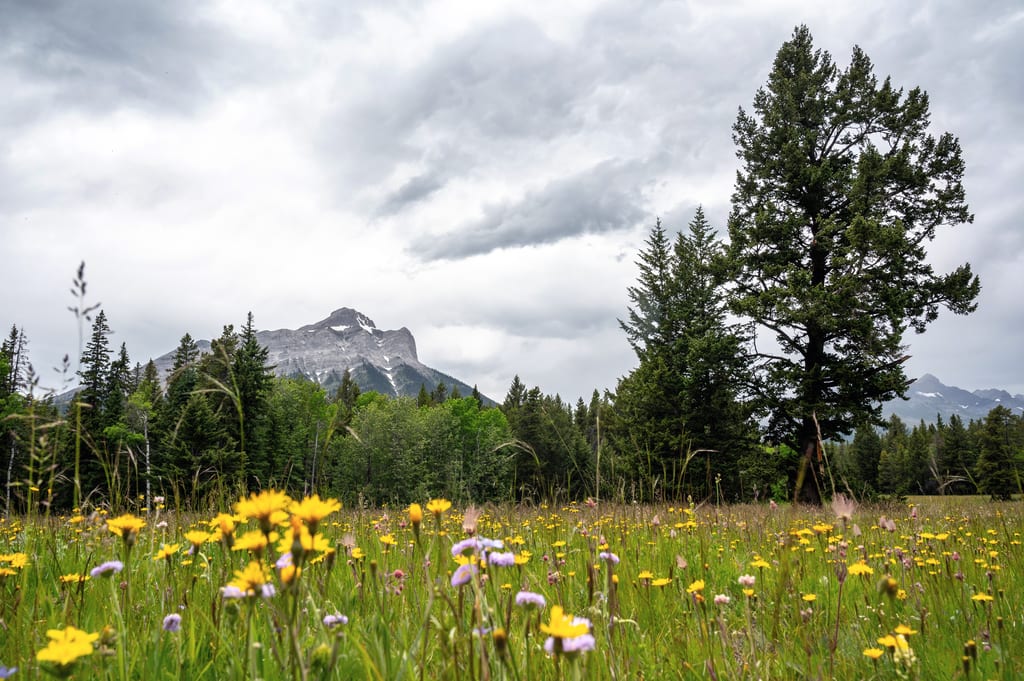
AB Alberta
Kropinak family’s century of stewardship helps secure a critical Rocky Mountain wildlife corridor
September 15, 2026
MB Manitoba
Manitoba community leads the way in conserving nature and supporting local livelihoods
September 10, 2026
NL Newfoundland and Labrador
New conservation area protects vital Newfoundland watershed
August 27, 2026
ON Ontario
New boreal conservation area strengthens communities and protects iconic northern landscapes
August 11, 2026
QC Quebec
Where agriculture meets conservation: an unprecedented approach in Montréal
July 15, 2026
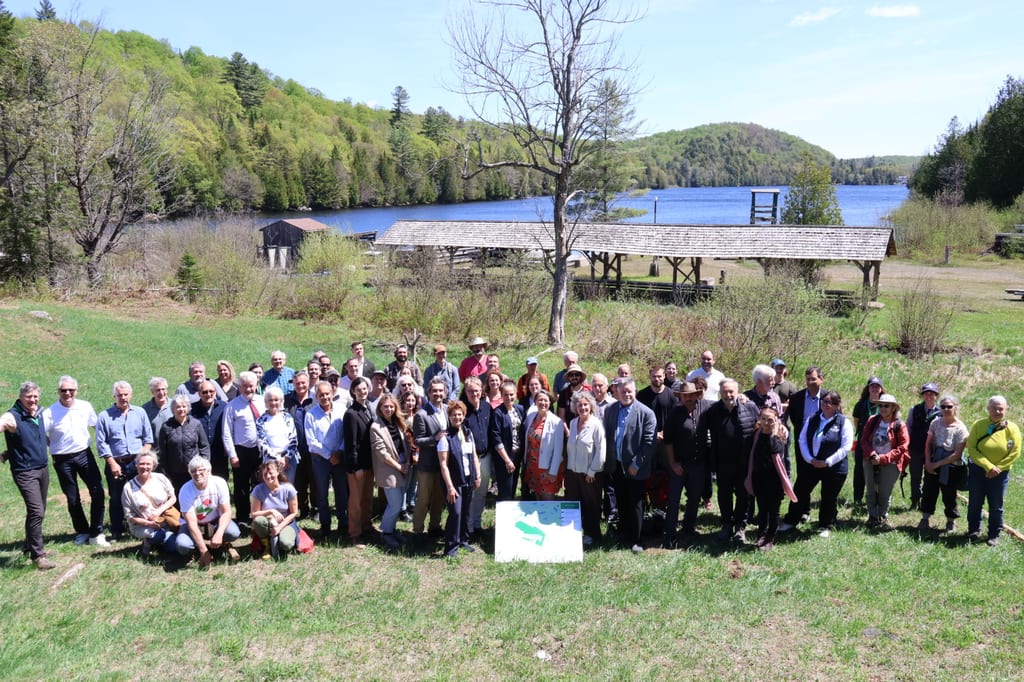
QC Quebec
Tamaracouta: an iconic site protected and accessible to the community
May 20, 2026
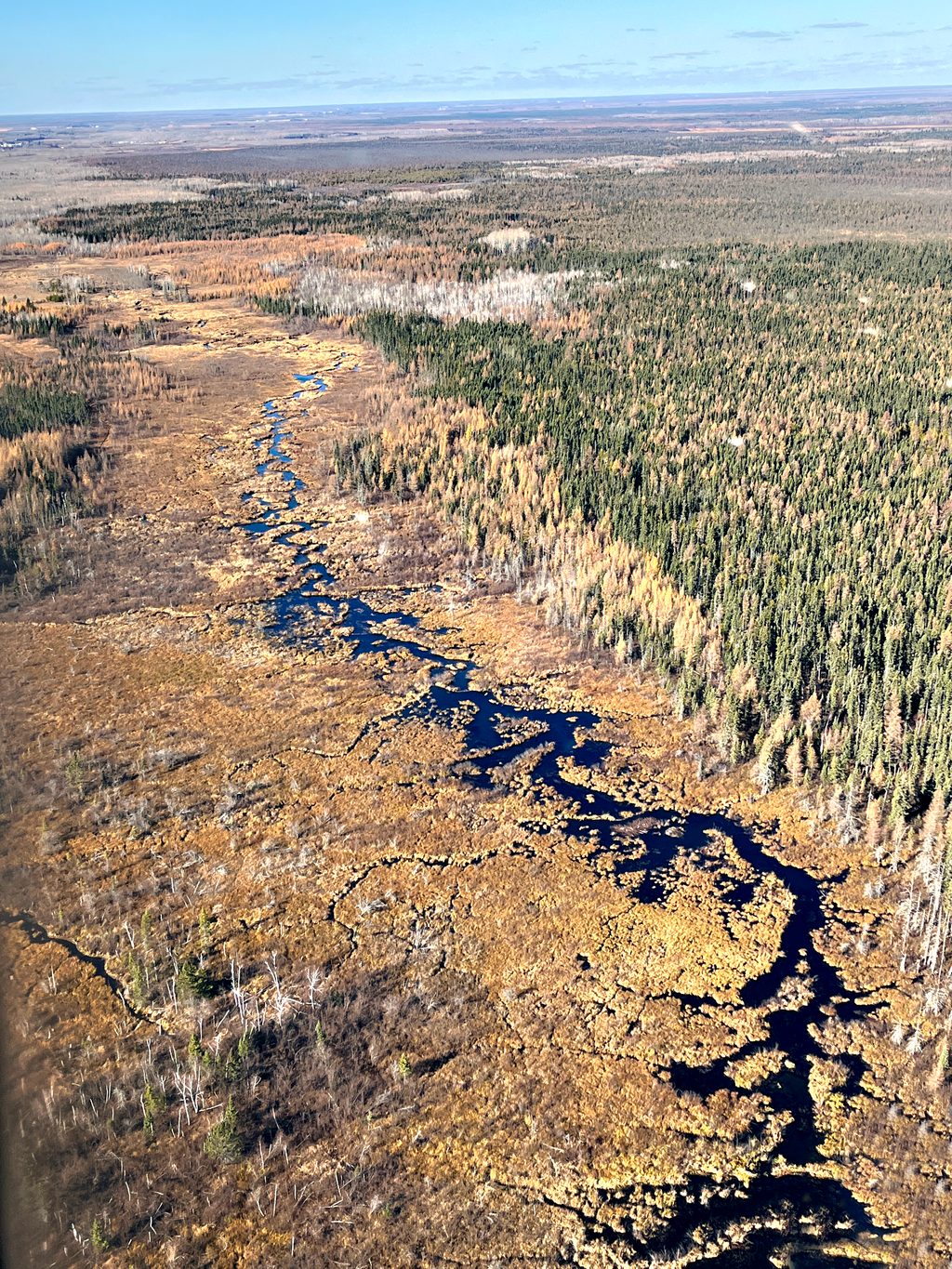
MB Manitoba
Family legacy helps secure carbon-storing powerhouse
April 16, 2026
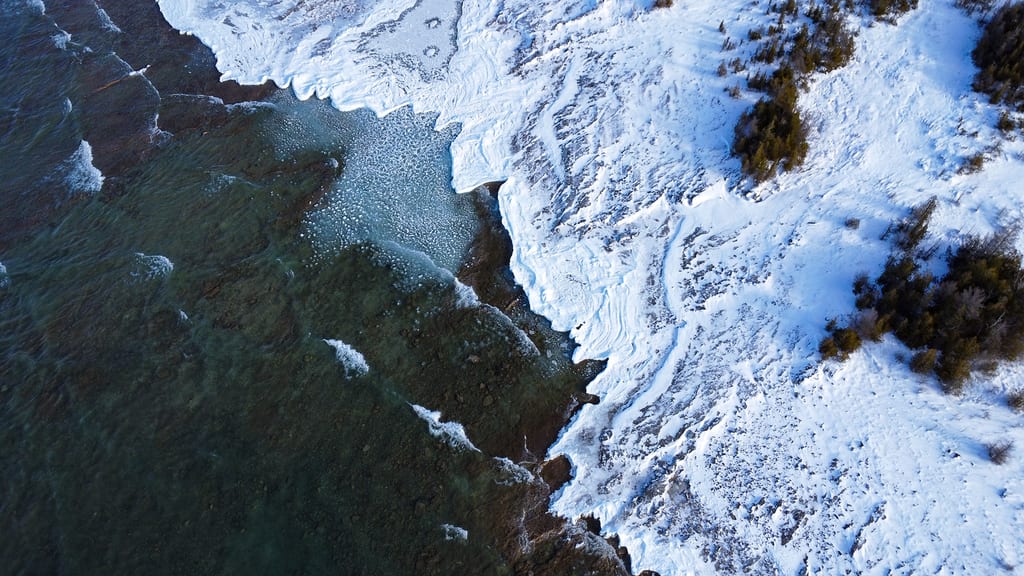
ON Ontario
Key link protected in Great Lakes biodiversity hotspot, strengthening conservation network
March 31, 2026
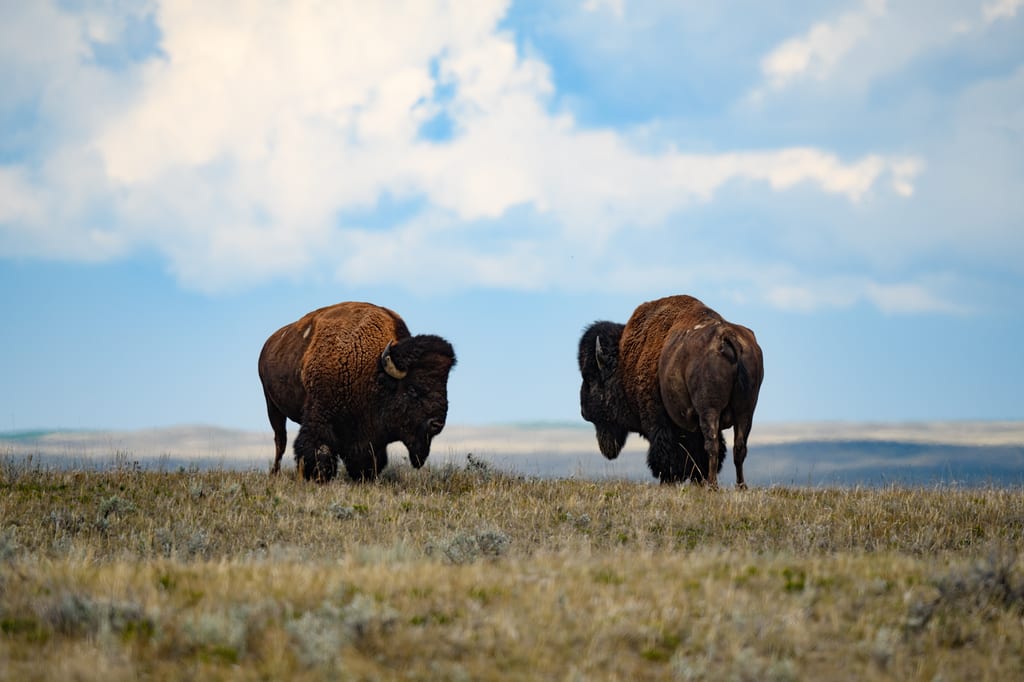
SK Saskatchewan
Plains bison welcomed back to the Kahkewistahaw First Nation in Saskatchewan
March 30, 2026