Alfred-Kelly Nature Reserve
Nestled within the Piedmont and Prévost escarpments of the Laurentians lies the Alfred-Kelly Nature Reserve — a remarkable landscape of mature forests, wetlands and towering cliffs that provide vital nesting habitat for birds of prey. Since 2012, we have been protecting this special place and the wildlife that depends on it. Together, we can ensure it remains protected for generations to come.

Table of contents
Location
Quebec
Conserved since
2012
Habitat(s)
Forest, Wetlands, Lakes and rivers
Alfred-Kelly Nature Reserve at a glance
- Located just over an hour from Montreal, this reserve protects nearly 500 hectares of forests, wetlands and dramatic cliffs.
- The cliffs within the reserve provide vital habitat for more than 80% of all birds of prey species recorded in Quebec, making it an important refuge for these remarkable species.
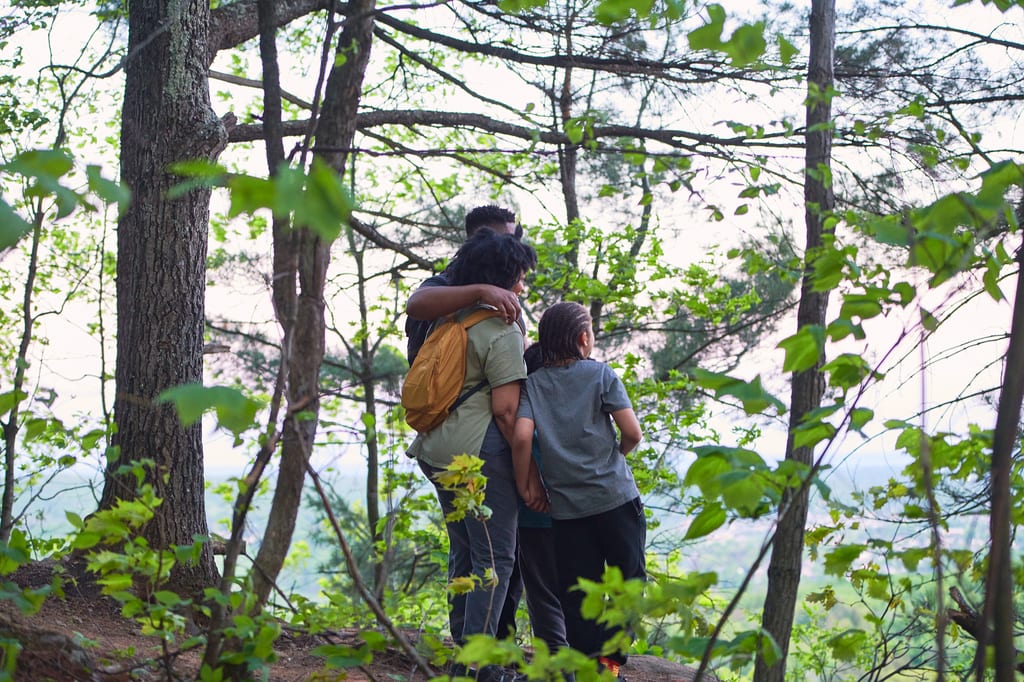
- Marked hiking trails welcome visitors to experience this remarkable landscape first-hand.
Why protecting Alfred-Kelly Nature Reserve matters
The Laurentians’ rich mosaic of forests, wetlands and escarpments make this a special landscape for wildlife and surrounding communities alike. But as the region rapidly develops, large natural spaces are becoming increasingly rare. Protected since 2012, the Alfred-Kelly Nature Reserve is a natural refuge for a wide range of wildlife, including the peregrine falcon. Together, we can ensure remarkable landscapes like this receive the permanent protection they deserve.
A refuge for nature
Located just 60 kilometres from Montreal, the reserve protects nearly 500 hectares of natural habitat in the Laurentians. Surrounded by growing communities, it provides an important refuge for native plants and animals and gives people the opportunity to connect with nature close to home.
Critical cliff habitat
The dramatic cliffs and escarpments of Piedmont and Prévost provide important nesting habitat for the peregrine falcon. Conserving these critical habitats protects this iconic species and the unique landscape it calls home.
A conservation legacy
The reserve’s conservation story began with ornithologist Alfred William Buchanan Kelly and his commitment to protecting peregrine falcon habitat. His efforts led to the protection of an important nesting area for peregrine falcons, laying the foundation for further conservation in the surrounding landscape. NCC later expanded this work, and the reserve was named in his honour when it received nature reserve status in 2012.
What’s at stake?
The Laurentians are changing quickly, and growing development is putting increasing pressure on the natural habitats and species that make this region so special. Protecting this landscape means keeping its forests, wetlands and cliffs connected and intact, supporting healthy ecosystems and the wildlife that depends on them. It also keeps nature close to the communities that call the Laurentians home, ensuring these special places remain part of the region for years to come.
What could be lost?
Rapid development and increased recreational use could put pressure on the Alfred-Kelly Nature Reserve and surrounding ecosystems. Disturbance around sensitive areas, including peregrine falcon nesting sites, could disrupt wildlife and the habitats they depend on. Without continued protection, we risk losing what makes this place special: a rare refuge where wildlife can thrive and people can experience the wild beauty of the Laurentians for generations to come.
Why does it matter?
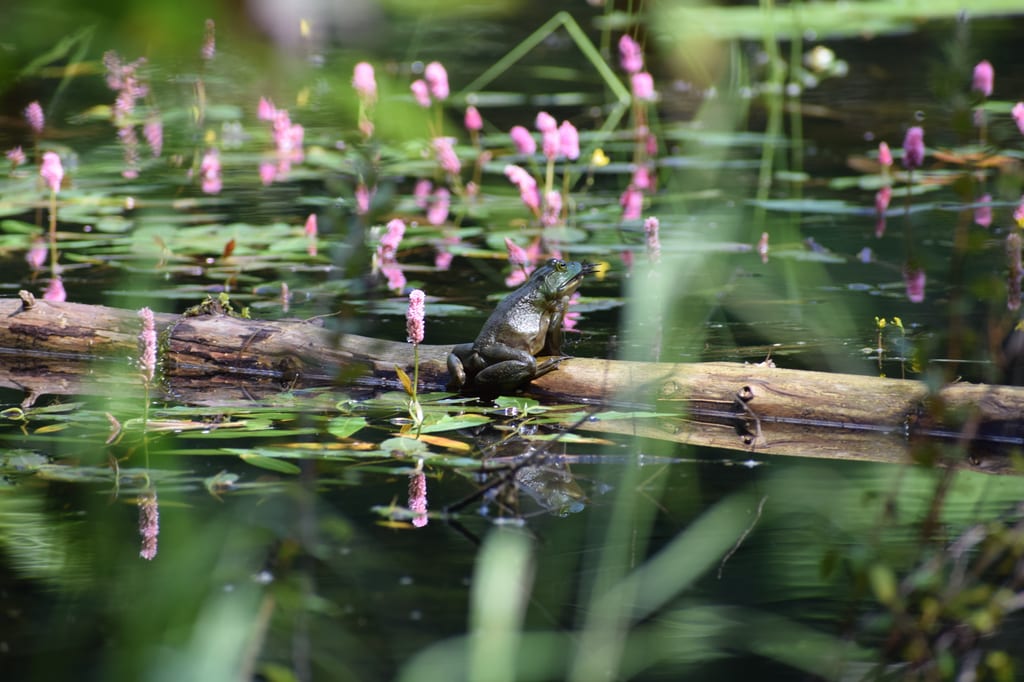
The reserve is home to a rich mosaic of forests, wetlands and cliffs that support a remarkable diversity of life. Many animals rely on these habitats for food, shelter and breeding, including the smooth greensnake and pickerel frog. Keeping these natural areas connected and healthy gives wildlife the space and resources they need not only to survive, but to thrive. These habitats also benefit surrounding communities by filtering and storing water, reducing erosion and flooding, and providing opportunities for people to experience and connect with nature close to home.
Why is action needed now?
As the region grows and more people visit, ongoing protection, restoration and stewardship are essential to keeping this landscape healthy and resilient. Continued care, management and monitoring will ensure the reserve continues to support wildlife, benefit nearby communities and contribute to a healthier landscape beyond its borders.
Where the peregrine falcon calls home
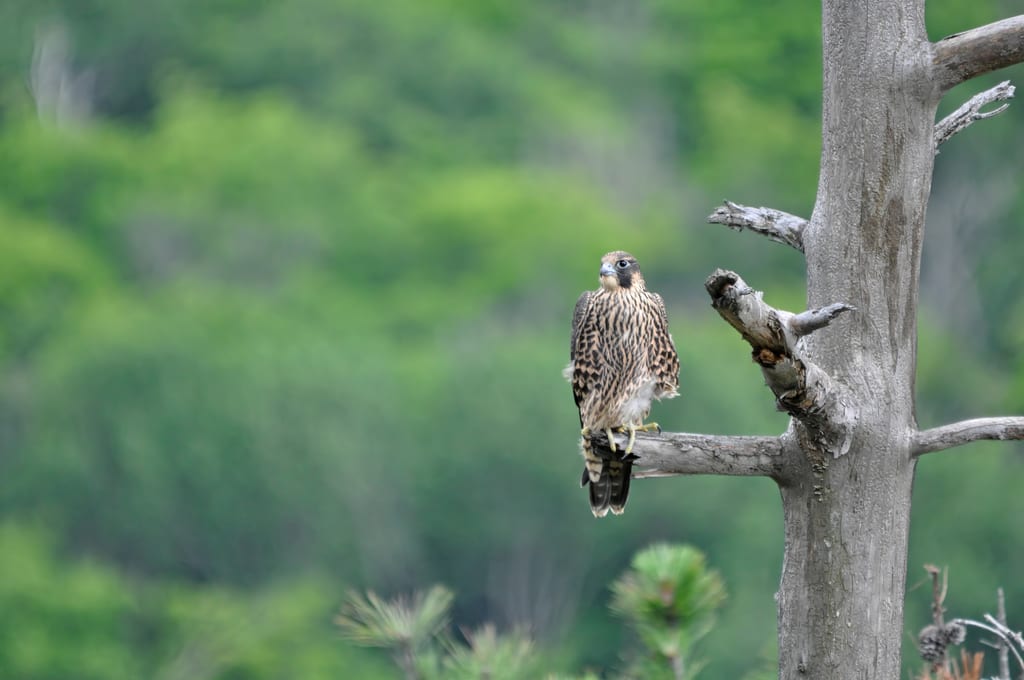
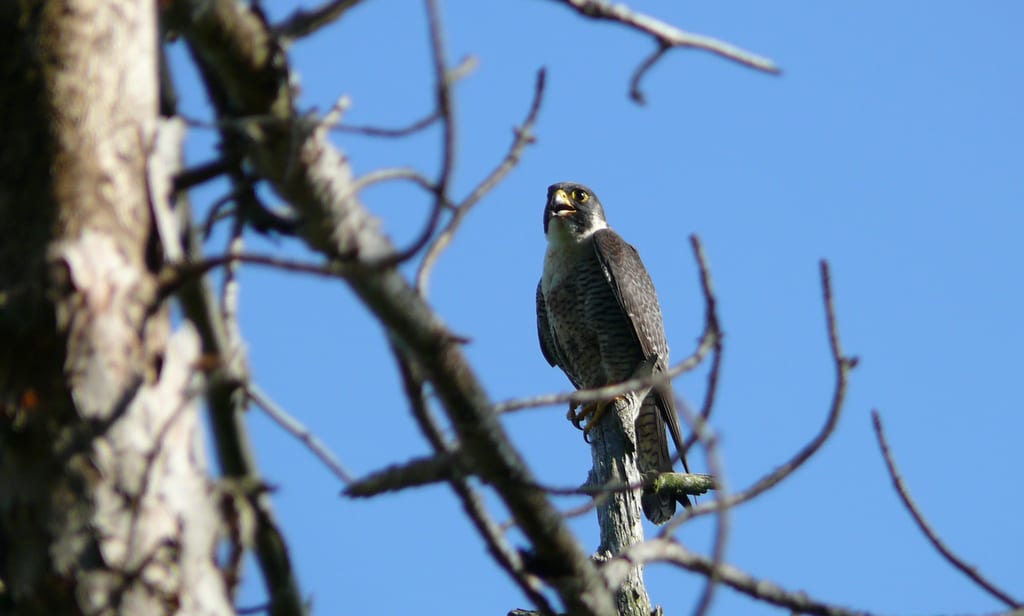
The peregrine falcon is one of the fastest animals on Earth, and it nests on high, undisturbed cliffs like those found at the Alfred-Kelly Nature Reserve. Once in serious decline, the falcon has recovered with careful protection of its nesting sites. By protecting these cliffs and limiting disturbance, we help ensure this remarkable bird can keep returning to raise its young.
The plan in action
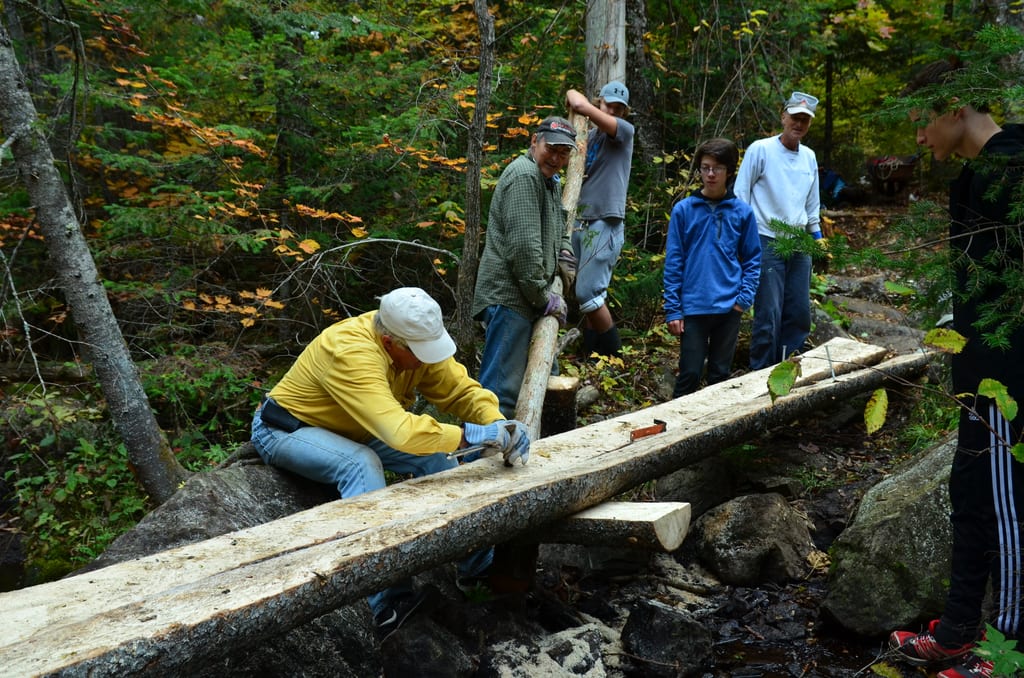
We’re taking ongoing action to keep the Alfred-Kelly Nature Reserve healthy, connected and thriving. Through conservation, ongoing stewardship and responsible access, we’re caring for its forests, wetlands and cliffs while giving wildlife the space they need to thrive. Together, these efforts ensure this natural refuge remains part of the Laurentians forever.
Protect
We are permanently protecting nearby ecologically significant areas to strengthen the reserve, maintain habitat connectivity and support a healthy broader landscape.
Steward
We are maintaining the reserve’s health through habitat restoration, wildlife monitoring, visitor management and measures that reduce disturbance to sensitive habitats and species.
Connect
We are creating opportunities for people to responsibly explore, learn about and connect with nature while ensuring recreation supports the reserve’s conservation goals.
Protect places like this, forever

Our partners
The Alfred-Kelly Nature Reserve is protected and cared for with the support of our donors, partners and surrounding communities.
We would particularly like to acknowledge the contribution of the late Mr. Allan Aitken, who made it possible to acquire part of the reserve through the charitable organization E.R.S. Youth Development.




Featured stories
AB Alberta
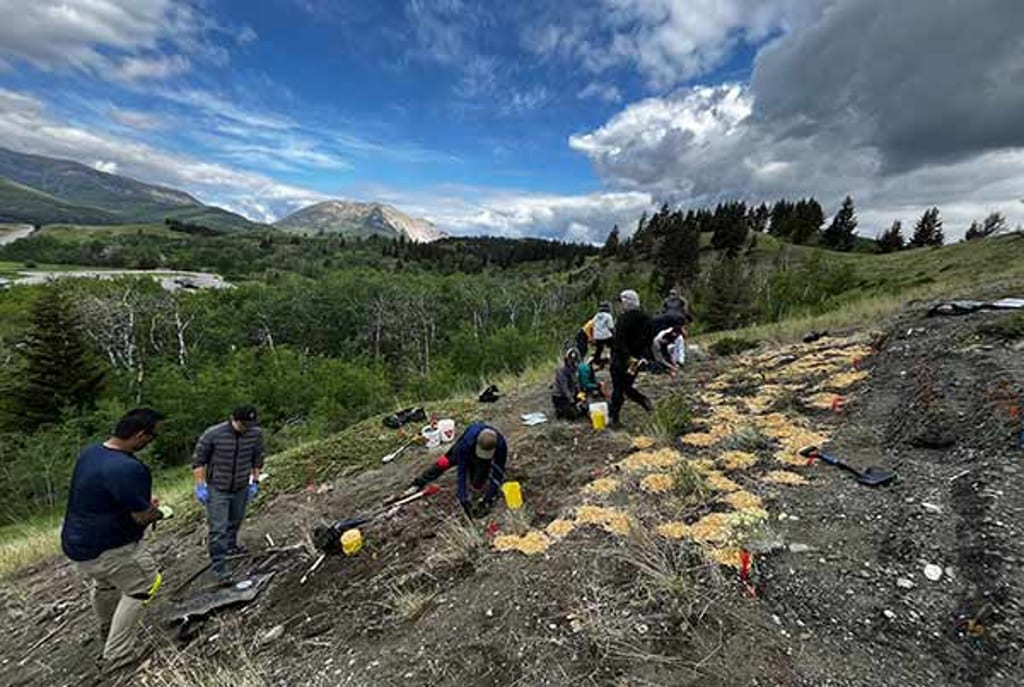
Amping up grassland restoration with fungi
March 31, 2026
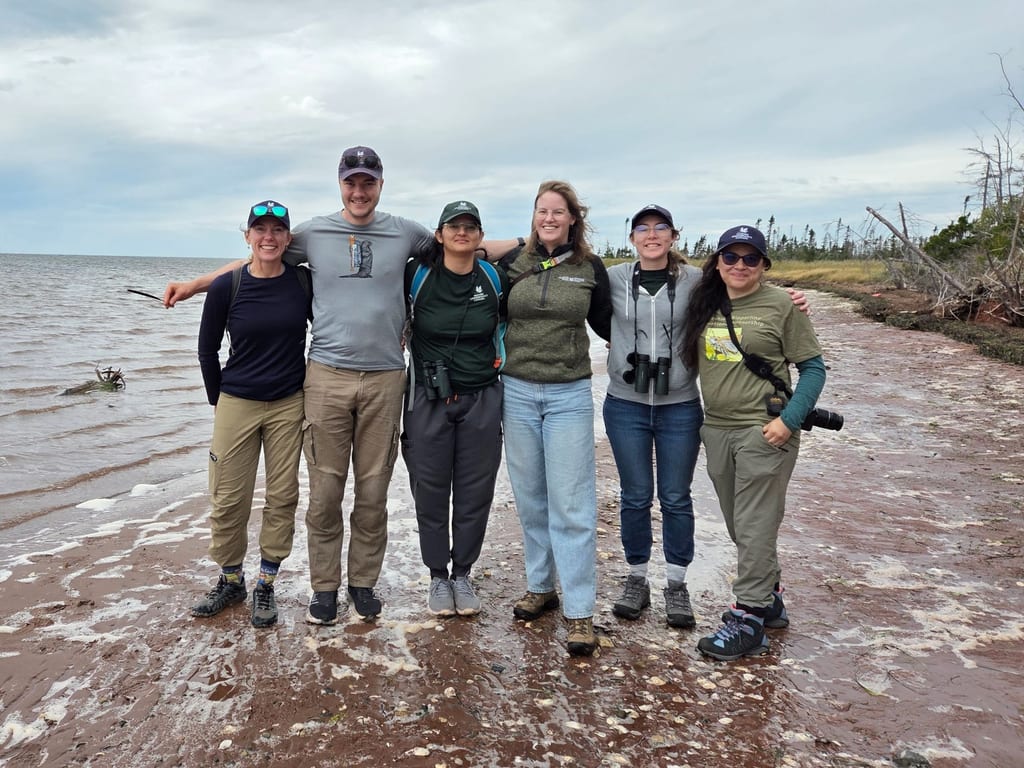
Canada
Hope, insights, and awareness for invasive species management
February 26, 2026
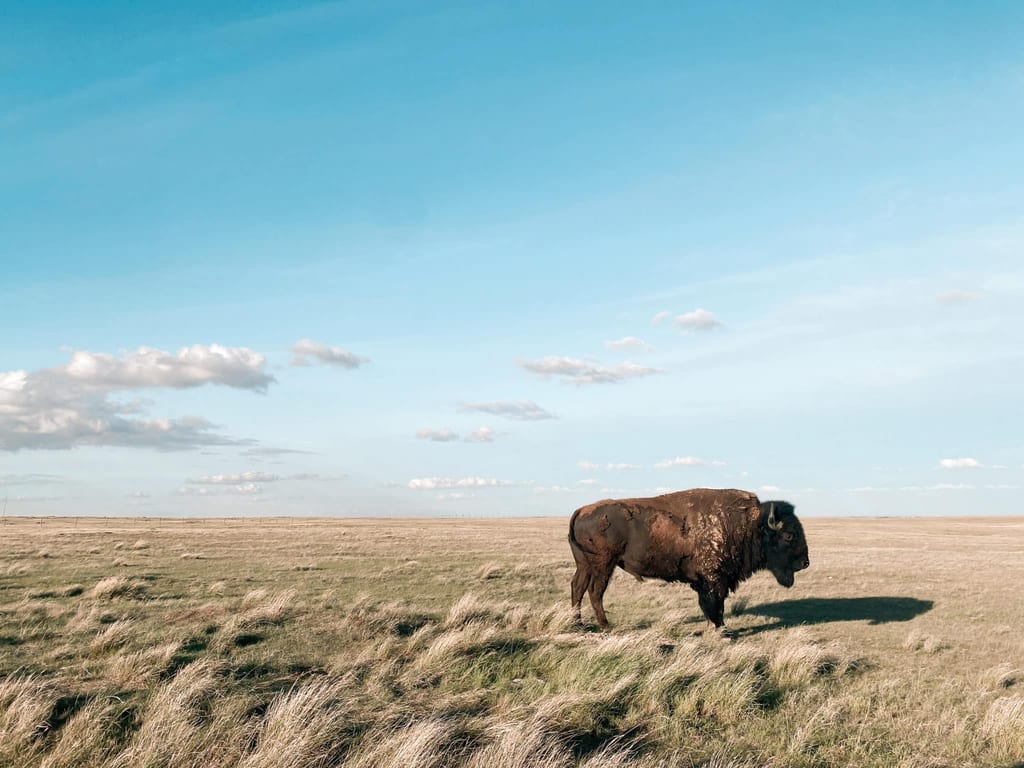
SK Saskatchewan
The sound of the prairie: Why grazing management matters
November 26, 2025

Canada
Studying recreation so people and nature can thrive
October 10, 2025
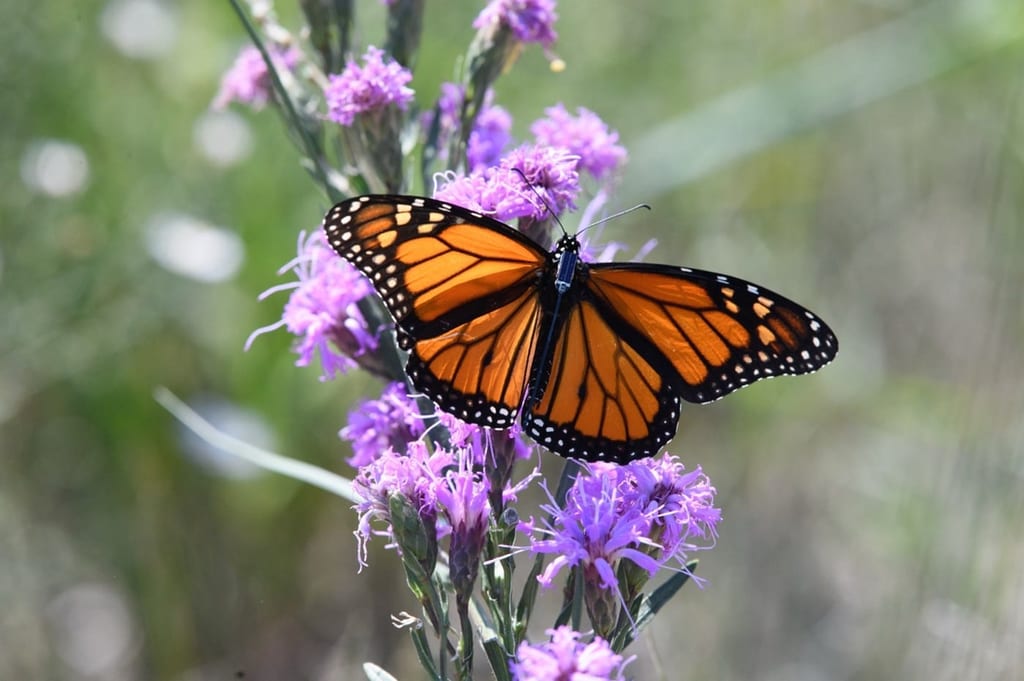
ON Ontario
Advancing conservation: in the field with butterflies
October 6, 2025
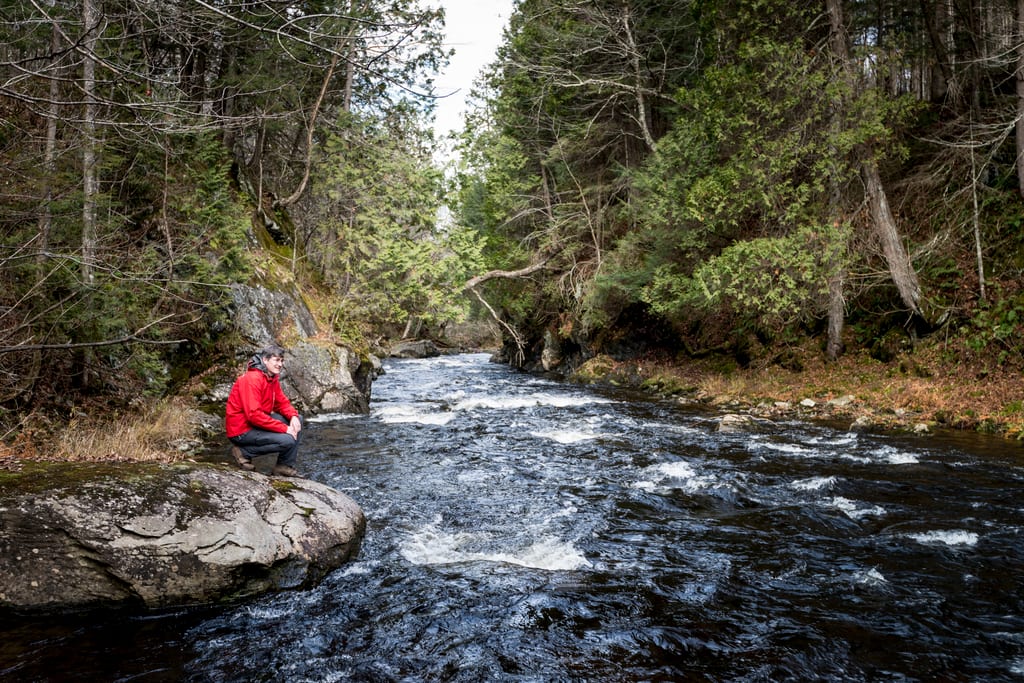
Canada
Water is life — and it begins with land
October 6, 2025
Canada
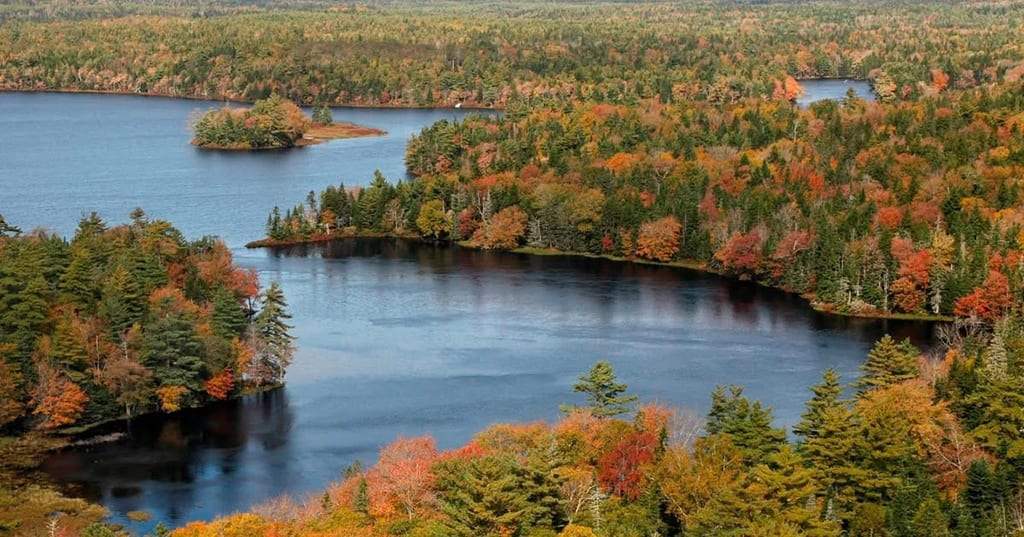
Canada’s forests: the roots of a resilient nation
September 24, 2025
Canada
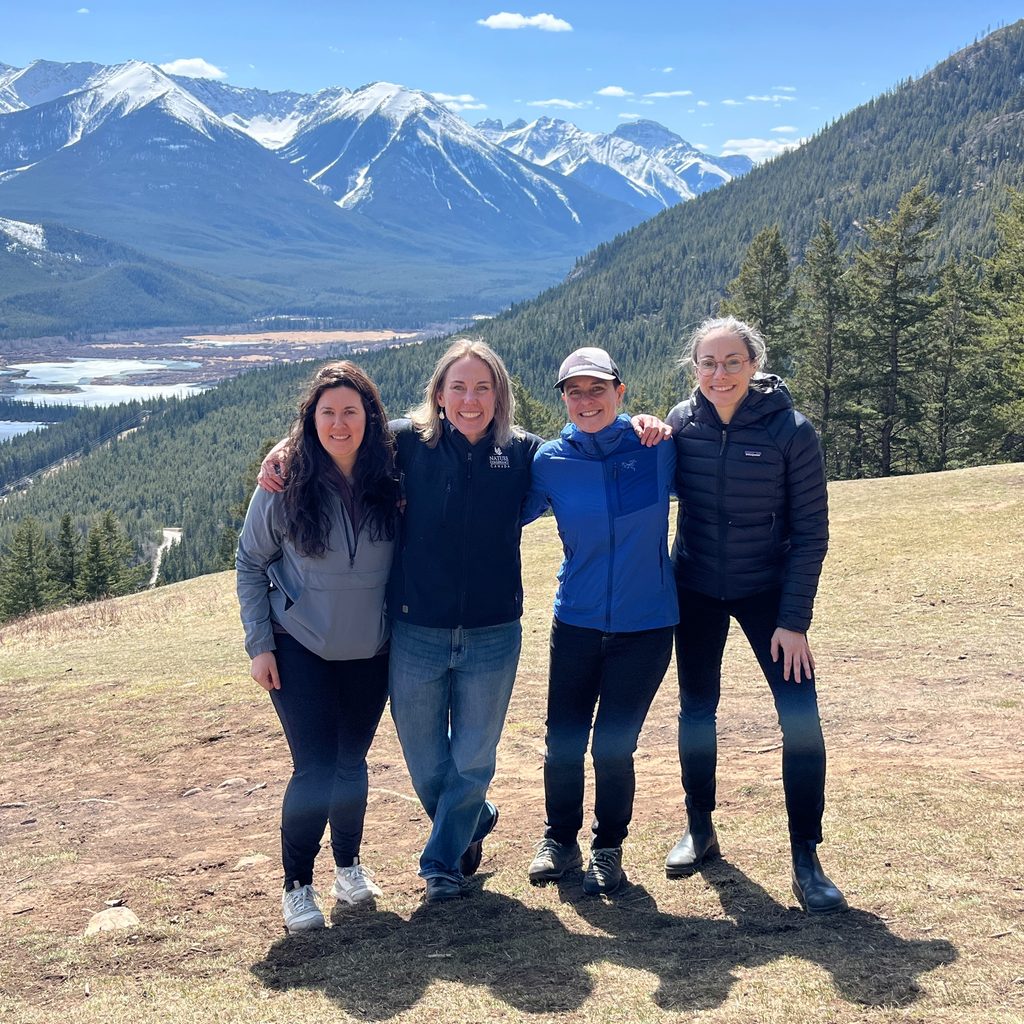
NCC shares expertise at the Canadian Ecological Connectivity Conference
July 30, 2025
Canada
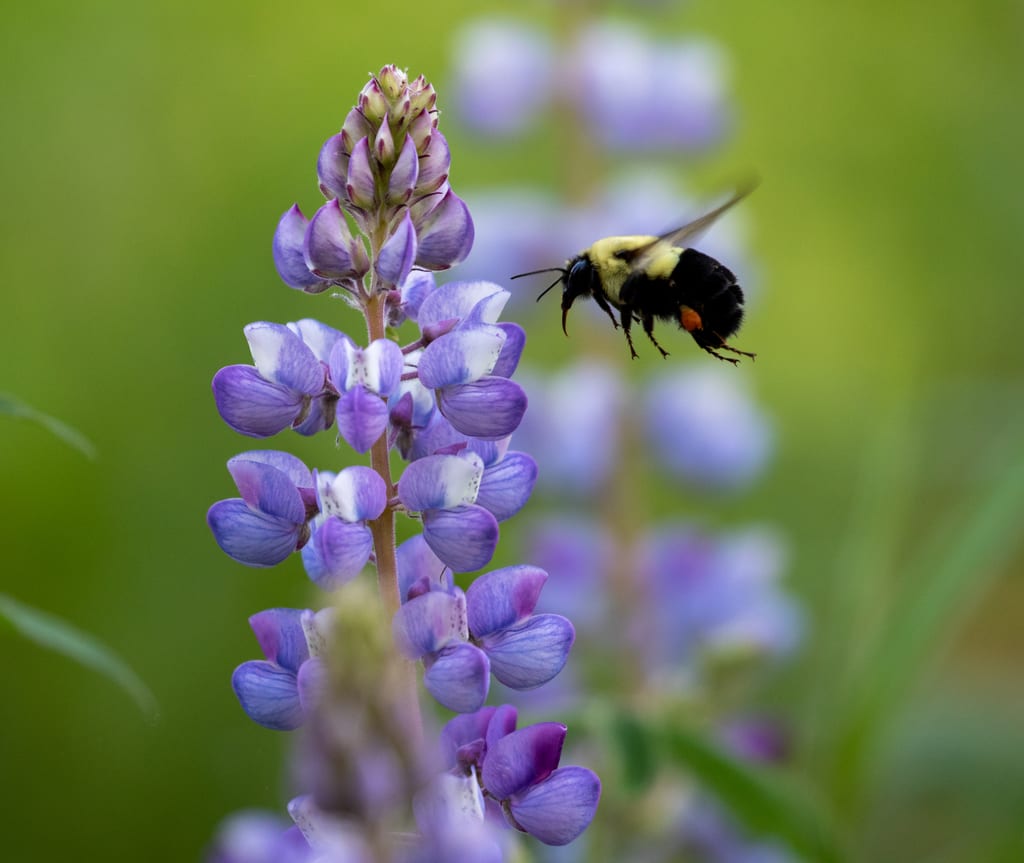
Pollinators and the future of food
June 14, 2025
Canada
Harnessing technology for conservation: A new era for Canada’s ecosystems
May 15, 2025
Wild news, straight from the field
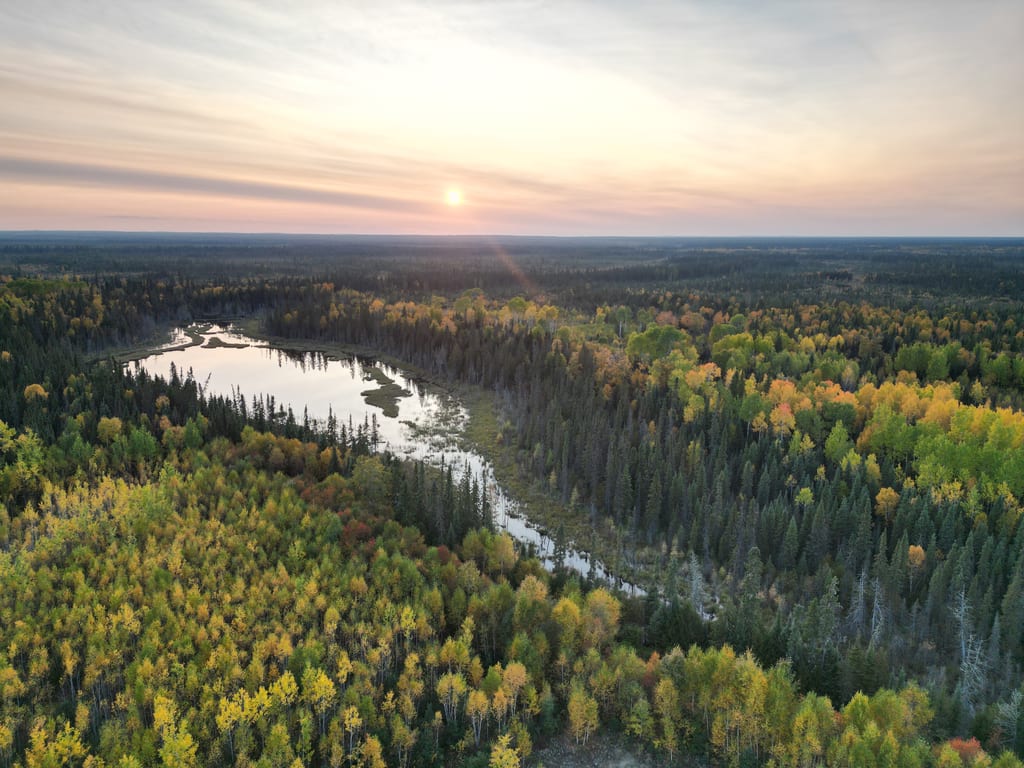
ON Ontario
Boreal forest and peatlands secured to support climate resilience
October 13, 2026
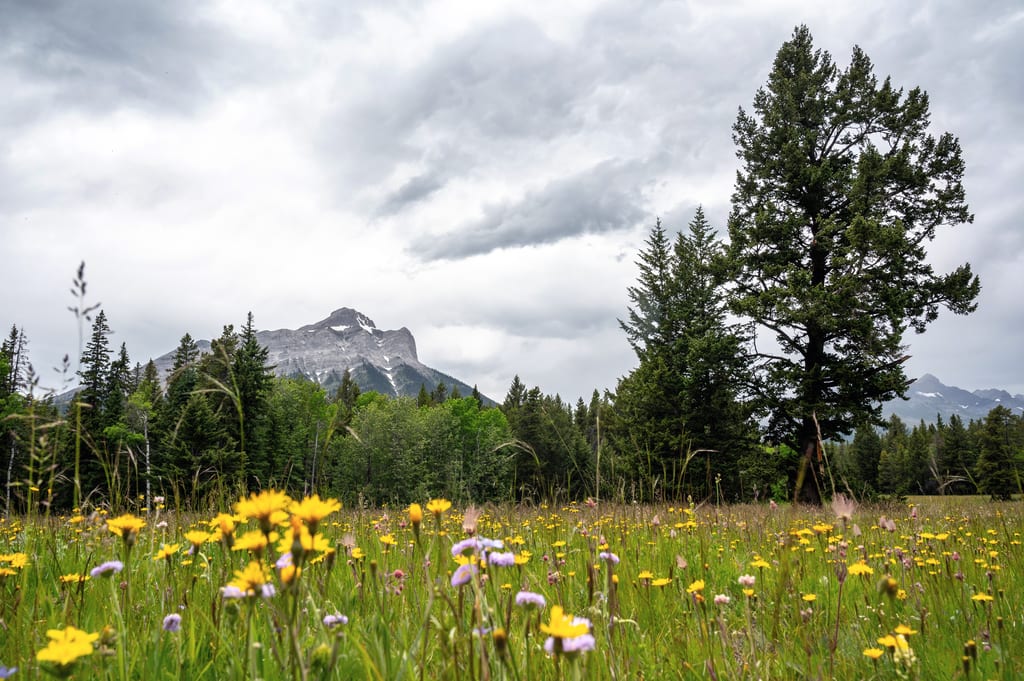
AB Alberta
Kropinak family’s century of stewardship helps secure a critical Rocky Mountain wildlife corridor
September 15, 2026
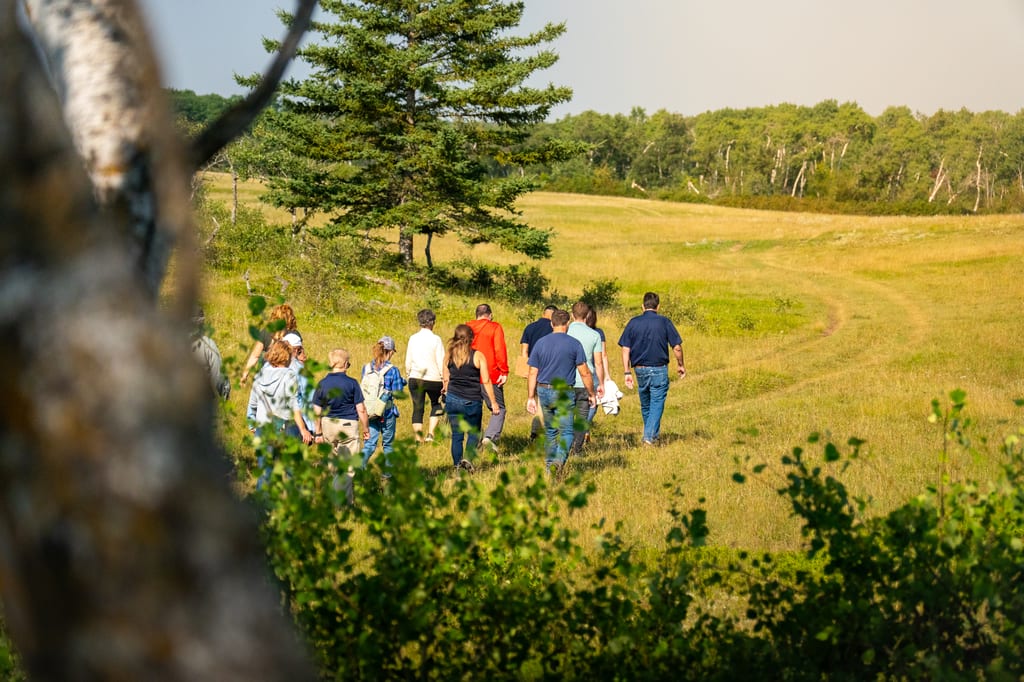
MB Manitoba
Manitoba community leads the way in conserving nature and supporting local livelihoods
September 10, 2026
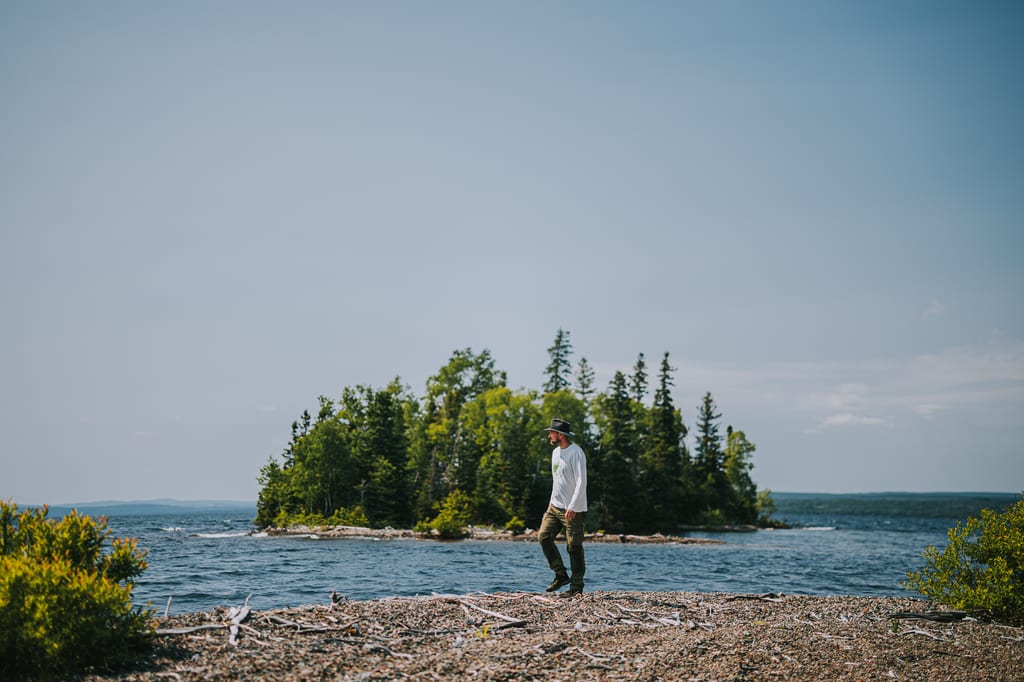
NL Newfoundland and Labrador
New conservation area protects vital Newfoundland watershed
August 27, 2026
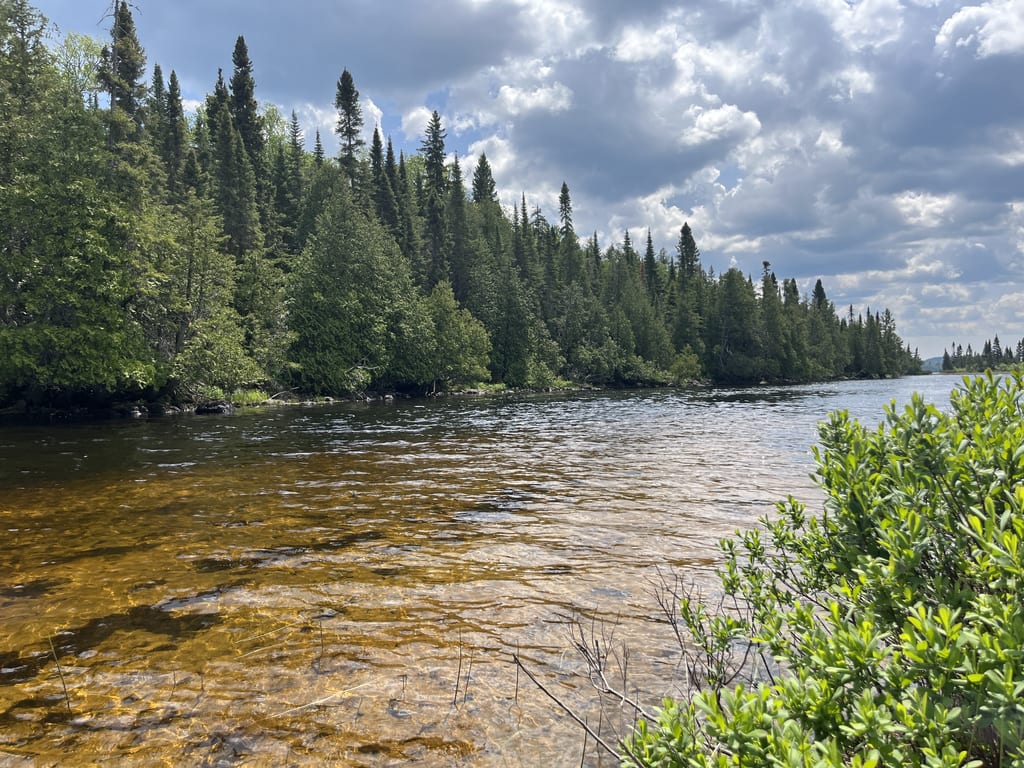
ON Ontario
New boreal conservation area strengthens communities and protects iconic northern landscapes
August 11, 2026
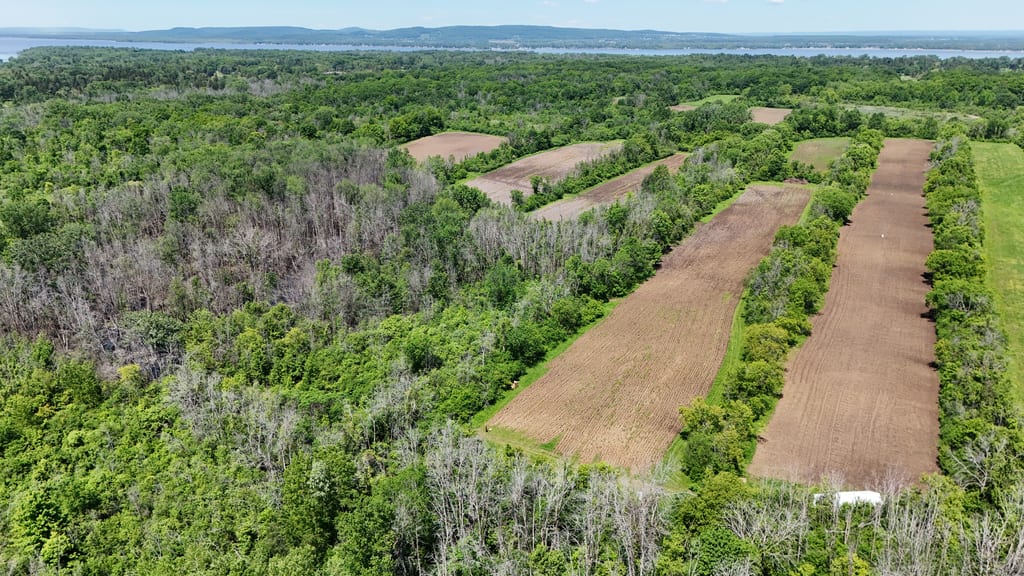
QC Quebec
Where agriculture meets conservation: an unprecedented approach in Montréal
July 15, 2026
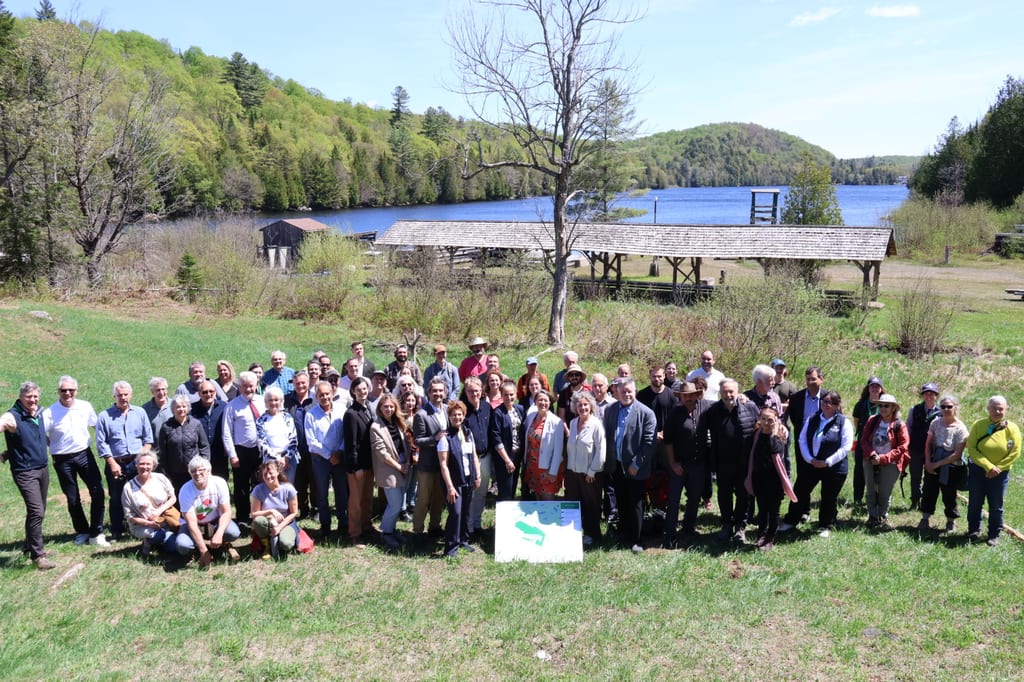
QC Quebec
Tamaracouta: an iconic site protected and accessible to the community
May 20, 2026
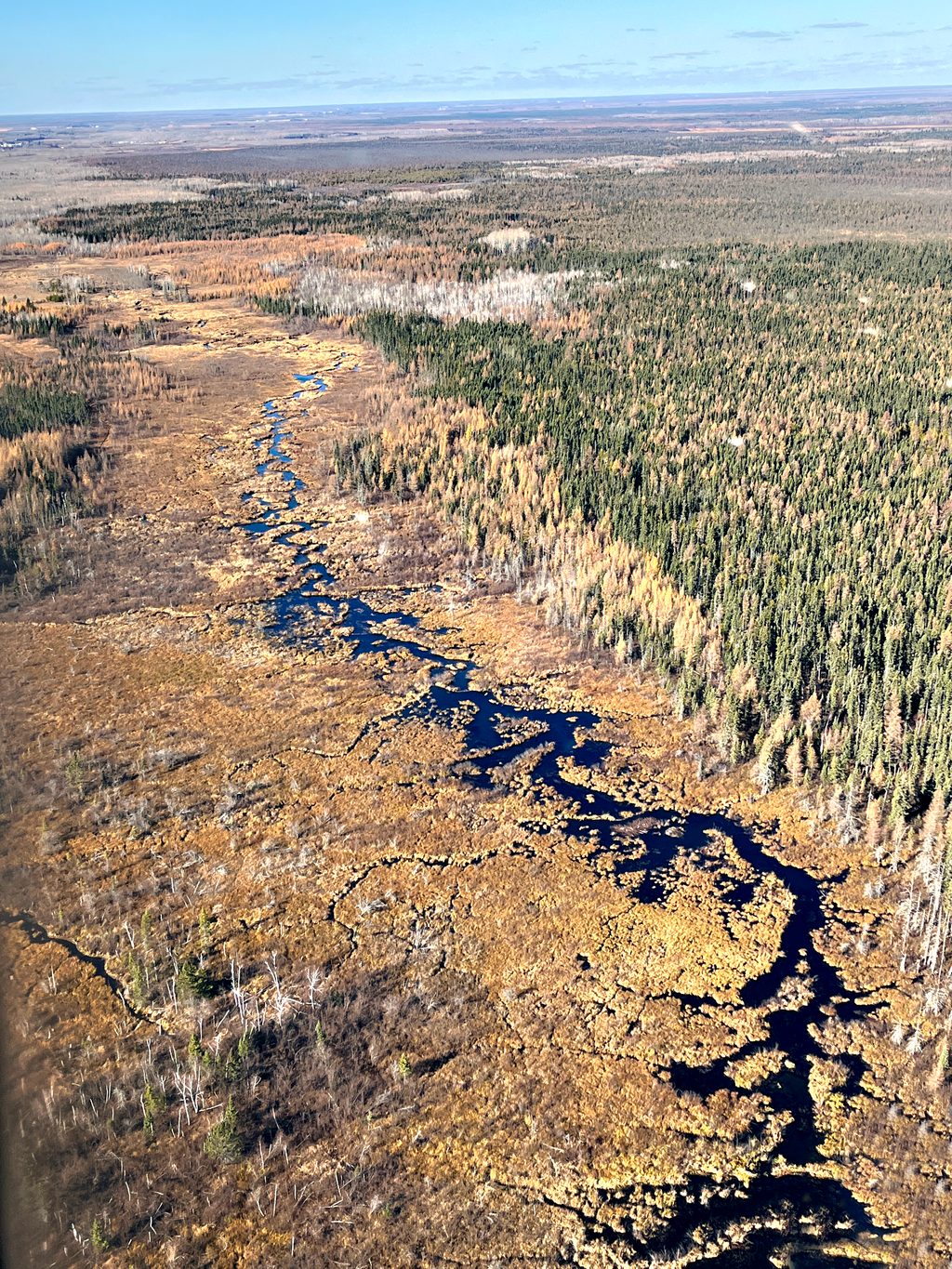
MB Manitoba
Family legacy helps secure carbon-storing powerhouse
April 16, 2026
ON Ontario
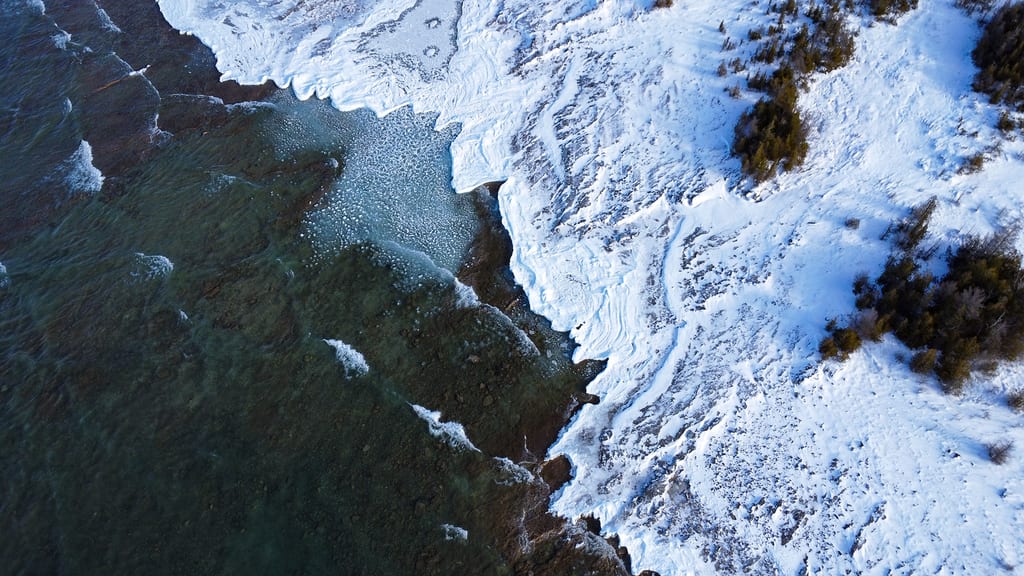
Key link protected in Great Lakes biodiversity hotspot, strengthening conservation network
March 31, 2026
SK Saskatchewan
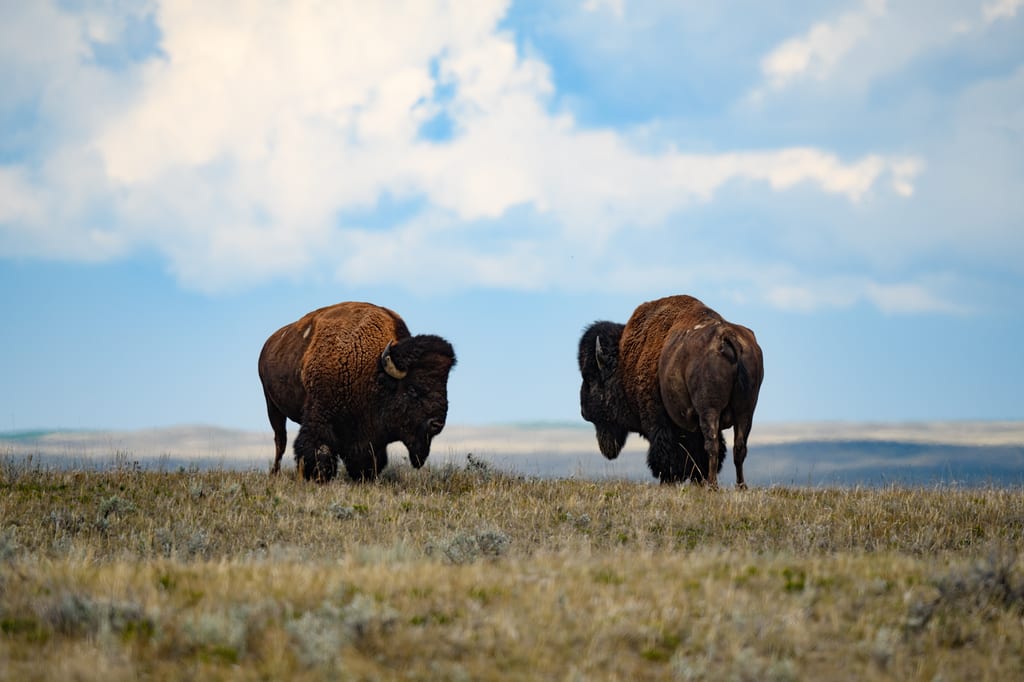
Plains bison welcomed back to the Kahkewistahaw First Nation in Saskatchewan
March 30, 2026