“Opportunities to conserve large tracts of private land are rare, and when they arise, it’s important to move quickly so nature can continue caring for people and communities for generations.”Dana Kleniewski, Regional Vice-President, Ontario, NCC

Across northern Ontario, we’re protecting vast boreal forest and peatlands that are vital to our planet’s health. These powerful ecosystems store vast amounts of carbon, filter our drinking water and provide habitat for wildlife, while strengthening northern communities. Together, we can protect this remarkable landscape forever.

Table of contents
Location
Ontario
Conserved since
2022
Habitat(s)
Forest, Peatlands, Wetlands, Lakes and rivers
Needs support now
Protect places like this, forever
Boreal forest at a glance
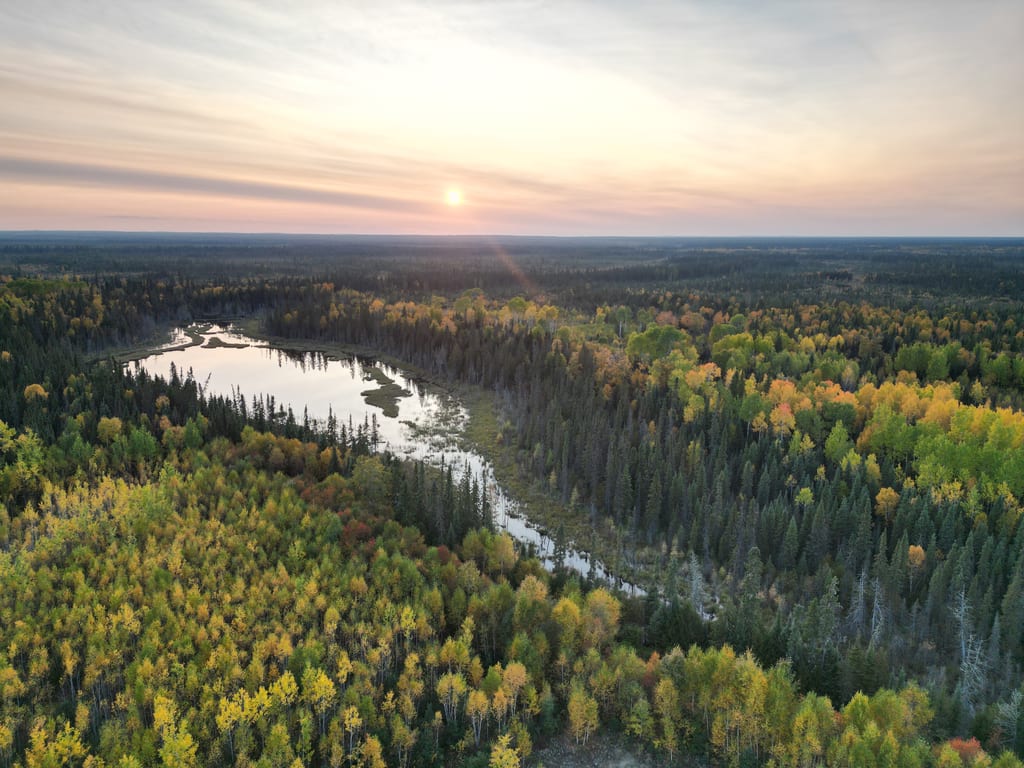
The boreal forest is one of the largest intact forests left on Earth, and northern Ontario holds a substantial share of it.
For thousands of years, these forests, wetlands and peatlands have created a vast, connected landscape that stores carbon, provides clean water and supports wildlife. Protecting it helps people and nature thrive now and in the future.
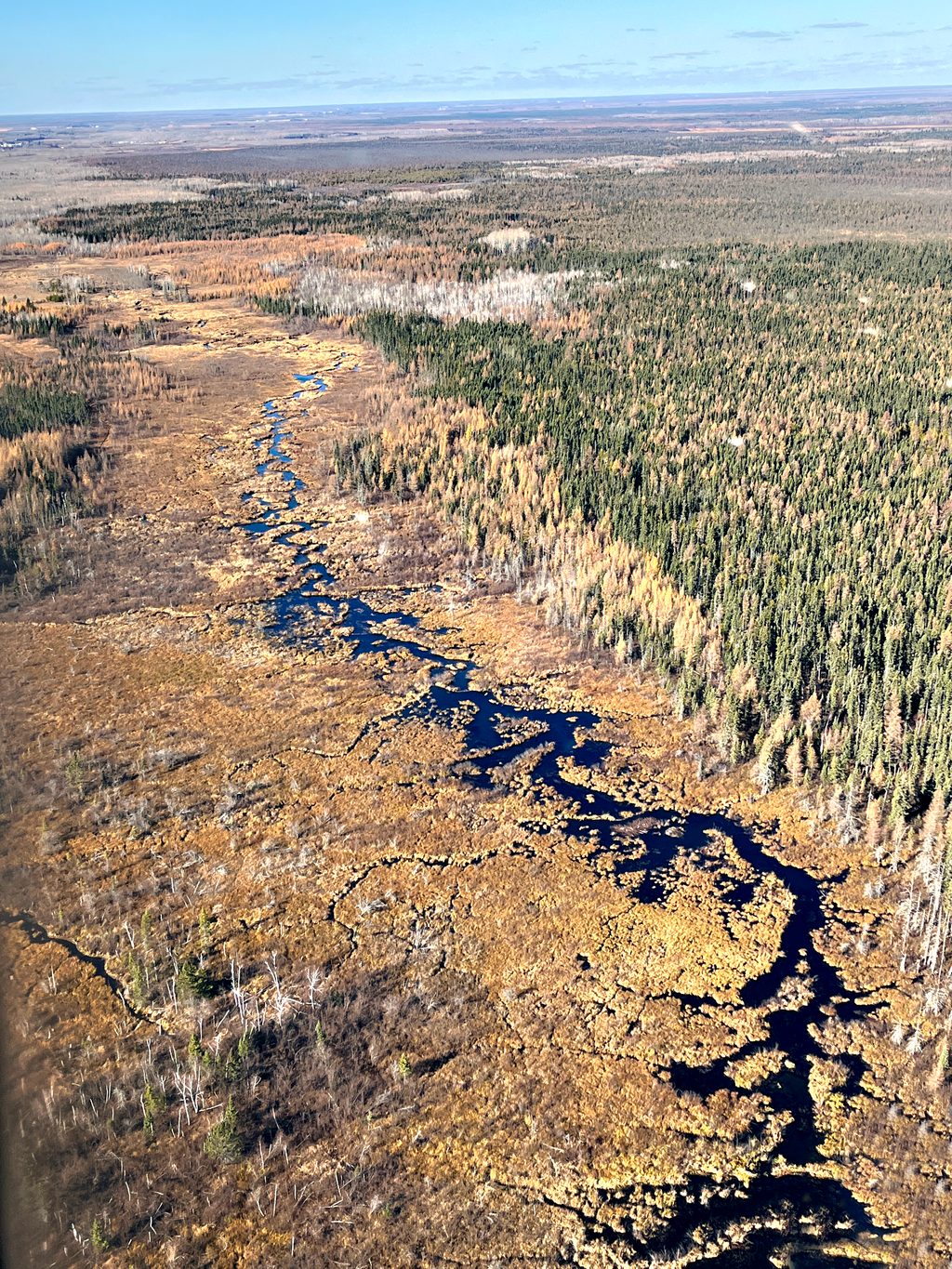
The boreal forest, together with its peatlands and soils, is the largest terrestrial carbon storehouse on the planet. Its deep peatlands capture and store carbon at the highest rates of any northern ecosystem.
Hundreds of lakes, rivers and wetlands weave through northern Ontario’s boreal landscape. These natural systems work together to filter and store water, protect against flooding and deliver cleaner water to communities downstream.
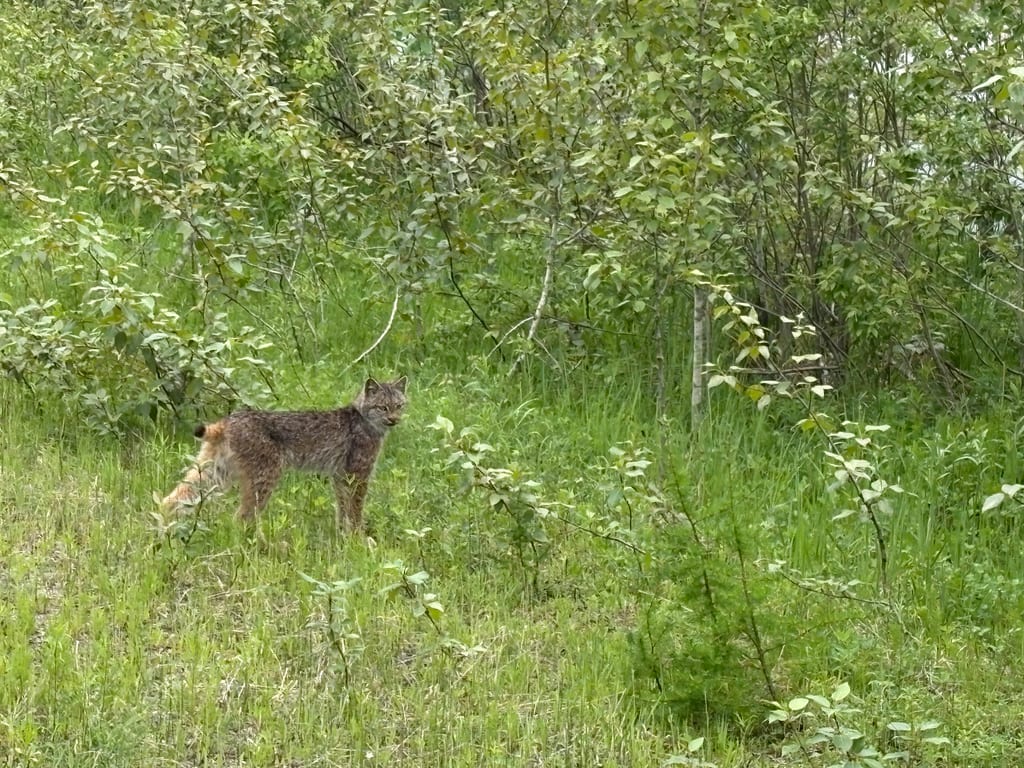
Large, connected forests give animals the space they need to move, find food and raise their young. The boreal forest is home to species such as woodland caribou, Canada lynx, moose and black bear. It is also an important breeding area for millions of migratory birds.
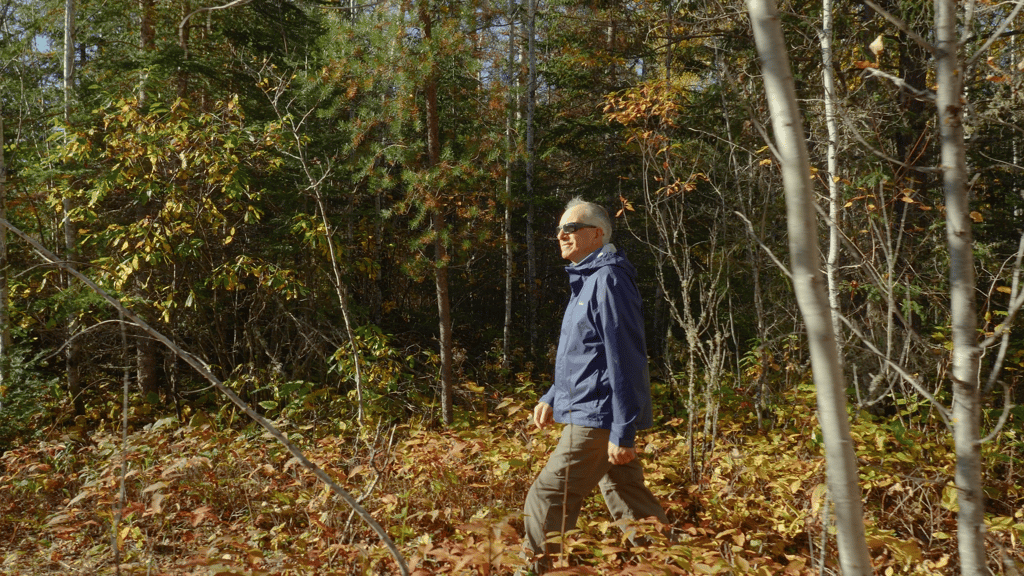
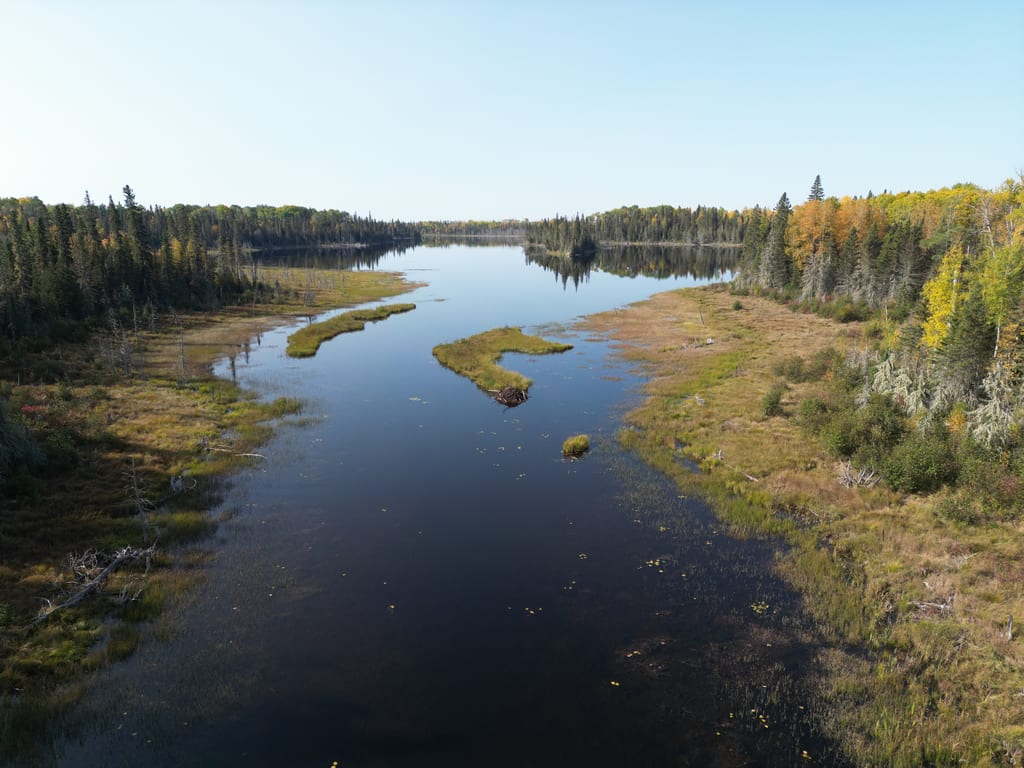
Northern Ontario’s boreal forest is a natural asset that supports communities, wildlife and the economy. As the North continues to grow and change, protecting large, connected landscapes helps ensure these benefits continue for future generations. Together with partners, we are working to conserve the boreal forest so people and nature can thrive.
The boreal forest contains some of the planet’s last intact forest ecosystems, stores immense amounts of carbon, safeguards freshwater and supports wildlife at scale.
Ontario’s boreal forest plays a vital role in supporting clean water, reducing climate risks and sustaining communities. Once lost, these ecological functions cannot simply be recreated.
The boreal forest and its peatlands have formed over thousands of years. Today, they are under increasing pressure from fragmentation, land use change and a shifting climate. As landscapes become more divided, their ability to store carbon, filter freshwater and sustain biodiversity can be diminished. There is a critical opportunity to secure these landscapes now, before it’s too late.
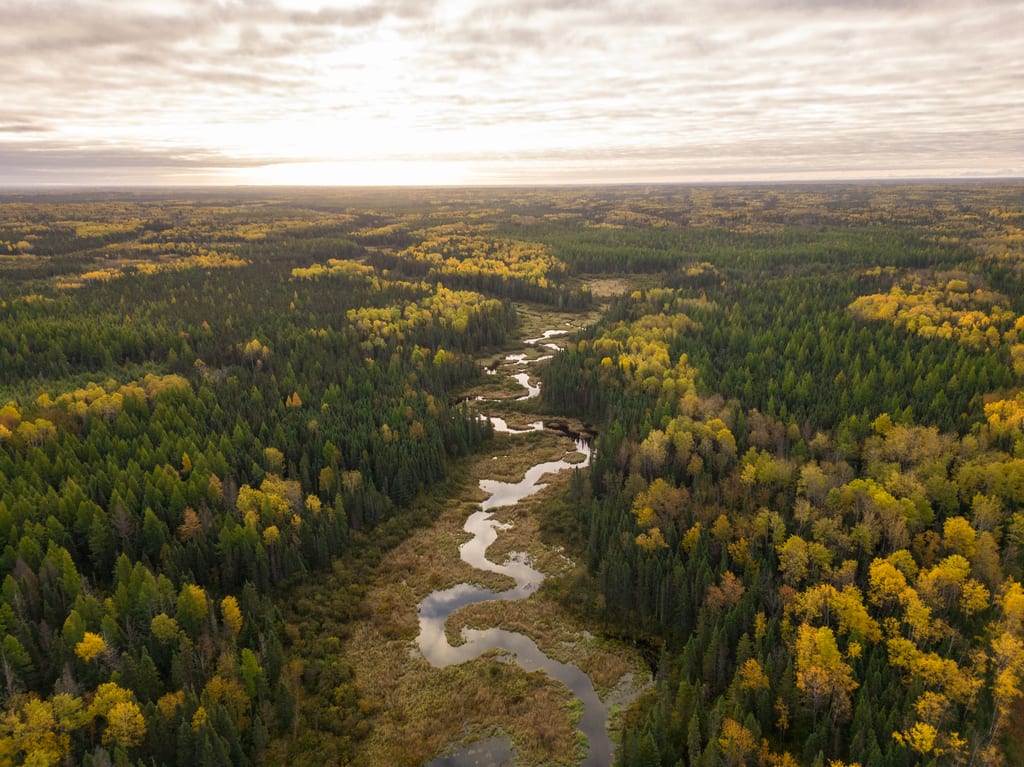
The boreal forest has sustained life for thousands of years. Together, we can protect this vital landscape and ensure it continues to support wildlife and communities for generations to come.
The Canada lynx is a wide-ranging hunter, needing expansive, connected landscapes to hunt, roam and raise its young. Because it needs a lot of space, conserving habitat for the lynx protects countless other boreal species, too. By protecting forests and peatlands at a landscape scale in northern Ontario, we give this elusive cat the room it needs to thrive.
“Opportunities to conserve large tracts of private land are rare, and when they arise, it’s important to move quickly so nature can continue caring for people and communities for generations.”Dana Kleniewski, Regional Vice-President, Ontario, NCC
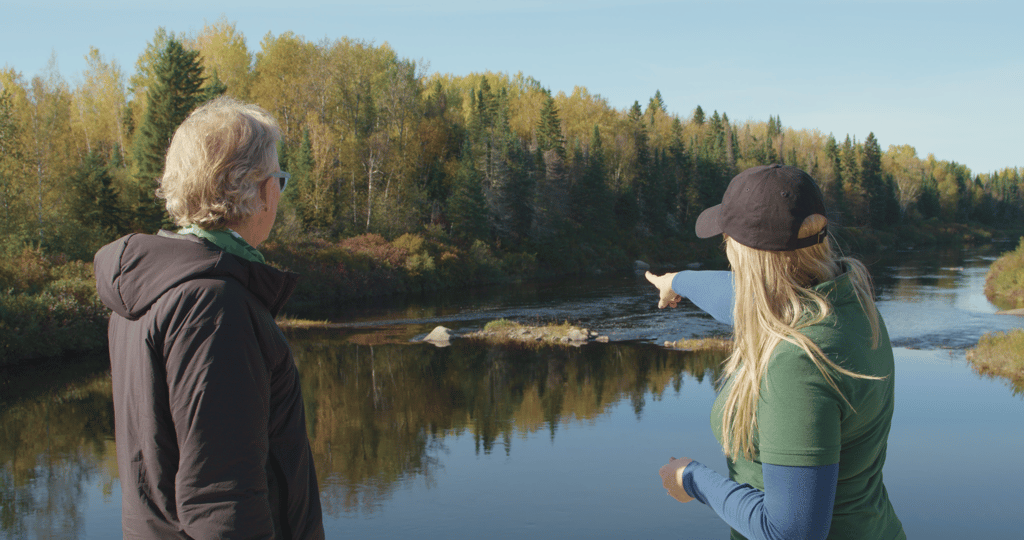
We’re protecting large, connected boreal landscapes so wildlife can move freely and ecosystems can function as they should. But protection is only the beginning. Land maintenance, ecological monitoring and habitat restoration keep these landscapes healthy and resilient for the long term.
Our work includes activities like planting native species to restore former logging roads. This helps reconnect habitat and improve movement corridors for declining species like the woodland caribou. We’re also exploring innovative nature financing, creating value that flows back into protecting and caring for these lands forever.
In 2022, we protected 145,000 hectares of boreal forest, wetlands, rivers and creeks south of Hearst, creating the largest private land conservation project in Canadian history. This vast, connected landscape provides space for wildlife to move, protects important freshwater systems and keeps enormous amounts of carbon stored safely in the ground. This landmark achievement shows what’s possible when we come together to protect the lands and waters that sustain us all.
In 2026, we safeguarded more than 8,100 hectares of forests, lakes and wetlands near Pukaskwa National Park, extending the benefits of conservation beyond the park’s boundaries. The landscape spans three watersheds and includes 16 fish-bearing lakes that support clean water, traditional harvesting and food security for nearby communities. Its mixed-wood forests also provide important habitat for more than 12 species at risk while strengthening the region’s resilience to wildfire and a changing climate.
South of Kapuskasing, we’re protecting 81,475 hectares of connected forests and ancient peatlands that form one of Canada’s largest and most carbon rich conservation areas. Together, these ecosystems store carbon equivalent to the annual emissions of 34 million cars, while continuing to capture more carbon each year.
As a registered carbon project, Taiga Forests and Peatlands will generate additional investment used to conserve and care for properties across Canada.
Protect places like this, forever
AB Alberta
March 31, 2026
Canada
February 26, 2026
SK Saskatchewan
November 26, 2025

Canada
October 10, 2025
ON Ontario
October 6, 2025
Canada
October 6, 2025
Canada
September 24, 2025
Canada
July 30, 2025
Canada
June 14, 2025
Canada
May 15, 2025
ON Ontario
October 13, 2026
AB Alberta
September 15, 2026
MB Manitoba
September 10, 2026
NL Newfoundland and Labrador
August 27, 2026
ON Ontario
August 11, 2026
QC Quebec
July 15, 2026
QC Quebec
May 20, 2026
MB Manitoba
April 16, 2026
ON Ontario
March 31, 2026
SK Saskatchewan
March 30, 2026