Bunchgrass Hills Conservation Area
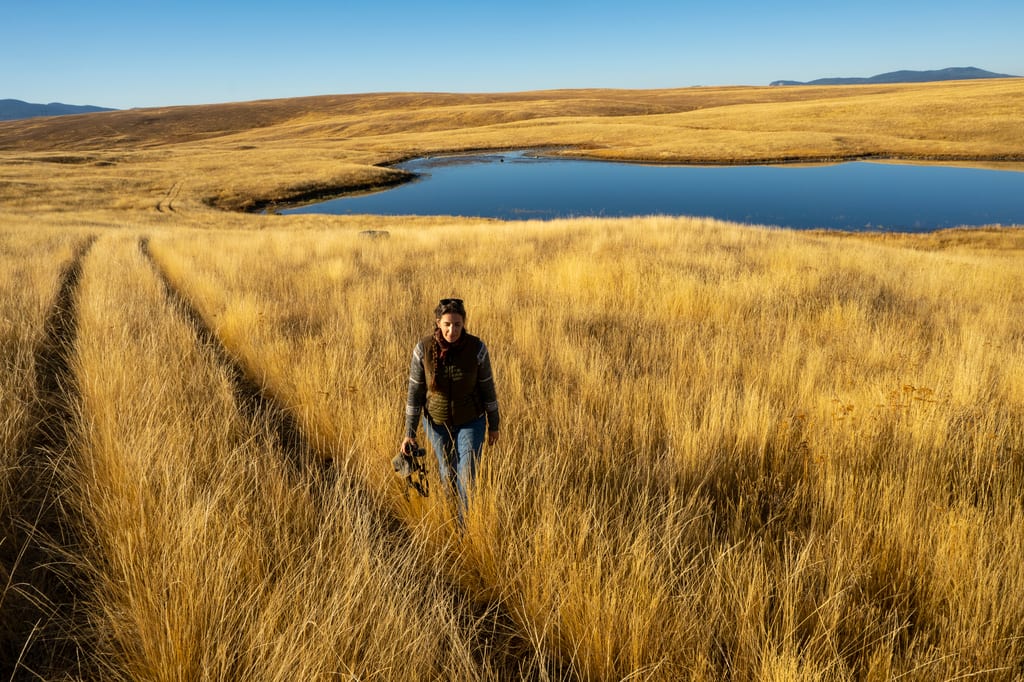
South of Kamloops, Bunchgrass Hills protects one of BC’s rarest ecosystems. Grasslands make up only 1% of the province, yet they support more than 30% of its species at risk. Bunchgrass Hills anchors our work in the area, where we have conserved a network of more than 10,000 hectares of this vanishing prairie. Together, we can protect and connect more of this endangered ecosystem for the wildlife and people that depend on it.

Table of contents
Location
British Columbia
Conserved since
2023
Habitat(s)
Grassland, Forest, Wetlands, Lakes and rivers
Needs support now
Protect places like this, forever
Bunchgrass Hills at a glance
- Bunchgrass Hills spans more than 6,100 hectares of native grassland, dry forest, wetlands and small lakes.
- These habitats are home to 17 species at risk, including the endangered American badger.
- This landscape is part of a larger network of grasslands protected in the BC interior, keeping this important habitat connected for wildlife.
Why protecting Bunchgrass Hills matters
Grasslands are among the most endangered and least protected ecosystems in the world. Bunchgrass Hills is a rare and remarkable landscape where native grasslands, open forests and wetlands provide vital habitat for species at risk. Conserving this area means protecting an ecosystem that is increasingly at risk while maintaining the natural systems that support both wildlife and communities.
A bigger conservation picture
Bunchgrass Hills is part of a growing network of protected grasslands south of Kamloops. Together, we’ve conserved more than 10,000 hectares in the region, creating larger, more connected areas of habitat and giving wildlife the space they need to move, find food, mate and seek shelter.
Rare grassland, teeming with life
Grasslands cover less than 1% of BC, yet they support more than 30% of the province’s species at risk. Bunchgrass Hills is home to several of these species, including the endangered American badger and threatened Lewis’s woodpecker, Great Basin gophersnake and Great Basin spadefoot toad. The area also supports 25 at-risk plant communities, including the giant wildrye plant community and several ponderosa pine plant communities.
Healthy land, healthy communities
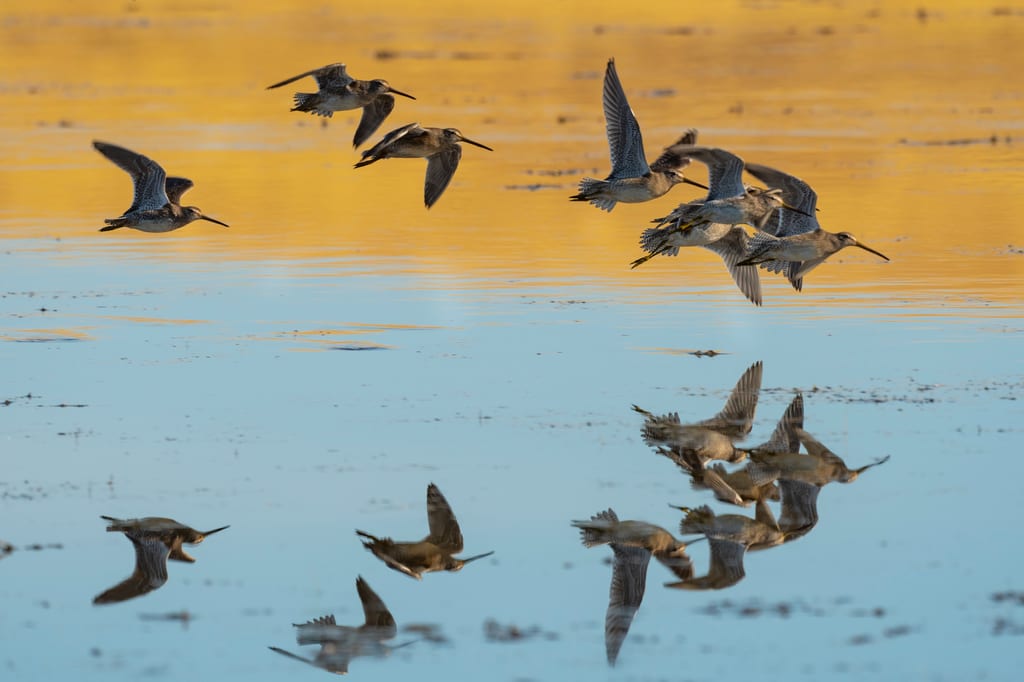
Bunchgrass Hills is a mosaic of grasslands, open forests, wetlands and small lakes, with freshwater flowing into the South Thompson and Nicola River watersheds. These natural systems provide benefits far beyond the boundaries of the conservation area. Healthy grasslands and wetlands store carbon, filter water, reduce erosion and absorb and hold water during heavy rain, making landscapes more resilient during drought and floods. Protecting them means healthier soils, cleaner water and greater climate resilience for nearby communities.
What’s at stake?
British Columbia’s grasslands are disappearing. As nearby communities grow and development pressures increase, native grasslands are becoming more and more fragmented or being lost altogether. Once lost, the plants and wildlife that depend on these habitats vanish alongside them. Because grasslands are already so rare and support so many at-risk species, protecting large, intact areas like Bunchgrass Hills is one of the most significant things we can do for BC’s biodiversity, now and for the future.
What could be lost?
Bunchgrass Hills is made up of a diverse mosaic of habitats that provide wildlife with the space to move, find food, mate and seek shelter. Losing these connected habitats would mean losing more than individual pieces of land. It would break apart the larger landscape that wildlife and natural processes depend on.
Why does it matter?
Grasslands do more than provide vital habitat for wildlife. They store vast amounts of carbon, absorb and filter water, and sustain healthy soils and pollinators. As climate change intensifies, healthy grasslands buffer nearby communities from floods and drought, reducing risks to our homes, families and local economies while protecting the natural systems we all rely on.
Why is action needed now?
Growing development pressures are putting native grasslands at risk of severe fragmentation and permanent loss. Once grassland habitat is fragmented or destroyed, it becomes almost impossible to recover, putting the wildlife and communities that depend on it at risk. By acting now, we can protect this landscape before it’s too late, keeping it healthy, connected and thriving forever.
Explore the rare grasslands of Bunchgrass Hills.
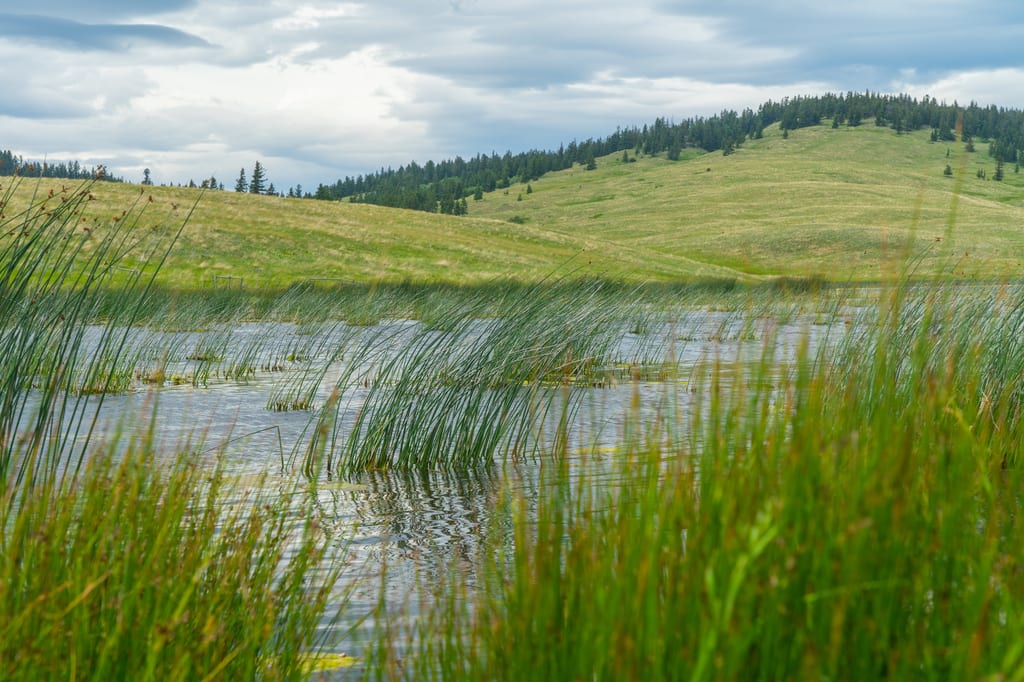
Grasslands are one of the most endangered ecosystems in the world. Together, we can keep Bunchgrass Hills and surrounding grasslands connected and protected forever.
Where the American badger calls home
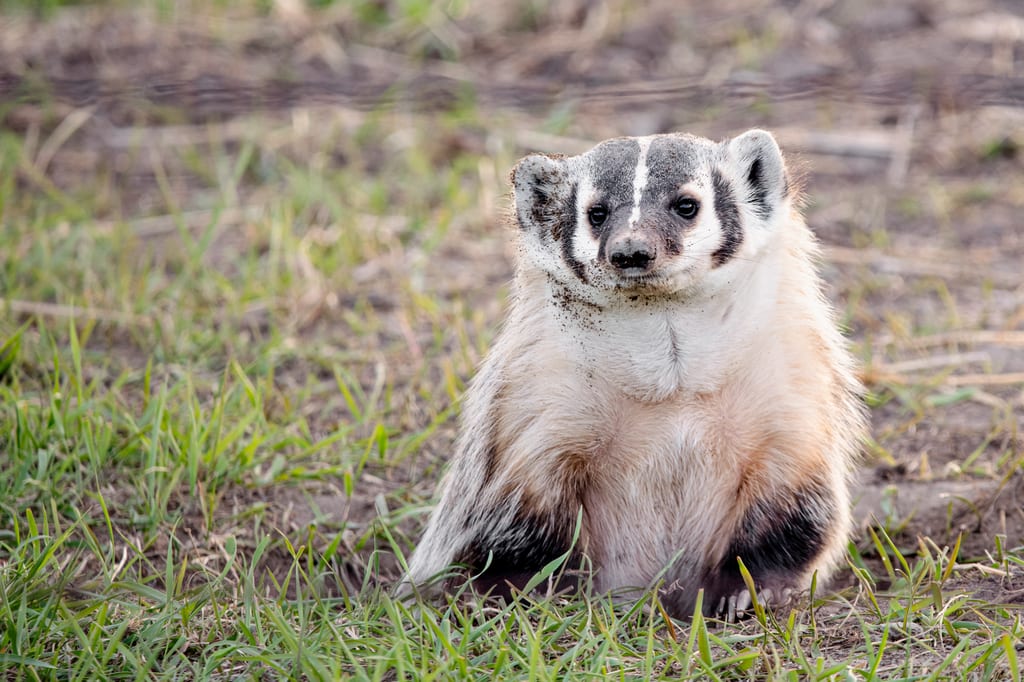
The American badger is endangered in Canada and has been heavily affected by habitat loss and fragmentation. It lives in grasslands and open forests — exactly the habitat Bunchgrass Hills protects — and survives by digging burrows in open ground and hunting Columbia ground squirrels and other small mammals. Keeping these grasslands intact and connected gives the badger, and many other species at risk, the chance to not only survive but thrive.
The plan in action
In collaboration with local partners, we’re protecting and caring for Bunchgrass Hills and the surrounding grasslands. Together, we’re keeping this landscape connected, monitoring its health and species and using what we learn to guide its long-term care.
Protect
Bunchgrass Hills builds on years of conservation work south of Kamloops. Protecting this large landscape strengthens the growing network of grasslands we have conserved in the area, keeping habitat connected for wildlife and nearby communities. Our strong relationships with local partners make this conservation possible at this scale.
Care
We monitor ecosystem health to understand where the land needs care, while managing invasive species and working with conservation-minded ranchers to keep grazing sustainable. Together, these efforts maintain healthy grasslands and the natural benefits they provide to wildlife and nearby communities.
Advance conservation science
Our work at Bunchgrass Hills is revealing more about this remarkable ecosystem. Research and ongoing assessments are deepening our understanding of how healthy grasslands store carbon in their roots and soils and how conservation-focused grazing can maintain grassland health. Species monitoring has even led to new discoveries, including two spider species only recently recorded in BC.
Protect places like this, forever

Featured Stories
AB Alberta
Amping up grassland restoration with fungi
March 31, 2026
Canada
Hope, insights, and awareness for invasive species management
February 26, 2026
SK Saskatchewan
The sound of the prairie: Why grazing management matters
November 26, 2025

Canada
Studying recreation so people and nature can thrive
October 10, 2025
ON Ontario
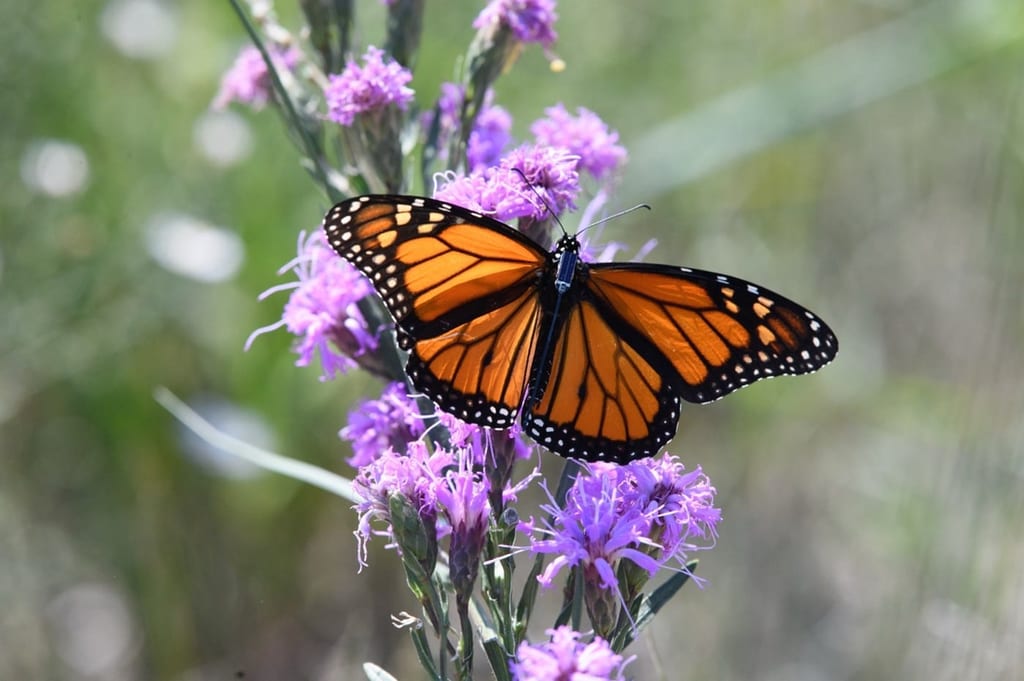
Advancing conservation: in the field with butterflies
October 6, 2025
Canada
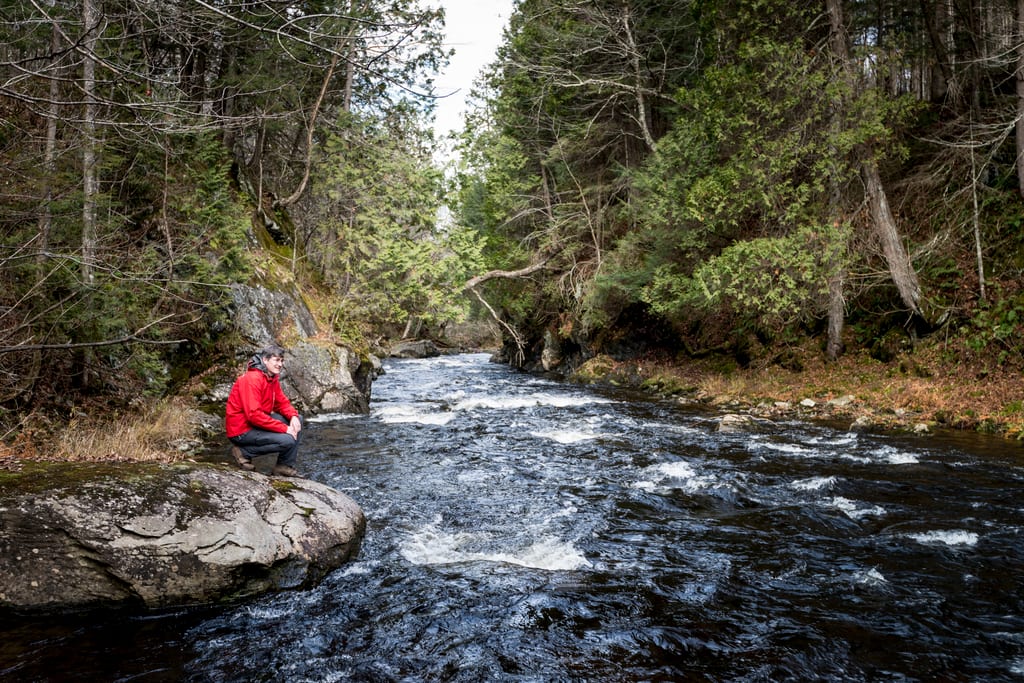
Water is life — and it begins with land
October 6, 2025
Canada
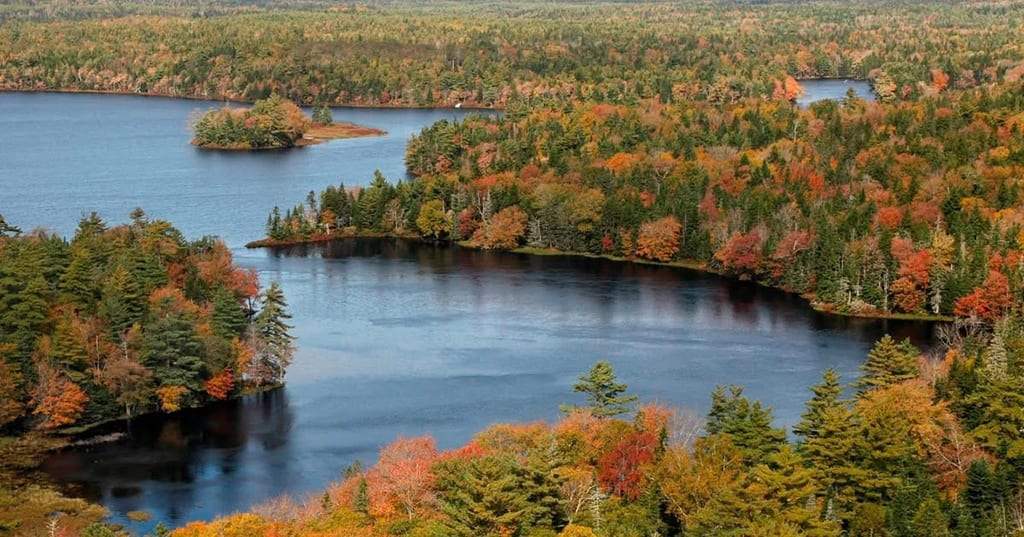
Canada’s forests: the roots of a resilient nation
September 24, 2025
Canada
NCC shares expertise at the Canadian Ecological Connectivity Conference
July 30, 2025
Canada
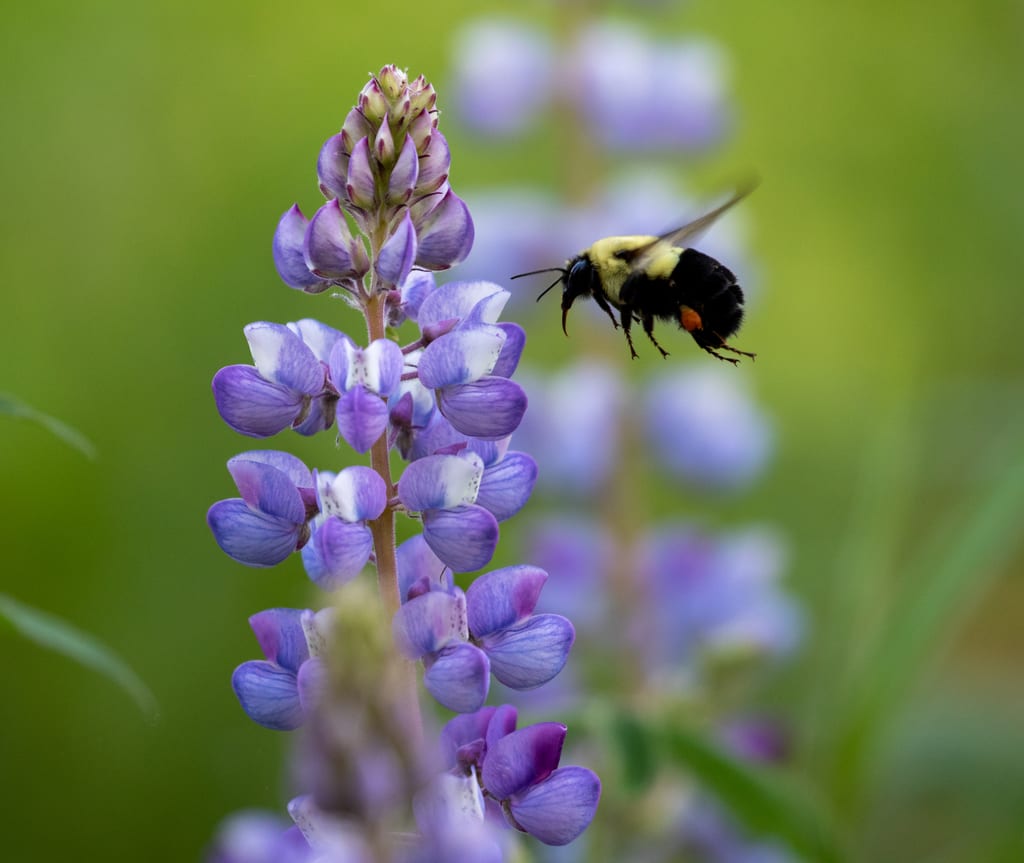
Pollinators and the future of food
June 14, 2025

Canada
Harnessing technology for conservation: A new era for Canada’s ecosystems
May 15, 2025
Wild news, straight from the field
ON Ontario
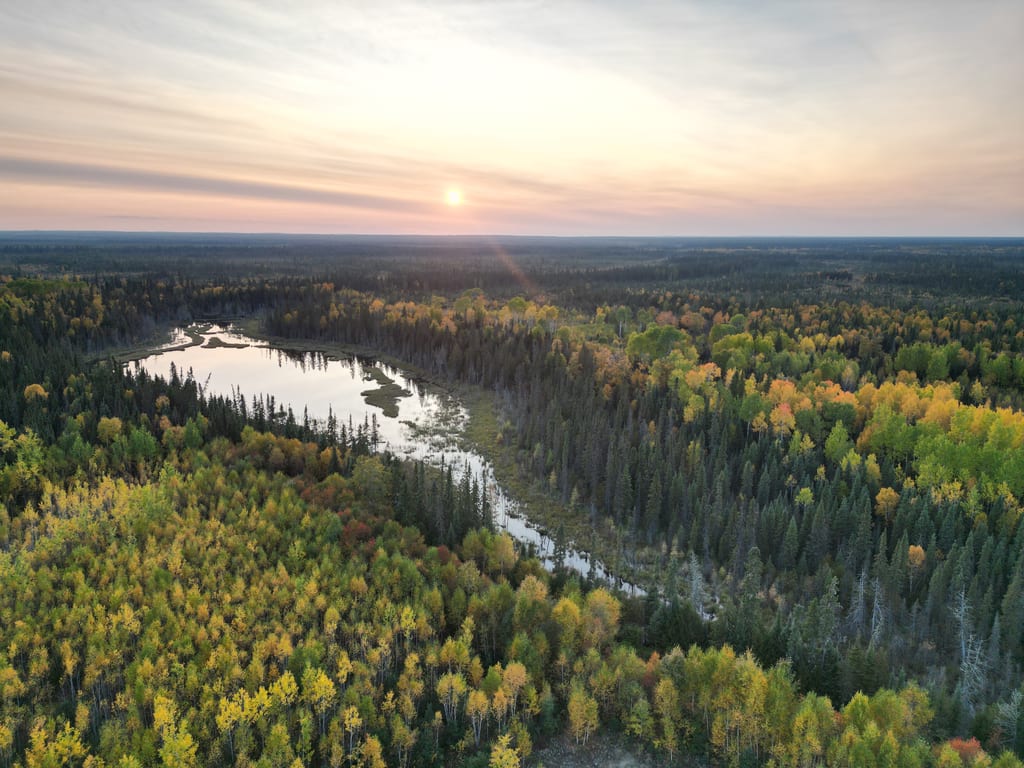
Boreal forest and peatlands secured to support climate resilience
October 13, 2026
AB Alberta
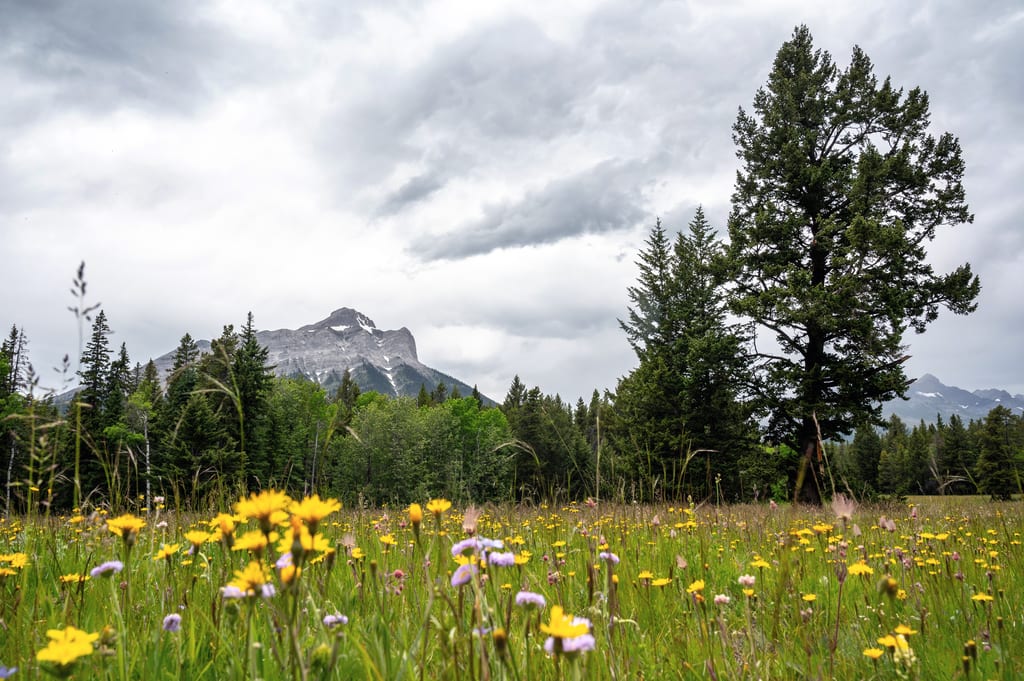
Kropinak family’s century of stewardship helps secure a critical Rocky Mountain wildlife corridor
September 15, 2026
MB Manitoba
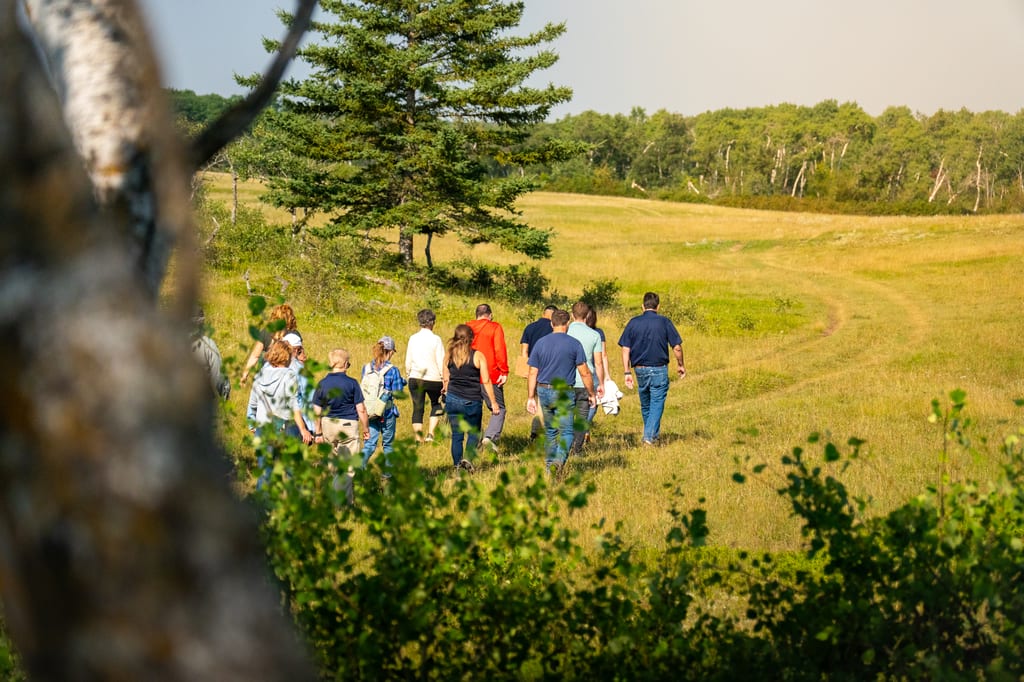
Manitoba community leads the way in conserving nature and supporting local livelihoods
September 10, 2026
NL Newfoundland and Labrador
New conservation area protects vital Newfoundland watershed
August 27, 2026
ON Ontario
New boreal conservation area strengthens communities and protects iconic northern landscapes
August 11, 2026
QC Quebec
Where agriculture meets conservation: an unprecedented approach in Montréal
July 15, 2026
QC Quebec
Tamaracouta: an iconic site protected and accessible to the community
May 20, 2026
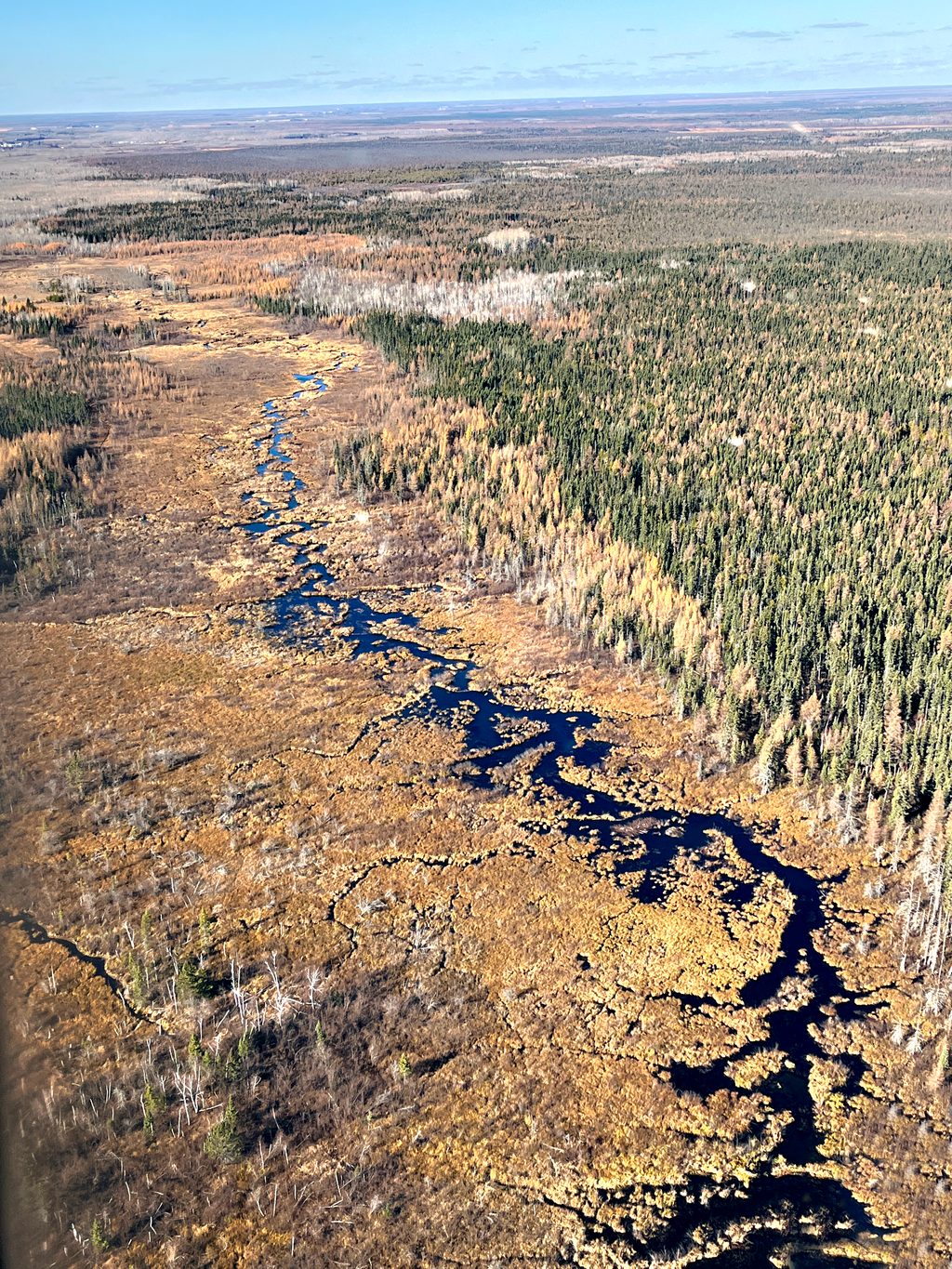
MB Manitoba
Family legacy helps secure carbon-storing powerhouse
April 16, 2026
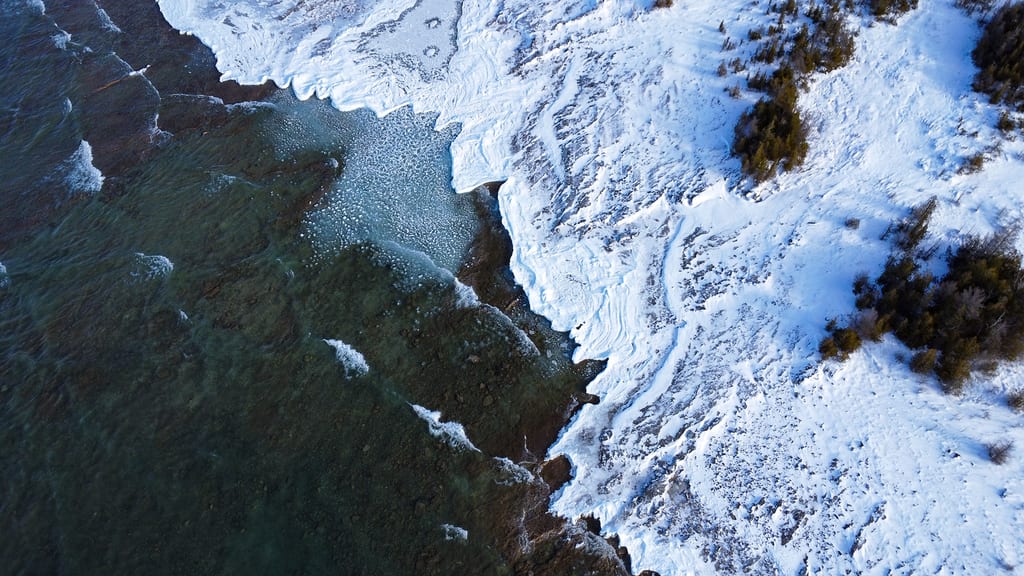
ON Ontario
Key link protected in Great Lakes biodiversity hotspot, strengthening conservation network
March 31, 2026
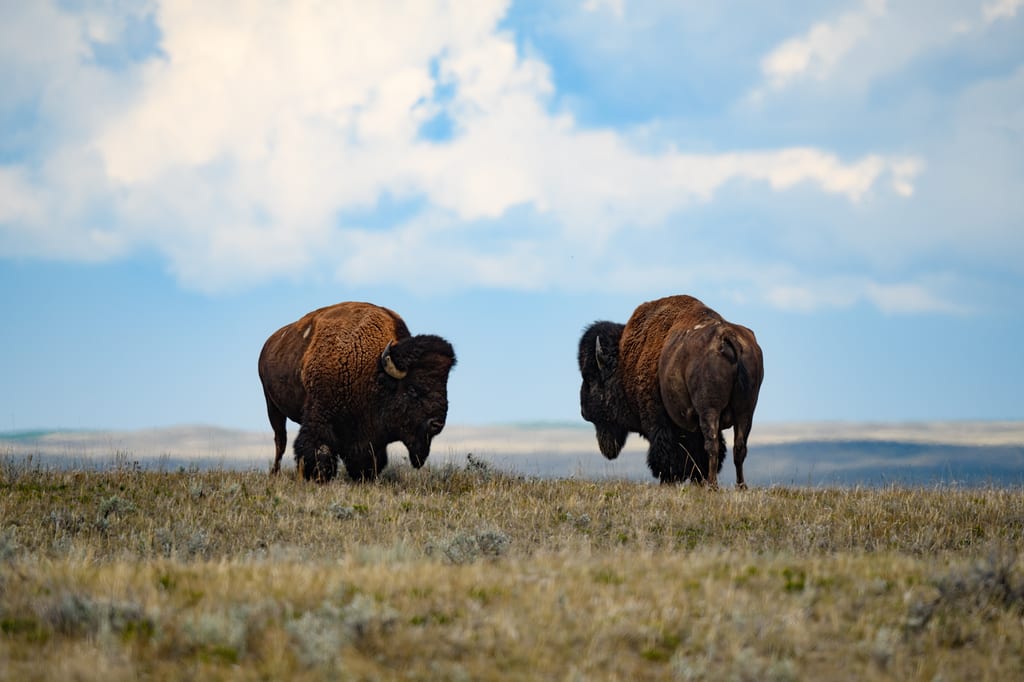
SK Saskatchewan
Plains bison welcomed back to the Kahkewistahaw First Nation in Saskatchewan
March 30, 2026