Back to all featured projects

Central Newfoundland

In Central Newfoundland, boreal forests, freshwater shorelines and wetlands provide homes for wildlife, support communities and hold deep cultural importance. Yet less than 3% of the region is protected. Together, we’re protecting these connected landscapes and the wildlife and people that depend on them.

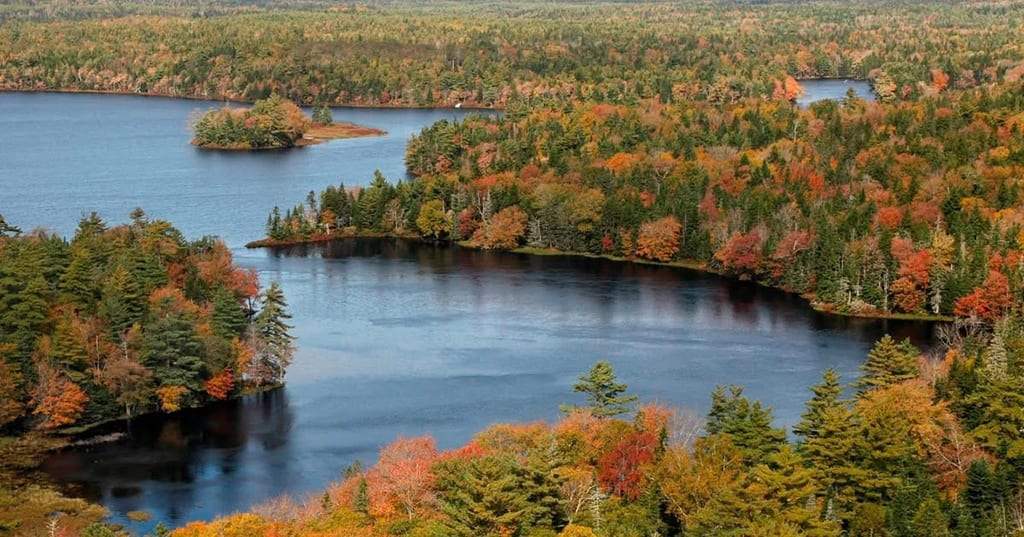
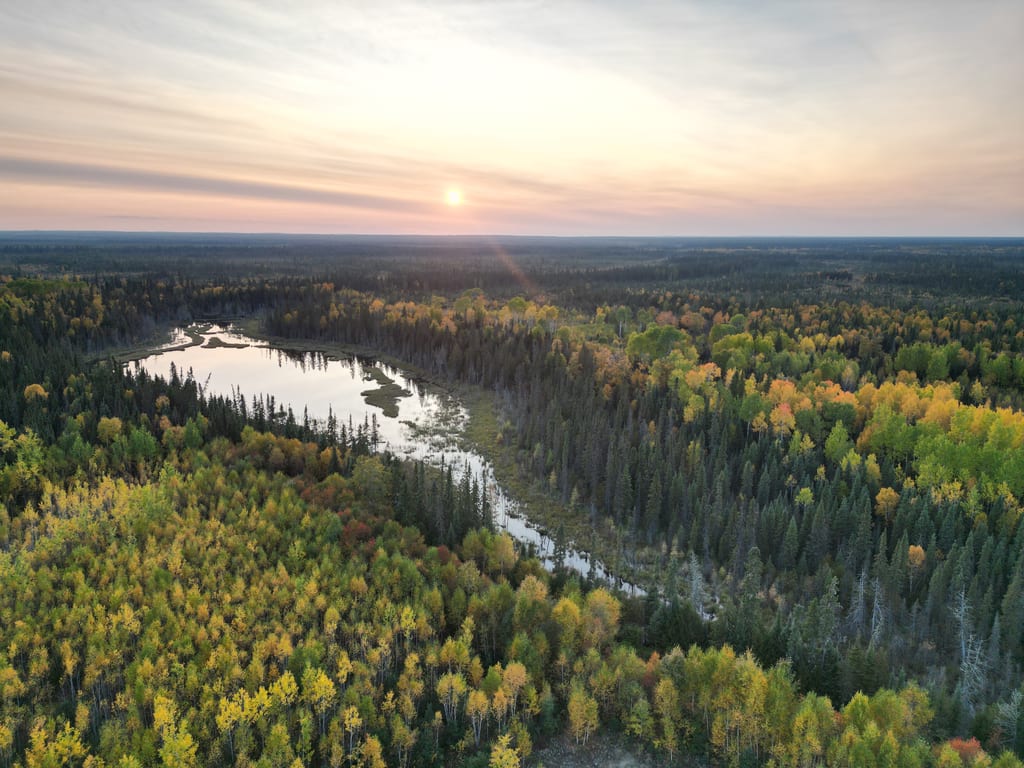
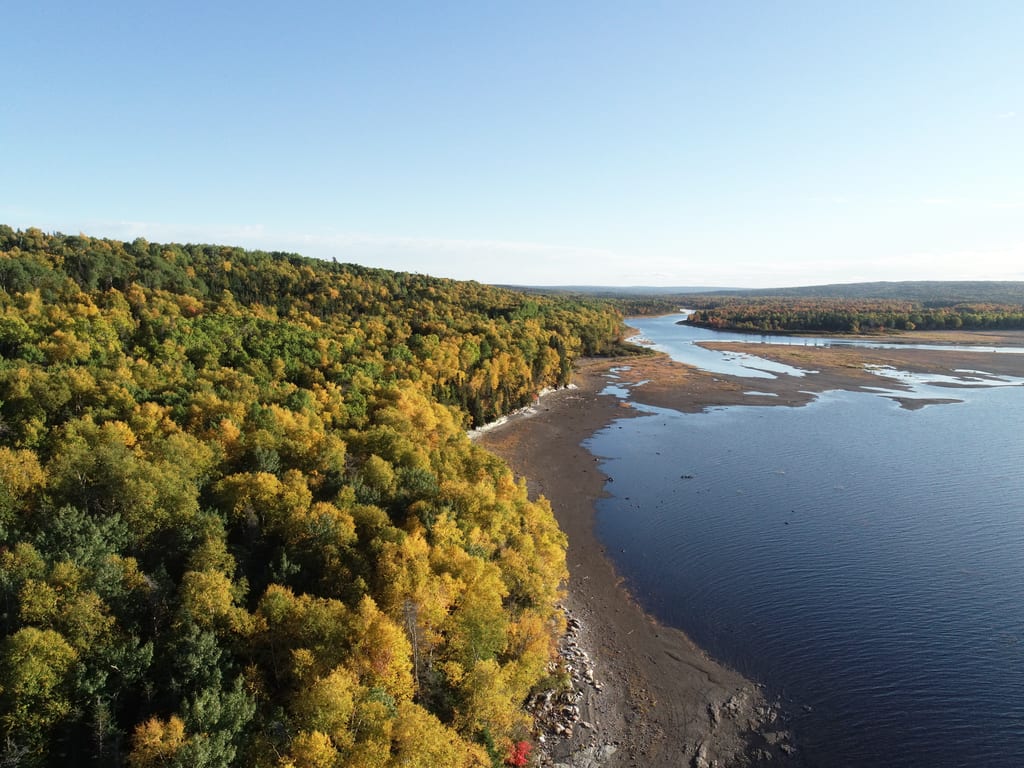
A dense forest with autumn colors lines the shore of a large lake.

Location

Newfoundland and Labrador

Conserved since

2003

Habitat(s)

Forest, Wetlands, Lakes and rivers

Needs support now

Protect places like this, forever

Donate now

Central Newfoundland at a glance

  • A place in need of protection: With less than 3% of Central Newfoundland currently conserved, it’s even more important than ever to protect and care for the natural areas that wildlife and communities depend on before they are lost.
  • A home for wildlife: Boreal forests, freshwater shorelines and wetlands provide important habitat for wildlife, including woodland caribou and the endangered Newfoundland pine marten.
  • Working together: Our work is built on strong partnerships with Indigenous communities, governments, industry and local supporters.

Why protecting Central Newfoundland matters

With so little of Central Newfoundland currently protected, there is an urgent need to conserve large, connected natural areas before they are lost or damaged. Its forests, wetlands, lakes and rivers support local species, keep ecosystems healthy and build resilience for nearby communities. By protecting this landscape, we can ensure that wildlife, nature and people thrive for generations to come.

A landscape in need of protection

Less than 3% of the Central Newfoundland region is currently conserved, so every hectare we protect goes a long way in supporting nature.

Critical habitat for wildlife

The region is home to woodland caribou, endangered Newfoundland pine marten, Atlantic salmon and many other plants and animals, including species at risk. Protecting large, connected natural areas gives wildlife the space they need to move, find food and raise their young.

A region with deep cultural roots

Central Newfoundland is a region of deep cultural importance to many Indigenous communities. Charlie’s Place, within Gander Point Nature Reserve, is one example of a place with strong cultural ties. Named after Charlie Francis, a Mi’kmaq hunter, trapper and fisher who lived on the land in the 1800s, the area reflects the long history and cultural ties people have with this landscape. Our conservation work in the region is informed by this history, as well as local and Indigenous Knowledge.

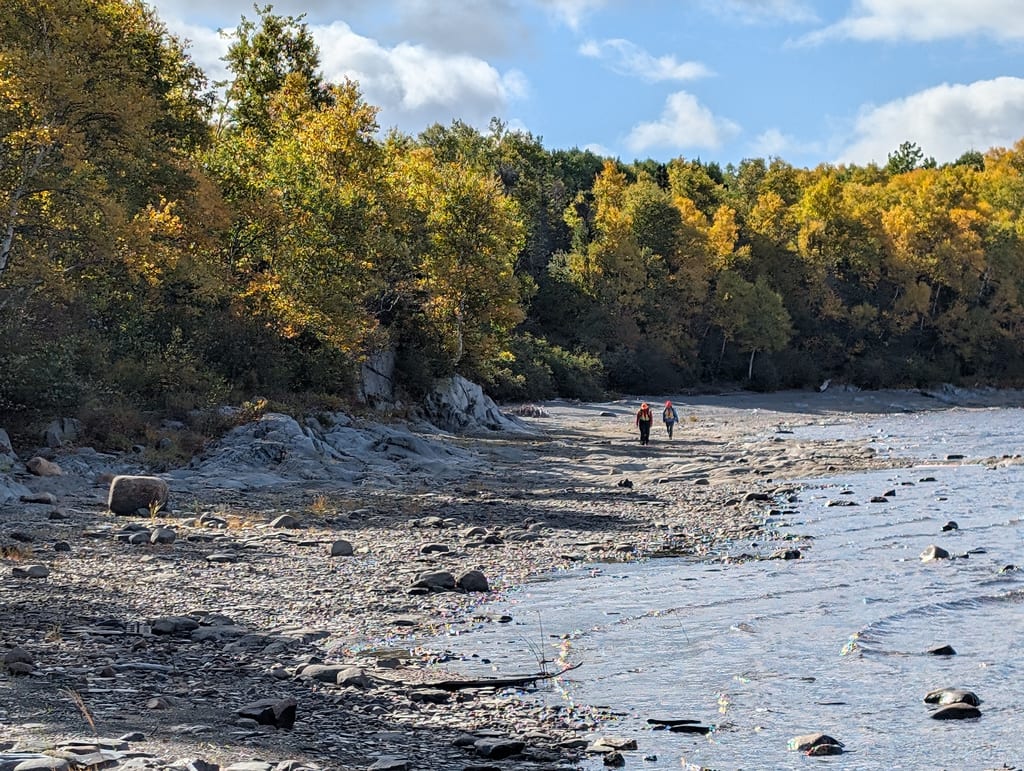
Two people walk along a rocky shoreline next to a forest with autumn foliage.
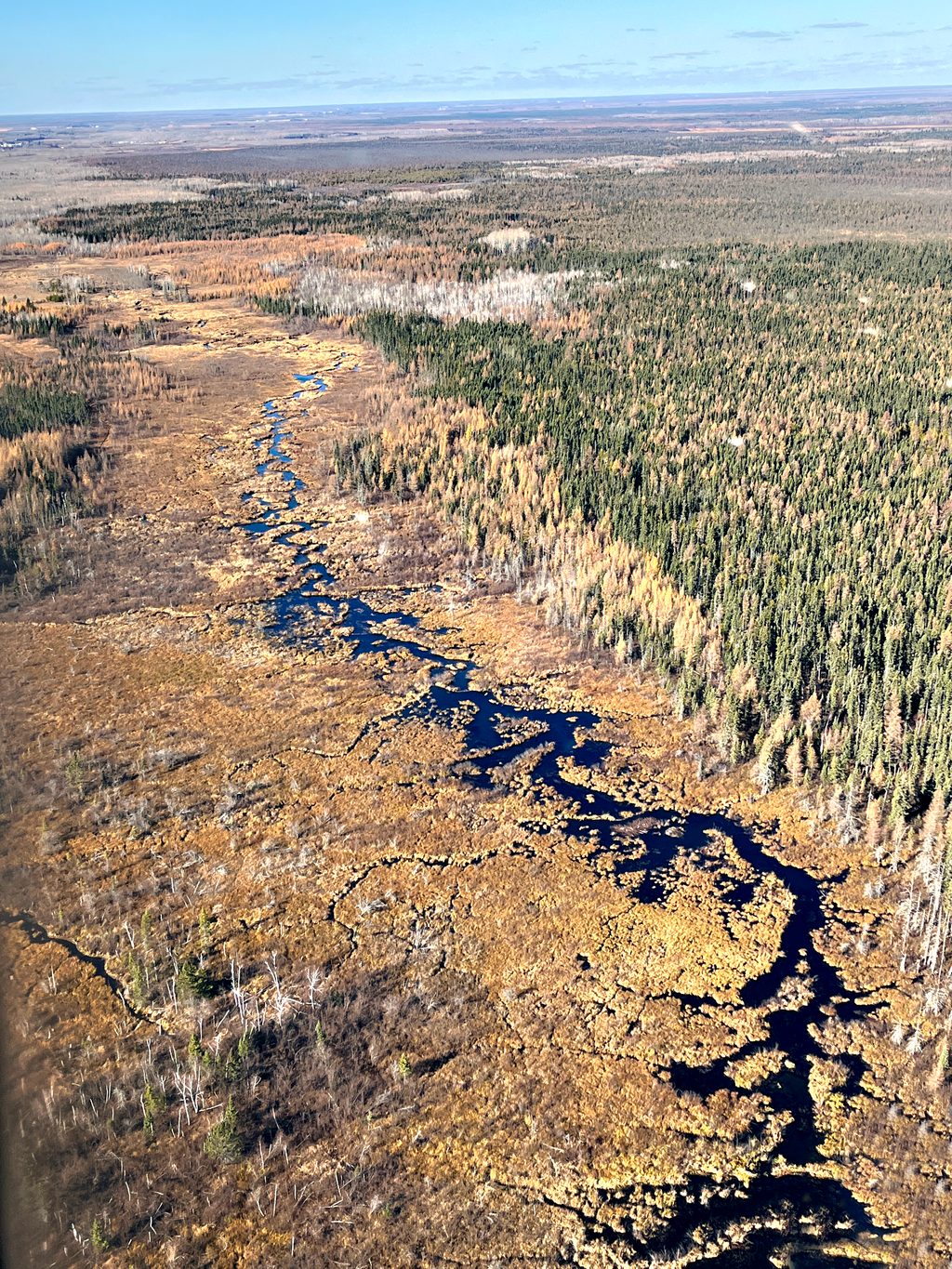
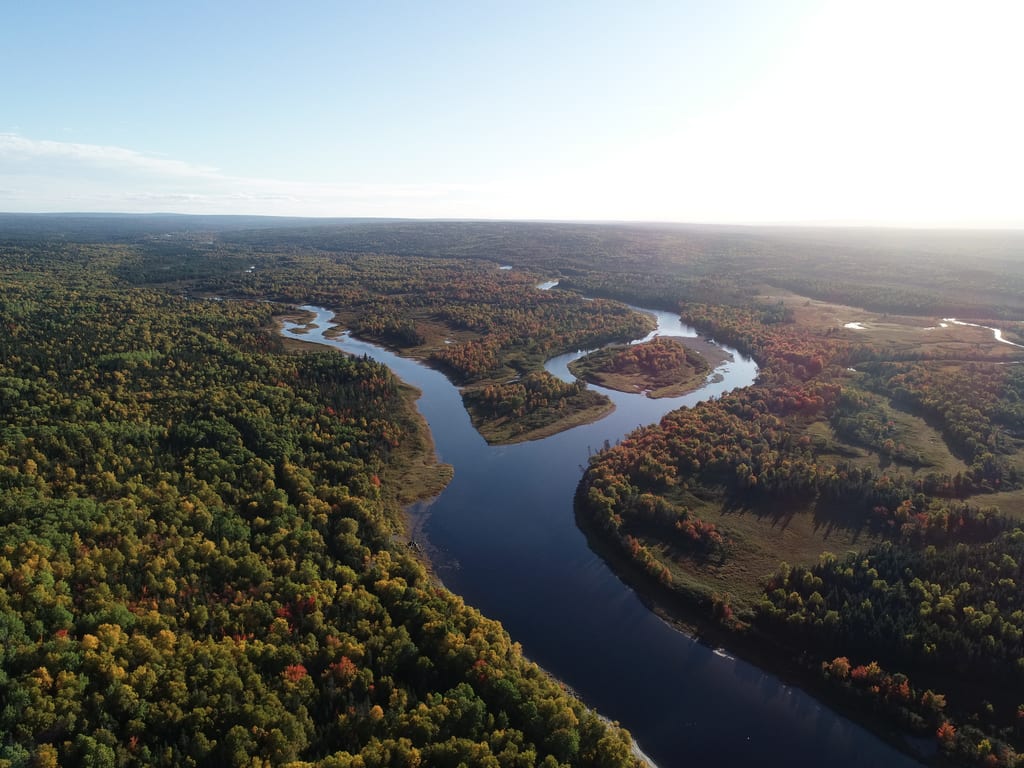
An aerial view of a river winding through a forest with autumn foliage.

What’s at stake?

Central Newfoundland’s forests, wetlands and freshwater landscapes face growing pressures from development. As development expands, large, connected natural areas can become fragmented, making it harder for wildlife to move safely and reducing the health of these ecosystems. Protecting these places now gives us a chance to keep the landscape connected and healthy.

What could be lost?

Without protection, habitats could be damaged or broken into smaller, disconnected areas, making it harder for wildlife to move safely, find food and shelter, and survive. This is especially important for wide-ranging species like woodland caribou, which need large, connected areas to roam, and species already at risk, like the endangered Newfoundland pine marten. Losing these habitats would also affect ecosystem health and reduce benefits for nearby communities, including clean water and protection from flooding and storms.

Why does it matter?

Central Newfoundland’s forests and wetlands protect nearby communities from the effects of a changing climate. They absorb and store water, reducing flooding and storm damage while storing carbon and keeping freshwater systems healthy and clean. Protecting these natural areas strengthens the landscape’s resilience, supporting the people and wildlife that depend on it.

Why is action needed now?

With less than 3% of Central Newfoundland currently protected, there is an urgent need to conserve this important landscape. Growing development pressures make it more important than ever to protect and connect natural areas while they are still intact. By acting now, we have a greater opportunity to protect healthy, connected landscapes for the future.

Together, we can protect the natural areas and wildlife in Central Newfoundland that matter to us most.

Where the woodland caribou roam

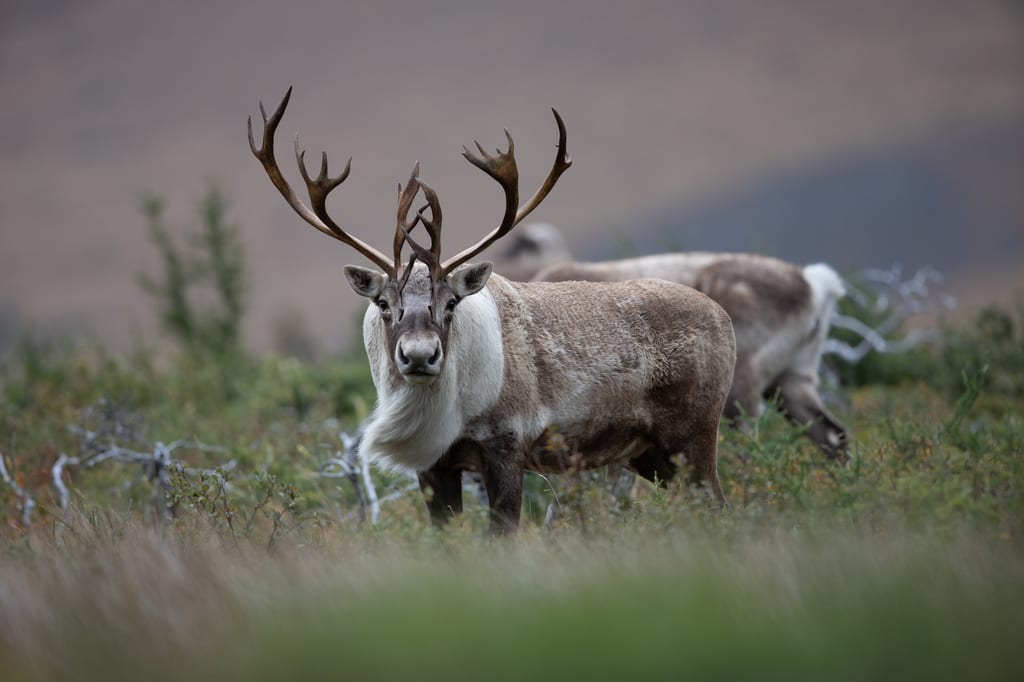
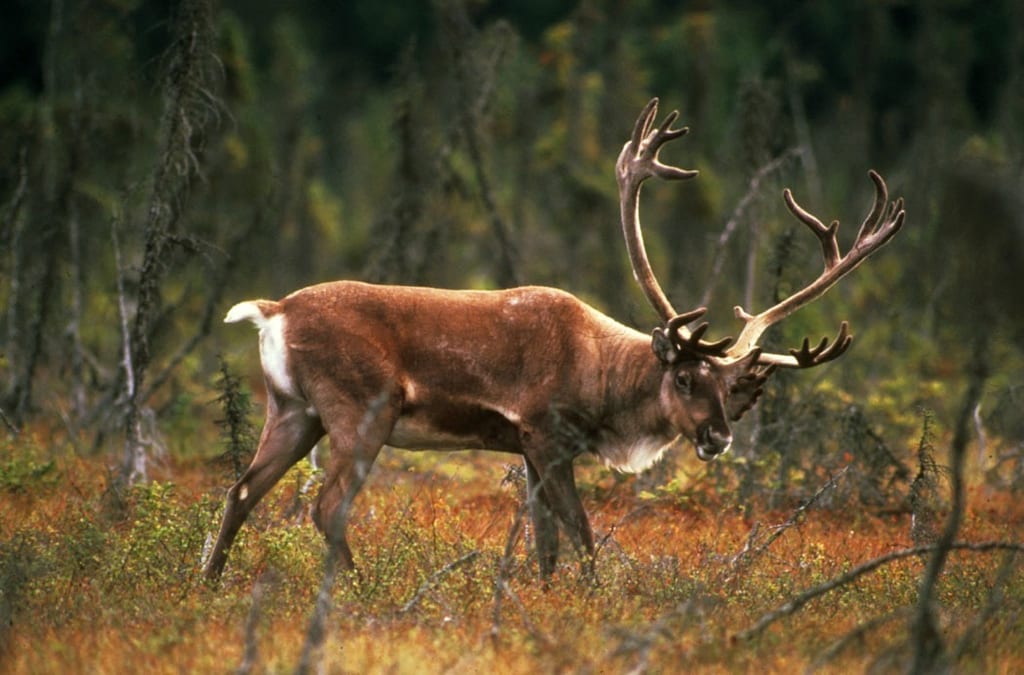
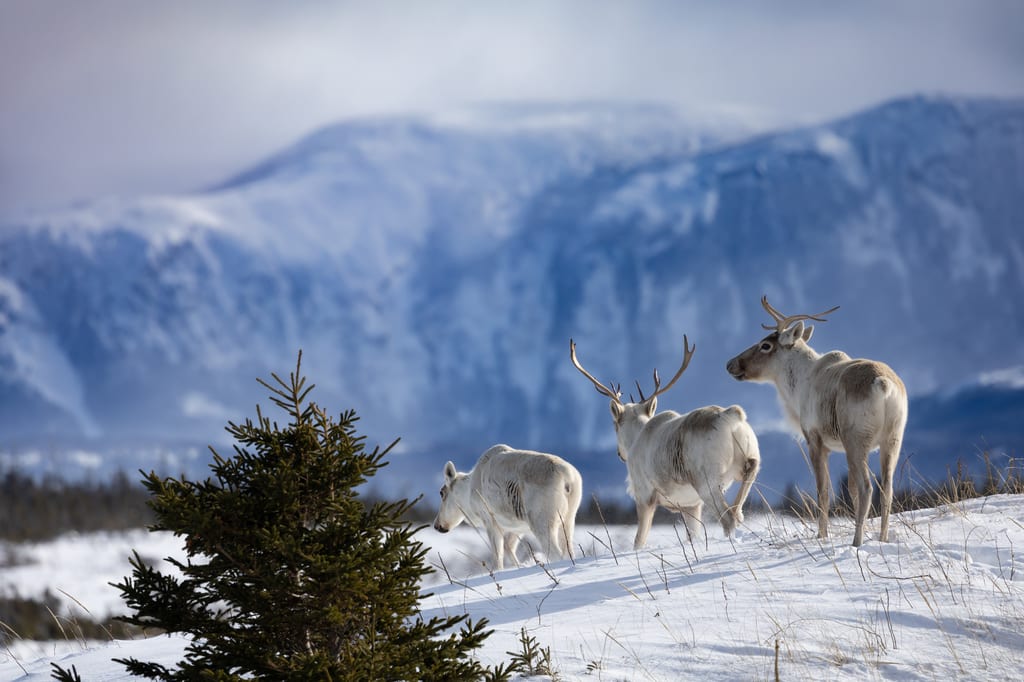
Newfoundland and Labrador’s woodland caribou need large, connected areas of undisturbed forest and wetlands to feed, move safely and raise their young. As development breaks up the boreal forest, these spaces are becoming harder to find. Central Newfoundland is one of the few places where caribou can still roam freely. By keeping these habitats intact and connected, we can protect their home.

A caribou with large antlers stands in a shrubby tundra landscape.
A caribou walks through autumn tundra vegetation.
Three caribou stand in the snow with mountains in the background.
“We’re doing this for everybody. This is for humanity, not just for Indigenous people, for everyone. My grandfather would tell me about the pine marten and all these animals that have since disappeared.”
Justin Hodge, River Guardian, Qalipu First Nation
A man in waders stands under a large, layered rock formation on a rocky shore.
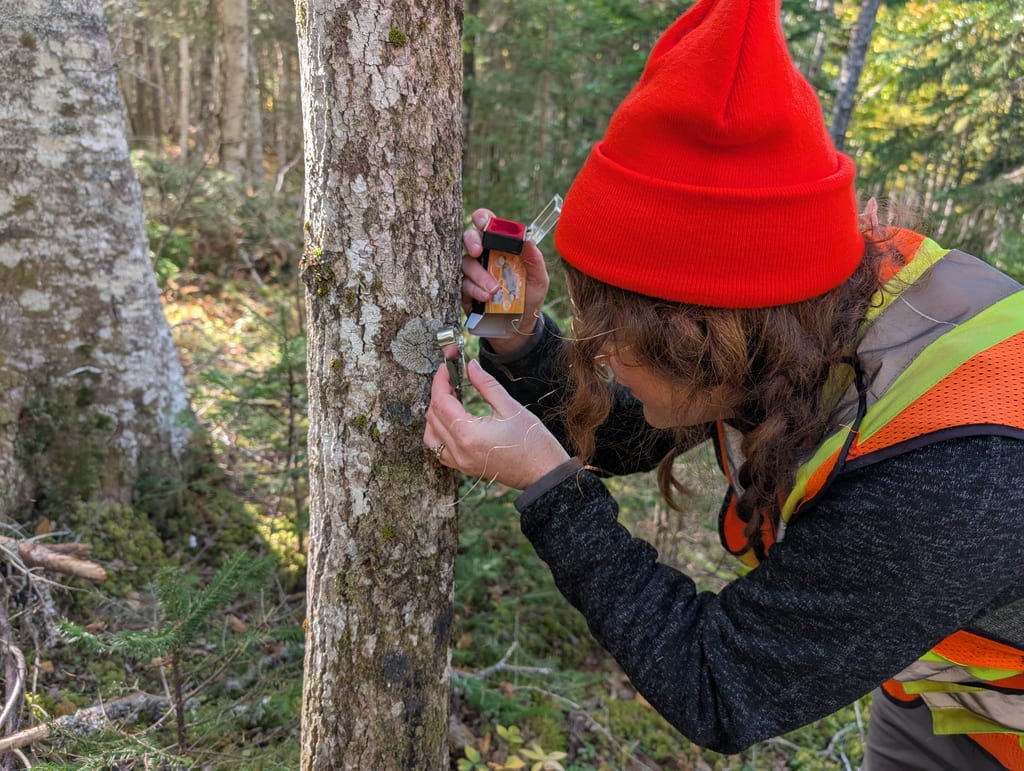
A person in a red hat and safety vest examines a tree trunk in a forest.

The plan in action

In collaboration with Indigenous communities, local partners and other organizations, we’re protecting, restoring and caring for Central Newfoundland’s landscapes. Together, we’re keeping these ecosystems healthy, connected and resilient.

Protect

We protect forests, wetlands and freshwater shorelines that form important ecological networks in the region. Keeping these natural areas connected sustains wildlife, supports healthy ecosystems and builds a more resilient landscape.

Restore

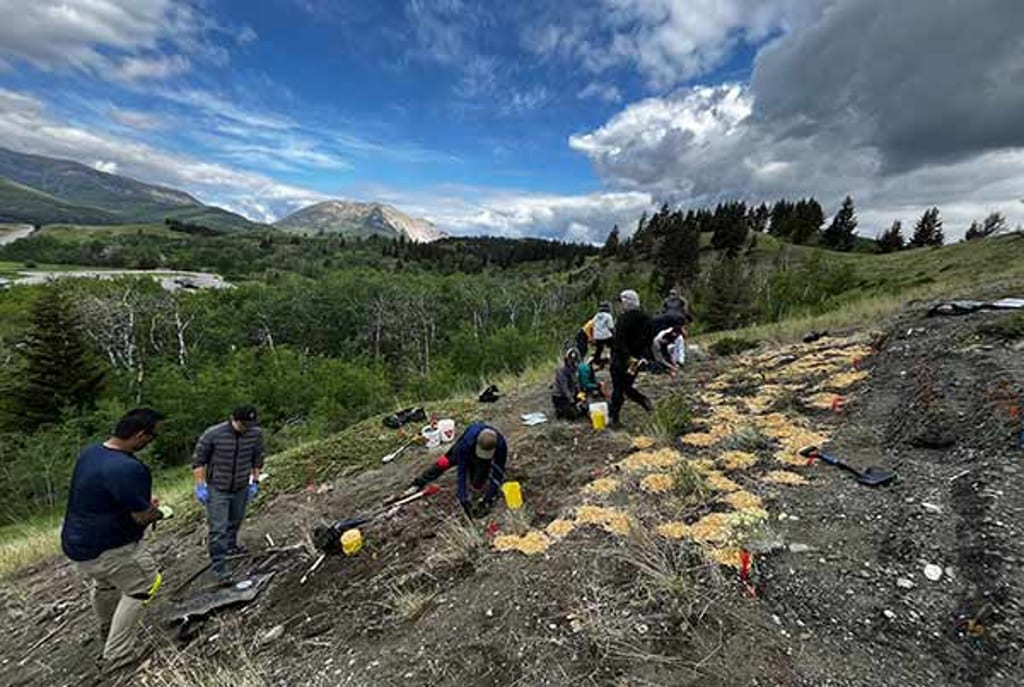
When natural areas have been damaged or degraded, we work with partners to restore their health and function. Restoring habitats and reconnecting natural areas strengthens ecosystems and supports wildlife.

Care

Protecting a place is just the beginning. We care for protected areas over the long term through active stewardship, ongoing monitoring and lasting partnerships with Indigenous communities and local partners. By responding to change and caring for these landscapes over time, we keep them healthy, resilient and thriving for generations to come.

Protect places like this, forever