Frontenac Arch
Just north of Kingston lies one of eastern North America’s most vital wildlife corridors. The Frontenac Arch is a UNESCO-designated biosphere where five forest regions meet on ancient bedrock, creating a landscape rich in nature and culture. Together, we can protect this remarkable place and the wildlife and communities that depend on it.

Table of contents
Location
Ontario
Conserved since
1998
Habitat(s)
Forest, Lakes and rivers, Wetlands
Frontenac Arch at a glance
- The Frontenac Arch connects the forests of Algonquin Park with the Adirondack Mountains, providing a critical pathway for wildlife.
- Together, we have protected more than 3,500 hectares of forests, lakes, rock barrens, and wetlands in the Frontenac Arch.
- This special landscape is home to many at-risk and globally rare species, including the Blanding’s turtle and cerulean warbler.
- The habitats found in the Frontenac Arch filter drinking water, store carbon, reduce flood risk and improve climate resilience.
Why protecting Frontenac Arch matters
The Frontenac Arch is one of Canada’s most ecologically diverse landscapes. Stretching between Algonquin Park and the Adirondack Mountains, it provides a vital corridor for wildlife, supports biodiversity and delivers benefits that help both people and nature thrive. As development pressures increase, conserving the Frontenac Arch means protecting critical wildlife habitat, strengthening connections across the landscape and building resilience for surrounding communities.
A vital corridor
The Frontenac Arch connects the forests of central Ontario and the Appalachian Mountains in New York State, creating one of the most important wildlife corridors east of the Rocky Mountains. This natural bridge allows animals to move safely across the landscape in search of food, shelter and mates. Protecting and connecting these habitats gives wildlife the chance to adapt and survive as the world around them changes.
Where five forests meet
Here, the St. Lawrence, Boreal, Appalachian, Atlantic Coastal and Carolinian forest regions meet, creating an extraordinary mix of habitats. This unique meeting point of five forest types supports a diversity of plants and animals.
A place people depend on
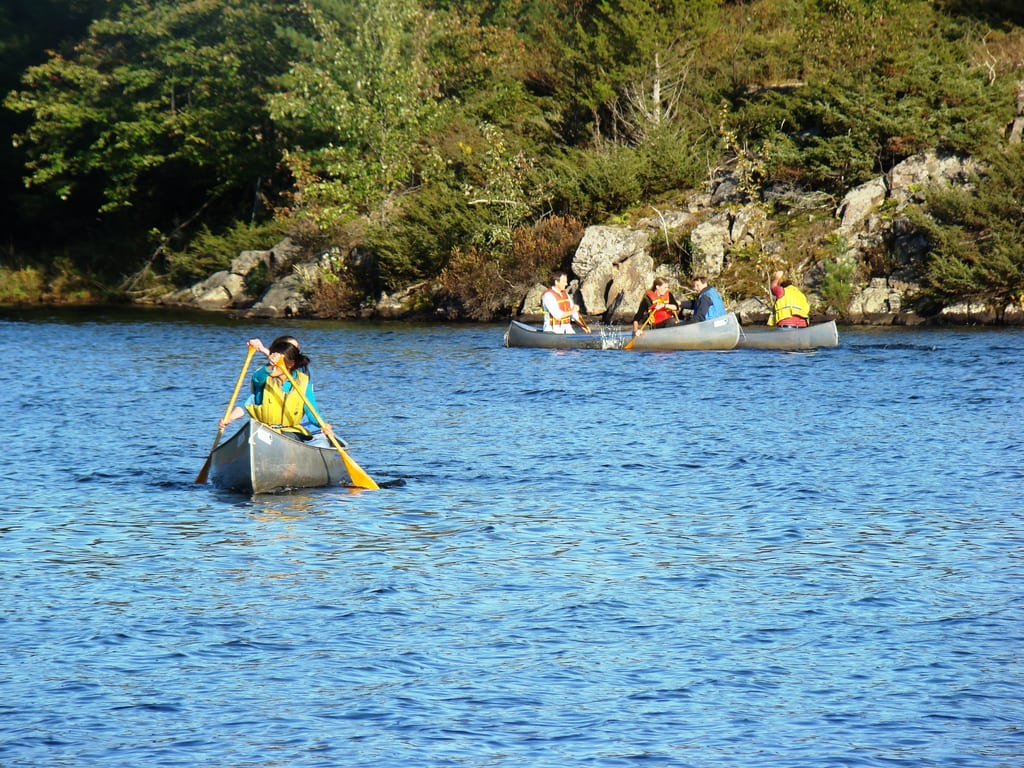
The forests and wetlands of the Frontenac Arch store carbon, reduce flooding and help keep air and water clean, strengthening the resilience of nearby communities in a changing climate. The region also offers meaningful opportunities for people to connect with nature, while holding deep Indigenous cultural significance as the traditional territory of the Anishinaabe and Haudenosaunee.
What’s at stake
The Frontenac Arch is at a crossroads. As development expands, forests and wetlands are lost, natural areas become divided and invasive species make it harder for native plants and animals to survive. These changes threaten wildlife and the natural systems that provide clean water, climate resilience and other benefits people rely on.
Protecting and caring for natural areas today is far easier, and far more effective, than trying to restore them in the future.
What could be lost?
When natural areas become fragmented, species at risk lose the connected habitats they need to move, find food, breed and seek shelter. Over time, populations become isolated and more vulnerable. As these connections disappear, wildlife populations can decline; biodiversity can be lost; and the benefits nature provides, including clean water and flood protection, are reduced.
Why does it matter?
The Frontenac Arch is one of Canada’s most biologically rich landscapes, providing habitat for hundreds of plants and animals, including many at risk. Protecting this landscape helps safeguard biodiversity and the natural benefits that healthy ecosystems provide.
Why is action needed now?
Opportunities to protect and care for natural areas are disappearing as development pressures grow. Each year, habitat loss makes it harder for wildlife to move across the landscape and adapt to change. Protecting and connecting the Frontenac Arch today is far more effective and affordable than trying to restore those connections in the future. Acting now will help ensure the Frontenac Arch continues to support wildlife, healthy ecosystems and resilient communities for generations to come.
See the Frontenac Arch, the people keeping it connected and the conservation milestones reached.
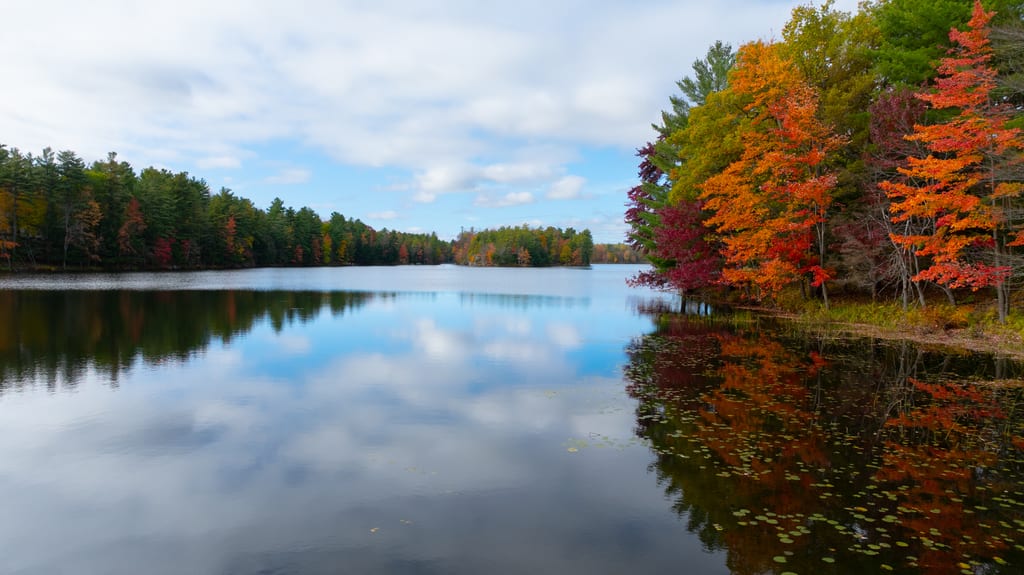
Without protection, habitat loss and fragmentation could sever one of Ontario’s most important wildlife corridors.
Where the cerulean warbler calls home
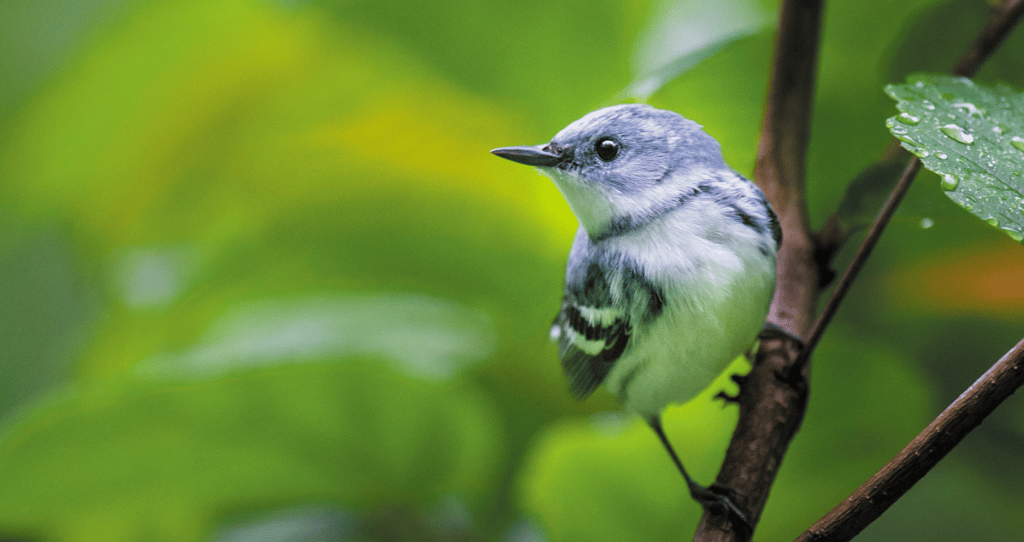
The cerulean warbler is a small, sky-blue songbird that nests in the upper branches of mature deciduous forests. This at-risk bird depends on large, connected woodlands like those found in the Frontenac Arch. By conserving mature forests and maintaining connected habitat in the arch, we ensure that this species has the space it needs to nest and raise its young.
The plan in action
We keep the Frontenac Arch connected by protecting vital habitats, inspiring responsible stewardship and caring for the land for future generations.
Protect
We’ve protected key lands across the Frontenac Arch, including 36 kilometres of lake shoreline throughout the region in the past ten years (2016 to 2026). The Christie Lake Nature Reserve alone protects approximately five kilometres of lake shoreline.
Connect
Working closely with the Algonquin to Adirondacks Collaborative, the Frontenac Arch Biosphere Network, land trusts and local partners, we ensure protected lands remain connected so wildlife can thrive across the landscape. At Elbow Lake, we co-own the property and co-manage the trail network with Queen’s University. We also support Queen’s University and its partners in the development of an Indigenous Knowledge Centre at Elbow Lake.
Care
We care for the land by monitoring wildlife, removing invasive species and restoring damaged areas. Through active stewardship, we strengthen habitats, support biodiversity and help maintain a healthy, resilient landscape for both people and nature.
Protect places like this, forever

Our partners
We protect the Frontenac Arch with a dedicated community of partners, land trusts and researchers, including the Queen’s University Biological Station, the Algonquin to Adirondacks Collaborative, the Frontenac Arch Biosphere Network and neighbours.
The Frontenac Arch lies within the traditional territories of the Anishinaabe and Haudenosaunee. We are grateful to work and learn on and from these lands.
Featured stories
AB Alberta
Amping up grassland restoration with fungi
March 31, 2026
Canada
Hope, insights, and awareness for invasive species management
February 26, 2026
SK Saskatchewan
The sound of the prairie: Why grazing management matters
November 26, 2025

Canada
Studying recreation so people and nature can thrive
October 10, 2025
ON Ontario
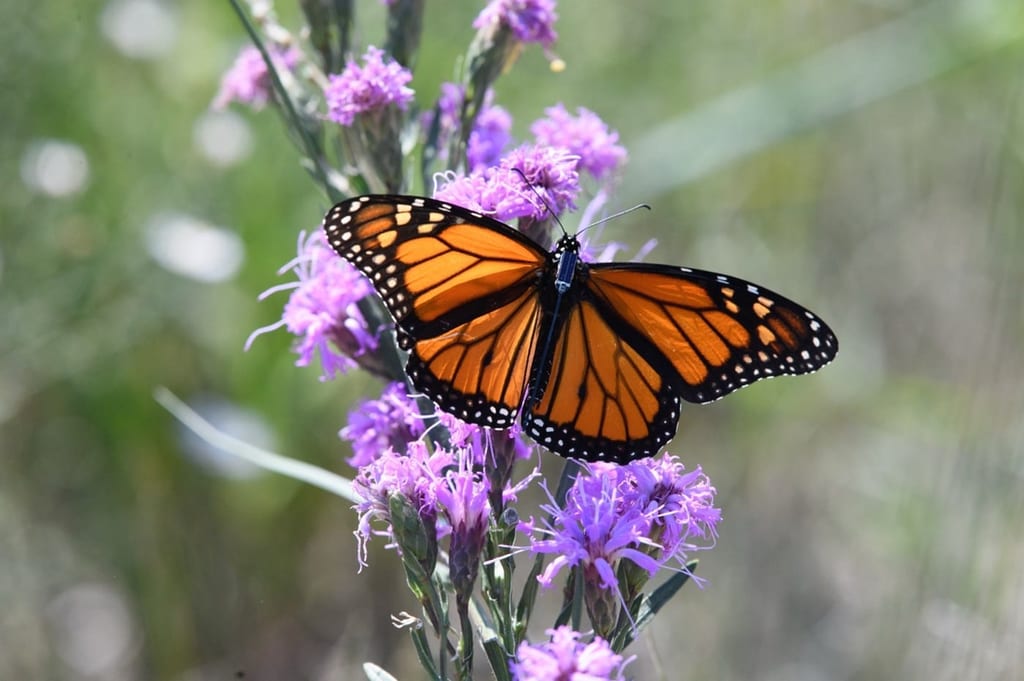
Advancing conservation: in the field with butterflies
October 6, 2025
Canada
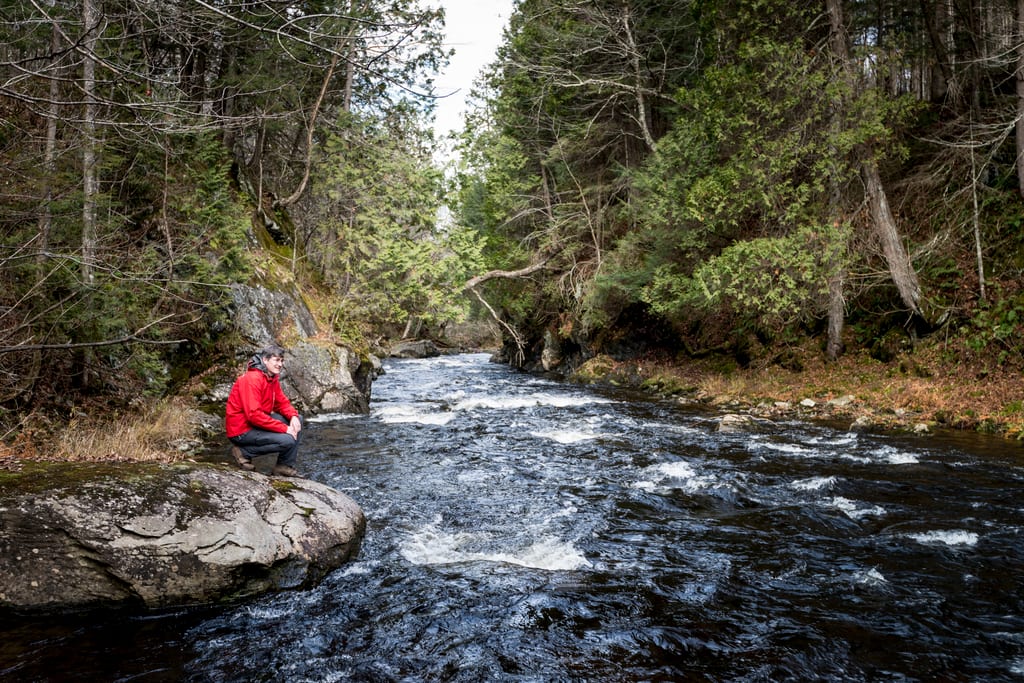
Water is life — and it begins with land
October 6, 2025
Canada
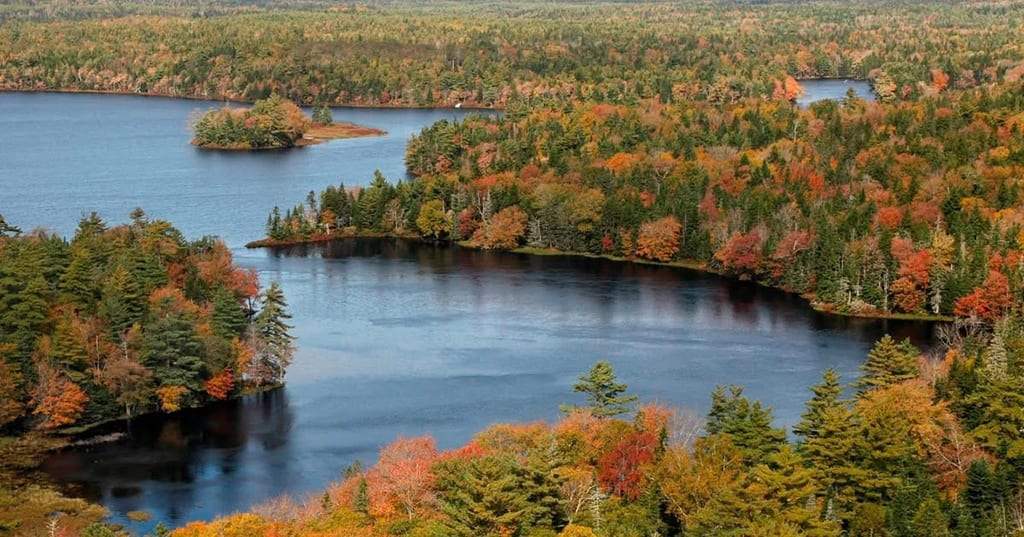
Canada’s forests: the roots of a resilient nation
September 24, 2025
Canada
NCC shares expertise at the Canadian Ecological Connectivity Conference
July 30, 2025
Canada
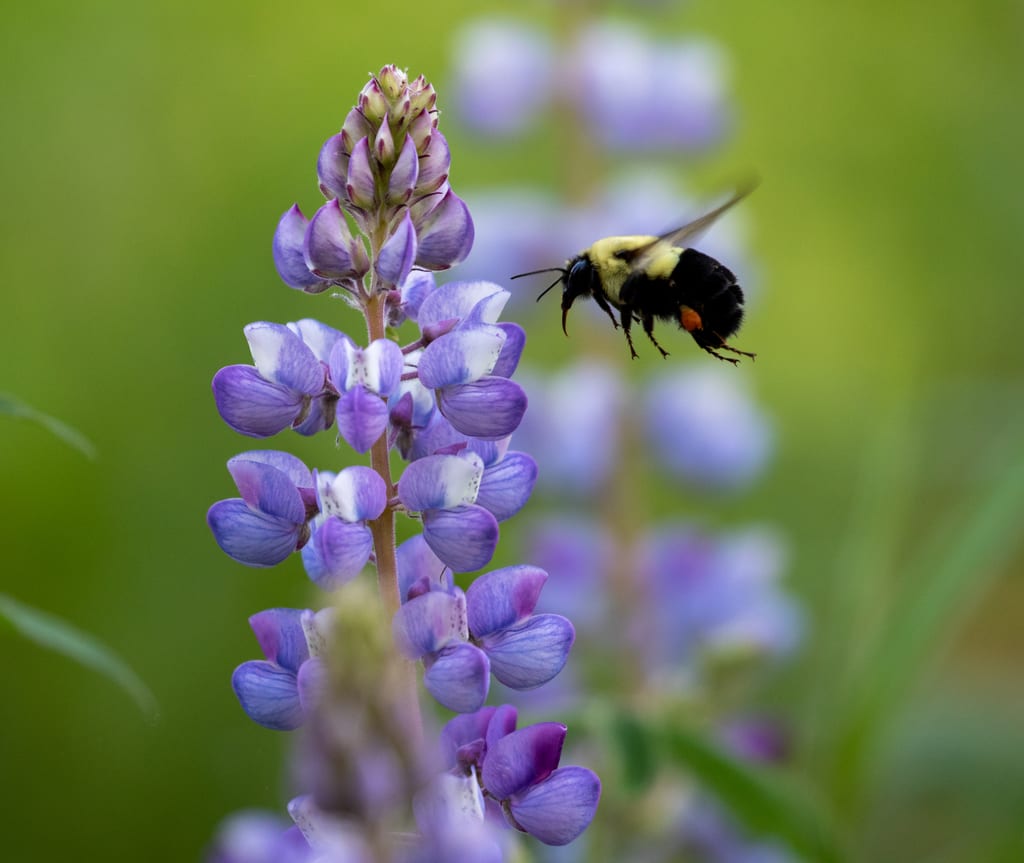
Pollinators and the future of food
June 14, 2025
Canada
Harnessing technology for conservation: A new era for Canada’s ecosystems
May 15, 2025
Wild news, straight from the field
ON Ontario
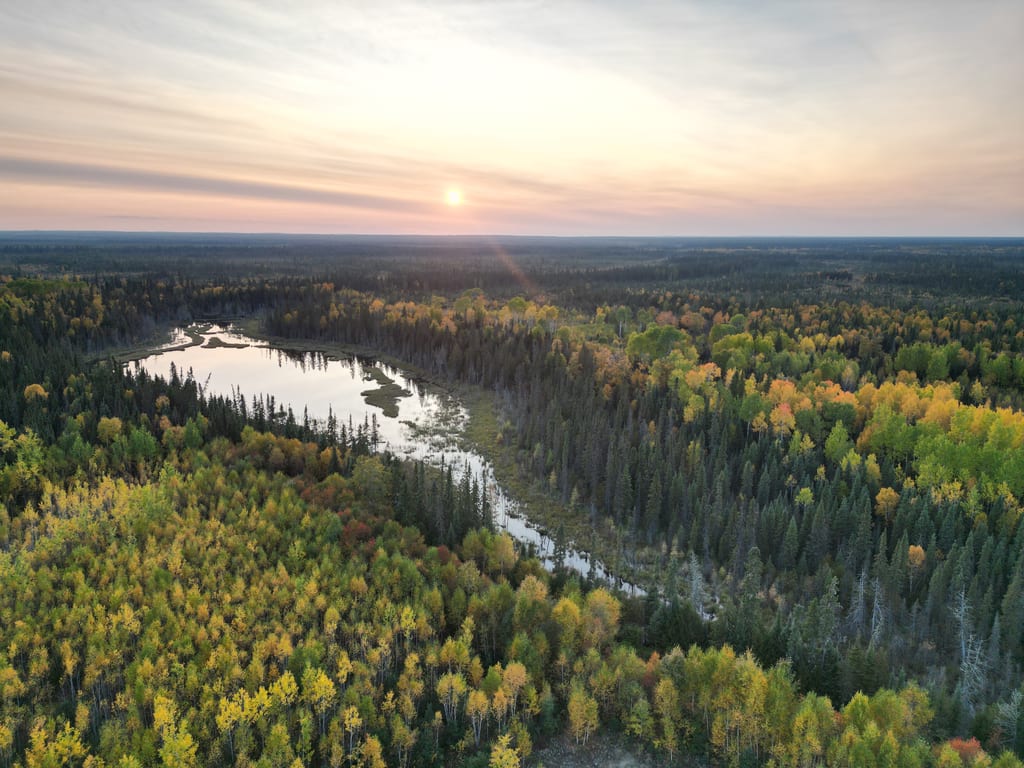
Boreal forest and peatlands secured to support climate resilience
October 13, 2026
AB Alberta
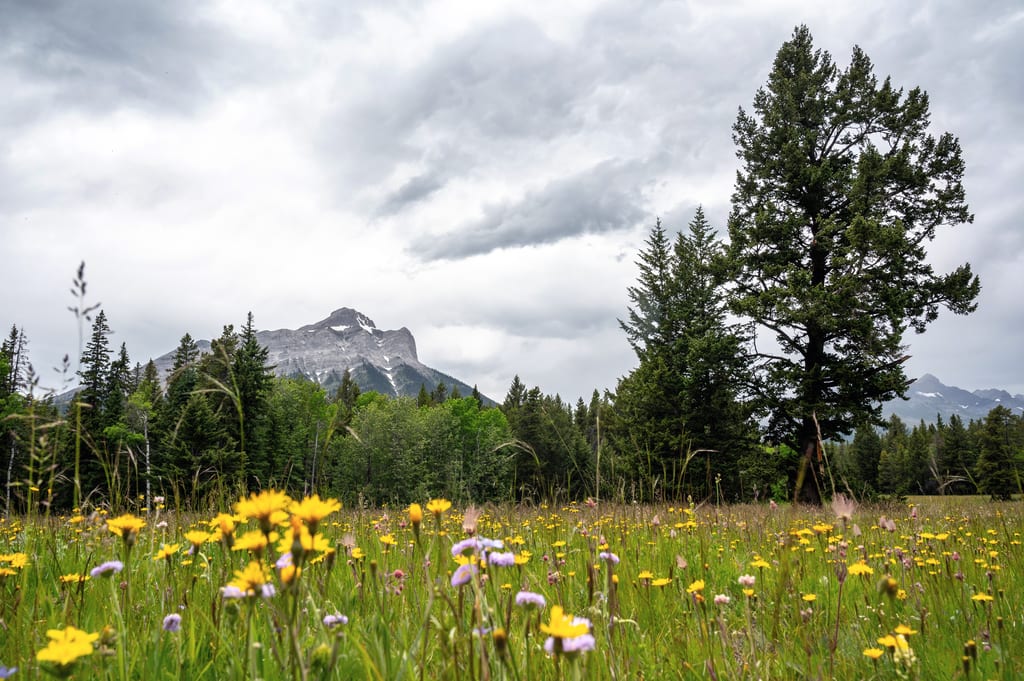
Kropinak family’s century of stewardship helps secure a critical Rocky Mountain wildlife corridor
September 15, 2026
MB Manitoba
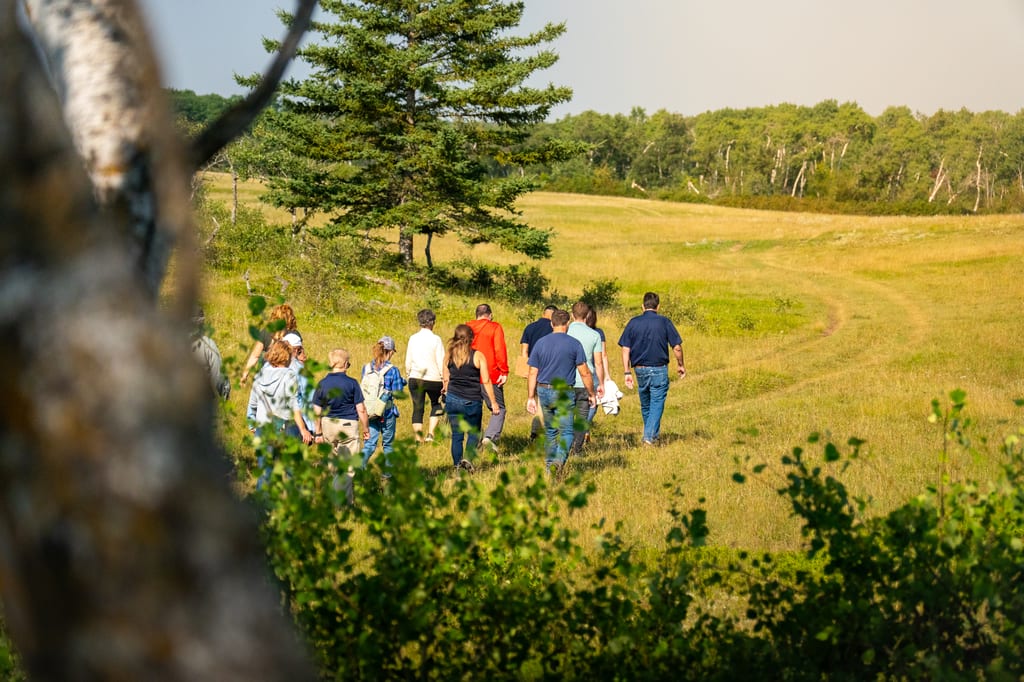
Manitoba community leads the way in conserving nature and supporting local livelihoods
September 10, 2026
NL Newfoundland and Labrador
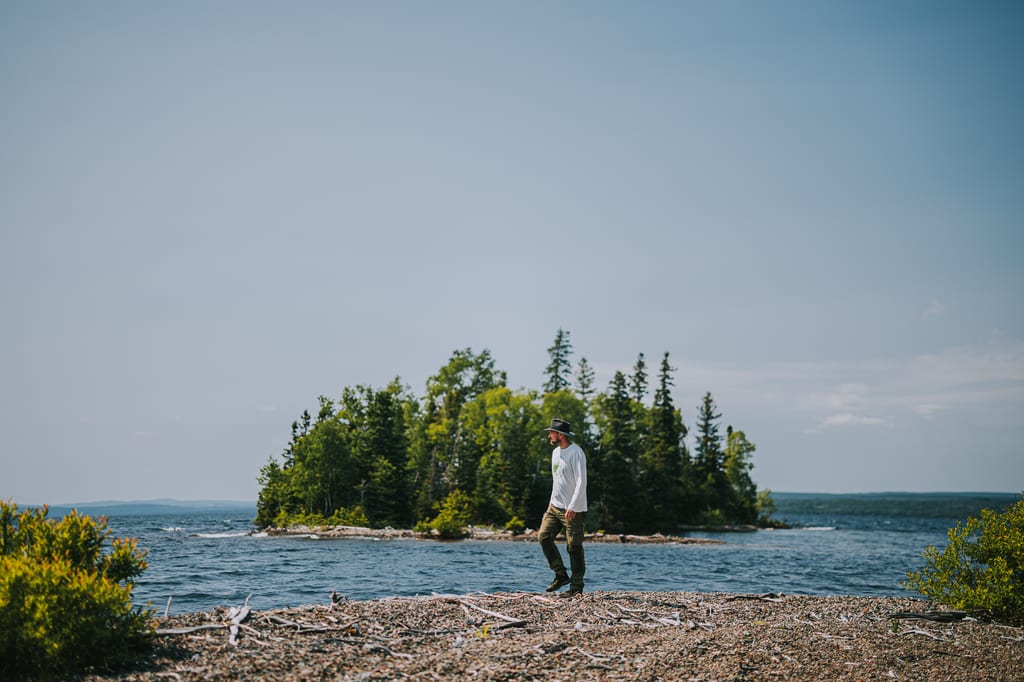
New conservation area protects vital Newfoundland watershed
August 27, 2026
ON Ontario
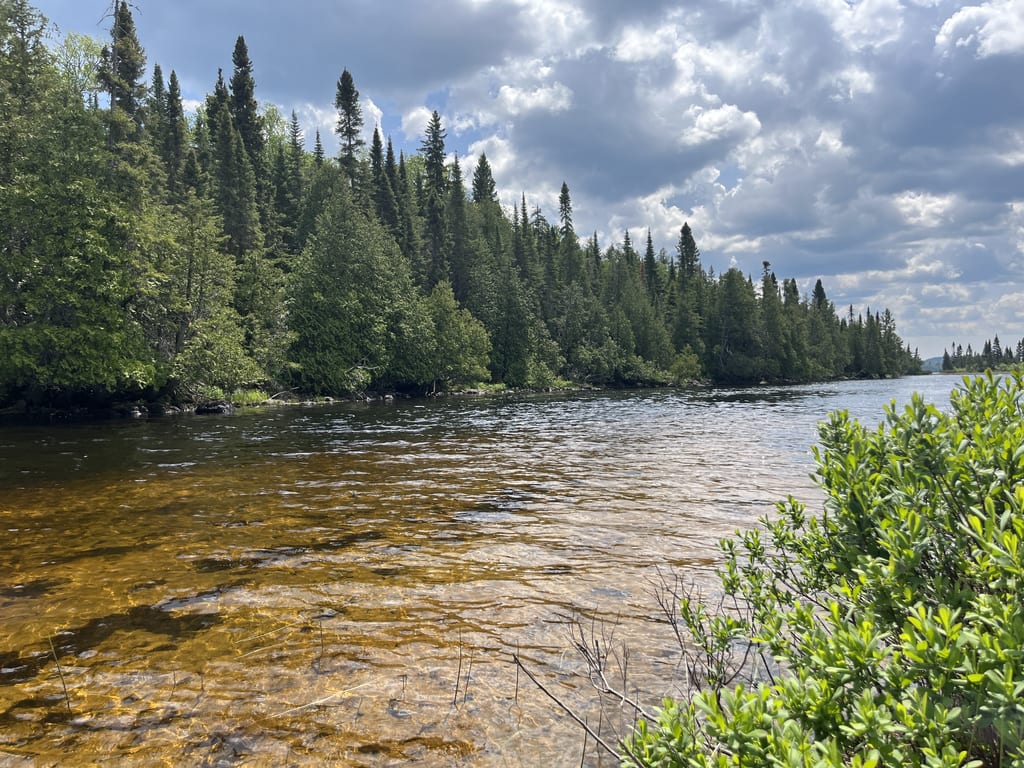
New boreal conservation area strengthens communities and protects iconic northern landscapes
August 11, 2026
QC Quebec
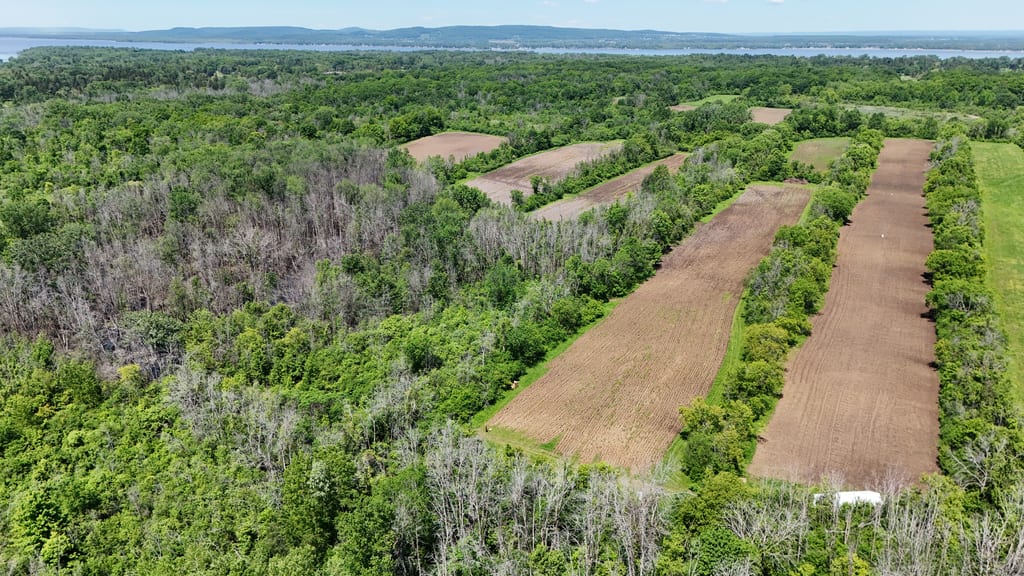
Where agriculture meets conservation: an unprecedented approach in Montréal
July 15, 2026
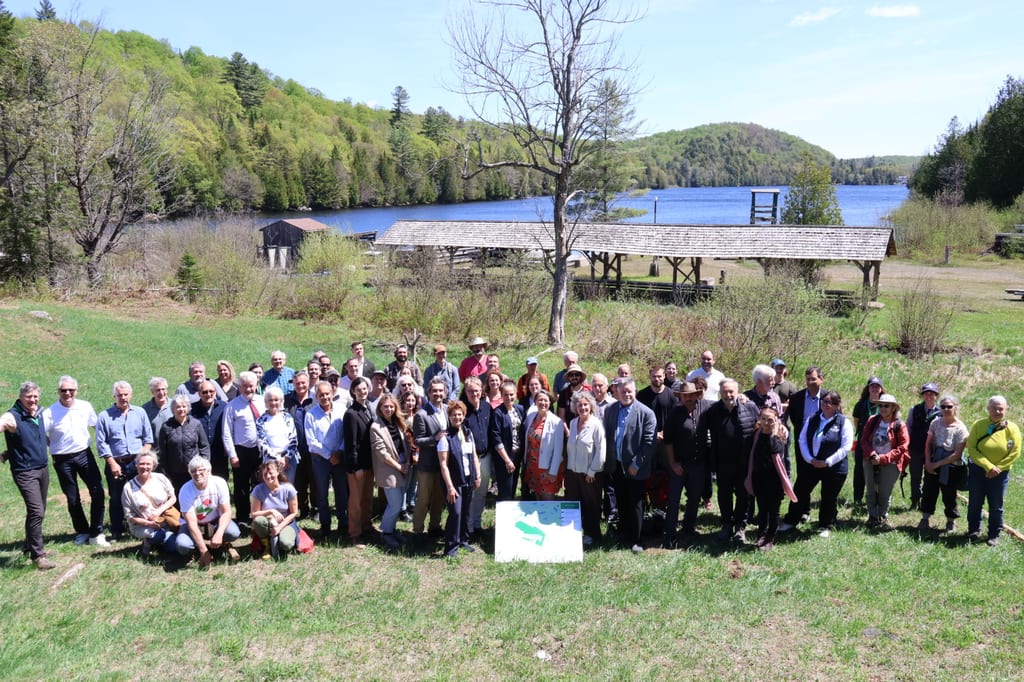
QC Quebec
Tamaracouta: an iconic site protected and accessible to the community
May 20, 2026
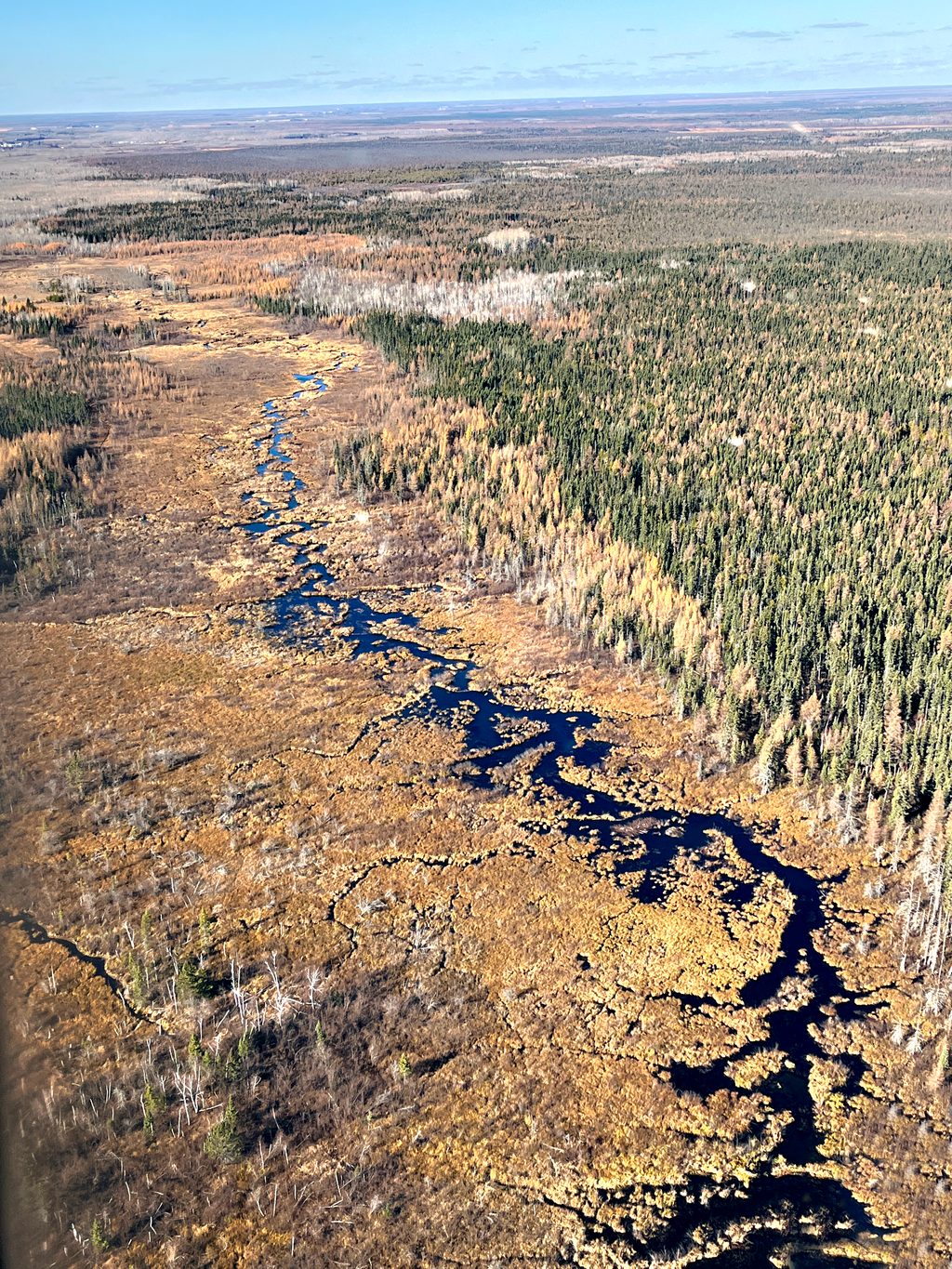
MB Manitoba
Family legacy helps secure carbon-storing powerhouse
April 16, 2026
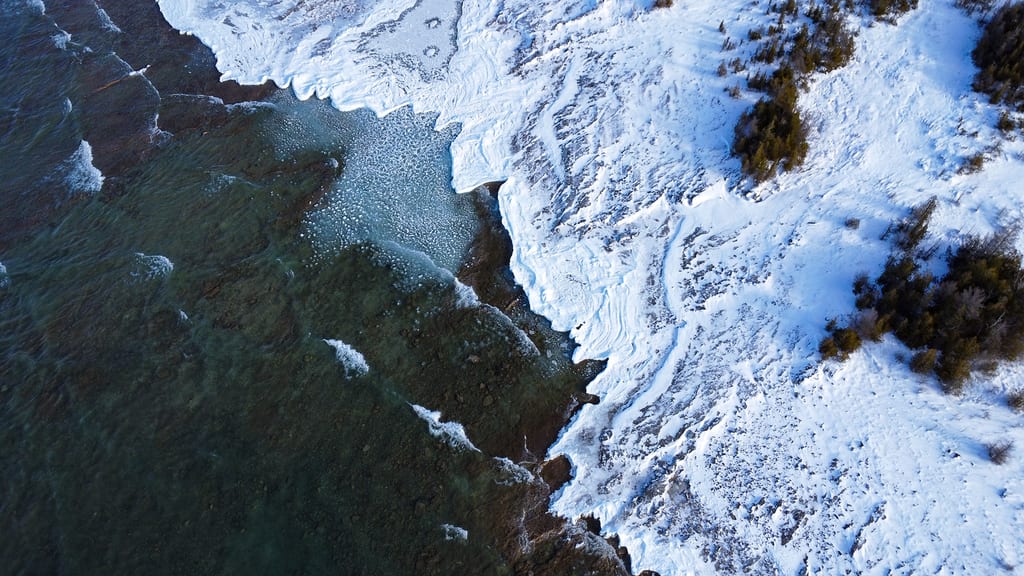
ON Ontario
Key link protected in Great Lakes biodiversity hotspot, strengthening conservation network
March 31, 2026
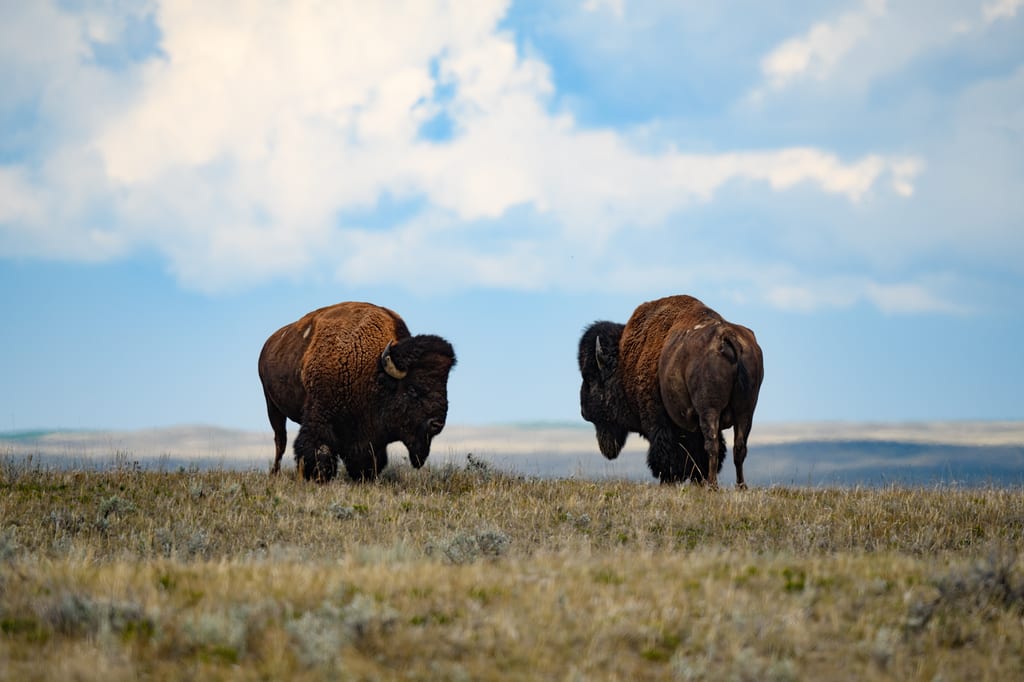
SK Saskatchewan
Plains bison welcomed back to the Kahkewistahaw First Nation in Saskatchewan
March 30, 2026