Green Mountains Nature Reserve
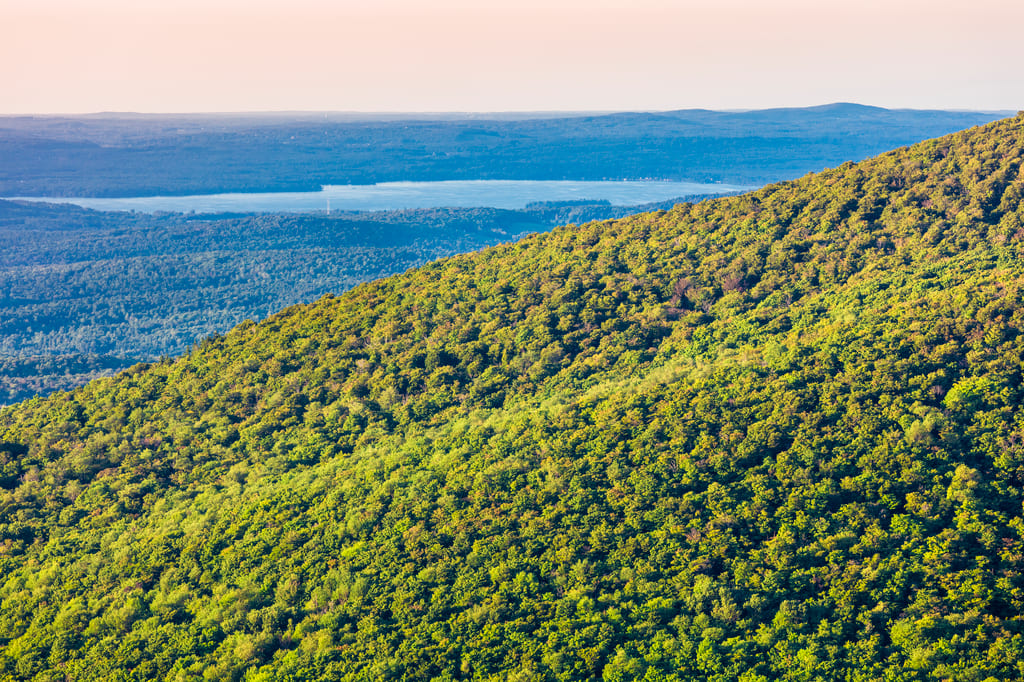
In southern Quebec’s Appalachians, the Green Mountains Nature Reserve protects one of the last large intact natural areas remaining in the region. This picturesque landscape provides a vital connection for wildlife across the mountain range and toward the Canada–U.S. border. Since 2013, we have been protecting this special place. Together, we can ensure it remains a thriving part of the Appalachian landscape for generations to come.

Table of contents
Location
Quebec
Conserved since
2013
Habitat(s)
Forest, Wetlands, Peatlands, Lakes and rivers
Green Mountains Nature Reserve at a glance
- Nestled in the Appalachian Mountains, the reserve protects more than 7,800 hectares of forest, wetland, stream and mountain habitat.
- The reserve is home to a variety of wildlife, from wide-ranging species like moose to at-risk species like the Canada warbler.
- Marked hiking trails welcome visitors to experience this remarkable landscape first-hand.
Why protecting the Green Mountains Nature Reserve matters
The Green Mountains Nature Reserve is a rare refuge of forests, wetlands, streams and mountains in southern Quebec’s Appalachians. This connected landscape gives wildlife room to move, find food and raise their young, while providing people with a place to experience the beauty of nature. By conserving this remarkable landscape, we’re keeping an important part of the Appalachian range connected forever.
Conservation at scale
At more than 7,800 hectares, the Green Mountains Nature Reserve is the largest private conservation area in Quebec.
A cross-border corridor
The reserve provides a vital corridor between Quebec’s Sutton Mountains and Vermont’s Green Mountains, giving wildlife room to move between habitats and adapt as the landscape around them changes.
Home to hundreds of species
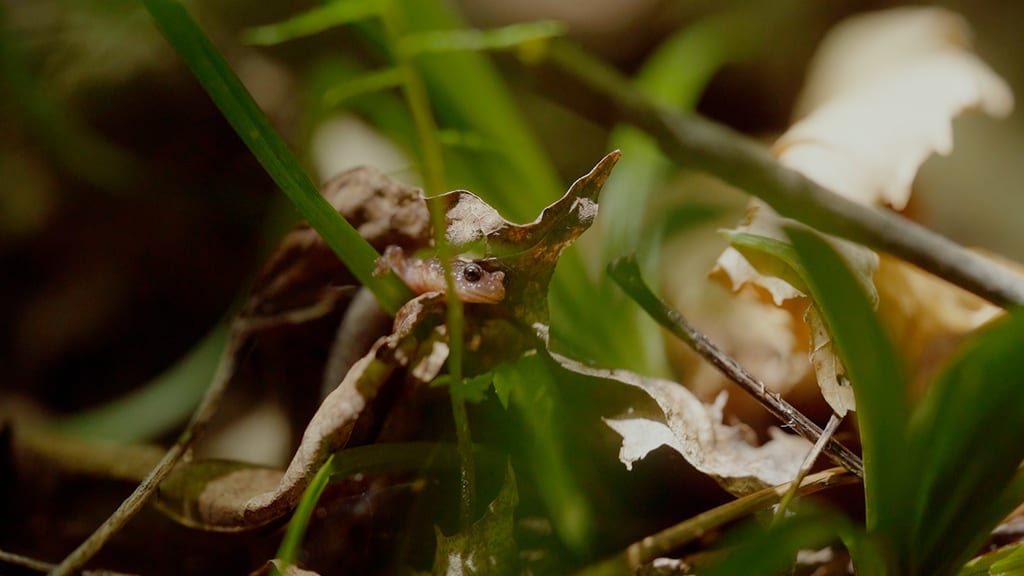
This landscape is home to hundreds of plants and animals, including species at risk like two-leaved toothwort, butternut, Bicknell’s thrush and Canada warbler. Its large, connected landscape also gives wide-ranging animals such as black bears, moose and bobcats the space they need to move freely, while supporting species with more specialized habitat needs.
What’s at stake?
As development grows in Southern Quebec, the natural spaces wildlife depend on are becoming increasingly fragmented. That’s why protecting large natural areas like this is so important. It keeps these vital habitats intact and connected, allowing species to move freely while supporting healthy ecosystems for generations to come.
What could be lost?
Without long-term protection and stewardship, the connections between natural areas could weaken, leaving wildlife with less room to move and adapt. Sensitive forests, wetlands and headwater streams could also become fragmented or degraded, putting important habitats and species at risk.
Why does it matter?
The Green Mountains Nature Reserve is part of a larger natural system that supports healthy forests, wetlands and waterways. These habitats absorb and filter water, reduce the impacts of extreme weather and create places where people can connect with nature in one of southern Quebec’s most remarkable mountain landscapes.
Why is action needed now?
Southern Quebec is changing quickly, with development and climate change putting increasing pressure on natural areas. Protecting and caring for large, connected landscapes like the Green Mountains Nature Reserve supports both wildlife and surrounding communities as they adapt to a changing future.
Where Bicknell’s thrush calls home
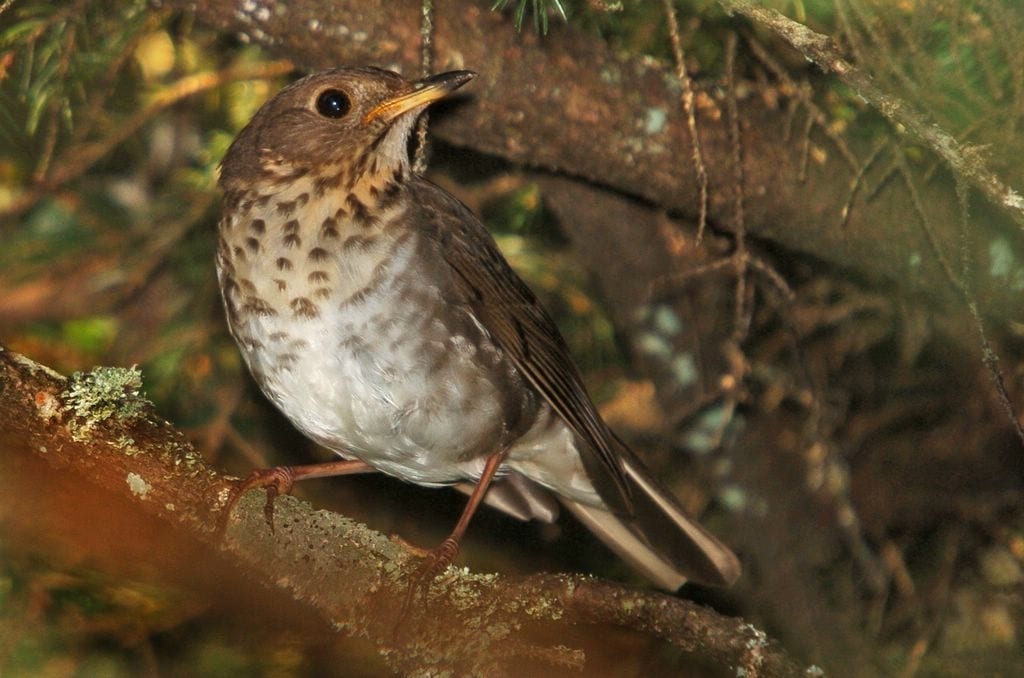
Bicknell’s thrush nests in dense, high-elevation forests like those found in the Green Mountains. It’s one of the rarest and most range-restricted birds in eastern North America, and this is one of the special places it depends on to survive.
The plan in action
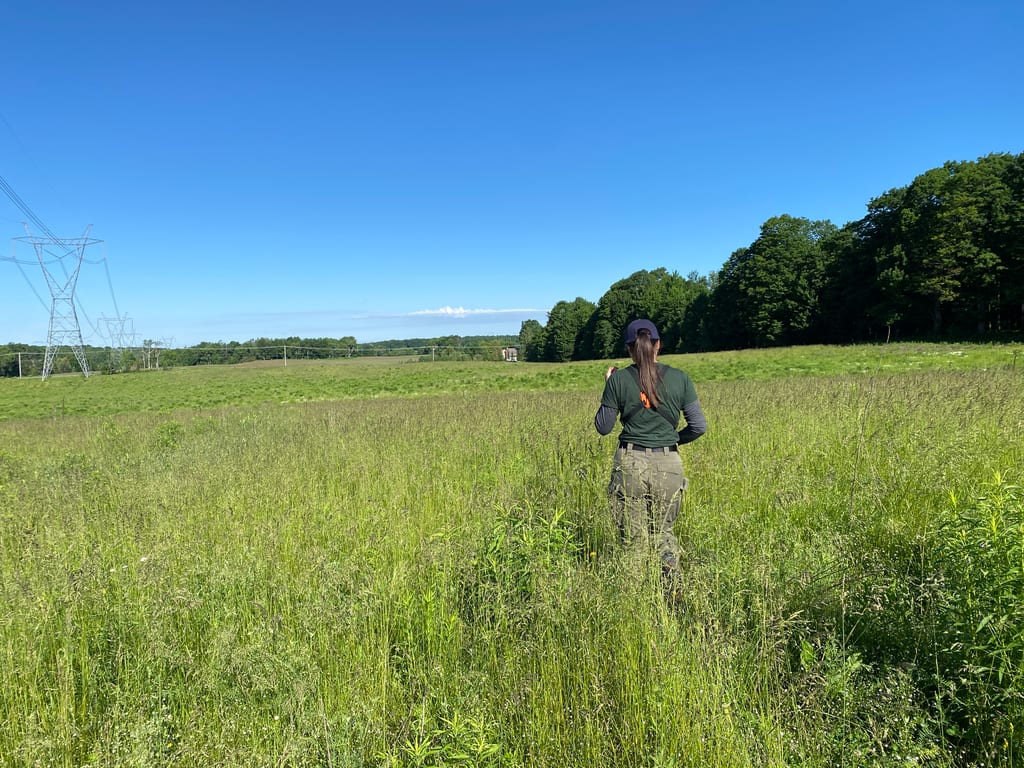
We protect the Green Mountains and care for them alongside our local partners. Together, we keep this landscape connected, care for its trails and welcome visitors responsibly while giving sensitive habitats the protection they need to thrive.
Protect
We are permanently protecting nearby ecologically significant areas to strengthen the reserve, maintain habitat connectivity and support a healthy broader landscape.
Steward
We are maintaining the reserve’s health through science-based stewardship, monitoring, habitat protection and collaboration with local conservation and trail-management partners.
Connect
We are creating opportunities for people to responsibly explore, learn about and connect with nature while ensuring recreation supports the reserve’s conservation goals.
Protect places like this, forever

Our partners
The Green Mountains Nature Reserve is protected and open to visitors through close collaboration with local conservation and trail partners.


Explore the Green Mountains
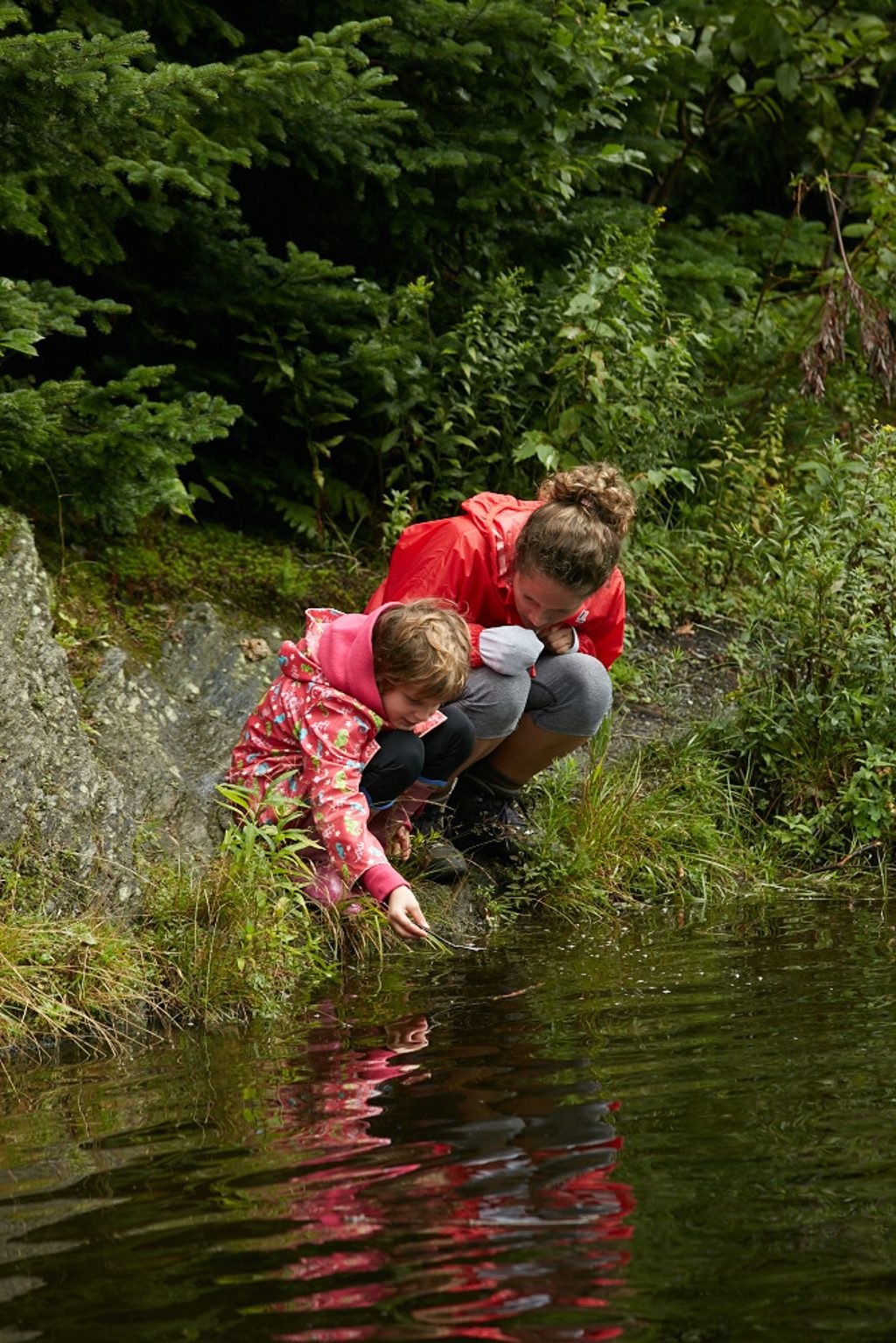
The Green Mountains Nature Reserve is a place you can experience firsthand. Explore the trails, discover the breathtaking landscape and see why protecting this special part of the Appalachians matters.
Featured stories
AB Alberta
Amping up grassland restoration with fungi
March 31, 2026
Canada
Hope, insights, and awareness for invasive species management
February 26, 2026
SK Saskatchewan
The sound of the prairie: Why grazing management matters
November 26, 2025

Canada
Studying recreation so people and nature can thrive
October 10, 2025
ON Ontario
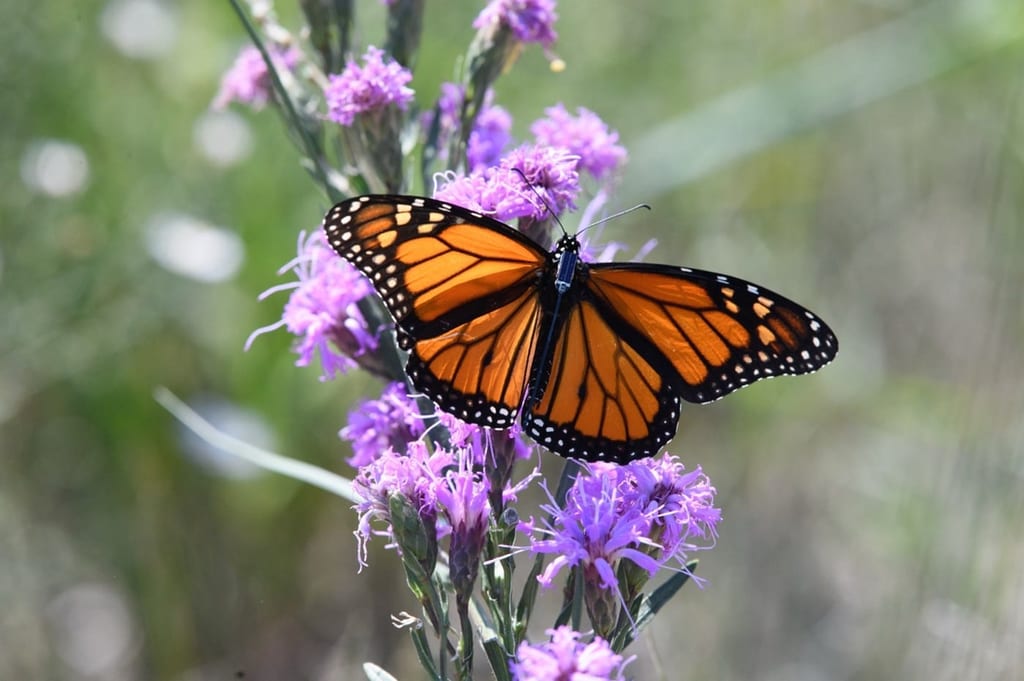
Advancing conservation: in the field with butterflies
October 6, 2025
Canada
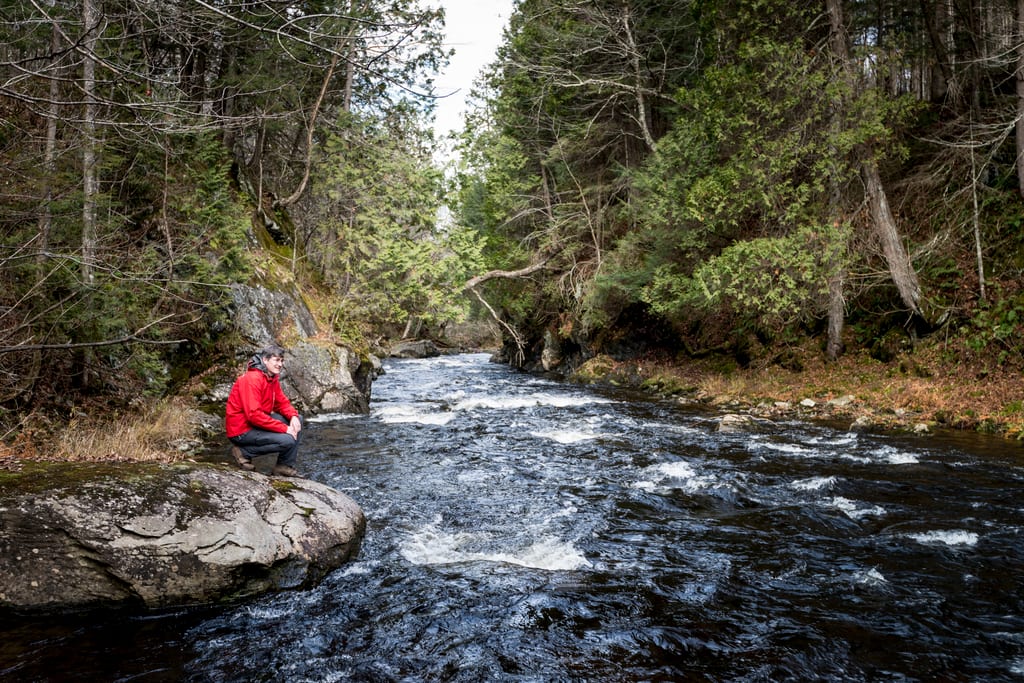
Water is life — and it begins with land
October 6, 2025
Canada
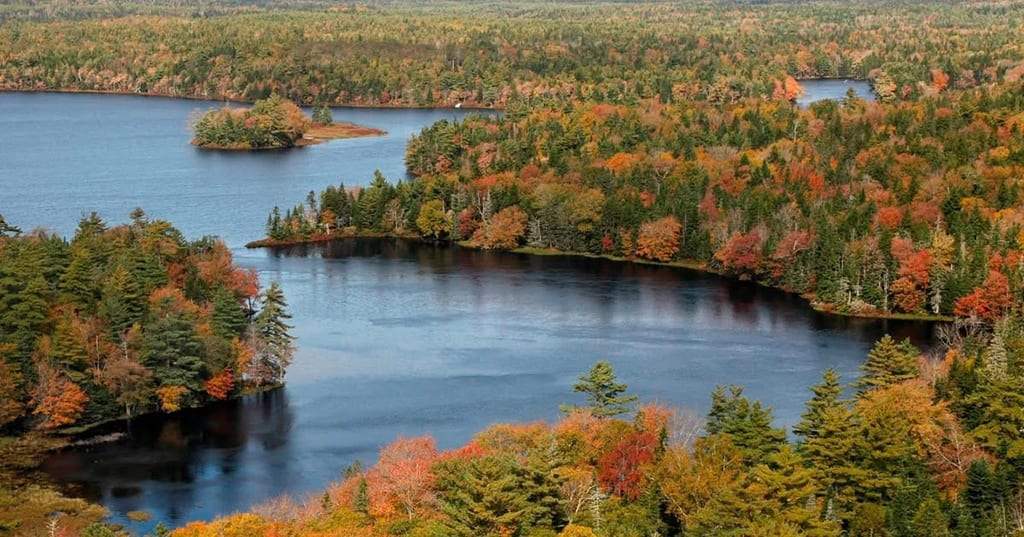
Canada’s forests: the roots of a resilient nation
September 24, 2025
Canada
NCC shares expertise at the Canadian Ecological Connectivity Conference
July 30, 2025
Canada
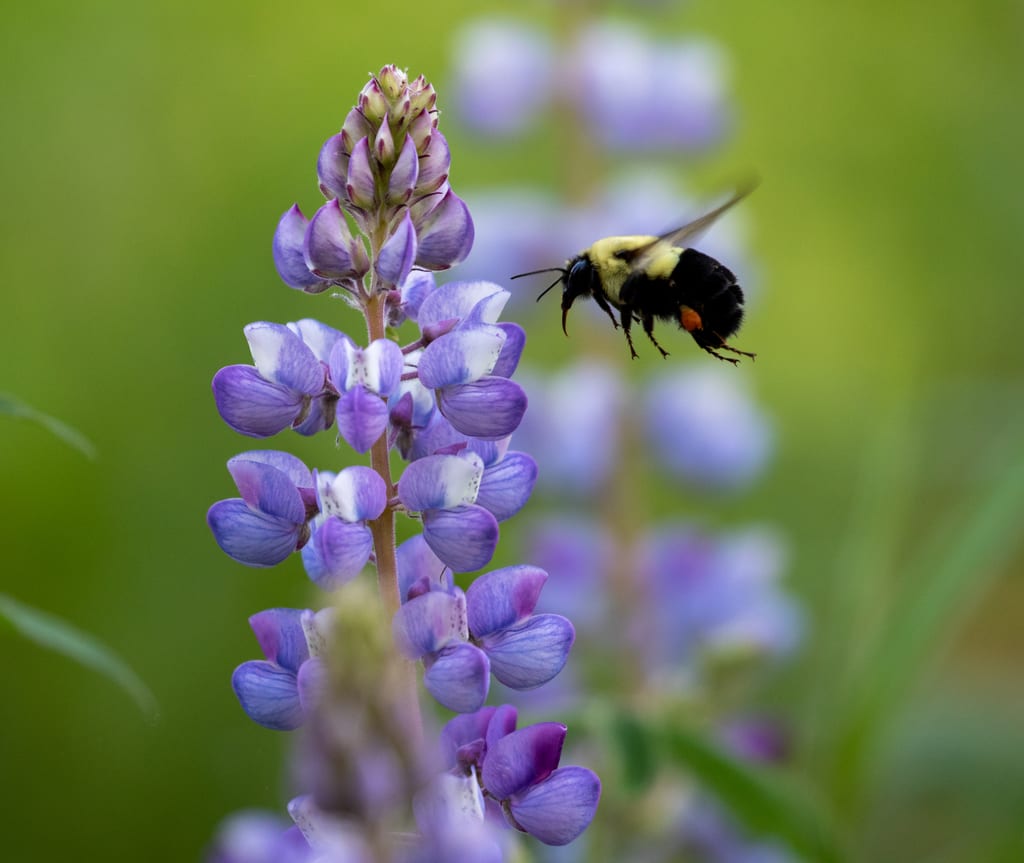
Pollinators and the future of food
June 14, 2025
Canada
Harnessing technology for conservation: A new era for Canada’s ecosystems
May 15, 2025
Wild news, straight from the field
ON Ontario
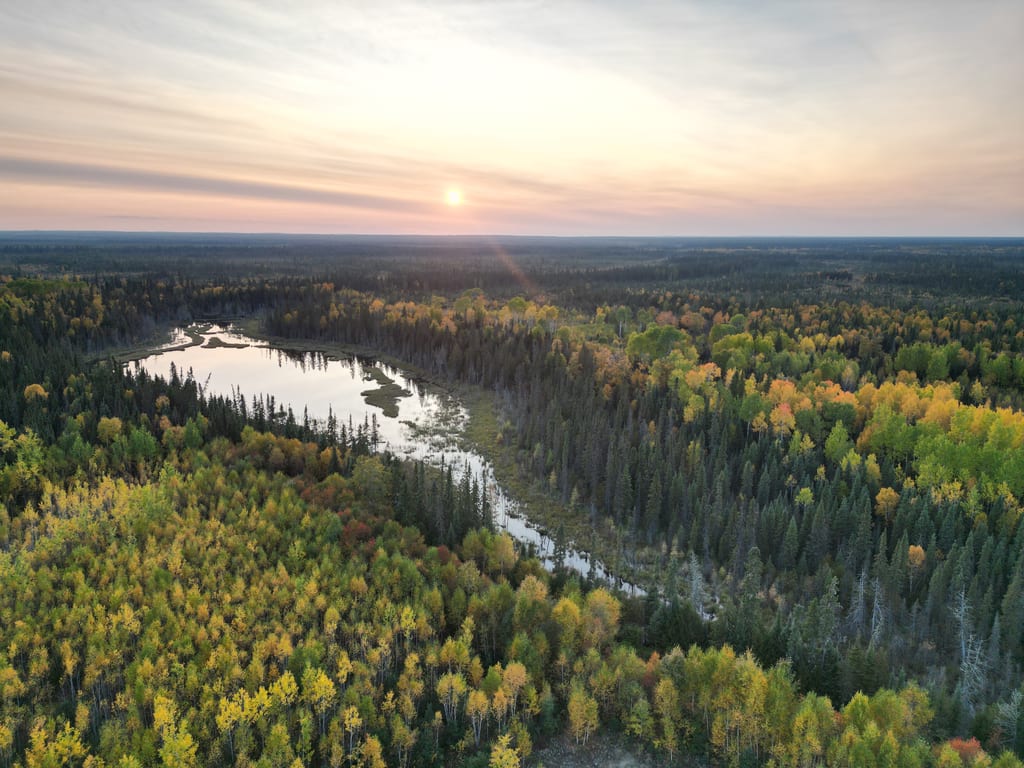
Boreal forest and peatlands secured to support climate resilience
October 13, 2026
AB Alberta
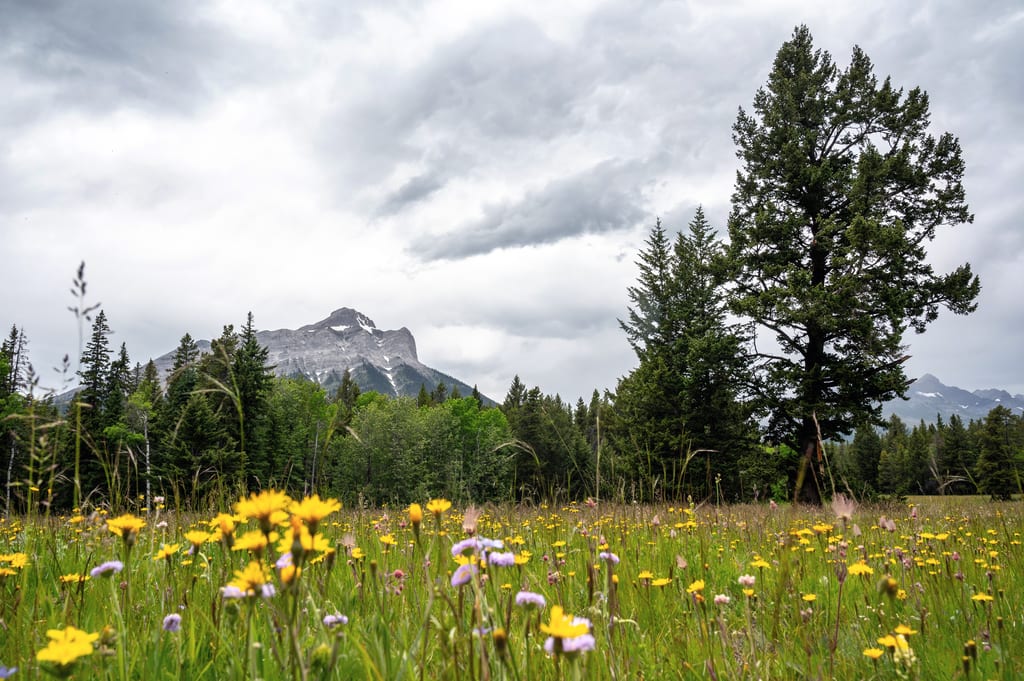
Kropinak family’s century of stewardship helps secure a critical Rocky Mountain wildlife corridor
September 15, 2026
MB Manitoba
Manitoba community leads the way in conserving nature and supporting local livelihoods
September 10, 2026
NL Newfoundland and Labrador
New conservation area protects vital Newfoundland watershed
August 27, 2026
ON Ontario
New boreal conservation area strengthens communities and protects iconic northern landscapes
August 11, 2026
QC Quebec
Where agriculture meets conservation: an unprecedented approach in Montréal
July 15, 2026
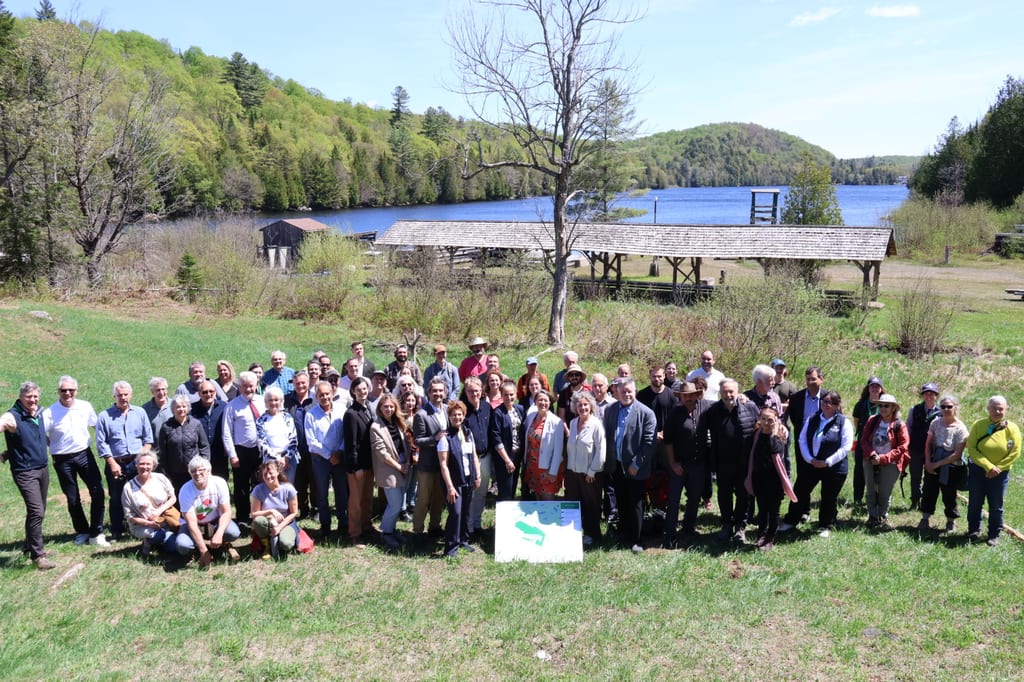
QC Quebec
Tamaracouta: an iconic site protected and accessible to the community
May 20, 2026
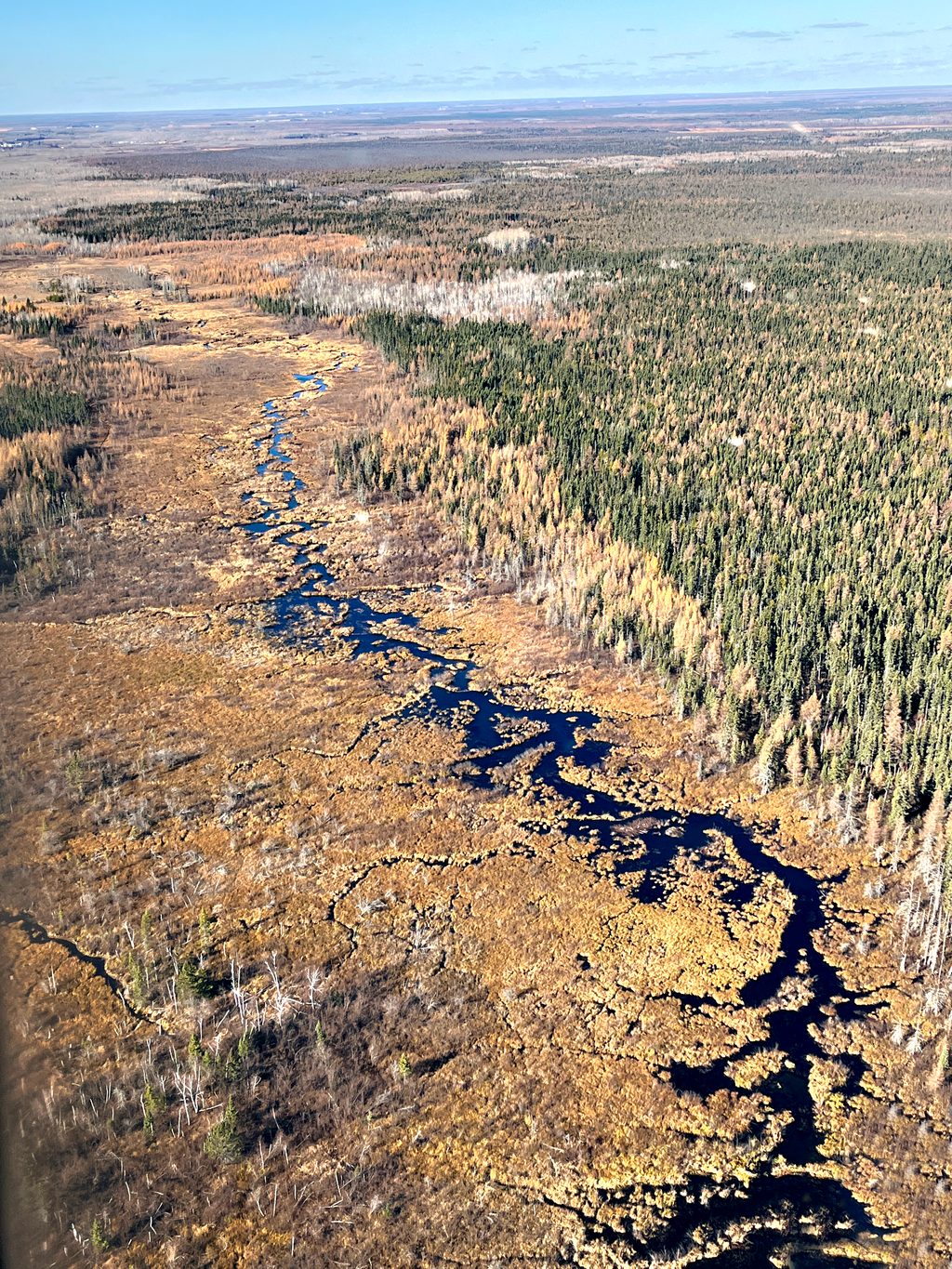
MB Manitoba
Family legacy helps secure carbon-storing powerhouse
April 16, 2026
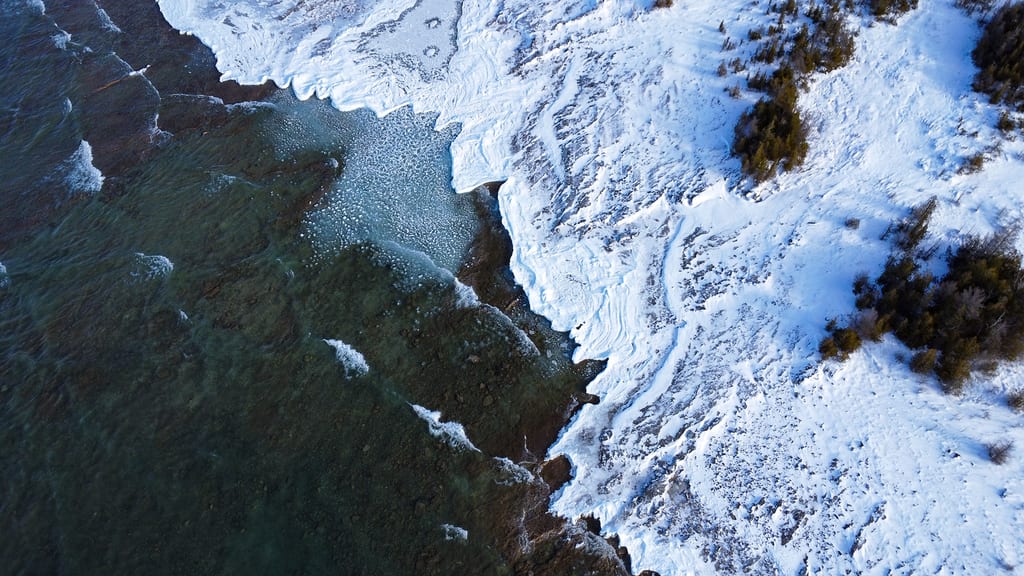
ON Ontario
Key link protected in Great Lakes biodiversity hotspot, strengthening conservation network
March 31, 2026
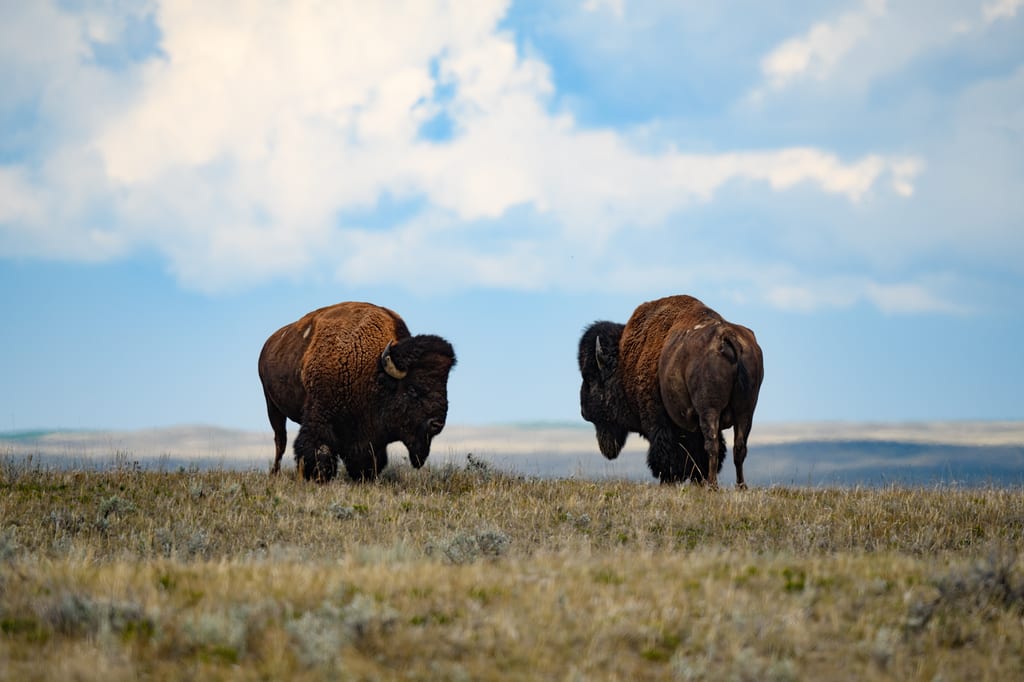
SK Saskatchewan
Plains bison welcomed back to the Kahkewistahaw First Nation in Saskatchewan
March 30, 2026