Back to all featured projects

Kiwto’qitek (Point Pleasant) Natural Area

Located in Murray Harbour, Prince Edward Island, the Kiwto’qitek (Point Pleasant) Natural Area protects something rare: a large, intact Wabanaki (Acadian) forest with nearly 5 kilometres of natural shoreline. Together, we can make our largest conservation project on PEI a reality — keeping this special landscape healthy and resilient forever.

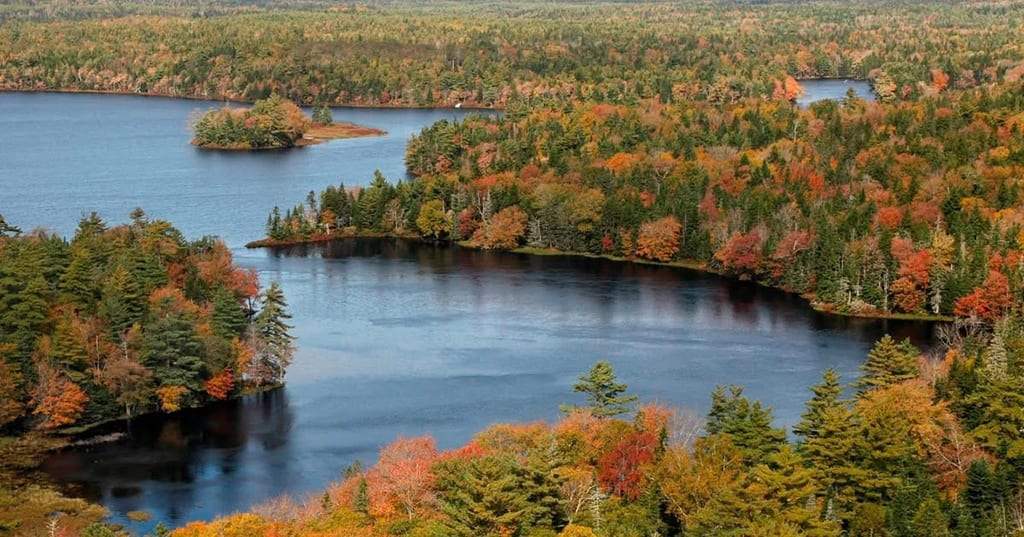
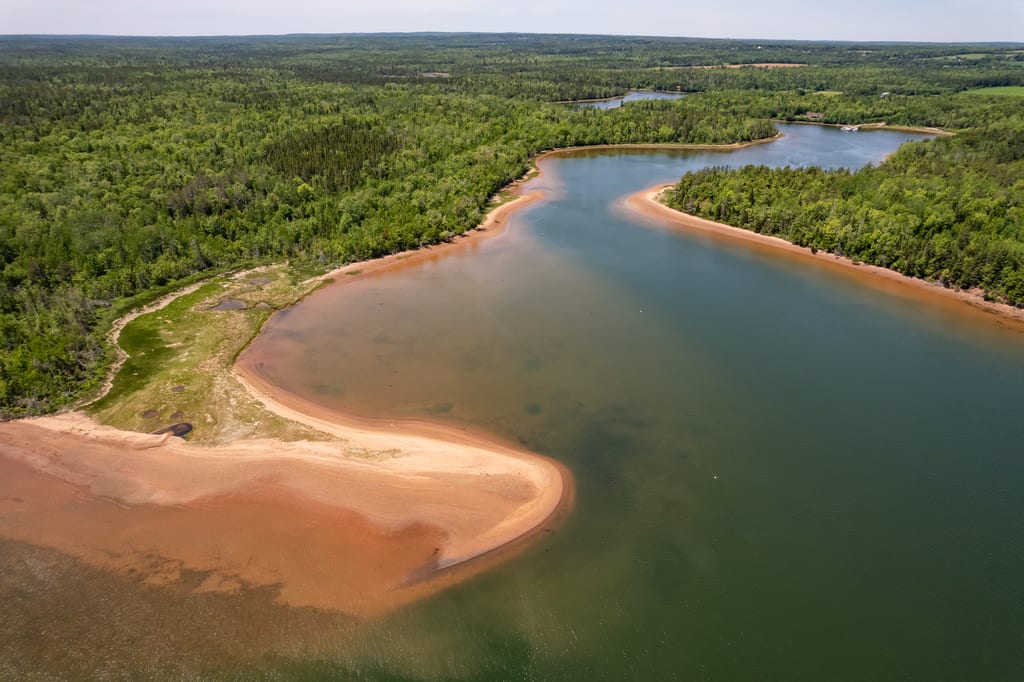
An aerial view of a reddish coastline with a small pond and a dense green forest.

Location

Prince Edward Island

Conserved since

2025

Habitat(s)

Forest

Needs support now

Protect places like this, forever

Donate now

Kiwto’qitek (Point Pleasant) at a glance

  • Kiwto’qitek (Point Pleasant) is located in Murray Harbour in eastern Prince Edward Island.
  • This is our largest acquisition project in the province to date, protecting nearly 5 kilometres of natural shoreline.
  • Mature, intact Wabanaki (Acadian) forests are increasingly rare on the island. This forest houses the at-risk red oak, PEI’s provincial tree.
  • This culturally significant land has been and continues to be cared for by the Mi’kmaq for thousands of years.

Why protecting Kiwto’qitek (Point Pleasant) Natural Area matters

Kiwto’qitek (Point Pleasant) Natural Area brings together forest, wetlands and nearly 5 kilometres of natural coastline in one of Prince Edward Island’s increasingly rare intact coastal landscapes. It provides habitat for native species such as red pine, red oak, Barrow’s goldeneye and American mink, while its forests and wetlands protect the coast and support a healthy, resilient landscape. Our work here is part of a larger conservation effort in Murray Harbour, alongside other protected lands and conservation partners. By keeping these places intact and connected, we can give wildlife the space it needs to thrive while supporting surrounding communities for generations to come.

A rare forest worth protecting

Before European settlement, PEI was almost entirely forested. Today, only around 40% of the island’s land area is forested, and that number continues to decline. Protecting Wabanaki (Acadian) forests like the one at Kiwto'qitek (Point Pleasant) is vital to keeping these important habitats on the island.

Climate resilience

Kiwto'qitek (Point Pleasant) forests, wetlands saltmarshes and natural shoreline protect nearby communities from the impacts of severe storms and coastal erosion. These habitats absorb and store stormwater, reduce wave impacts and support the coastline’s natural recovery and adaptation as conditions change.

Mi’kmaq significance

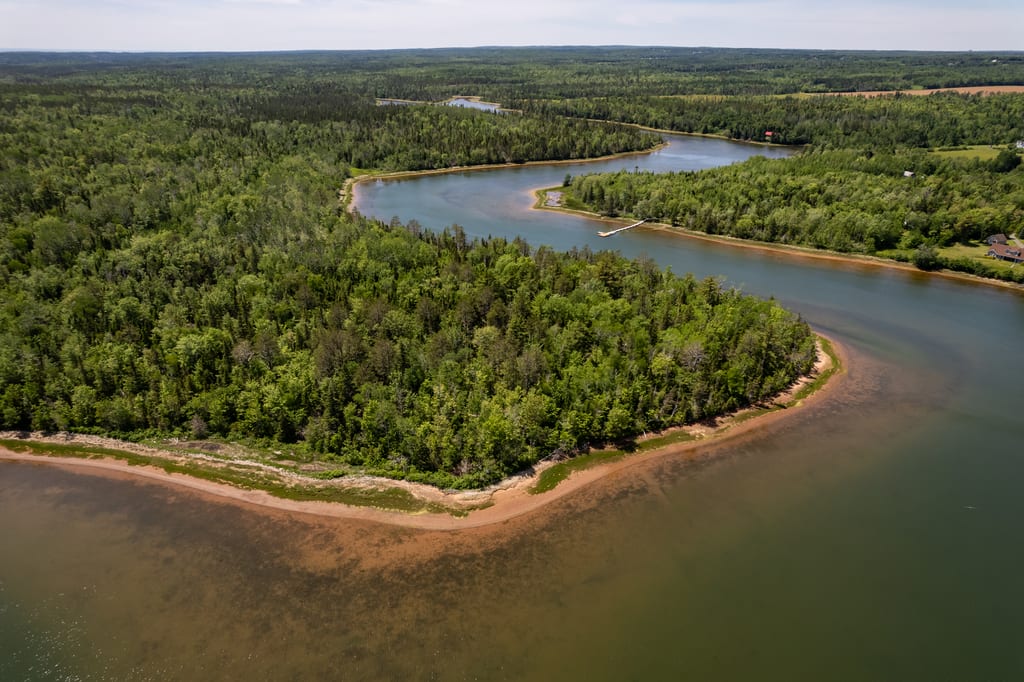
The Mi’kmaq word Kiwto’qitek means “reverberating echo” or “surrounding” and refers to the Greek River, which winds around a natural point of land commonly known as Point Pleasant.  The Mi’kmaq have and continue to live in reciprocity with this area for thousands of years, harvesting the bounty of the sea.

An aerial view of a winding river flowing through a dense green forest.
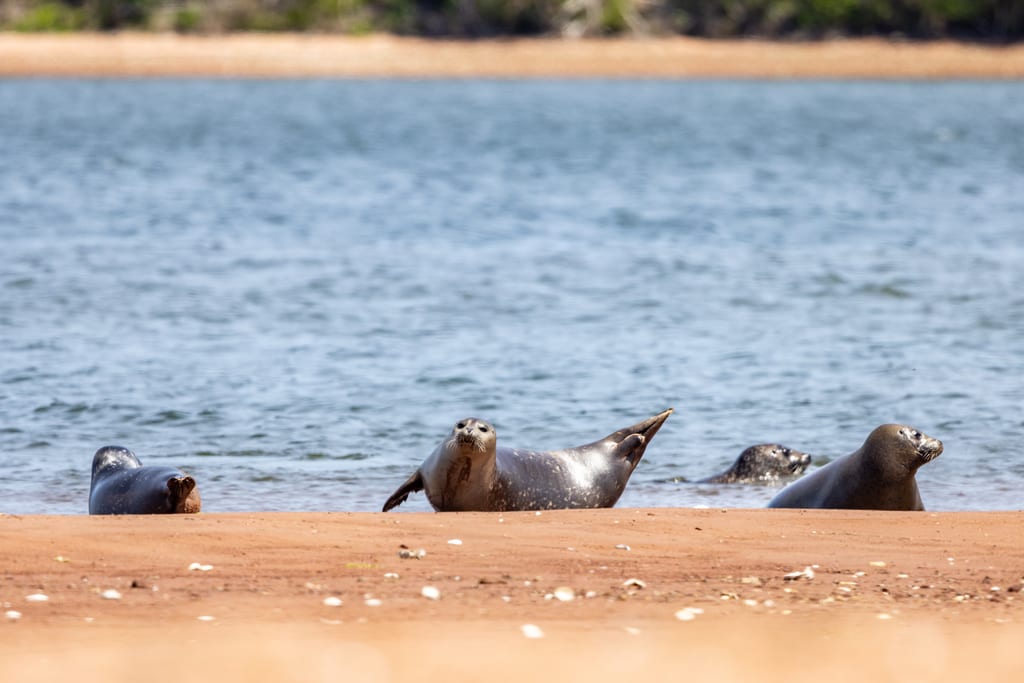
Several seals rest on a sandy beach near the water.

What’s at stake?

PEI faces distinct challenges from climate change, including rising sea levels, stronger storms and accelerated coastal erosion along its fragile sandstone coastline. Intact coastal habitats like Kiwto’qitek (Point Pleasant) Natural Area are already rare and, without ongoing protection, are increasingly vulnerable to these pressures, putting wildlife and communities at greater risk.

What could be lost?

Kiwto’qitek (Point Pleasant) has a rare combination of mature Wabanaki (Acadian) forest, wetlands, saltmarshes and natural shoreline. Without protection, these habitats could become fragmented, degraded or lost as development and climate pressures increase. Wildlife could lose vital habitat, while nearby communities could lose natural protection from storms, erosion and flooding. Once these habitats are fragmented or lost, the natural connections and benefits they provide can be difficult, or impossible, to restore.

Why does it matter?

Kiwto’qitek (Point Pleasant) forests, wetlands, saltmarshes and shoreline work together to provide habitat for wildlife, store carbon, absorb stormwater and protect nearby communities from severe storms and erosion. Protecting these natural systems keeps the coast resilient while giving wildlife the space it needs to thrive.

Why is action needed now?

As climate pressures increase and natural areas face growing threats, protecting intact landscapes now can prevent further habitat loss and fragmentation. Kiwto’qitek (Point Pleasant) is also part of a larger conservation effort in Murray Harbour, creating an opportunity to protect this landscape alongside other conserved lands and build a connected network of healthy, resilient coastal landscapes for generations to come.

Protecting Kiwto’qitek (Point Pleasant) Natural Area is an important investment in the health and resilience of PEI, giving wildlife and communities the benefits of a healthy, resilient coastal landscape for generations to come.

Where the red oak grows

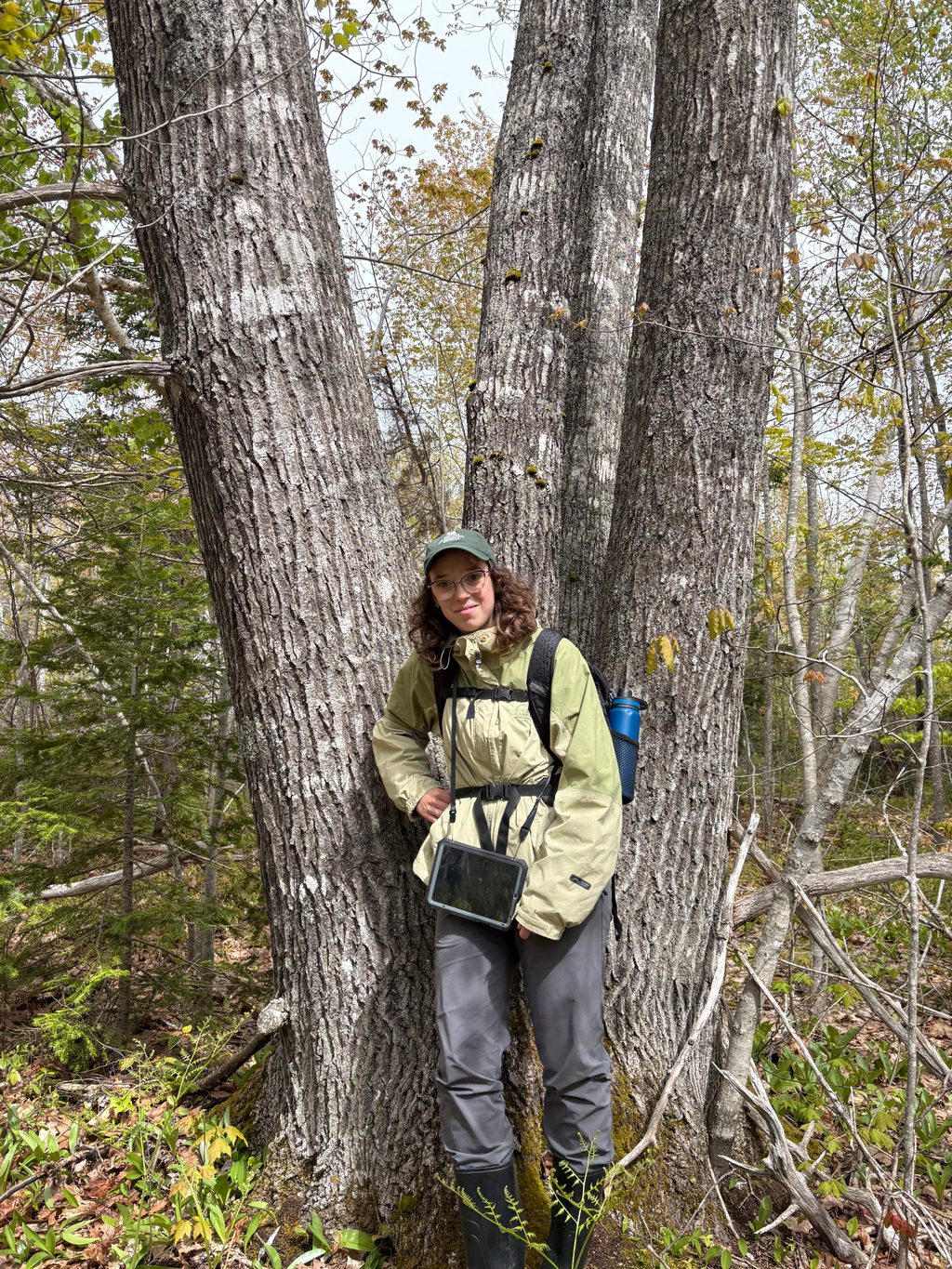
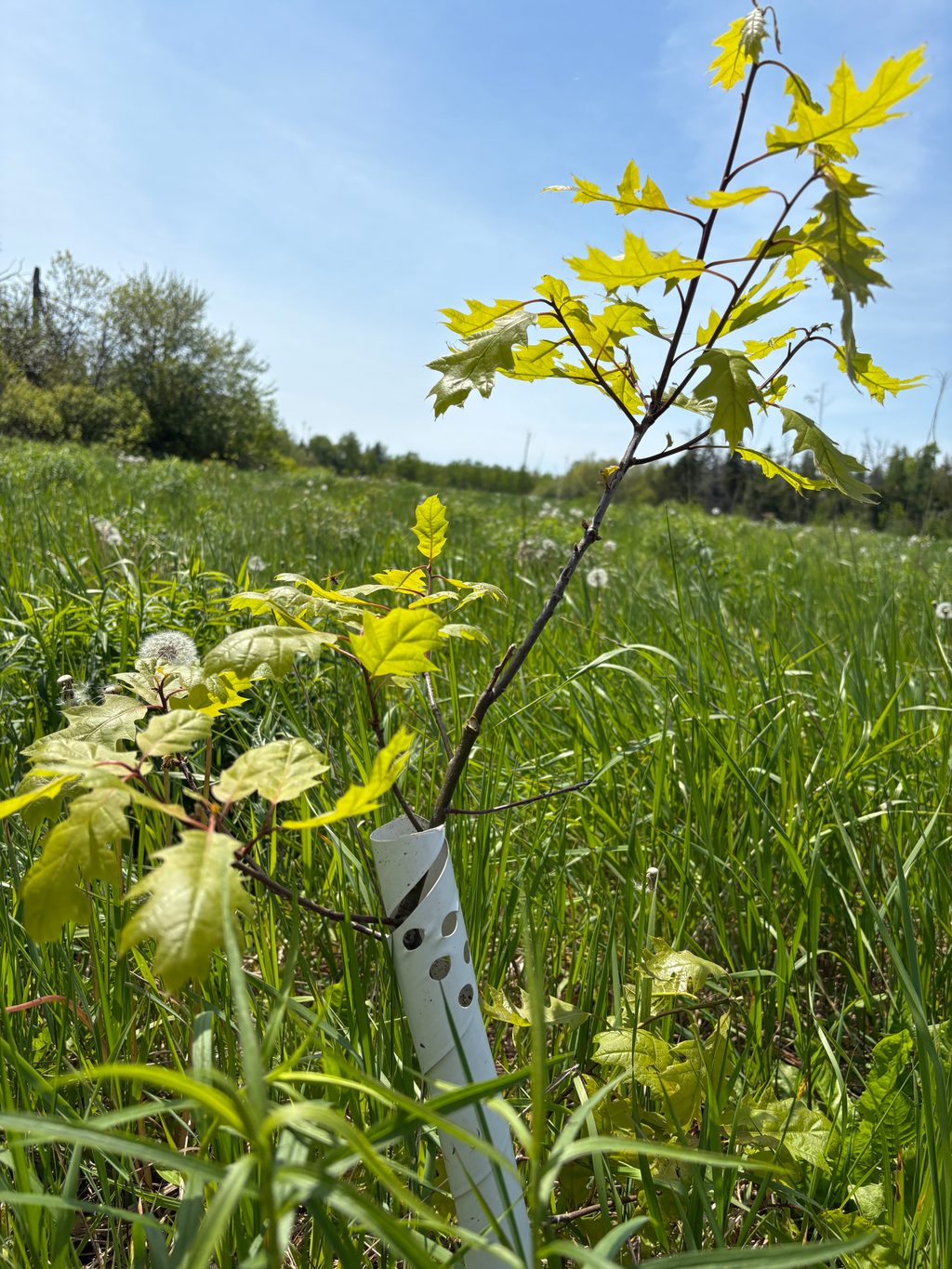
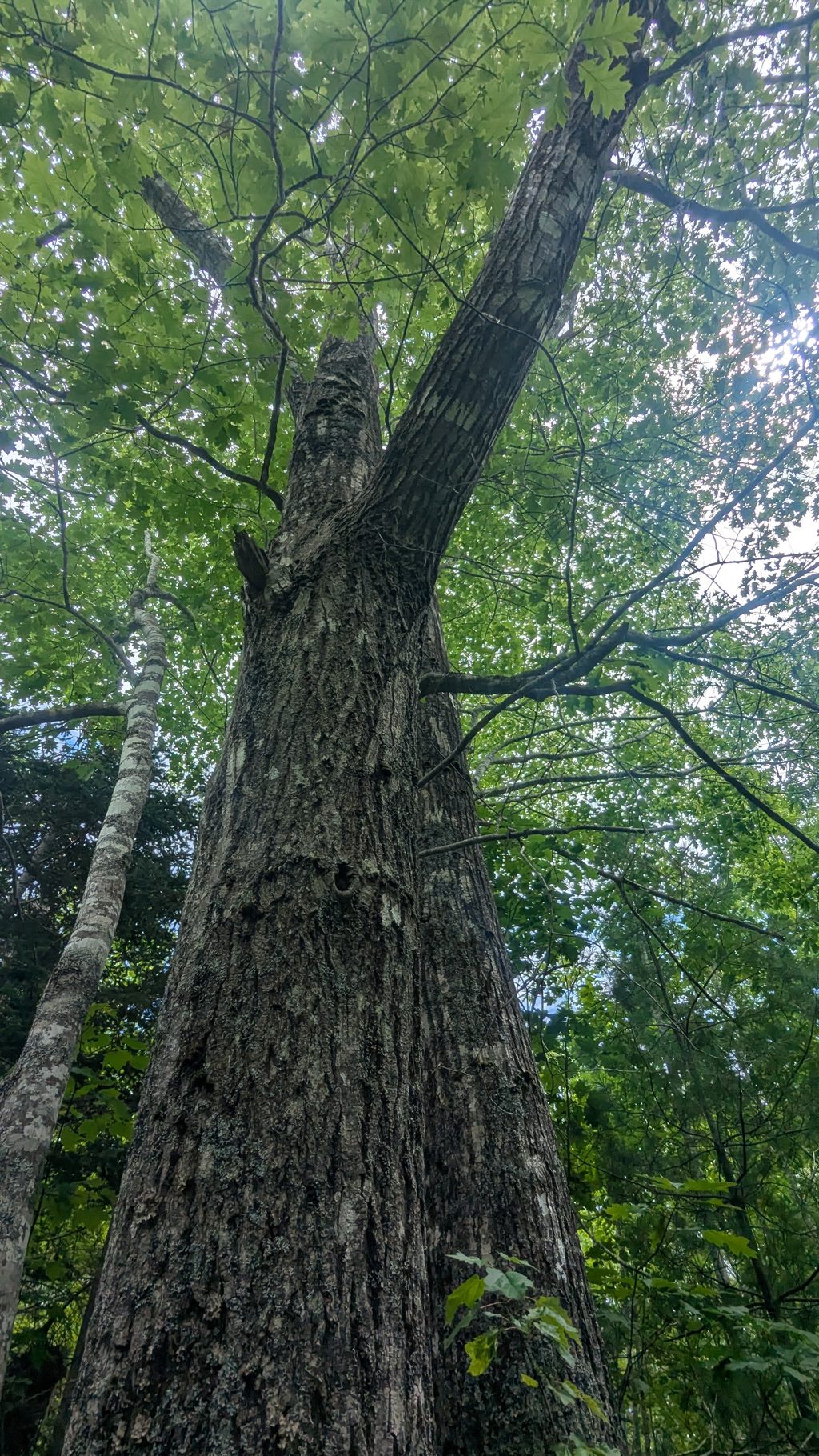
The red oak is Prince Edward Island’s provincial tree, and it can live for up to 300 years in the right environment. Unfortunately, land-clearing has greatly reduced intact habitat for this species, making the old red oaks at Kiwto'qitek (Point Pleasant) increasingly rare. By protecting this mature Wabanaki (Acadian) forest, we give these long-lived trees, and the wildlife that depends on them, a place to keep growing.

A person in hiking gear stands in a forest next to large tree trunks.
A young oak sapling in a protective tube grows in a grassy meadow.
A large maple tree reaches toward the green forest canopy.
"Coastal forests like this one are incredibly rare on PEI. The overall size, health of the forest and wetland, and the intact shoreline are unparalleled. Our hope is to protect it forever providing habitat for wildlife and a healthy, intact natural area for all Islanders to enjoy."
Lanna Campbell, Program Director, Prince Edward Island, NCC
A woman wearing a Nature Conservancy Canada vest stands in a field of tall grass.
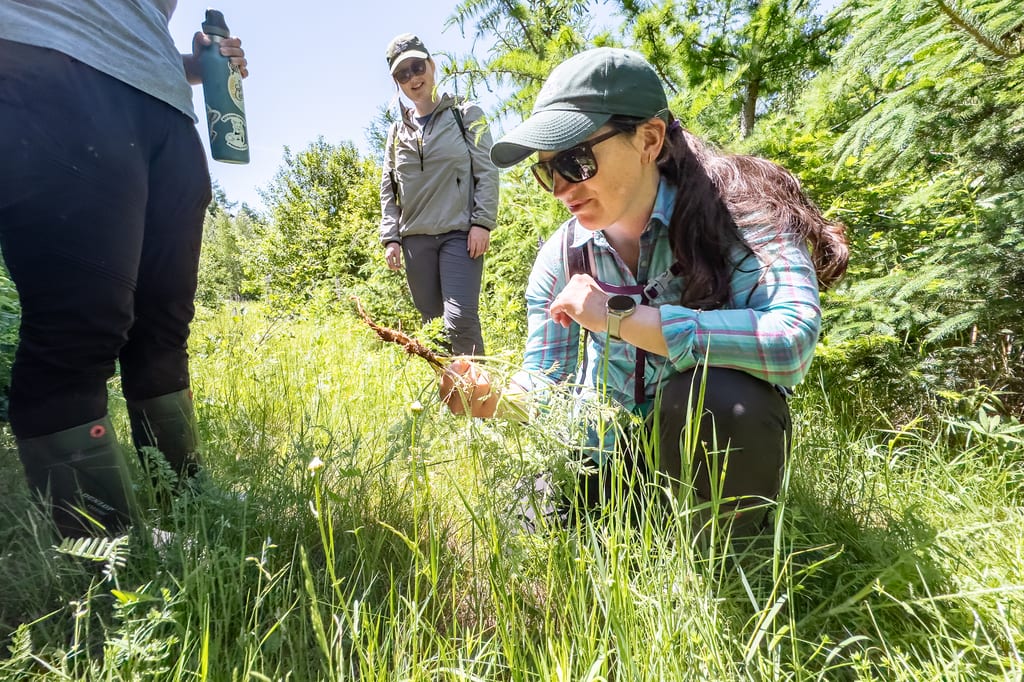
Two women observe plants in a sunny, grassy meadow surrounded by trees.

The plan in action

We are protecting the Kiwto’qitek (Point Pleasant) Natural Area and caring for its forest, wetland and shoreline for generations to come. This project adds to a growing network of protected natural areas in the region.

Protect

Conserving the Kiwto’qitek (Point Pleasant) Natural Area prevents habitat loss and protects native species across a fragile coastal ecosystem.

Connect

This project builds on broader conservation efforts throughout Murray Harbour by creating protected mainland areas near offshore islands conserved with the Province of PEI and the Island Nature Trust.

Care

Protecting this place is just the beginning. We care for protected areas over the long term through active stewardship, ongoing monitoring and restoration, and lasting partnerships with Indigenous communities and local partners. By responding to change and caring for this landscape over time, we keep it healthy, resilient and thriving for generations to come.

Protect places like this, forever