Kootenay Forest Lands
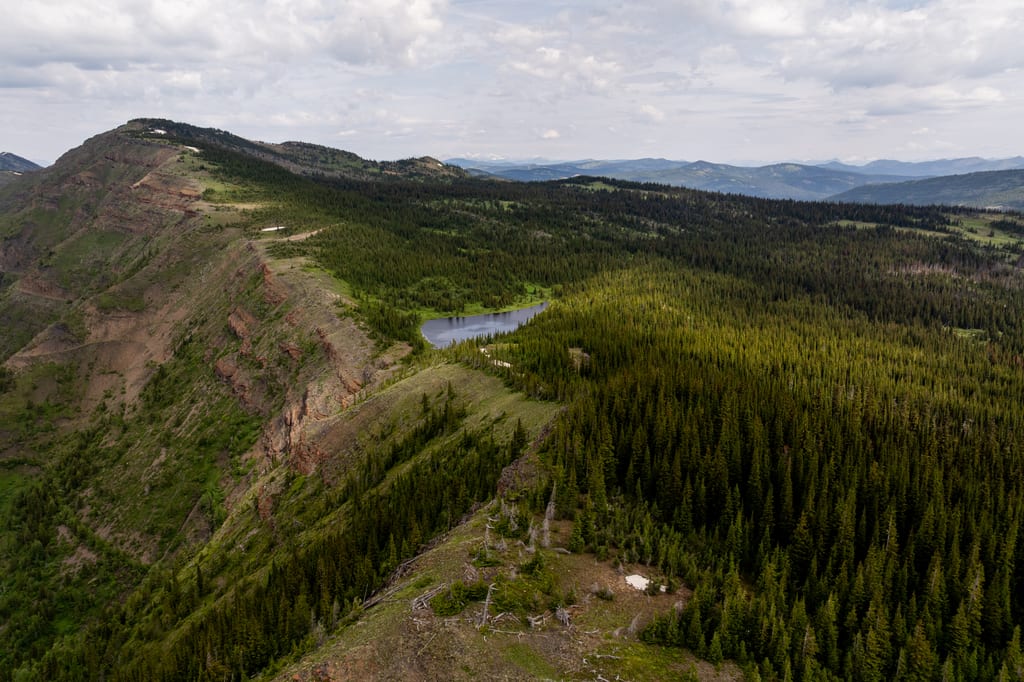
In BC’s East Kootenay, near the Alberta and Montana borders, the Kootenay Forest Lands show what’s possible when we come together to protect nature. Spanning 45,000 hectares, this remarkable landscape sustains wildlife, connects people to nature and provides lasting benefits for local communities. By conserving these lands, we can safeguard their natural and cultural benefits for generations to come.

Table of contents
Location
British Columbia
Conserved since
2025
Habitat(s)
Grassland, Forest, Wetlands, Lakes and rivers
Needs support now
Protect places like this, forever
Kootenay Forest Lands at a glance
- From forests and rare high-elevation grasslands to freshwater systems, these lands span 42 watersheds and more than 930 km of streams, strengthening a connected 7,000 km² network of protected areas.
- Partnerships with local communities, Indigenous Nations and conservationists have secured the future of these lands.
- This connected landscape sustains wildlife and supports thriving communities.
Why protecting the Kootenay Forest Lands matters
The Kootenay Forest Lands offer a rare second chance for nature. A history of intensive logging has altered the landscape, but our conservation and restoration work is creating space for vast stretches of forest to recover. These lands span countless waterways and connect to a sprawling network of protected areas, giving wide-ranging species room to roam. By partnering with Indigenous Nations, local communities and conservationists, we’re giving these forests the space and time to recover, grow old and function as they should.
A landscape rich in life
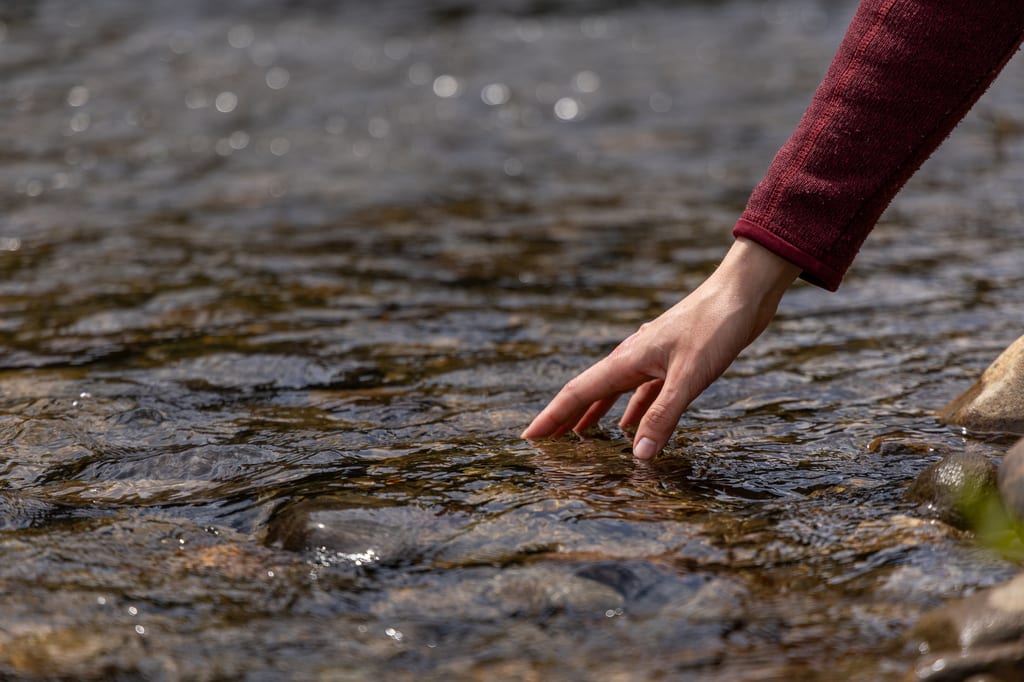
Across 45,000 hectares, forests, rare high-elevation grasslands and freshwater systems support an incredible diversity of life. The lands cross 42 watersheds and contain more than 930 km of streams, providing critical habitat for bull trout, westslope cutthroat trout and many other species.
A vital link for wildlife
The Kootenay Forest Lands sit at a critical crossroads for wildlife movement, connecting a 7,000 km² network of protected areas near the Alberta and Montana borders. Grizzly bears, wolverines, lynx and other wide-ranging species rely on this connected landscape to move, find food and meet their needs.
A future shaped by partnerships
For more than two decades, we have worked in partnership with Indigenous Nations, local communities and conservationists to protect this landscape. Together, we’re giving these forests the space and time to recover, helping nature thrive and surrounding communities benefit for generations to come.
What’s at stake?
The Kootenay Forest Lands are part of a vast, interconnected ecosystem that sustains both wildlife and communities. A history of intensive logging has changed this landscape, putting the health and resilience of these ecosystems at risk. Without conservation and restoration, we could lose connected habitat for species and the natural benefits these lands provide to surrounding communities.
What could be lost?
Without conservation and restoration, connected forests, rare grasslands and freshwater systems could face further fragmentation and degradation. Species such as grizzly bears, wolverines and lynx could lose vital habitat and the connected landscapes they need to move, find food and thrive. Fish such as bull trout and westslope cutthroat trout could also lose critical stream habitat.
Why does it matter?
Healthy, resilient forests can reduce the impacts of flooding, erosion and wildfire on surrounding communities. Restoring fire-adapted ecosystems, reducing fuel and creating fire breaks can lower wildfire risks, while healthy forests and wetlands can slow water and reduce erosion. These ecosystems also store carbon, playing an important role in a changing climate.
Why is action needed now?
Caring for the Kootenay Forest Lands is a long-term undertaking. Under our care, these lands are transitioning from industrial-scale forestry to conservation-focused management that restores ecosystems, strengthens resilience to wildfire and floods and enhances carbon storage. Acting now gives forests the space and time they need to recover and ensures connected habitat remains available for wildlife and future generations.
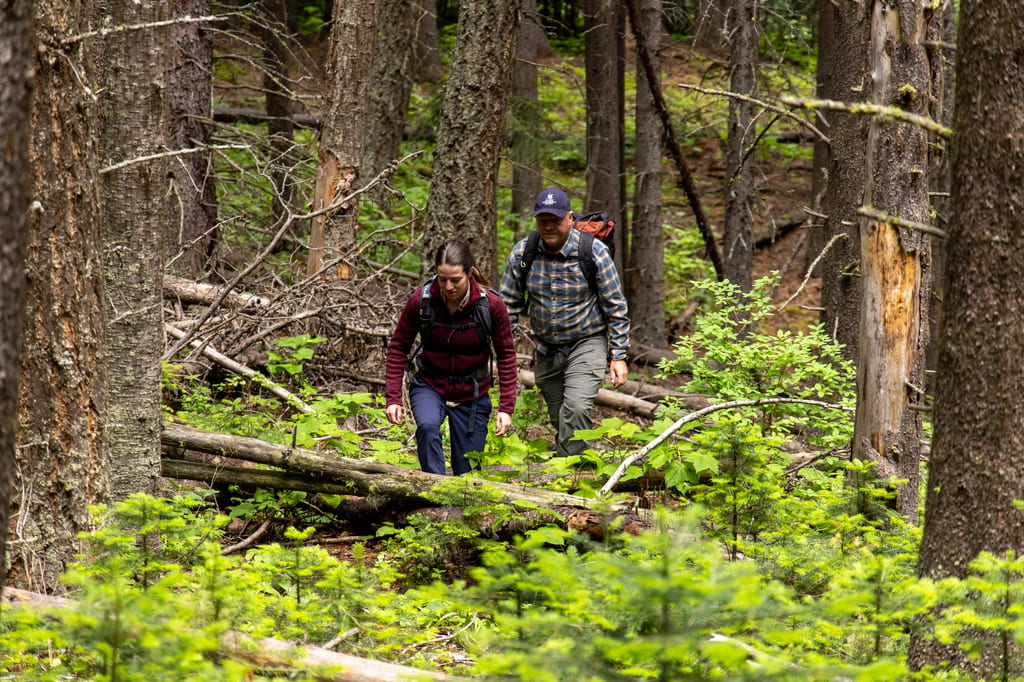
See the Kootenay Forest Lands and some of the people involved in its recovery.
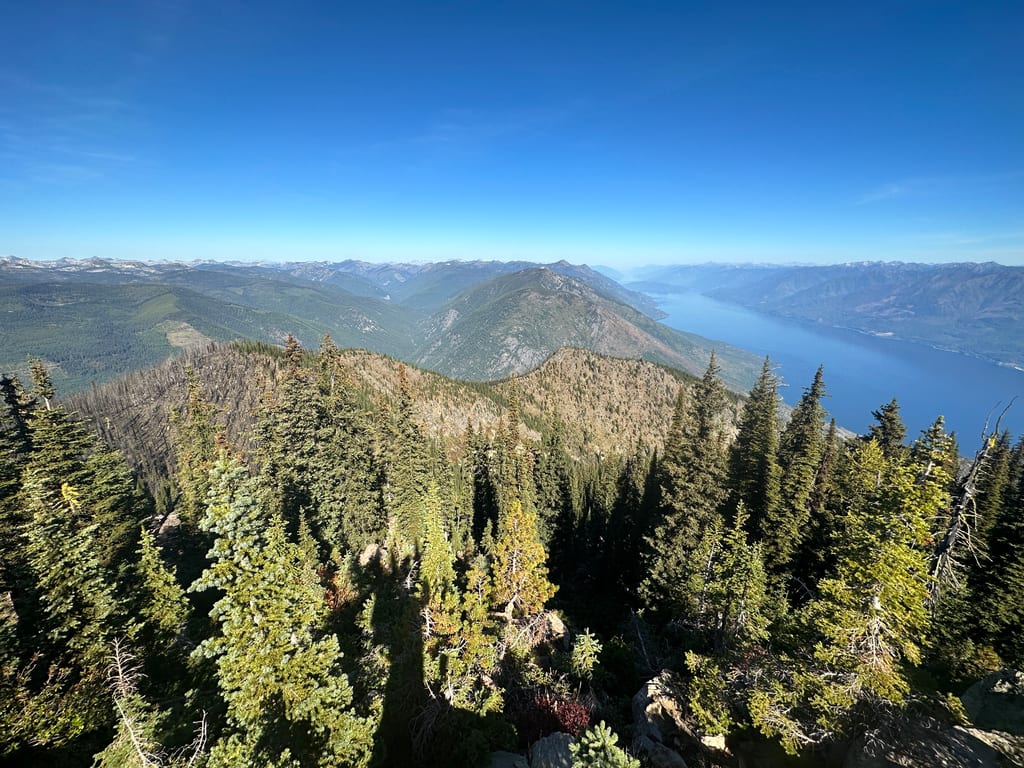
Give the Kootenay Forest Lands space and time to recover, and their forests can grow old, providing habitat for wildlife and sustaining communities downstream.
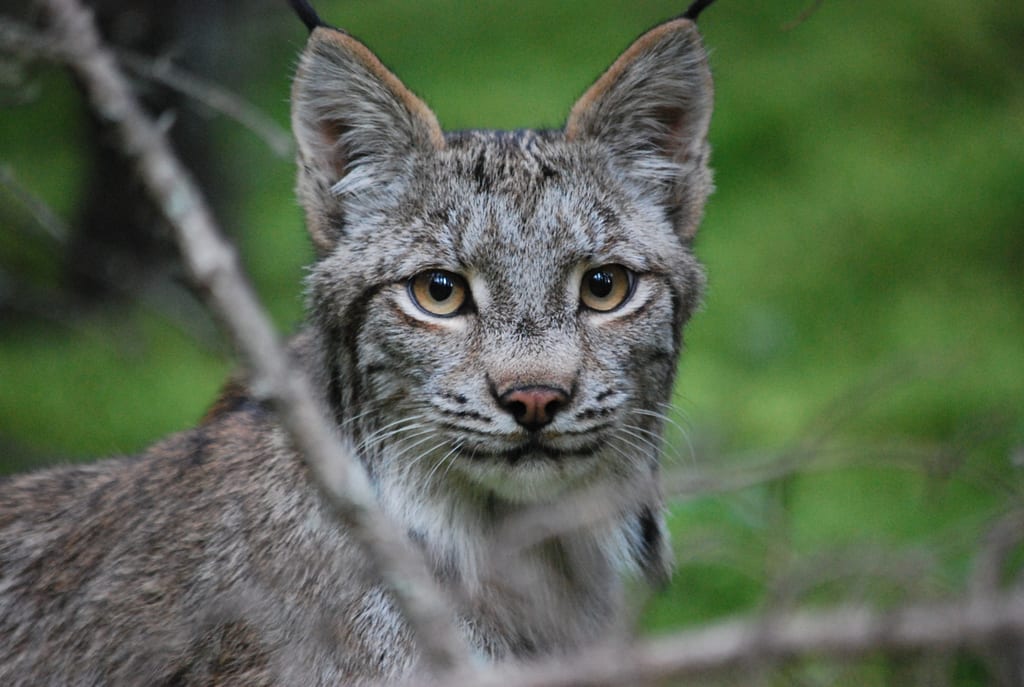
Where the lynx calls home
The lynx is a wide-ranging mountain cat that requires a mix of habitats to find food, mates and shelter. Habitat fragmentation is a real threat, so connecting large landscapes like the Kootenay Forest Lands is exactly what this incredible animal needs. As these forests recover and stay linked to the wider protected-area network, the lynx can move safely across the mountains.
The plan in action
We’re protecting these lands as part of a connected network of protected areas, restoring forests and waterways altered by past industrial impacts and partnering with Indigenous Nations, local communities and conservationists to guide their future. Together, these actions are giving nature the space and time to recover and thrive for generations to come.
Protect
We’re protecting the Kootenay Forest Lands as part of a larger network of protected areas, giving grizzly bears, wolverines, elk and other species room to move and allowing natural processes to function as they should.
Restore
We’re restoring waterways to reduce erosion and allow water to flow naturally, while planning significant reforestation with a mix of spruce, Douglas-fir, western larch and lodgepole pine. Together, these actions will create more diverse, resilient forests and healthier aquatic habitats that can better withstand change.
Partner
Together with the Ktunaxa First Nations, governments, foundations and donors, we’re giving these lands the long-term care they need to recover. Together, we’re restoring forests and waterways while learning from how nature responds when given the space and time to heal.
Protect places like this, forever

Featured stories
AB Alberta
Amping up grassland restoration with fungi
March 31, 2026
Canada
Hope, insights, and awareness for invasive species management
February 26, 2026
SK Saskatchewan
The sound of the prairie: Why grazing management matters
November 26, 2025

Canada
Studying recreation so people and nature can thrive
October 10, 2025
ON Ontario
Advancing conservation: in the field with butterflies
October 6, 2025
Canada
Water is life — and it begins with land
October 6, 2025
Canada
Canada’s forests: the roots of a resilient nation
September 24, 2025
Canada
NCC shares expertise at the Canadian Ecological Connectivity Conference
July 30, 2025
Canada
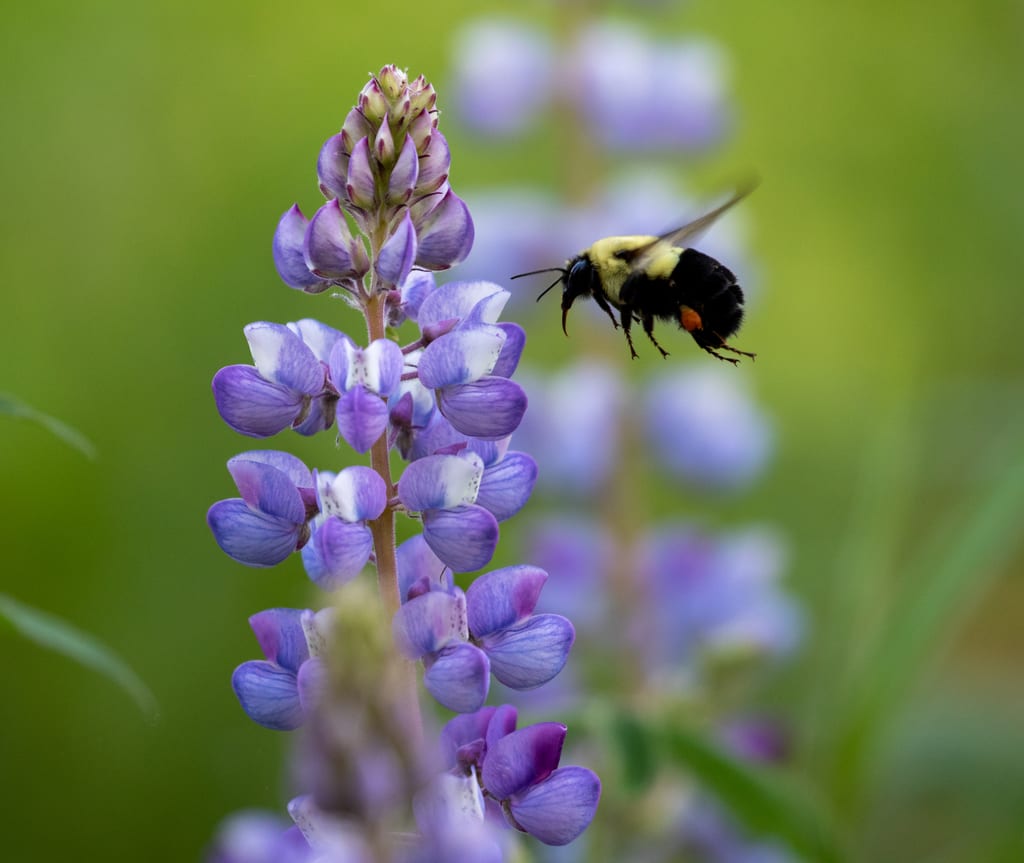
Pollinators and the future of food
June 14, 2025
Canada
Harnessing technology for conservation: A new era for Canada’s ecosystems
May 15, 2025
Wild news, straight from the field
ON Ontario
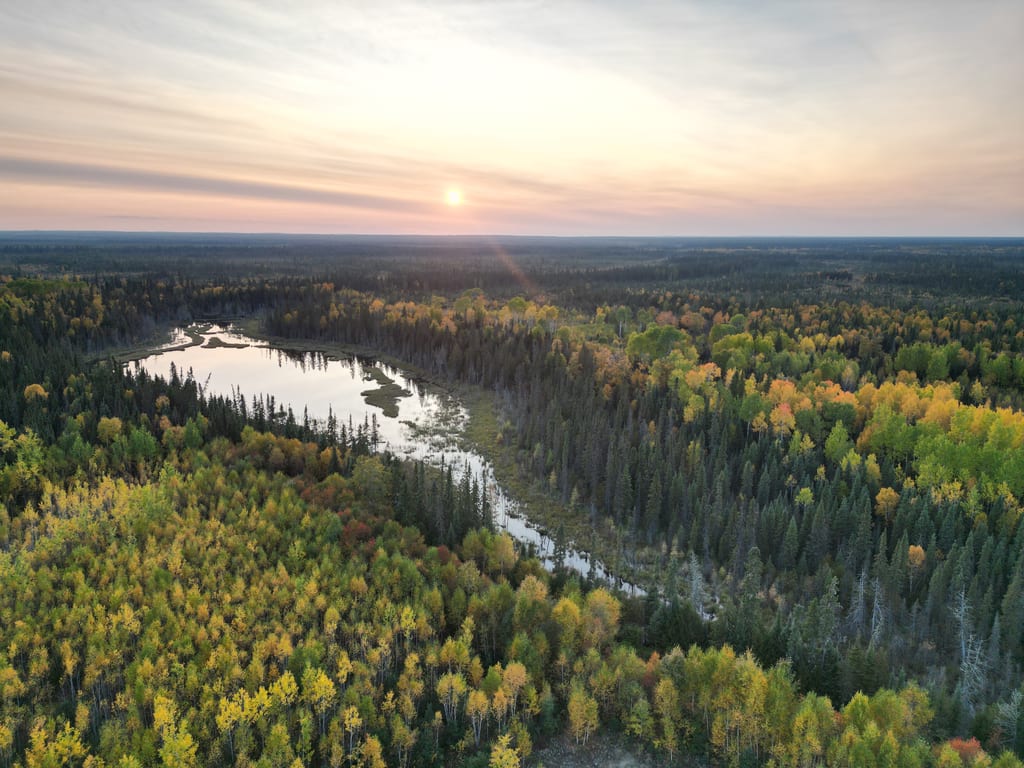
Boreal forest and peatlands secured to support climate resilience
October 13, 2026
AB Alberta
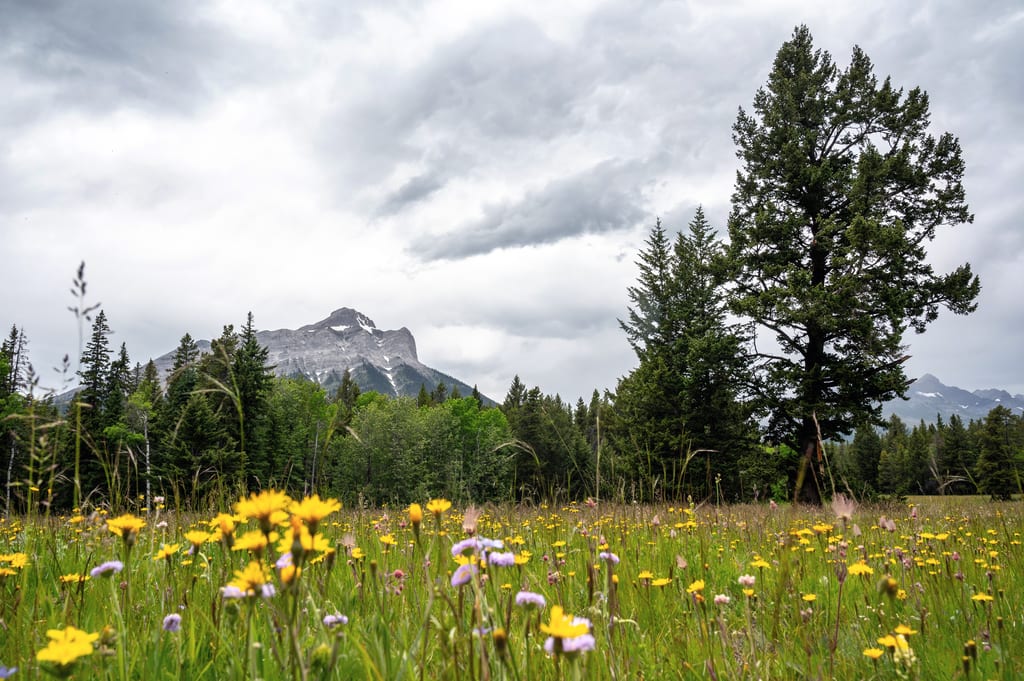
Kropinak family’s century of stewardship helps secure a critical Rocky Mountain wildlife corridor
September 15, 2026
MB Manitoba
Manitoba community leads the way in conserving nature and supporting local livelihoods
September 10, 2026
NL Newfoundland and Labrador
New conservation area protects vital Newfoundland watershed
August 27, 2026
ON Ontario
New boreal conservation area strengthens communities and protects iconic northern landscapes
August 11, 2026
QC Quebec
Where agriculture meets conservation: an unprecedented approach in Montréal
July 15, 2026
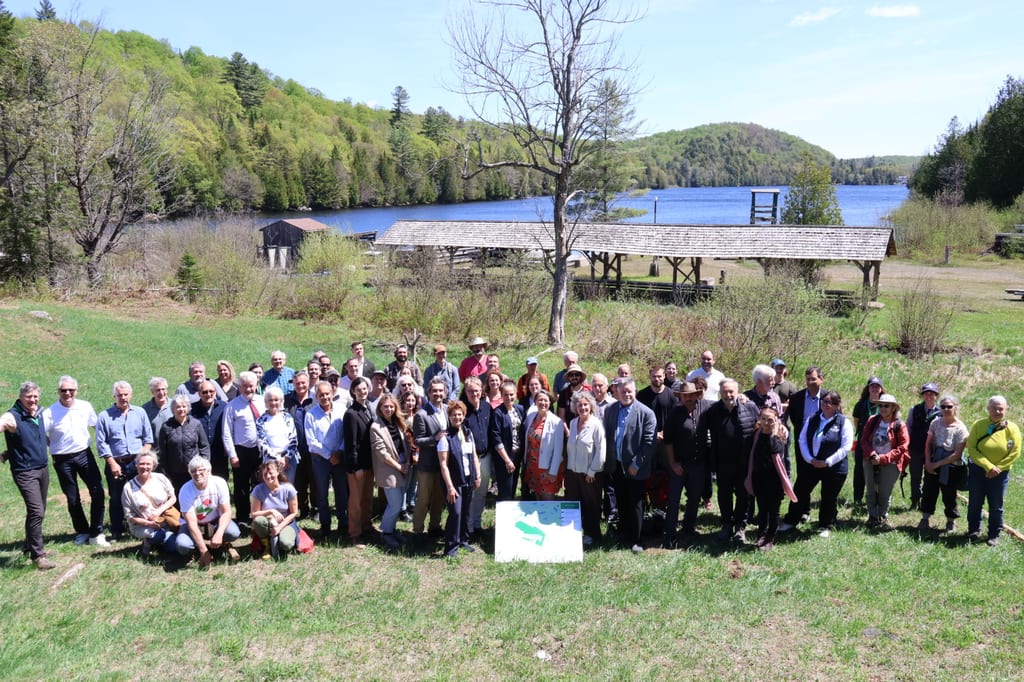
QC Quebec
Tamaracouta: an iconic site protected and accessible to the community
May 20, 2026
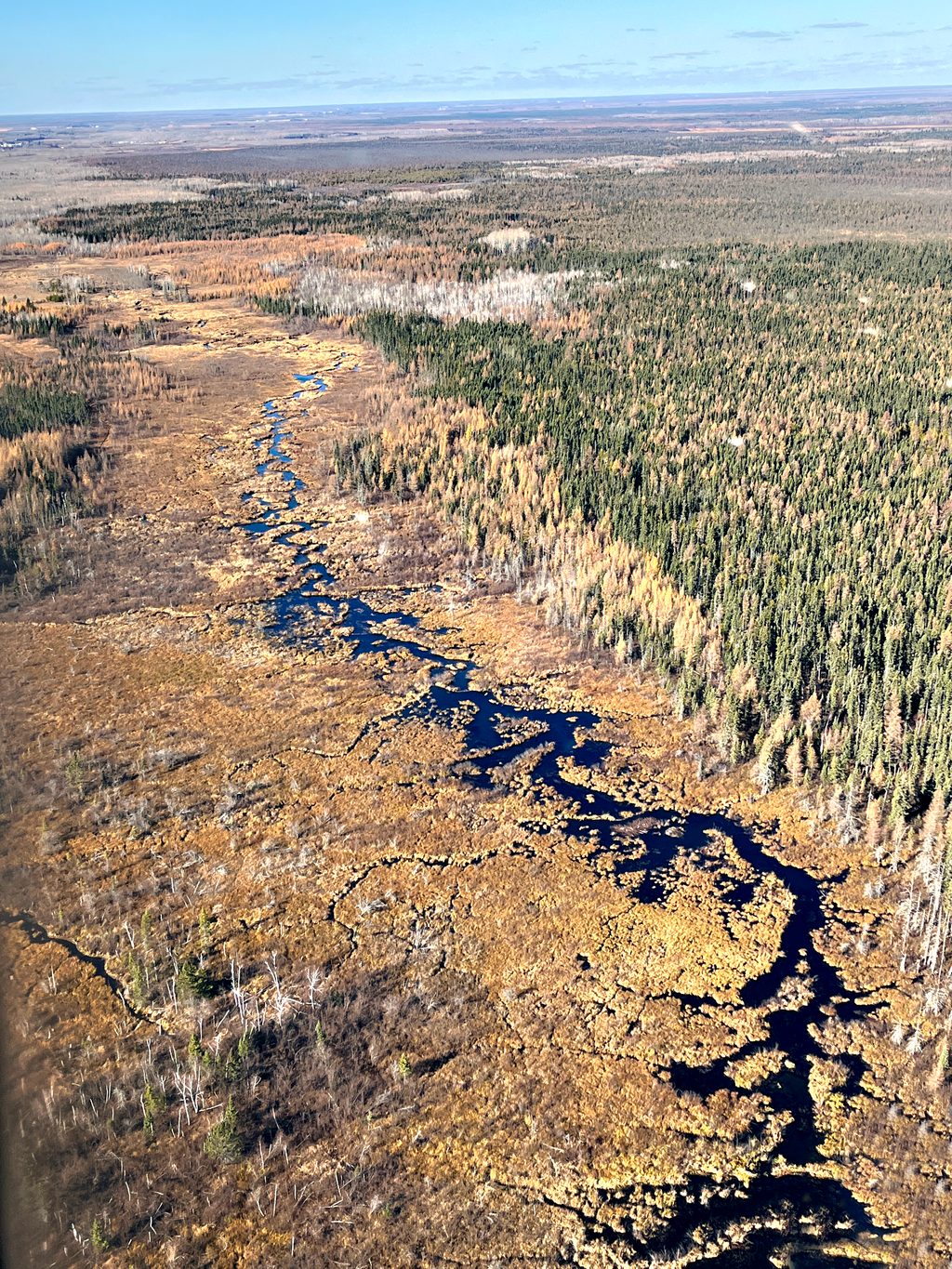
MB Manitoba
Family legacy helps secure carbon-storing powerhouse
April 16, 2026
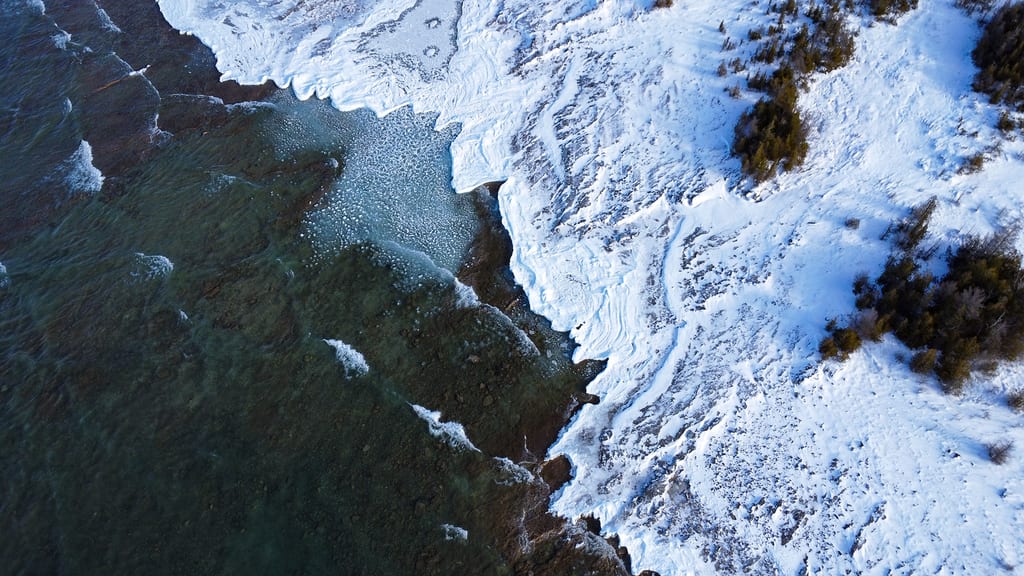
ON Ontario
Key link protected in Great Lakes biodiversity hotspot, strengthening conservation network
March 31, 2026
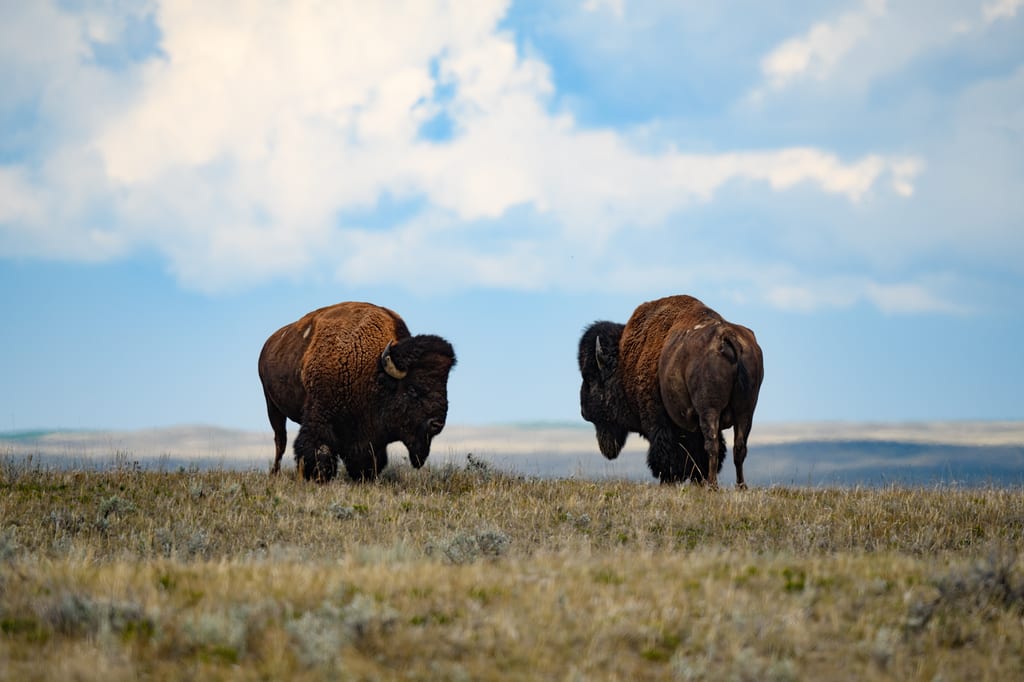
SK Saskatchewan
Plains bison welcomed back to the Kahkewistahaw First Nation in Saskatchewan
March 30, 2026