“From food security to carbon storage, prairie grasslands are vital to our health. Unless we act now to conserve what’s left, iconic species like the ferruginous hawk will be gone forever.”Michael Burak, Natural Area Manager, Prairie Region, NCC
Back to all featured projects
Old Man on His Back Prairie and Heritage Conservation Area
In southwest Saskatchewan, Old Man on His Back Prairie and Heritage Conservation Area (OMB) is home to one of the province’s largest remaining expanses of intact native grasslands. This endangered ecosystem conserves clean water, supports biodiversity and strengthens a landscape that communities rely on every day.

Table of contents
Location
Saskatchewan
Conserved since
1996
Habitat(s)
Grassland
Needs support now
Conserve places like this, forever
Old Man on His Back Prairie and Heritage Conservation Area at a glance
- At more than 5,200 hectares, this conservation area holds one of the province’s largest remaining expanses of intact native grasslands.
- It’s home to a herd of genetically pure plains bison, reintroduced in 2003, alongside pronghorn and other at-risk prairie species.
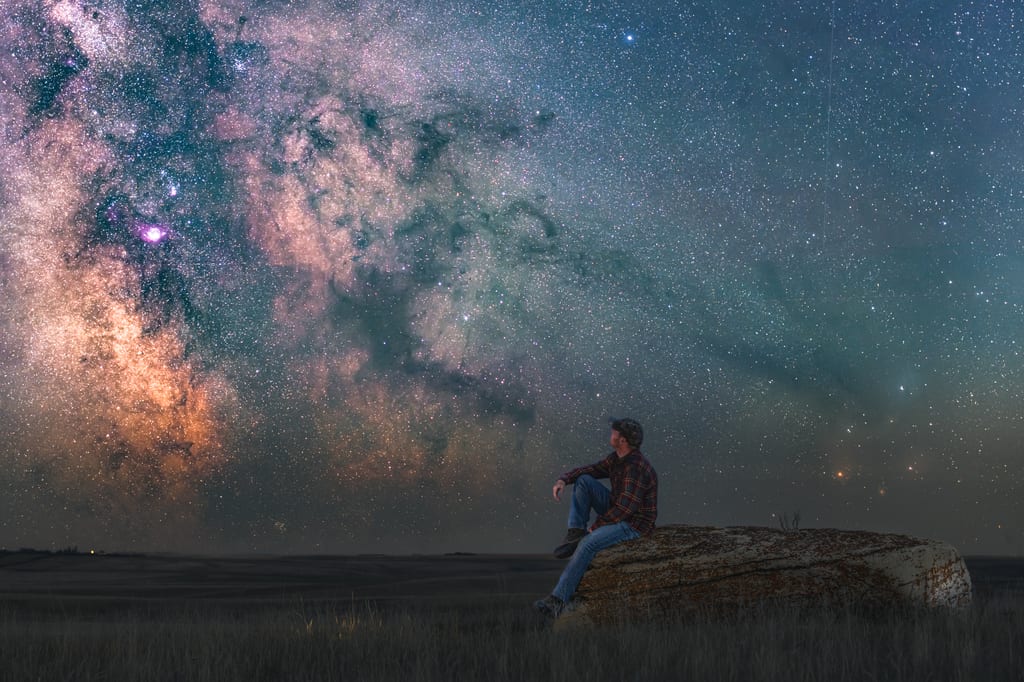
- In 2015, this site was designated a Nocturnal Preserve by the Royal Astronomical Society of Canada.
Why Old Man on His Back Prairie and Heritage Conservation Area matters
As native grasslands disappear across the Prairies, Old Man on His Back stands as a remarkable stronghold for native grasslands. For centuries, vast herds of bison roamed these plains alongside Indigenous Peoples with longstanding and ongoing connections to the land. Teepee rings still mark the landscape, reminders of this history and relationship with the land. Together, we can keep these remarkable grasslands, their wildlife and their rich natural and cultural heritage thriving for generations to come.
Keeping grasslands intact
Since 1996, we’ve conserved this remarkable ranch, safeguarding vital grassland habitat and a landscape rich in natural and cultural heritage. Its intact prairie supports a diversity of species while conserving a place where people can experience the beauty of the grasslands.
Bringing bison back to the prairie
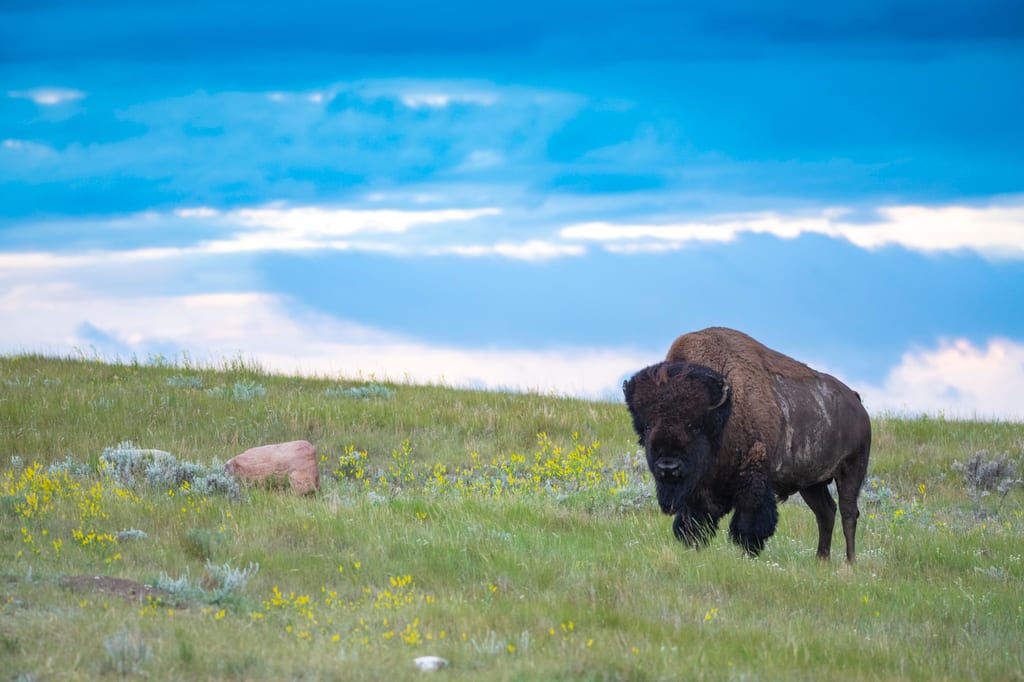
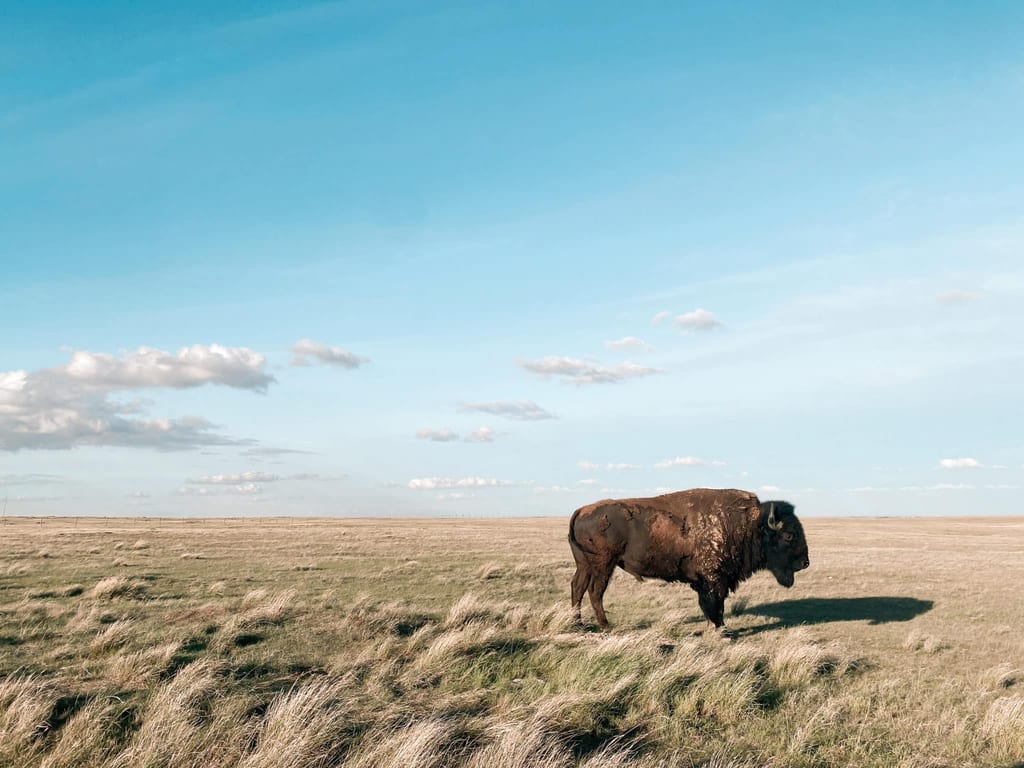
In 2003, we reintroduced a herd of genetically pure plains bison to the landscape. Their grazing maintains healthy, diverse grasslands while restoring an important part of the prairie’s natural heritage. Today, the herd is cared for in partnership with Indigenous communities.
Preserving the night sky
In 2015, Old Man on His Back Prairie and Heritage Conservation Area was designated a Nocturnal Preserve, safeguarding its exceptionally dark skies without artificial light pollution and providing a rare opportunity to experience the night sky as nature intended.
What’s at stake?
Prairie grasslands are among the most endangered and least conserved ecosystems on the planet. Across the Prairies, native grasslands continue to be lost, along with the habitat that wildlife depend on. Large, intact grasslands like Old Man on His Back Prairie and Heritage Conservation Area are increasingly rare so conserving and caring for this landscape helps wildlife while safeguarding the clean air, water and cultural heritage that makes this place so special.
What could be lost?
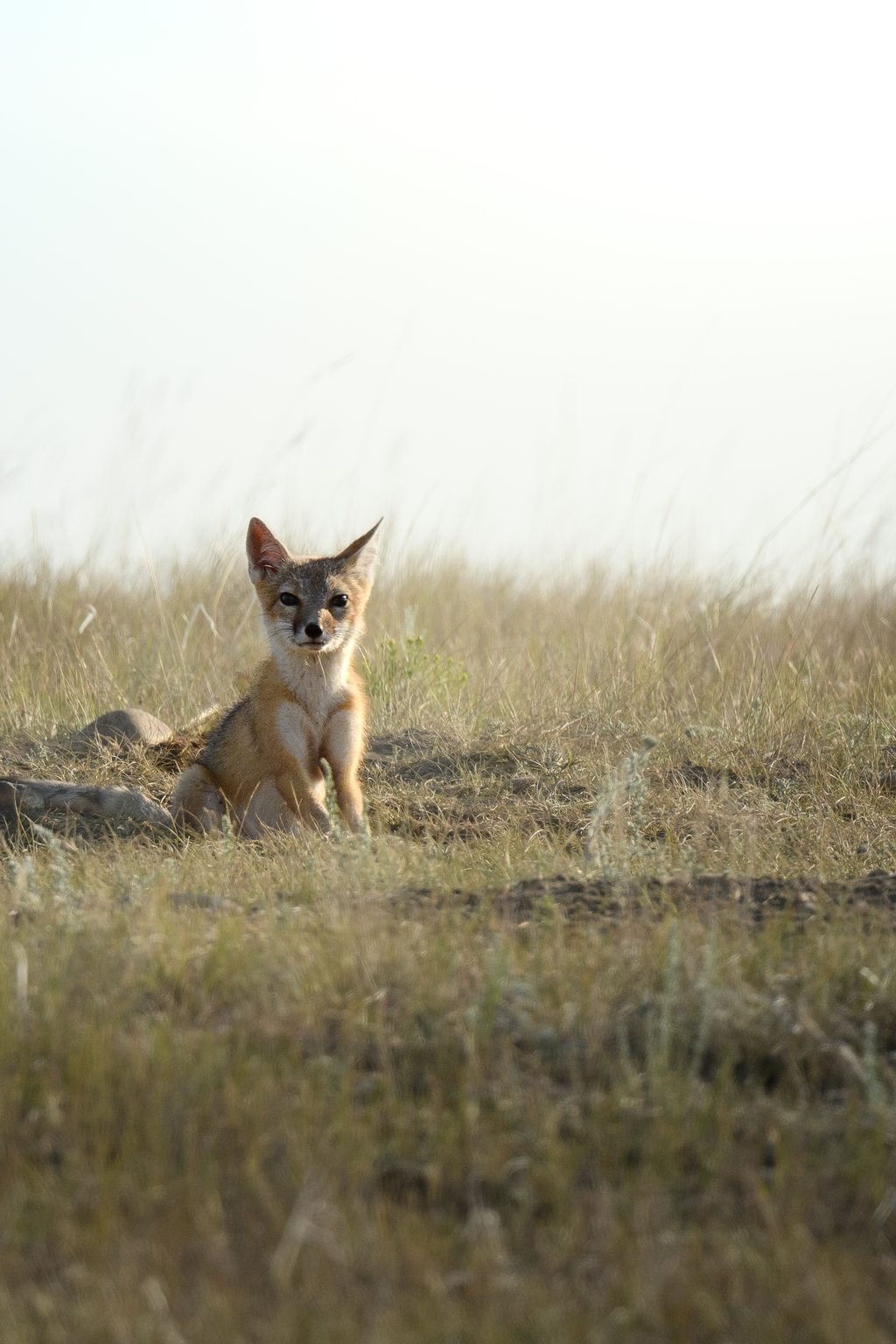
If not conserved, species at risk, including ferruginous hawks, swift foxes and burrowing owls, could lose the habitat they depend on. We could also lose landscapes that have shaped the Prairies and sustained people and nature for generations. Conserving the grasslands that remain means keeping these places, and all they sustain, thriving for generations to come.
Why does it matter?
Grasslands do more than provide habitat for wildlife. They support pollinators, filter water, reduce the impacts of floods and droughts and store billions of tonnes of carbon. For generations, they have nourished communities and supported livelihoods, and they remain an important part of our economy today.
Why is action needed now?
Grasslands are among the most endangered ecosystems in the world. With more than 80 per cent of Canada’s native grasslands already gone and another 60,000 hectares lost every year, conserving what remains is more critical than ever.
Bison, big skies and open prairie: you can ensure the wild beauty and heritage of Old Man on His Back endure for generations to come.
Where the plains bison calls home
Bison are an important part of life, culture and livelihoods for Indigenous Peoples in this region for millennia, with longstanding relationships rooted in reciprocity. In 2003, NCC reintroduced a herd of genetically pure plains bison to Old Man on His Back Prairie and Heritage Conservation Area, bringing bison back to a landscape where they had roamed for thousands of years. Today, their grazing promotes plant diversity and healthy grasslands, offering visitors a glimpse of these remarkable landscapes. Our Bison Management Plan continues this important work, guided by an Indigenous Advisory Group that brings diverse Indigenous Knowledge and practices to herd management and identifies opportunities for collaboration and community benefit.
“From food security to carbon storage, prairie grasslands are vital to our health. Unless we act now to conserve what’s left, iconic species like the ferruginous hawk will be gone forever.”Michael Burak, Natural Area Manager, Prairie Region, NCC
The plan in action
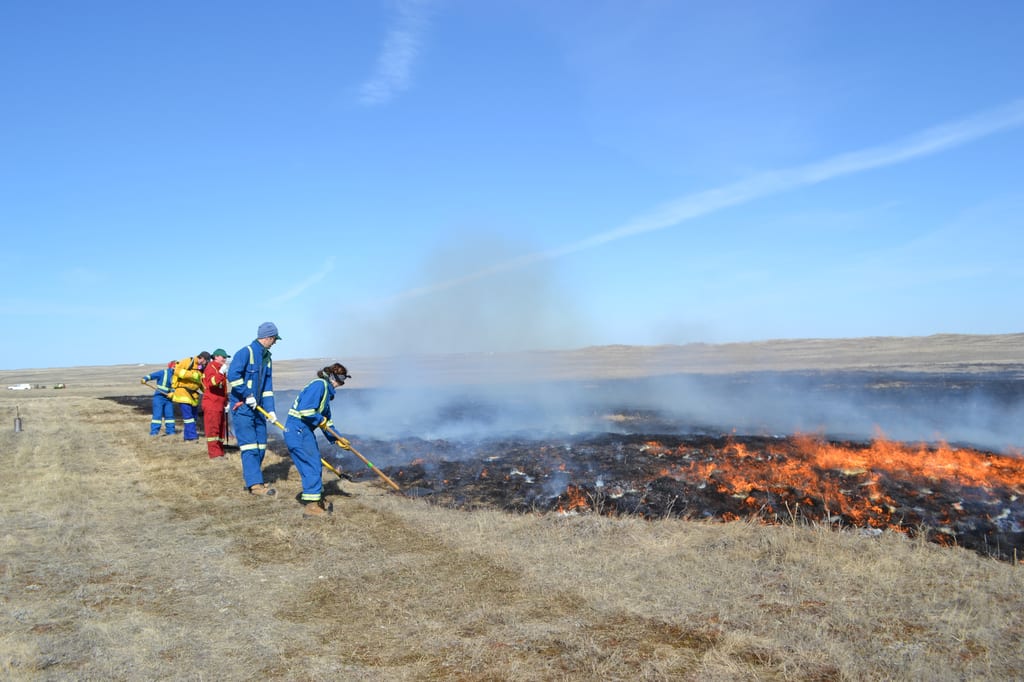
We keep Old Man on His Back Prairie and Heritage Conservation Area healthy with sustainable grazing, prescribed fire and a bison herd management plan guided by an Indigenous Advisory Group.
Conserve
At Old Man on His Back Prairie and Heritage Conservation Area, we maintain diverse native grasses and wildflowers, limit shrubs and invasive plants, and create varied habitat for wildlife by working with natural processes like grazing and prescribed fire.
Connect
An Indigenous Advisory Group guides our Bison Management Plan, ensuring bison conservation reflects Indigenous Knowledge, priorities and relationships with the land. We’ve also re-established bison with First Nations, including the Key First Nation and, most recently, Kahkewistahaw First Nation, supporting cultural renewal, strengthening relationships and advancing reconciliation.
Advance conservation science
Old Man on His Back Prairie and Heritage Conservation Area is an important place for learning about how native prairie functions and how we can best care for it. By monitoring wildlife and tracking ecological changes over time, we can better understand what makes prairie landscapes resilient and how to sustain its health into the future.
Conserve places like this, forever

Featured stories
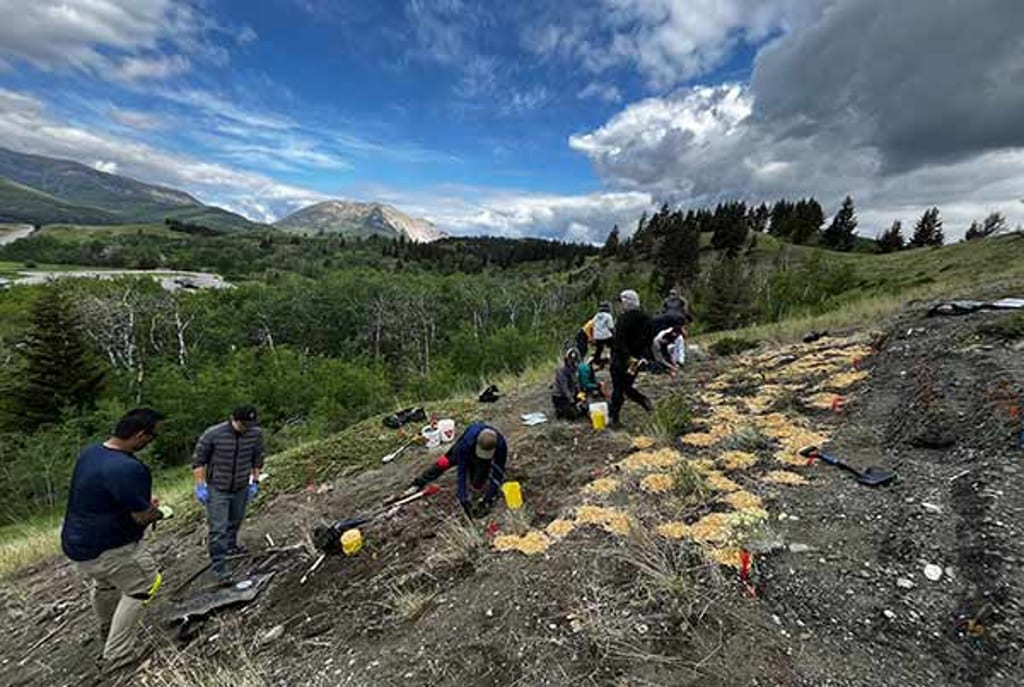
AB Alberta
Amping up grassland restoration with fungi
March 31, 2026
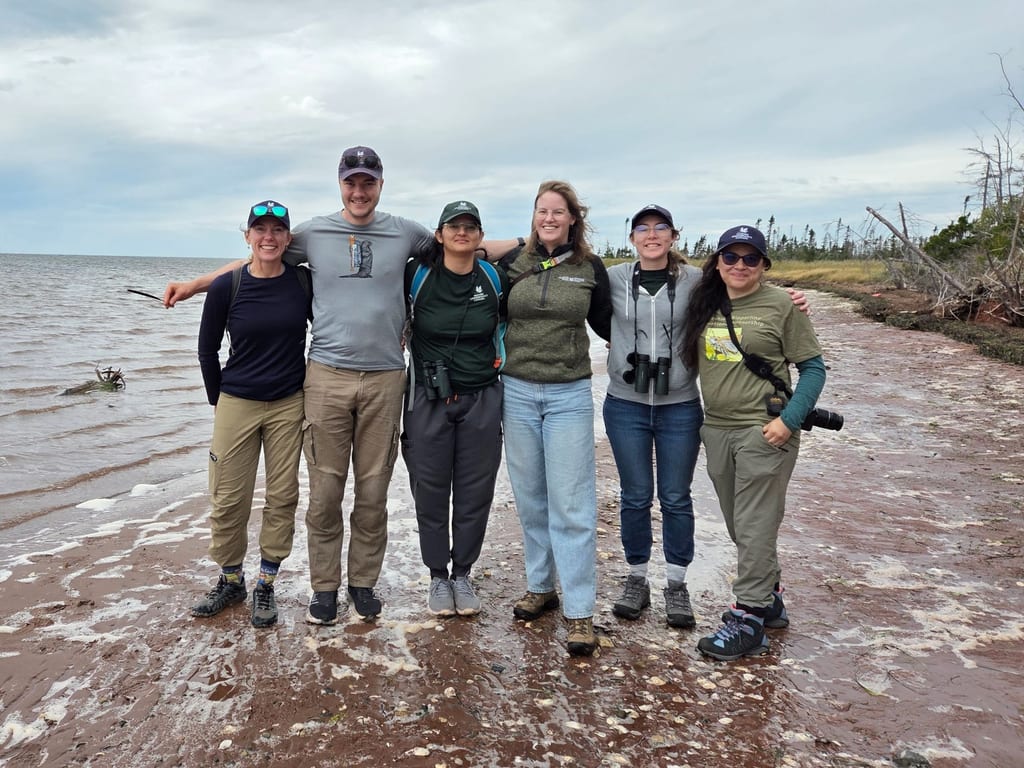
Canada
Hope, insights, and awareness for invasive species management
February 26, 2026
SK Saskatchewan
The sound of the prairie: Why grazing management matters
November 26, 2025
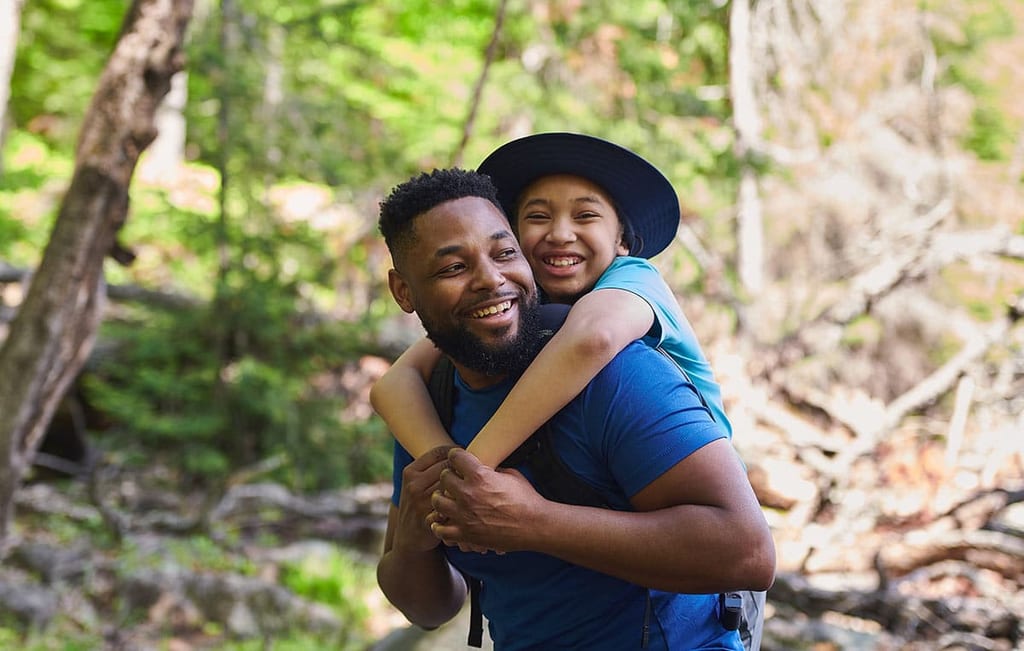
Canada
Studying recreation so people and nature can thrive
October 10, 2025
ON Ontario
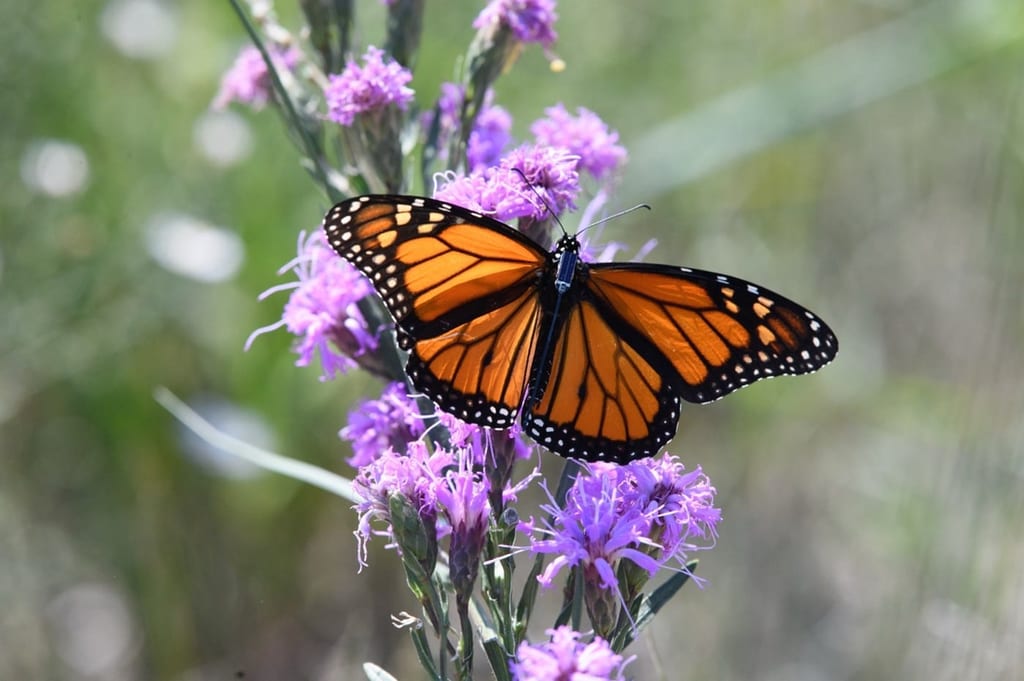
Advancing conservation: in the field with butterflies
October 6, 2025
Canada
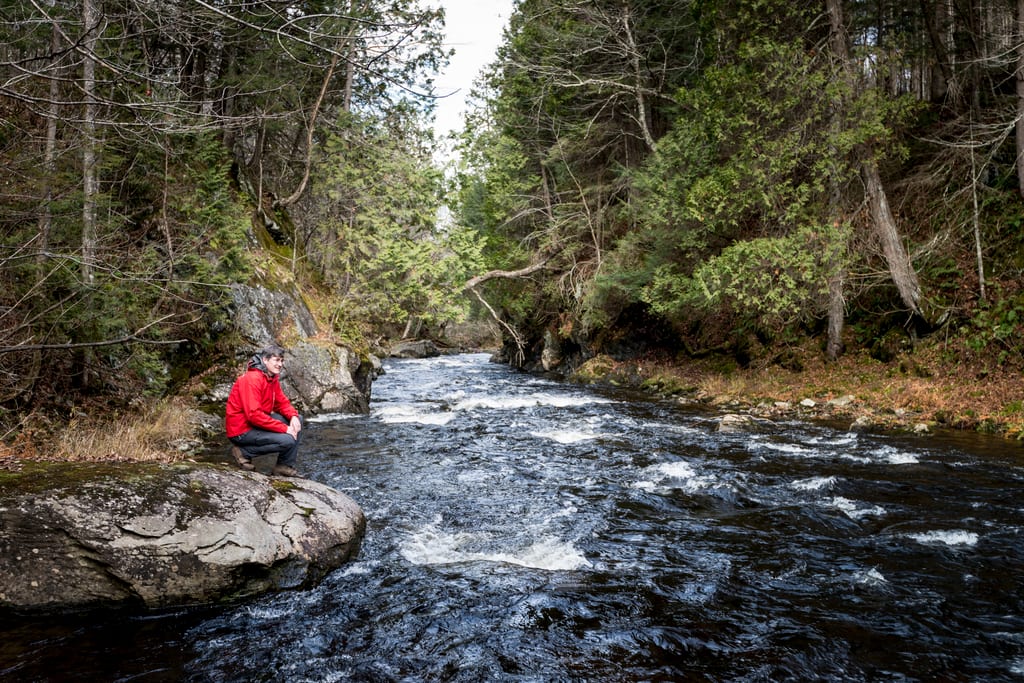
Water is life — and it begins with land
October 6, 2025
Canada
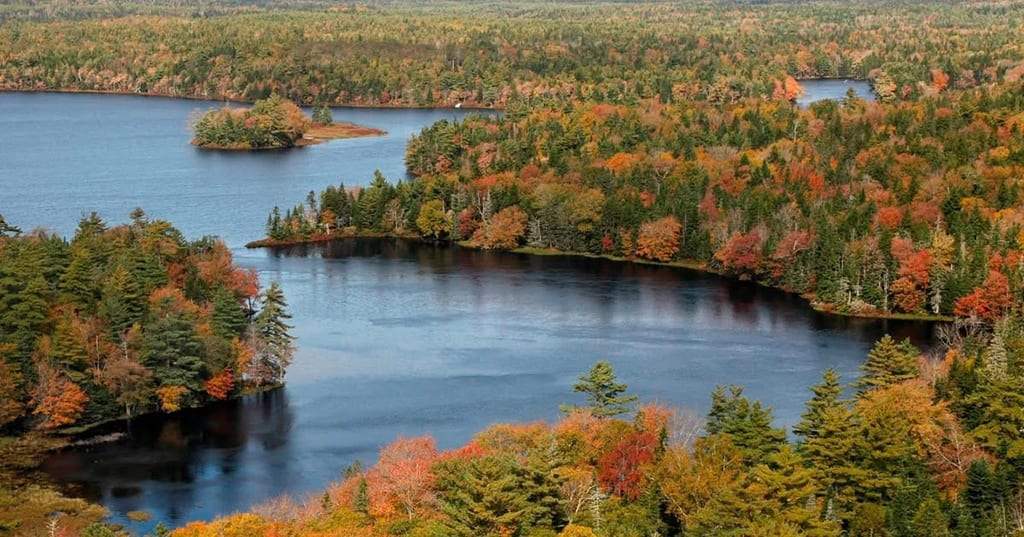
Canada’s forests: the roots of a resilient nation
September 24, 2025
Canada
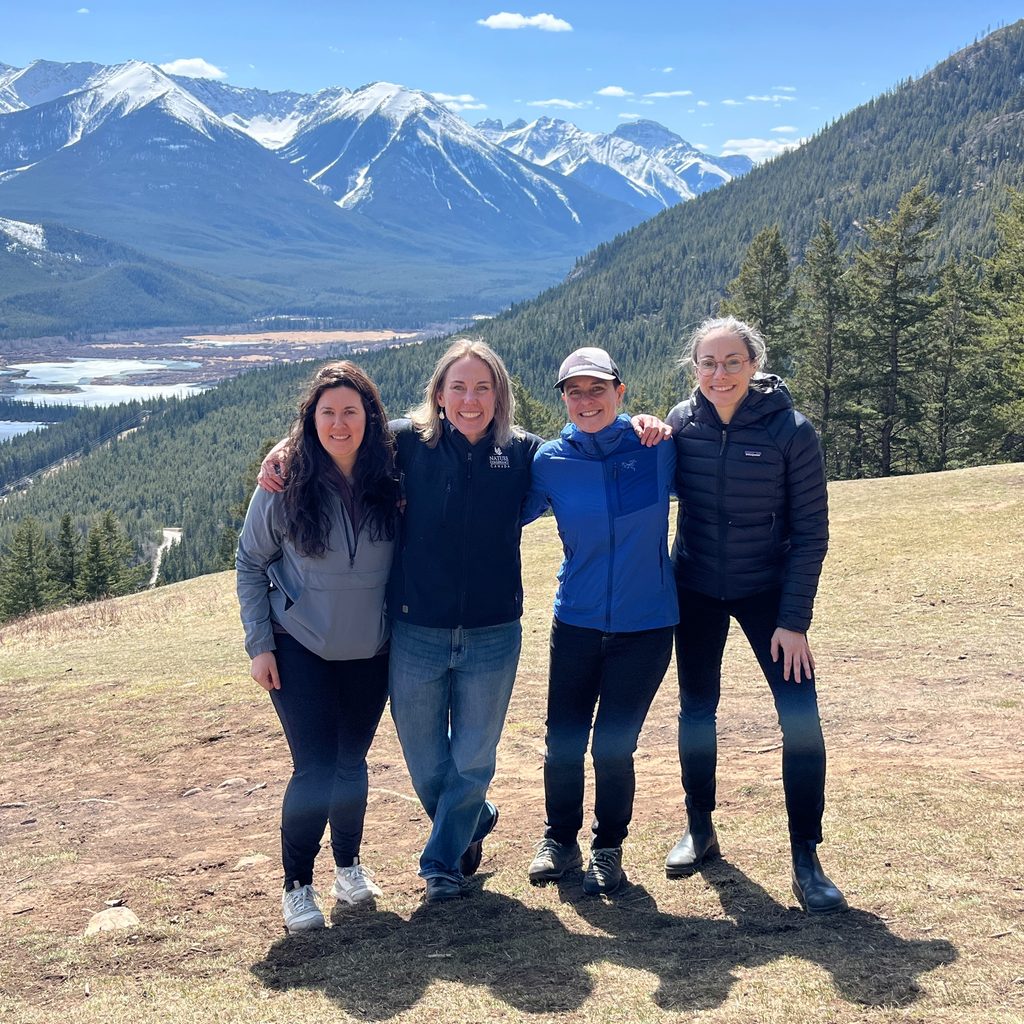
NCC shares expertise at the Canadian Ecological Connectivity Conference
July 30, 2025
Canada
Pollinators and the future of food
June 14, 2025
Canada
Harnessing technology for conservation: A new era for Canada’s ecosystems
May 15, 2025
Wild news, straight from the field
ON Ontario
Boreal forest and peatlands secured to support climate resilience
October 13, 2026
AB Alberta
Kropinak family’s century of stewardship helps secure a critical Rocky Mountain wildlife corridor
September 15, 2026
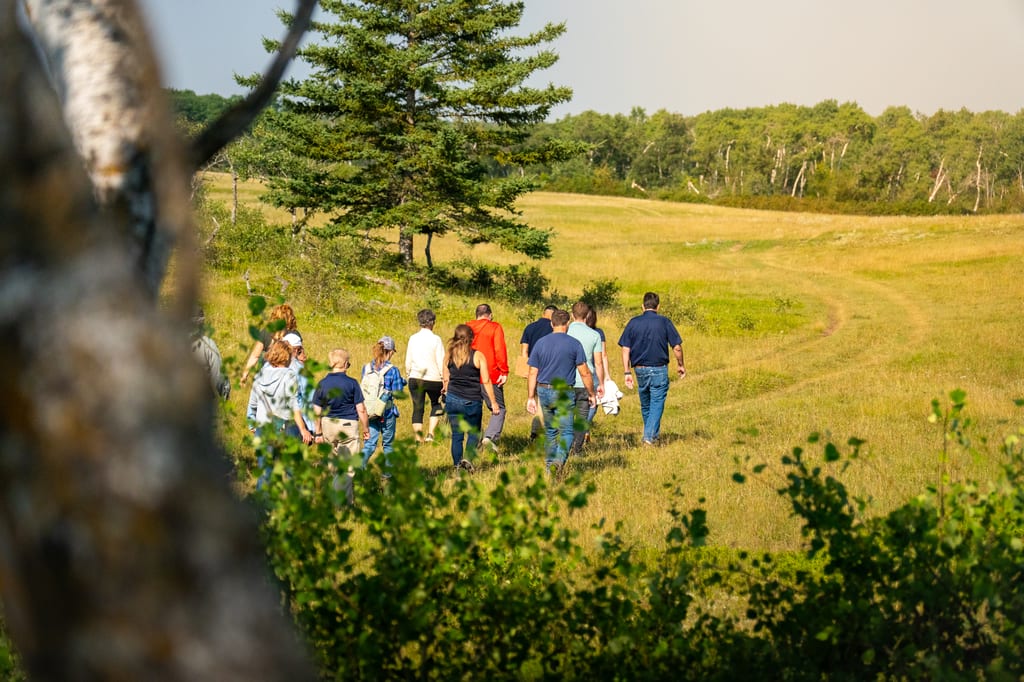
MB Manitoba
Manitoba community leads the way in conserving nature and supporting local livelihoods
September 10, 2026
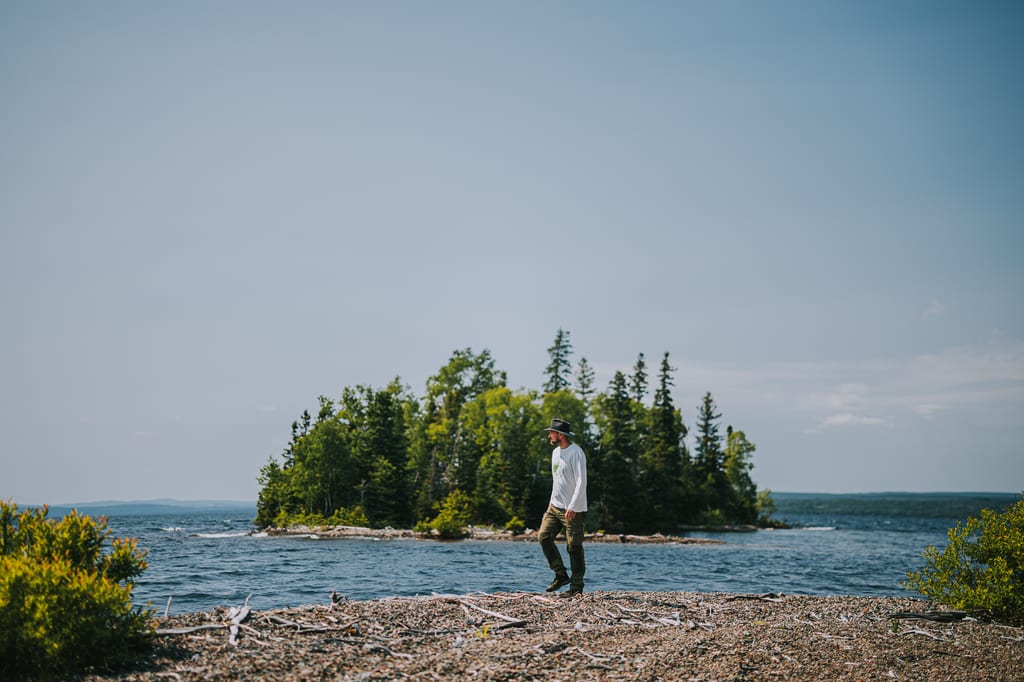
NL Newfoundland and Labrador
New conservation area protects vital Newfoundland watershed
August 27, 2026
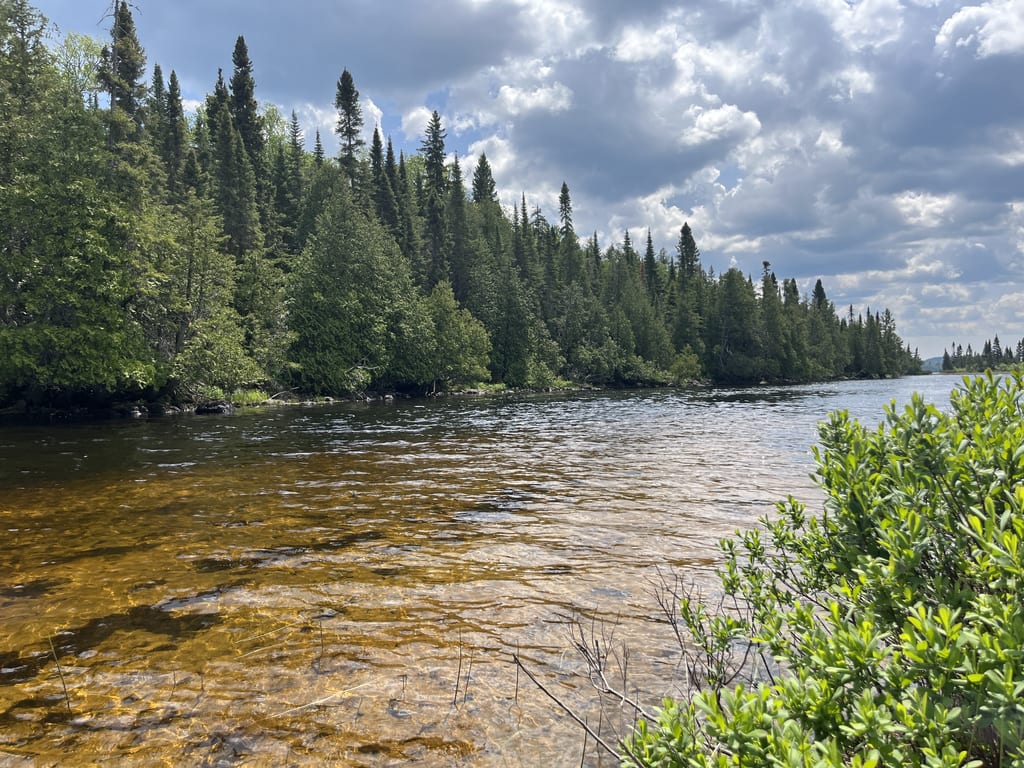
ON Ontario
New boreal conservation area strengthens communities and protects iconic northern landscapes
August 11, 2026
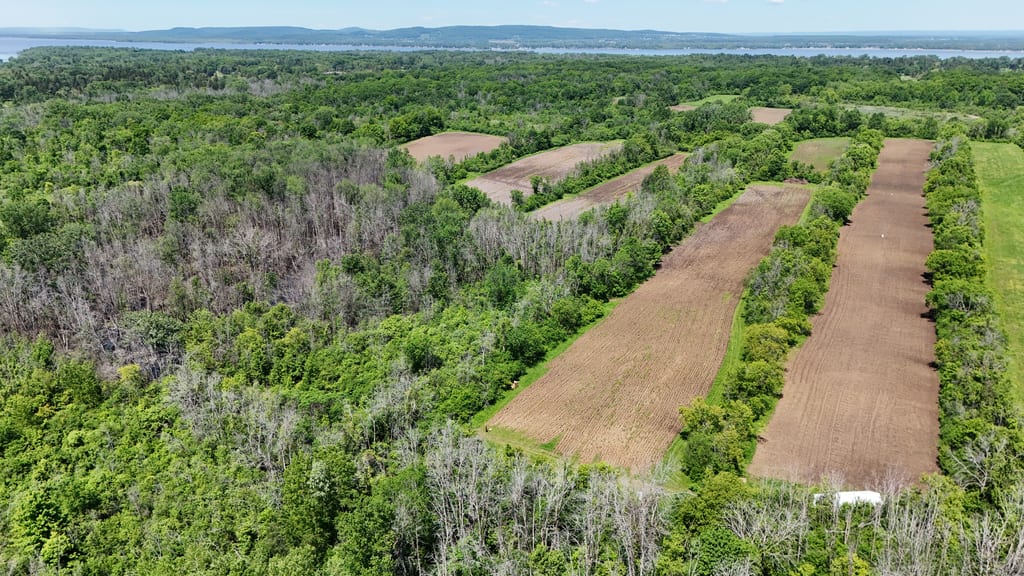
QC Quebec
Where agriculture meets conservation: an unprecedented approach in Montréal
July 15, 2026
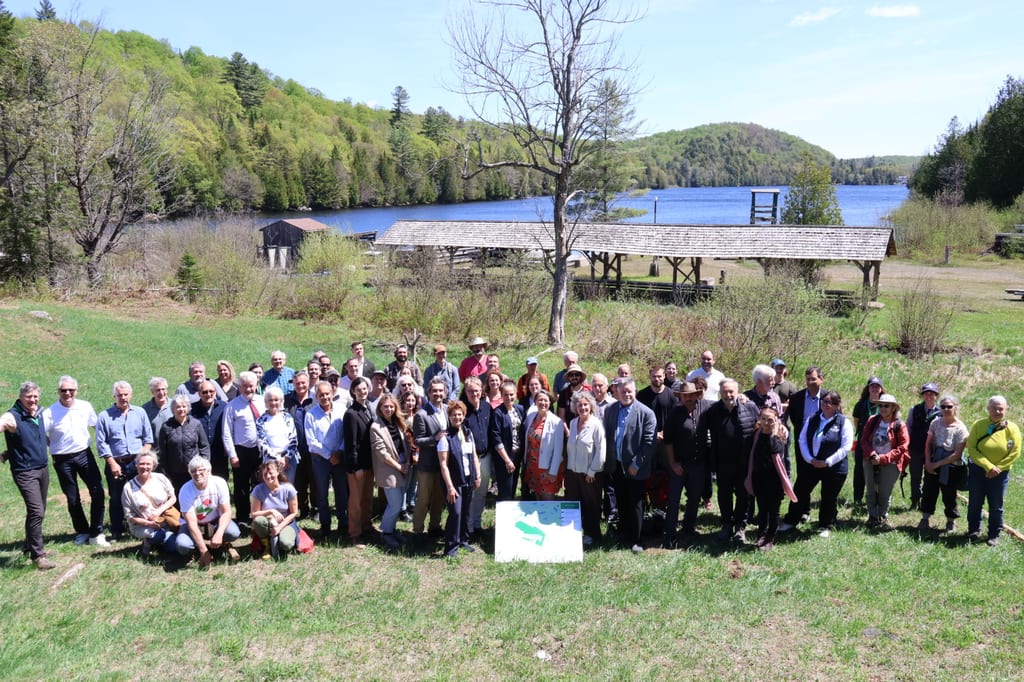
QC Quebec
Tamaracouta: an iconic site protected and accessible to the community
May 20, 2026
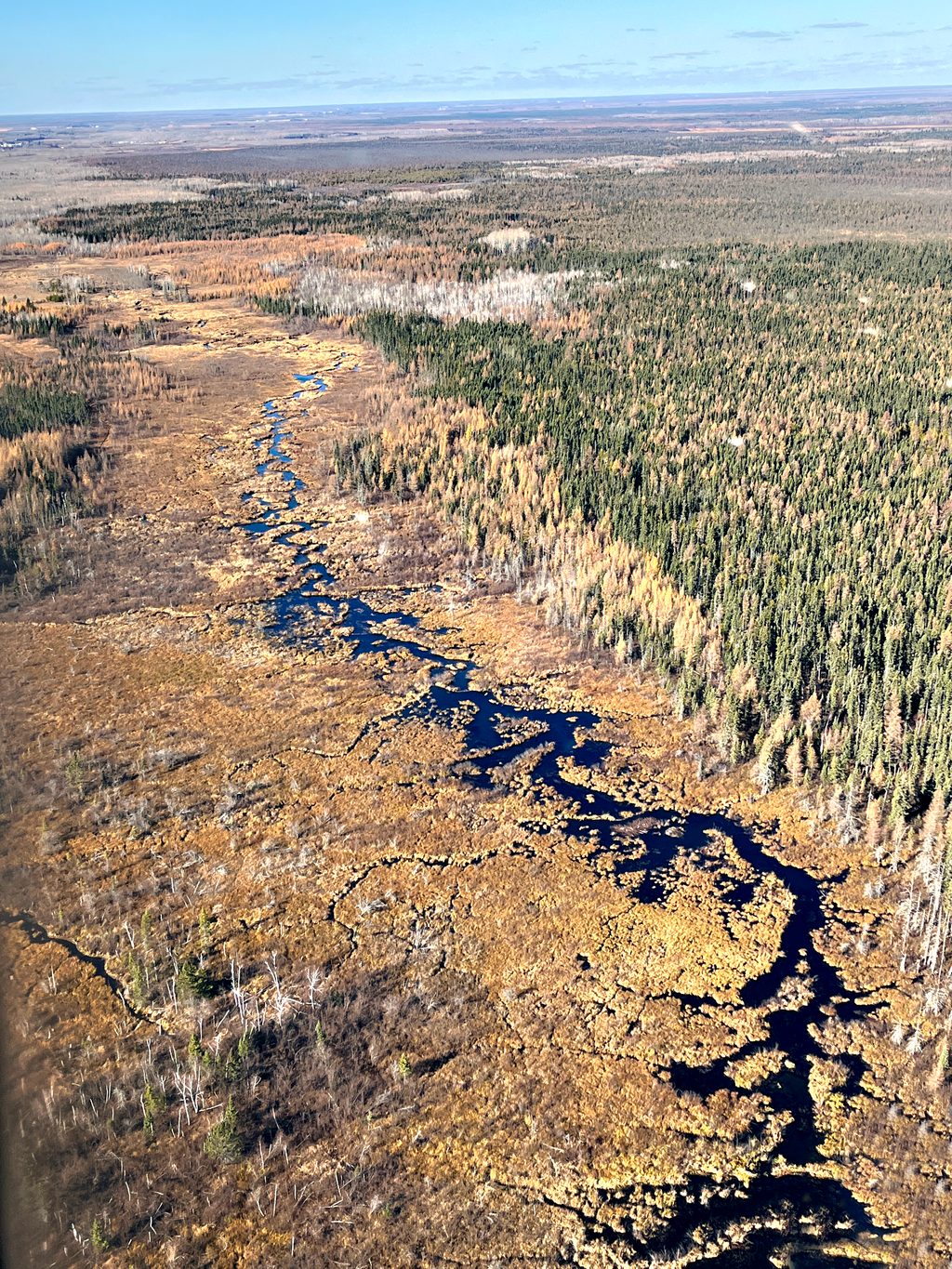
MB Manitoba
Family legacy helps secure carbon-storing powerhouse
April 16, 2026
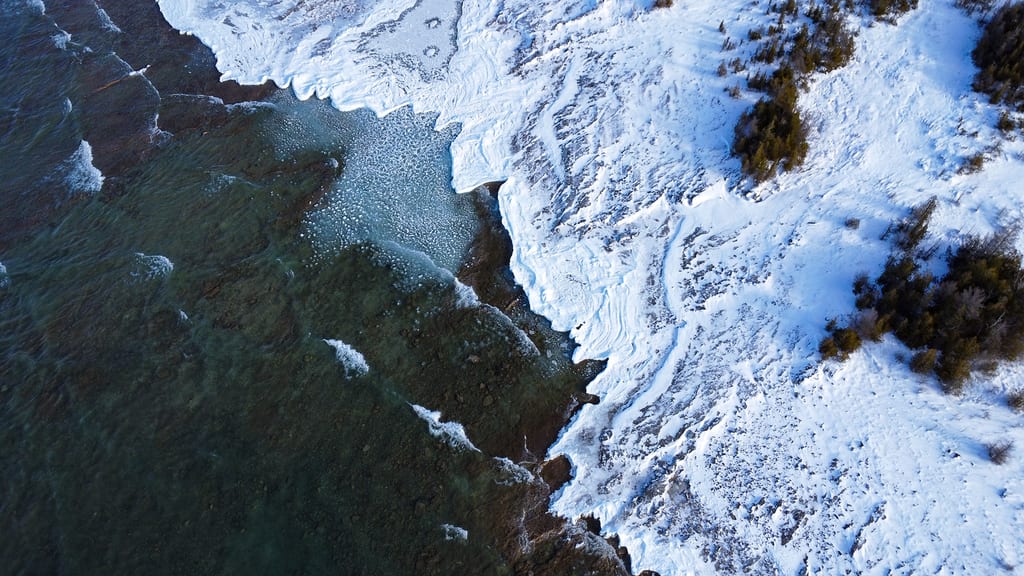
ON Ontario
Key link protected in Great Lakes biodiversity hotspot, strengthening conservation network
March 31, 2026
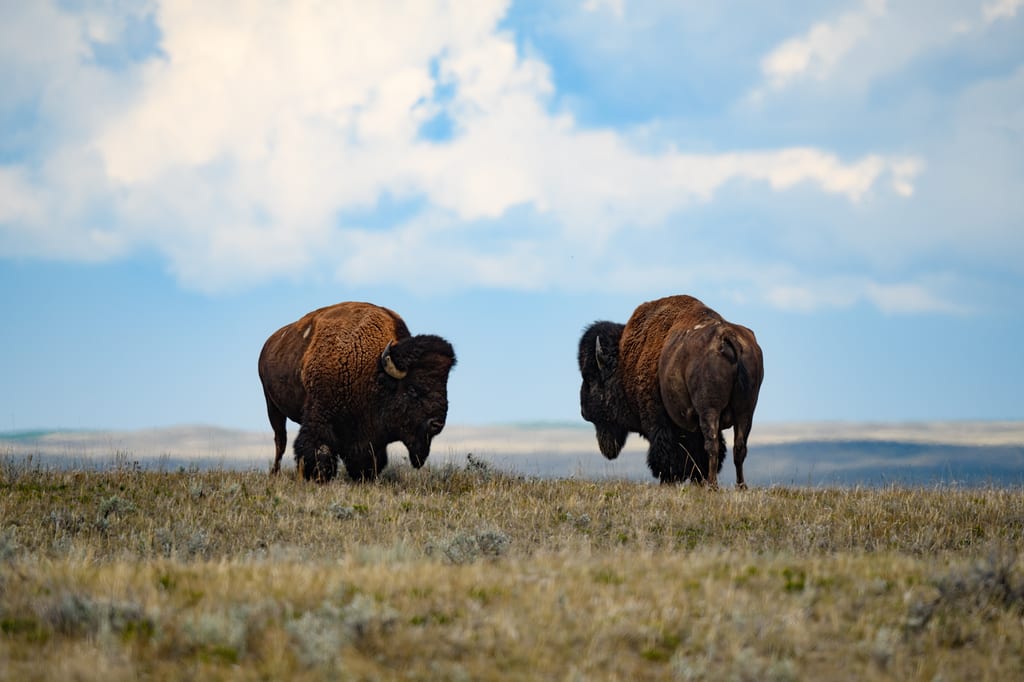
SK Saskatchewan
Plains bison welcomed back to the Kahkewistahaw First Nation in Saskatchewan
March 30, 2026