Back to all featured projects

Wabano Aki

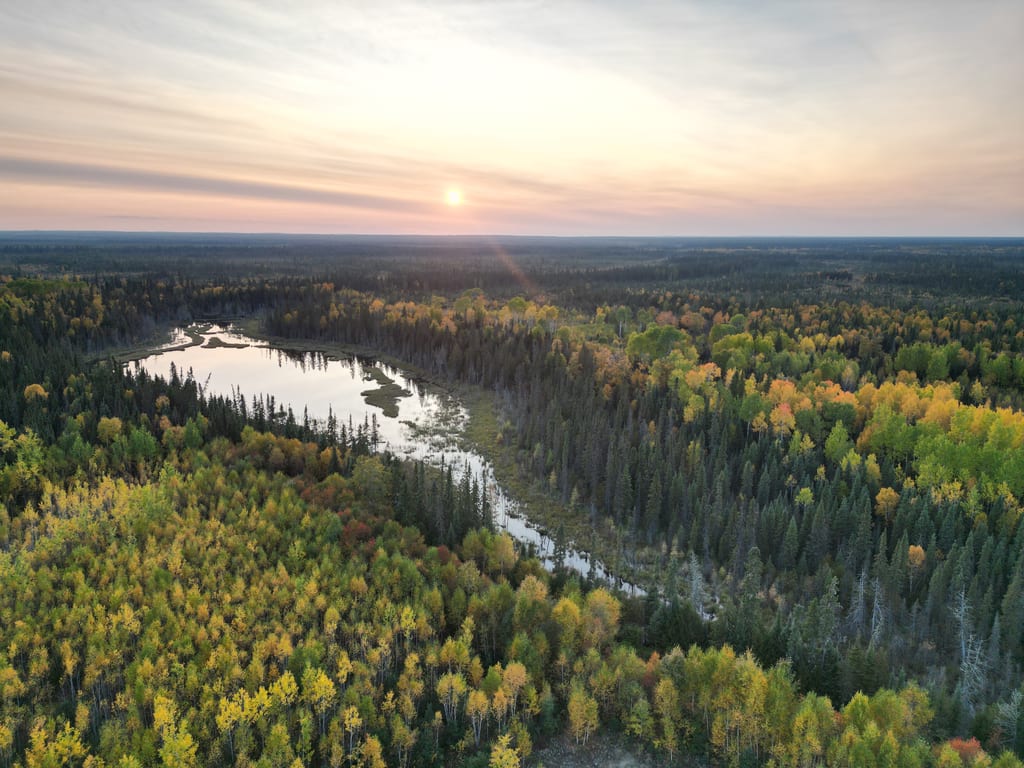
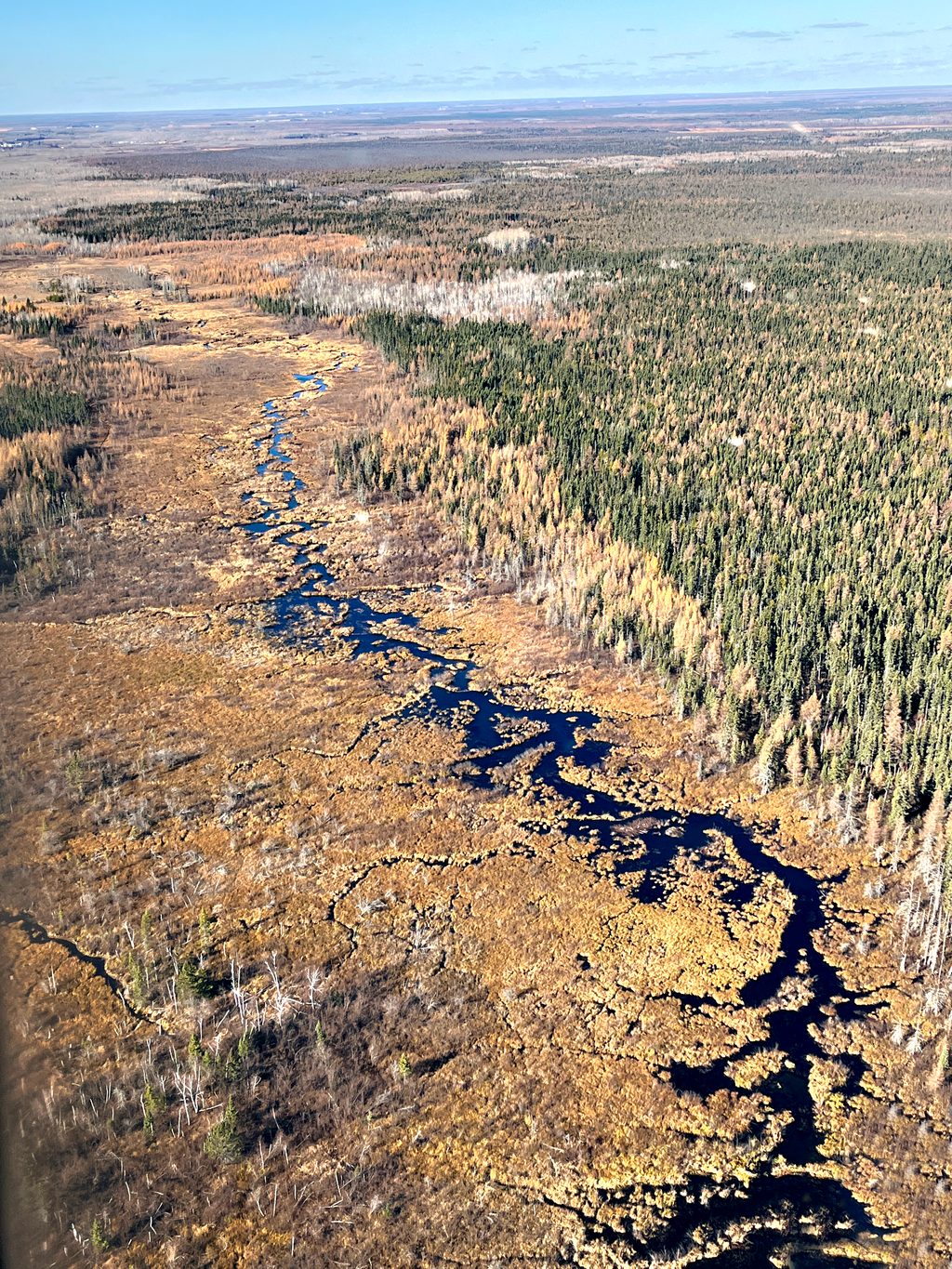
Along the Assiniboine River in southwestern Manitoba, Wabano Aki (meaning Tomorrow’s Land in Anishinaabe) shows what’s possible when communities come together to care for the land. Here, nature thrives alongside agriculture and cultural traditions. Together, we’re caring for this remarkable landscape, honouring its cultural connections and creating a lasting legacy for future generations.

A sunburst shines over a river and lush green grass at sunset.

Location

Manitoba

Conserved since

2017

Habitat(s)

Grassland, Wetlands, Lakes and rivers, Forest

Needs support now

Conserve places like this, forever

Donate now

Wabano Aki at a glance

  • Grasslands, freshwater springs, wetlands and forests come together across this diverse landscape.
  • Weaving together conservation, Indigenous Knowledge and practices, and agriculture across one breathtaking landscape, Wabano Aki shows what’s possible when we care for the land together.
  • This ecologically important landscape is home to a variety of species at risk, including the rare northern leopard frog.

Why conserving Wabano Aki matters

Wabano Aki is a place where nature, culture and agriculture come together. Along the Assiniboine River, grasslands, wetlands, freshwater springs and forests create a rich landscape for nature and people. By bringing together Indigenous Knowledge, conservation science and agricultural practices, we are caring for this land in a way that honours its cultural connections while creating a stronger future. Conserving Wabano Aki shows what’s possible when we build relationships, share knowledge and care for the land together.

A model of shared stewardship

We conserve Wabano Aki in close collaboration with local communities, braiding together Indigenous Knowledge, cultural practices and conservation science to care for the land and put reconciliation into action. This project shows how diverse ways of knowing can work together to crease resilient landscapes and stronger communities.

Supporting local economies

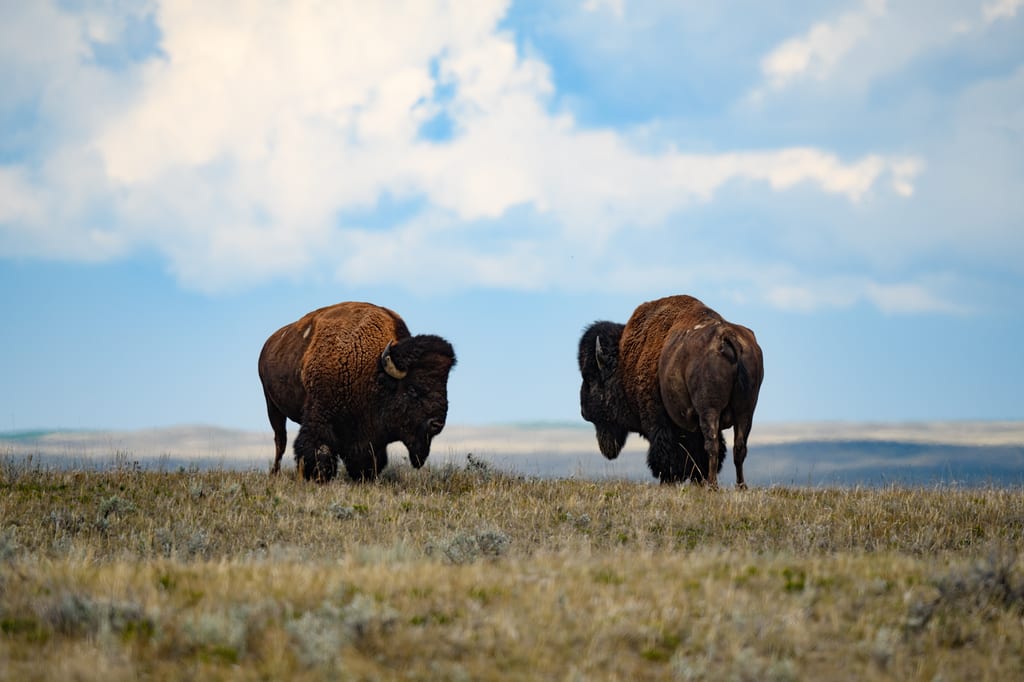
Healthy grasslands support both biodiversity and local livelihoods. Together with agricultural partners, we support managed cattle and goat grazing that helps maintain healthy grassland habitat while sustaining the prairie species and farming communities that depend on it.

Conserving a diverse landscape

Grasslands, wetlands, freshwater springs and forests come together along the Assiniboine River, providing habitat for species such as the northern leopard frog, round-leaf monkey flower and many at-risk birds. Conserving these connected habitats keeps this landscape healthy for the wildlife that live there.

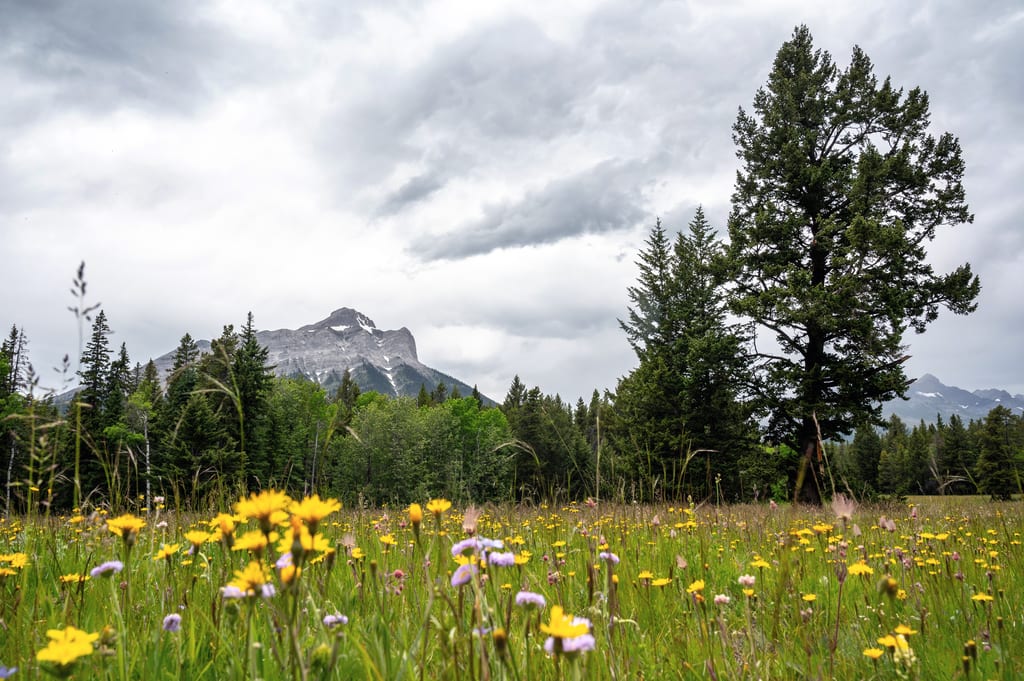
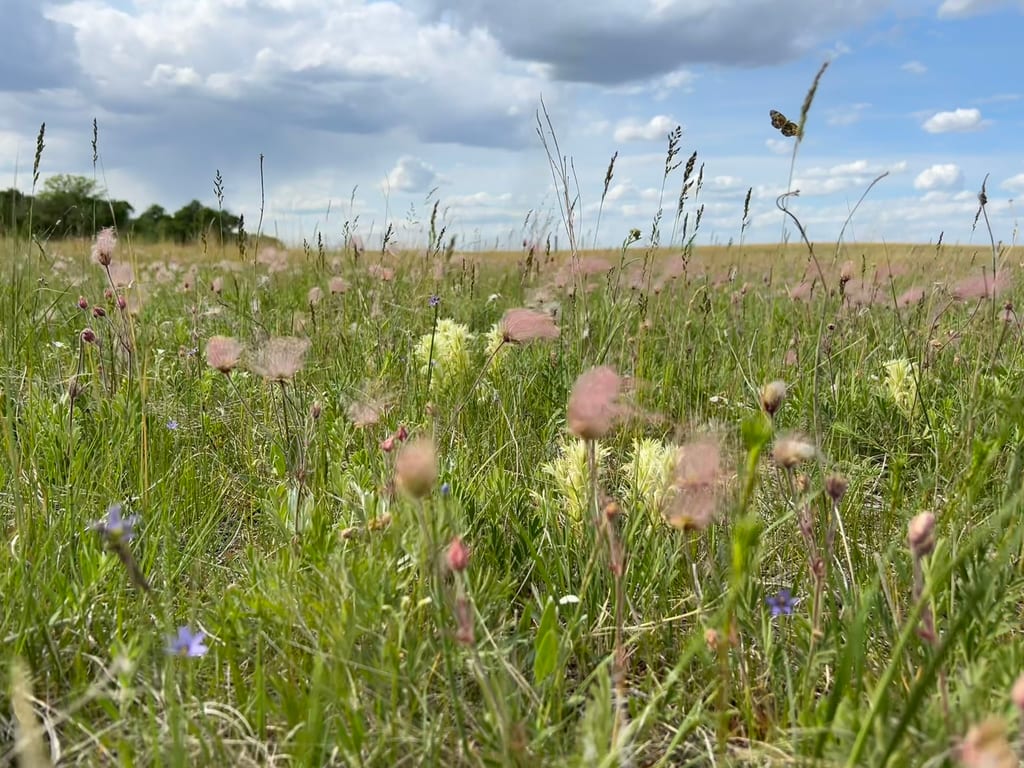
Pink fluffy grasses and small blue flowers grow in a meadow under a cloudy sky.
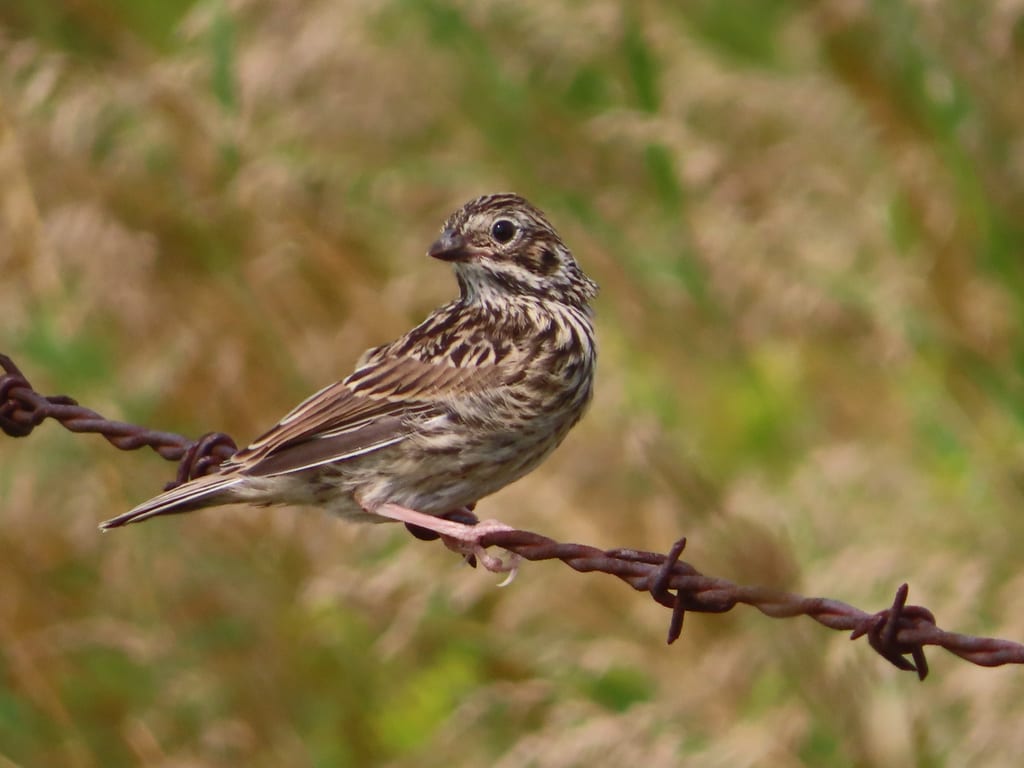
A Savannah Sparrow perches on a barbed wire fence.

What’s at stake

Wabano Aki is a rare example of conservation, agriculture and Indigenous cultural practices coming together on one landscape. Along the Assiniboine River, a mosaic of grasslands, wetlands, freshwater springs and forests supports wildlife while sustaining vital connections between people and the land. How we care for places like Wabano Aki today can shape what conservation looks like tomorrow.

What could be lost?

The habitats at Wabano Aki support a wide variety of wildlife, many of which are at risk. If these habitats are degraded or become disconnected, wildlife can lose the food, shelter and breeding areas they need to survive. The loss would extend beyond nature: cultural practices, Indigenous Knowledge, and relationships with the land could also be weakened when the places that sustain them are no longer conserved.

Why does it matter?

Wabano Aki demonstrates that conservation doesn’t have to mean choosing between nature and people. Managed grazing maintains healthy grasslands and supports agriculture, while Indigenous Knowledge and conservation science guide how the landscape is cared for. This approach creates a stronger relationship between conservation, culture and local livelihoods, showing how conserving nature can benefit an entire community.

Why is action needed now?

Wabano Aki gives us an opportunity to build on a partnership that is already putting collaborative stewardship into practice. By conserving the landscape and continuing to strengthen these relationships, we can create lasting conservation outcomes while supporting the cultural and agricultural connections that make this place unique. Acting now lays the foundation for this shared approach to care for the land for generations to come.

Wabano Aki shows what’s possible when people care for the land together, creating a lasting place where conservation, culture and agriculture can thrive side by side.

Where the northern leopard frog calls home

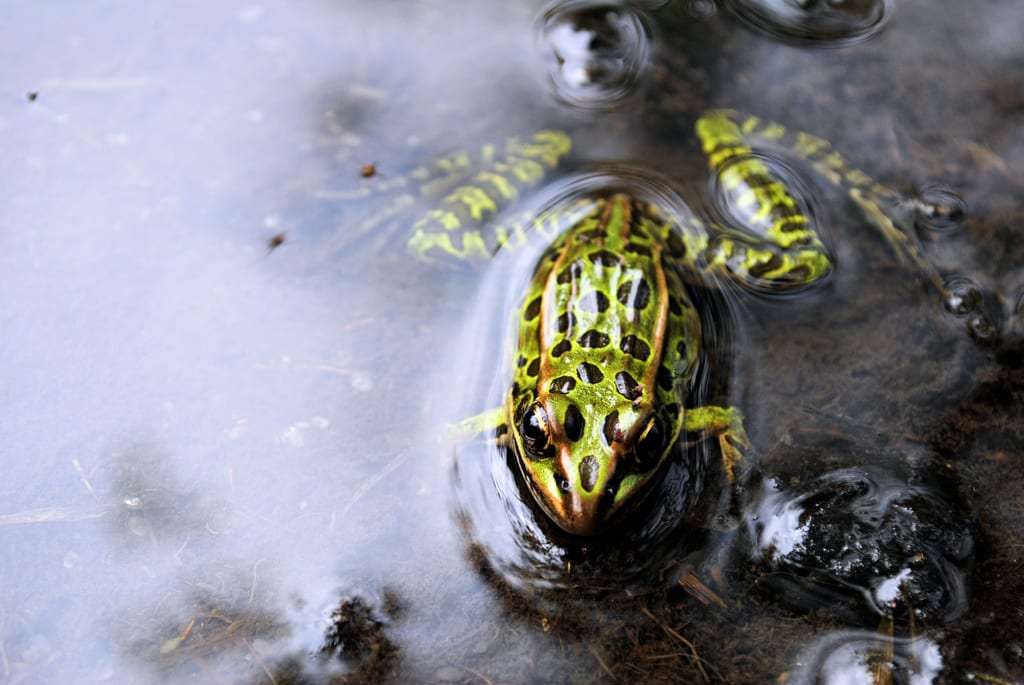
At Wabano Aki, a small frog tells a big story about the landscape. The northern leopard frog depends on healthy wetlands, clean water and open grasslands, moving between springs, ponds and surrounding habitats throughout the year. Its presence is an indicator of a healthy, connected landscape. By caring for these habitats along the Assiniboine River, we’re conserving the places that this frog needs to not only survive, but thrive.

A leopard frog is partially submerged in shallow water.
“We are honoured to collaborate on the shared use of this land in the spirit of reconciliation, using both Indigenous Knowledge and western science to care for the land and its species. We are all one people, with an obligation to work together.”
Josh Dillabough, Program Director, NCC
A man stands next to a large sign in a grassy field under a blue sky.
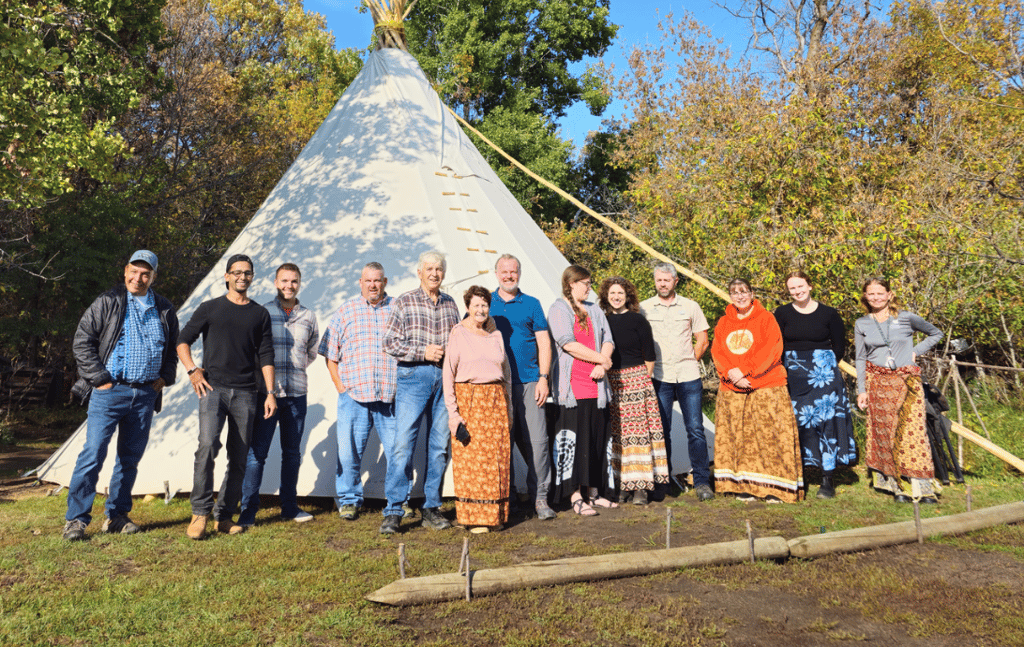
A group of people posing for a photo in front of a large white tipi in a wooded area.

The plan in action

We care for Wabano Aki through a shared model of stewardship, support and conservation, guided by both Indigenous Knowledge and conservation science.

Conserve

We conserve Wabano Aki through collaborative, long-term stewardship that keeps its ecosystems healthy and connected along the Assiniboine River. This conserves the wildlife that depends on these habitats while strengthening the natural systems that support healthy, resilient communities.

Connect

Conservation is stronger when it reflects the people and communities connected to the land. By working alongside Anishinaabe cultural partners and local agricultural partners, we’re supporting local livelihoods, strengthening cultural connections and creating opportunities to care for this landscape together.

Care

Together with our partners, we combine Indigenous Knowledge, agricultural practices and conservation science to guide how the land is cared for. Managed cattle and goat grazing maintains healthy grasslands, while ongoing monitoring helps us track the health of habitats and wildlife. By learning from the land and from one another, we can adapt our stewardship to keep Wabano Aki healthy and thriving.

Conserve places like this, forever