Shediac Island Nature Reserve
Just off the coast of the Town of Shediac lies one of New Brunswick’s last intact coastal islands. Shediac Island’s forests, wetlands and shores provide an important refuge for wildlife and support nearby communities. We’re taking action to ensure this remarkable island is protected forever.

Table of contents
Location
New Brunswick
Habitat(s)
Forest, Wetlands, Coastal shorelines
Needs support now
Protect places like this, forever
Shediac Island at a glance
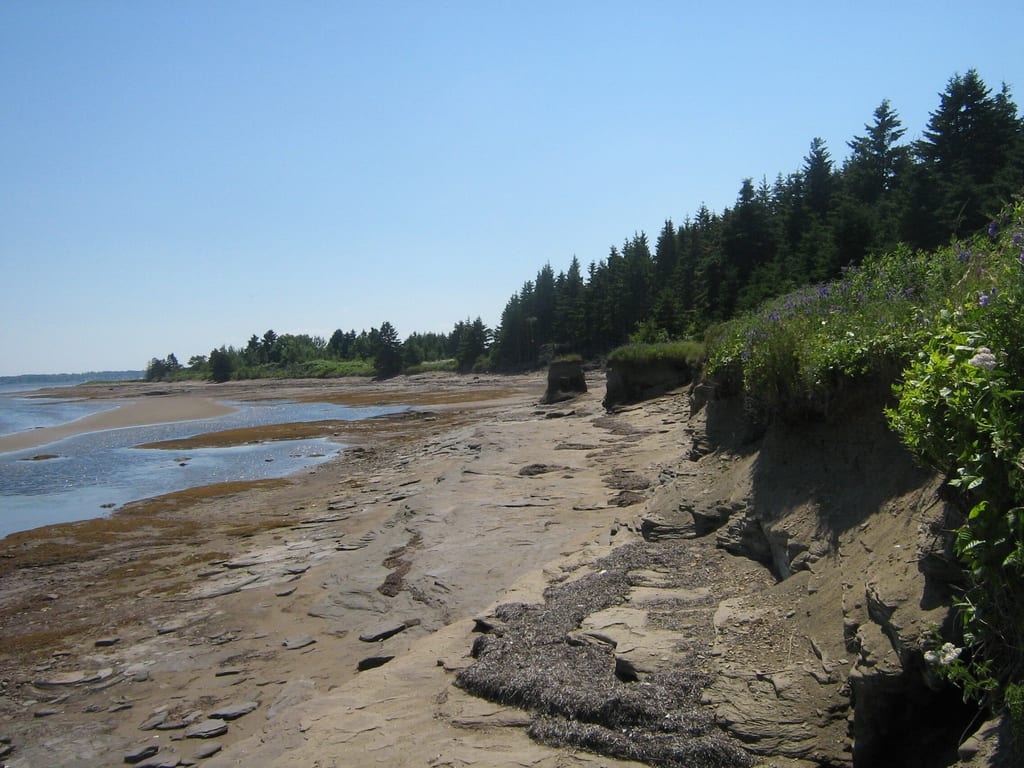
- Shediac Island is located in the Northumberland Strait, off the coast of New Brunswick. It’s one of the province’s last intact coastal islands.
- We are aiming to permanently protect more than 130 hectares of coastal forest, wetlands and shoreline on the island.
- This special landscape is home to rare coastal red oaks found only along the Northumberland Strait.
Why protecting Shediac Island Nature Reserve matters
Just off one of Canada’s fastest-growing coastal communities, and visible from the shores of popular Parlee Beach, Shediac Island is a rare offshore island that has remained remarkably wild. Its forests, wetlands, beaches and salt marshes support wildlife, while the island itself acts as a natural buffer between the open sea and the mainland, shielding nearby communities from major storms made more severe by climate change. As the community around it grows, conserving Shediac Island means protecting critical habitat, strengthening climate resilience and keeping this remarkable coastal refuge intact forever.
One of the last intact coastal islands
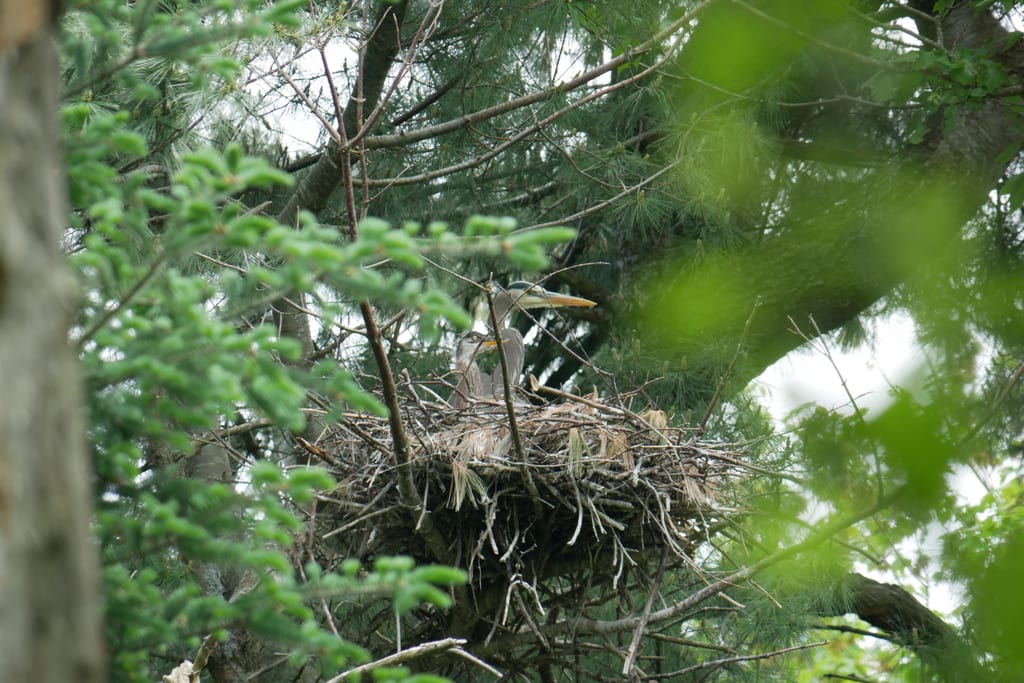
Shediac Island is one of New Brunswick’s last intact coastal islands, spanning roughly 220 hectares of forests, wetlands and shoreline. These habitats store carbon and filter water, while the island’s offshore location shields nearby communities from major storms. It also provides a safe place for wildlife, including great blue herons and other colonial nesting birds that often choose islands because they face less disturbance from people. Protecting this island means giving wildlife a place to nest, feed and thrive while keeping a rare piece of New Brunswick’s coastline healthy and resilient for nearby communities.
Rare coastal red oaks
The island is home to rare coastal red oaks found in only a few pockets around the Northumberland Strait. Growing within the island’s Wabanaki (Acadian) forest, these trees are part of a unique coastal ecosystem increasingly threatened by development. Protecting Shediac Island helps safeguard one of the places where this rare forest still thrives.
A place with deep cultural roots
Shediac Island has deep historical and cultural connections with the Mi’kmaq. Archaeological excavations have uncovered evidence of a Mi’kmaq settlement on the island. Even the name Shediac has Mi’kmaq roots, meaning “running far in” – a reference to the shape of the bay. Recognizing this history adds another layer to what makes Shediac Island a special place worth protecting.
What’s at stake
New Brunswick’s coast is changing. Erosion, rising sea levels, severe storms and growing development are putting natural spaces at risk. More than 65 per cent of the province’s salt marshes have already been filled, while rare coastal red oak forests are declining as development spreads along the shore. Shediac Island is one of the province’s last intact coastal islands. We have an opportunity to conserve this rare landscape before it’s lost.
What could be lost?
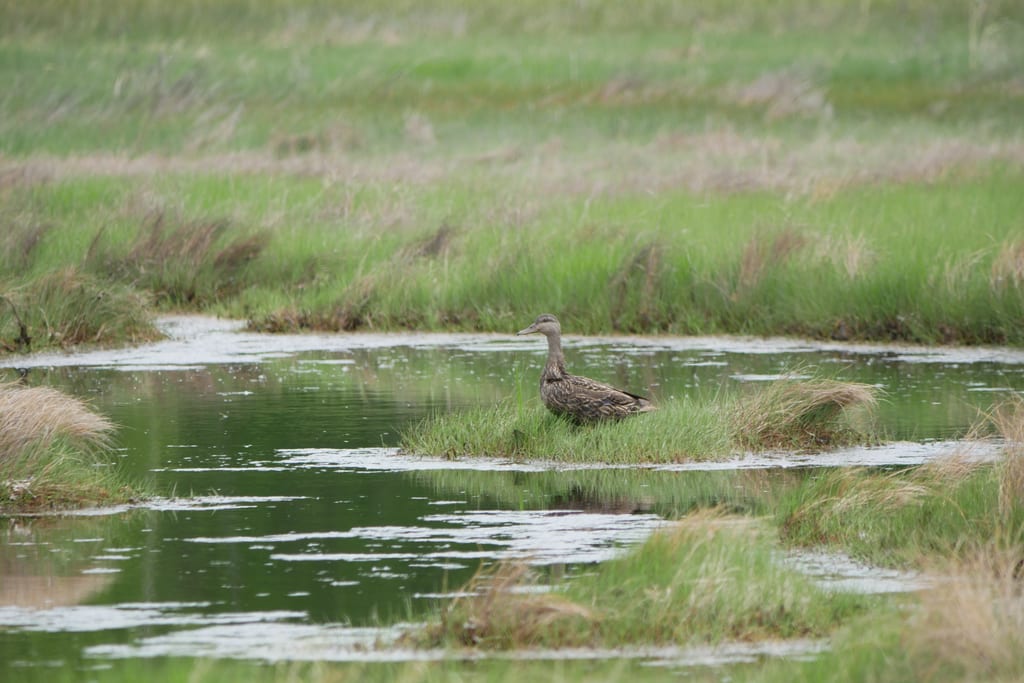
Without protection, Shediac Island could lose the forests, wetlands, salt marshes and beaches that make it such an important refuge for wildlife. Great blue herons, piping plovers, bank swallows, eastern wood-pewees and common terns are among the wildlife that rely on these coastal habitats. But what’s at stake goes beyond wildlife. The island’s forests store carbon and absorb water, while its wetlands filter water and soak up storm surges. Losing these habitats would mean losing a vital wildlife refuge and natural carbon storage and water filtration systems.
Why does it matter?
Shediac Island sits between the open waters of the Northumberland Strait and the coastal communities along the mainland behind it. As rising sea levels, erosion and stronger storms reshape the coast, the island acts as a natural first line of defence. During major storms, it absorbs wave energy and helps reduce the force of storm surge before it reaches mainland communities. The island’s forests and wetlands provide another layer of protection by absorbing and storing water, reducing flooding and storm damage and strengthening the coast’s natural defences against climate change.
Why is action needed now?
Shediac Island is still largely intact, but New Brunswick’s coast is changing. Growing development, erosion, rising sea levels and stronger storms are putting increasing pressure on coastal ecosystems, while natural areas like salt marshes and coastal red oak forests are becoming increasingly rare. The window to conserve places like Shediac Island is narrowing. Acting now can ensure this rare coastal landscape, and the wildlife and communities it supports, is protected forever.
Shediac Island is still wild. Let’s keep it that way.
Where the great blue heron calls home
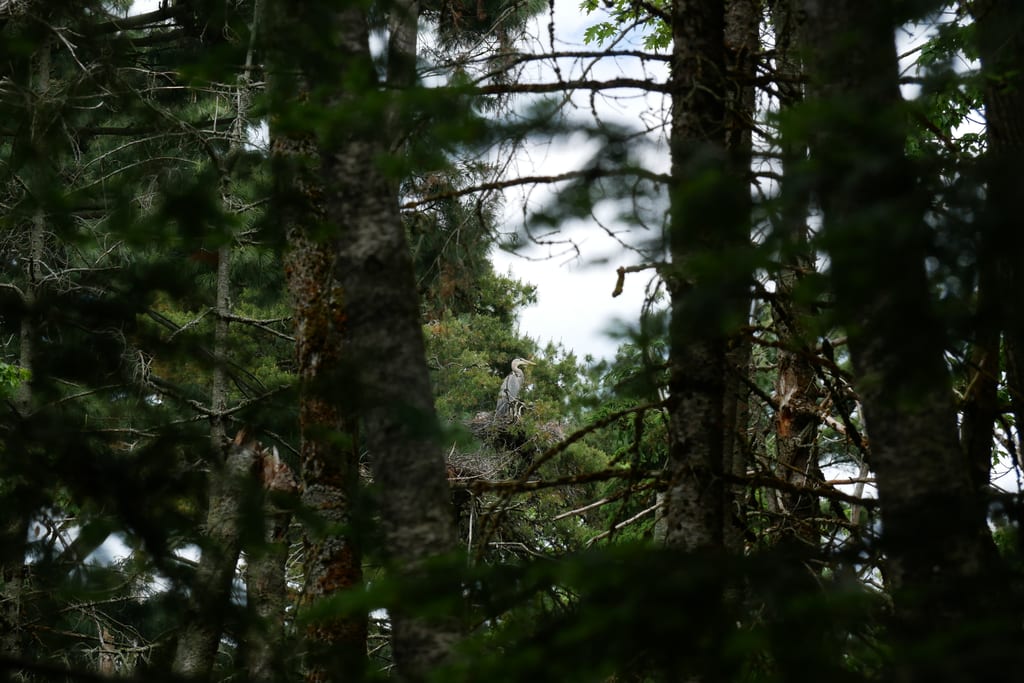
Groups of great blue herons gather in rookeries to nest and raise their young, filling the air with their distinctive calls. Shediac Island is home to an active rookery, surrounded by the forests, wetlands, salt marshes and shoreline these birds depend on. This mix of coastal habitats gives herons places to nest and forage, while the island’s offshore location offers protection from disturbance. As coastal islands and habitats continue to face pressure from development and climate change, keeping this coastal ecosystem intact is key to keeping this busy heron colony thriving.
The plan in action
From engaging the community to caring for habitats and building lasting partnerships, we’re taking action to protect Shediac Island today while laying the groundwork for its future.
Connect
We’re connecting with people on the ground through community outreach, creating opportunities to learn more, get involved and support the project.
Protect
We’re collaborating with partners to permanently conserve the majority of Shediac Island and developing plans to care for the land over the long term, keeping its habitats healthy and connected.
Partner
We’re working with Indigenous and community partners to shape the island’s future, including exploring opportunities for deeper engagement with Mi’kmaq communities who have a special connection to the island.
Protect places like this, forever

Featured stories
AB Alberta
Amping up grassland restoration with fungi
March 31, 2026
Canada
Hope, insights, and awareness for invasive species management
February 26, 2026
SK Saskatchewan
The sound of the prairie: Why grazing management matters
November 26, 2025

Canada
Studying recreation so people and nature can thrive
October 10, 2025
ON Ontario
Advancing conservation: in the field with butterflies
October 6, 2025
Canada
Water is life — and it begins with land
October 6, 2025
Canada
Canada’s forests: the roots of a resilient nation
September 24, 2025
Canada
NCC shares expertise at the Canadian Ecological Connectivity Conference
July 30, 2025
Canada
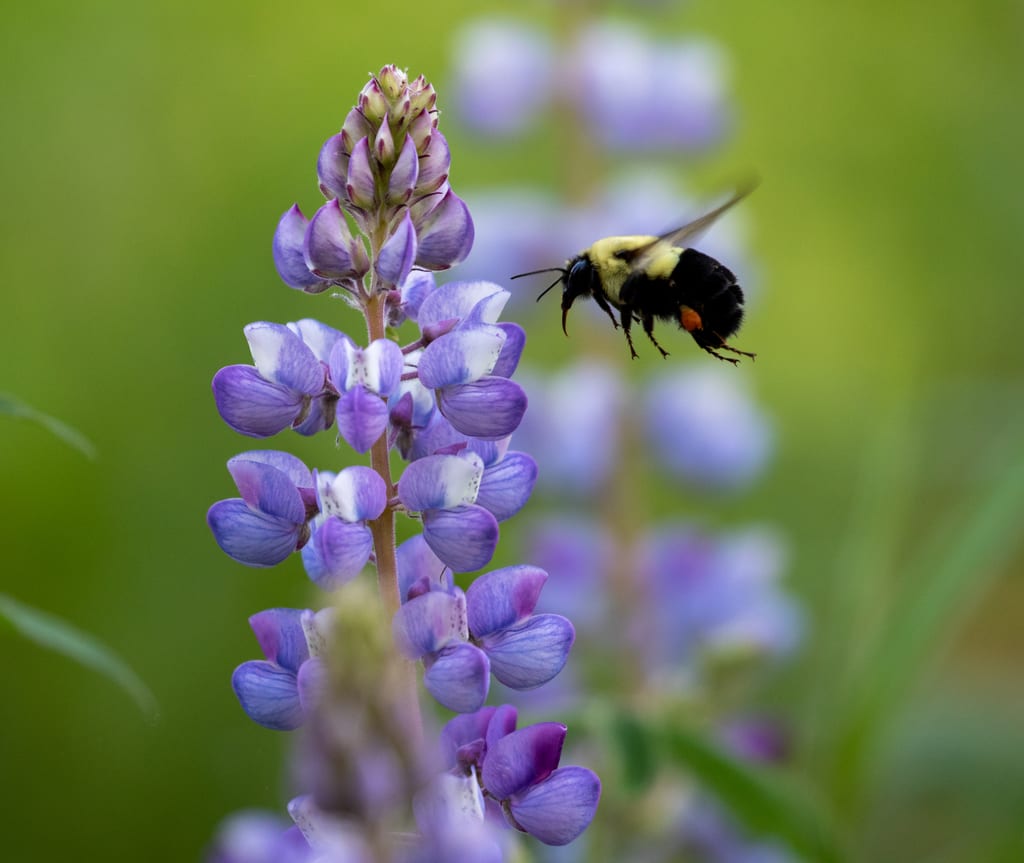
Pollinators and the future of food
June 14, 2025
Canada
Harnessing technology for conservation: A new era for Canada’s ecosystems
May 15, 2025
Wild news, straight from the field
ON Ontario
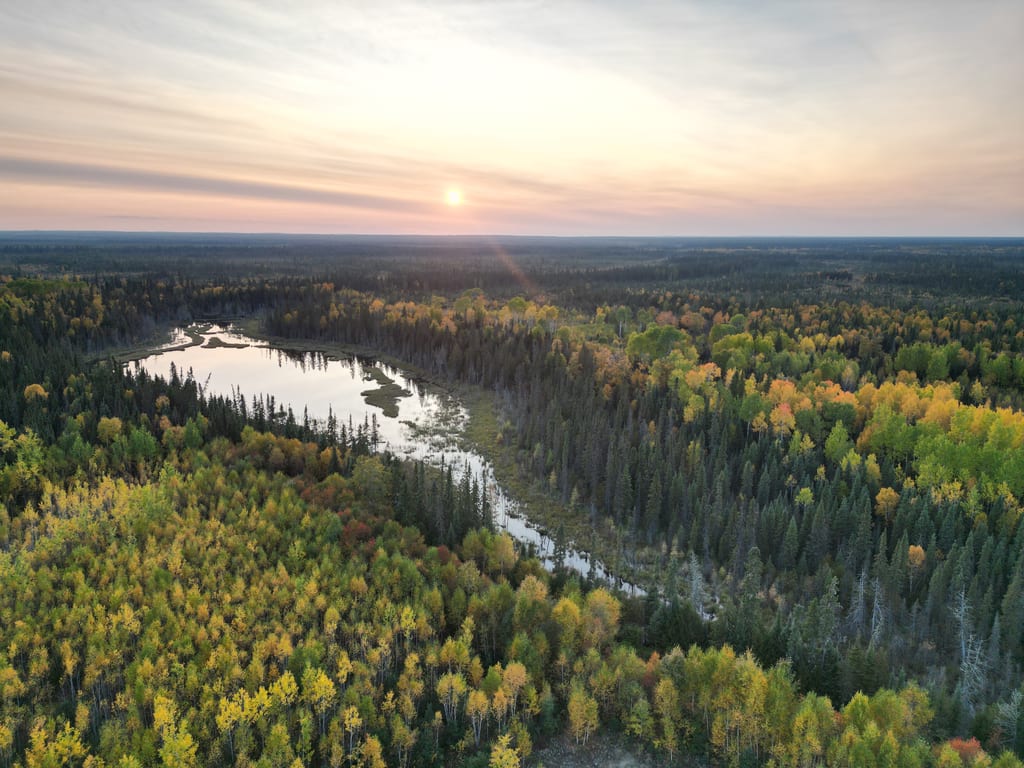
Boreal forest and peatlands secured to support climate resilience
October 13, 2026
AB Alberta
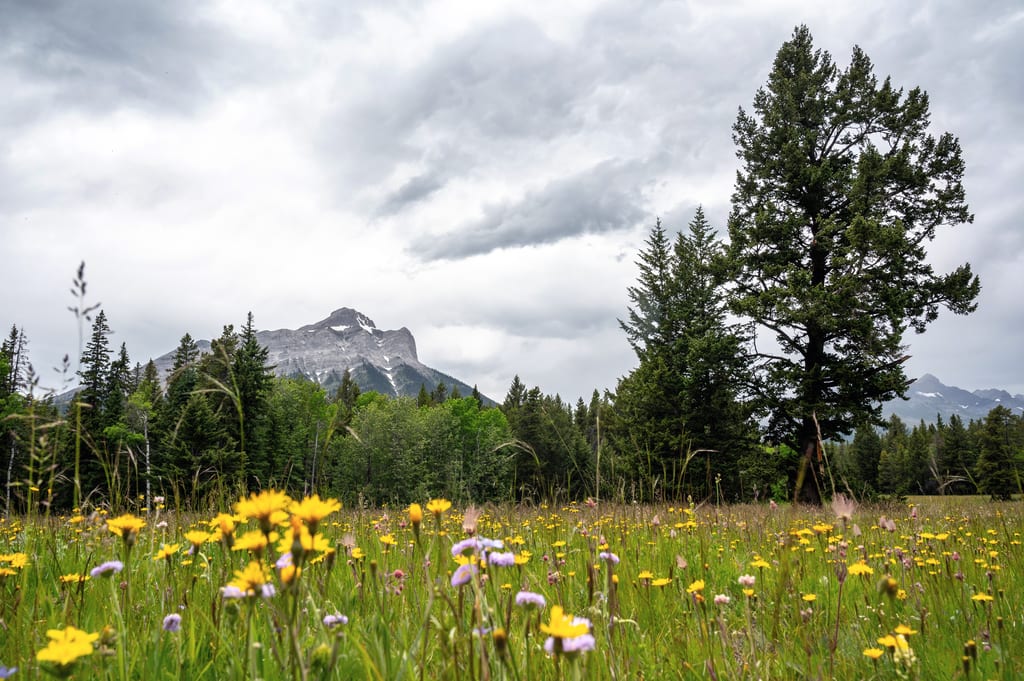
Kropinak family’s century of stewardship helps secure a critical Rocky Mountain wildlife corridor
September 15, 2026
MB Manitoba
Manitoba community leads the way in conserving nature and supporting local livelihoods
September 10, 2026
NL Newfoundland and Labrador
New conservation area protects vital Newfoundland watershed
August 27, 2026
ON Ontario
New boreal conservation area strengthens communities and protects iconic northern landscapes
August 11, 2026
QC Quebec
Where agriculture meets conservation: an unprecedented approach in Montréal
July 15, 2026
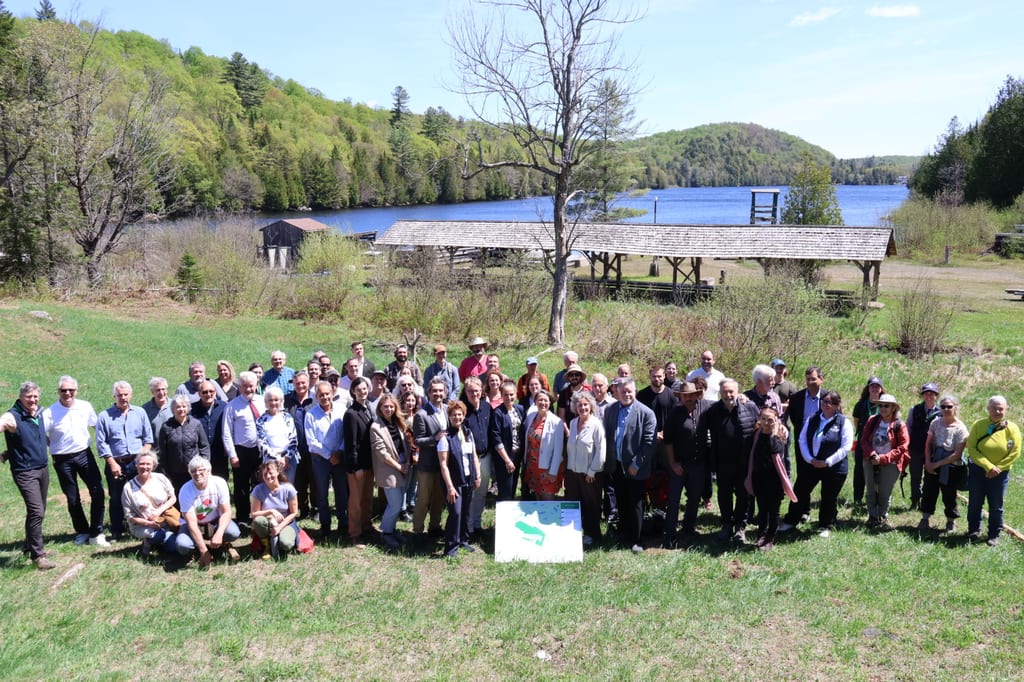
QC Quebec
Tamaracouta: an iconic site protected and accessible to the community
May 20, 2026
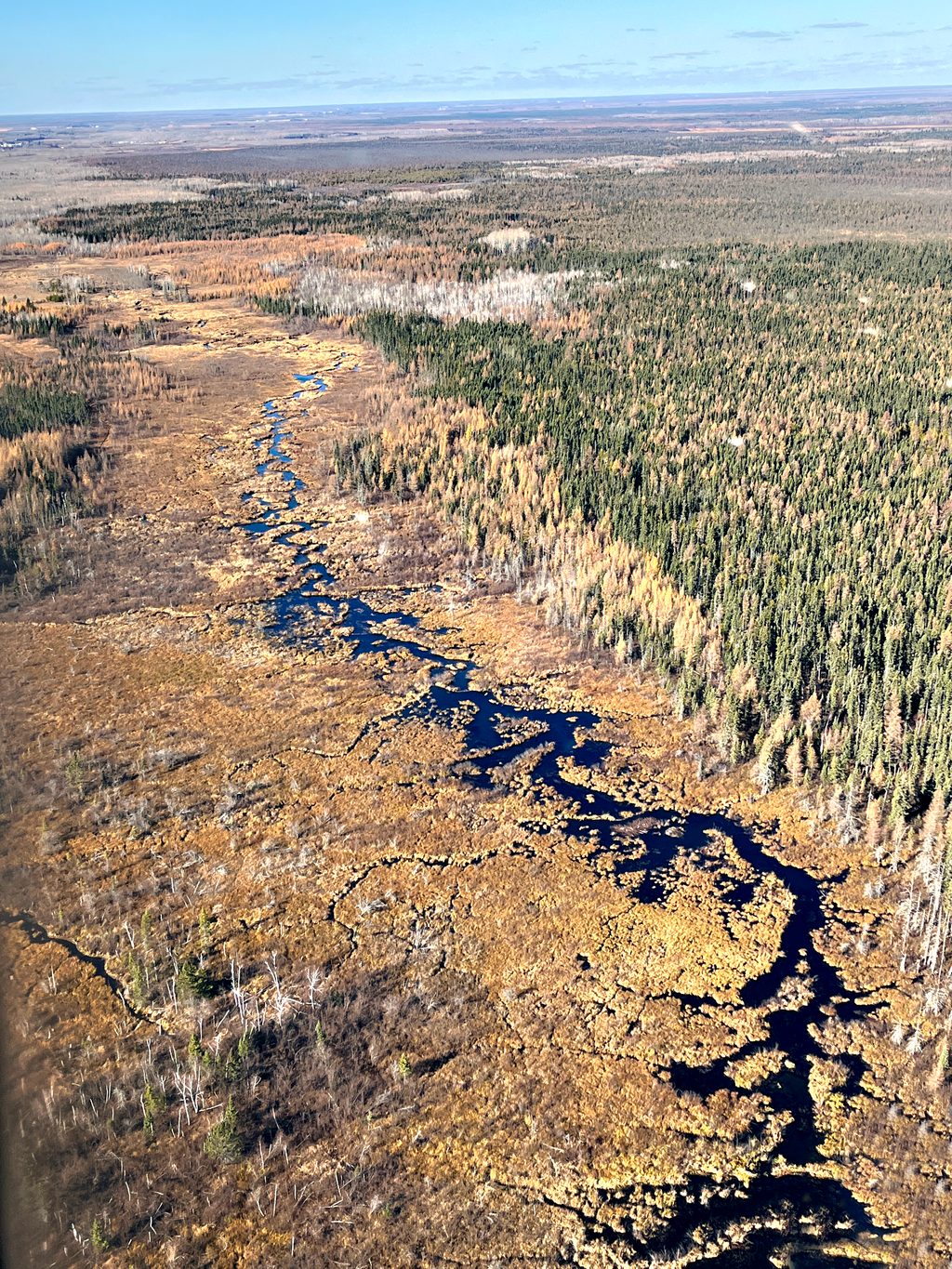
MB Manitoba
Family legacy helps secure carbon-storing powerhouse
April 16, 2026
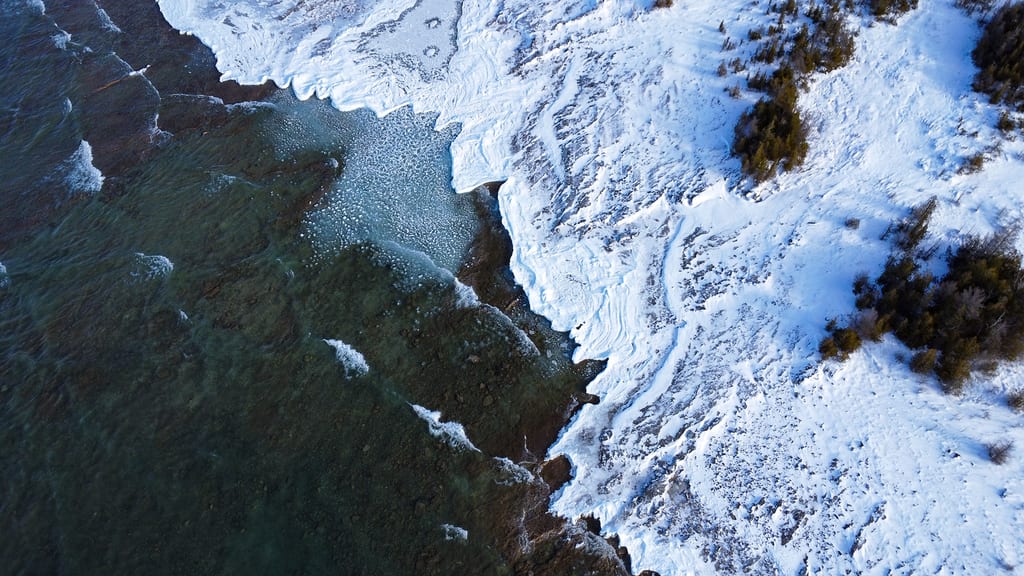
ON Ontario
Key link protected in Great Lakes biodiversity hotspot, strengthening conservation network
March 31, 2026
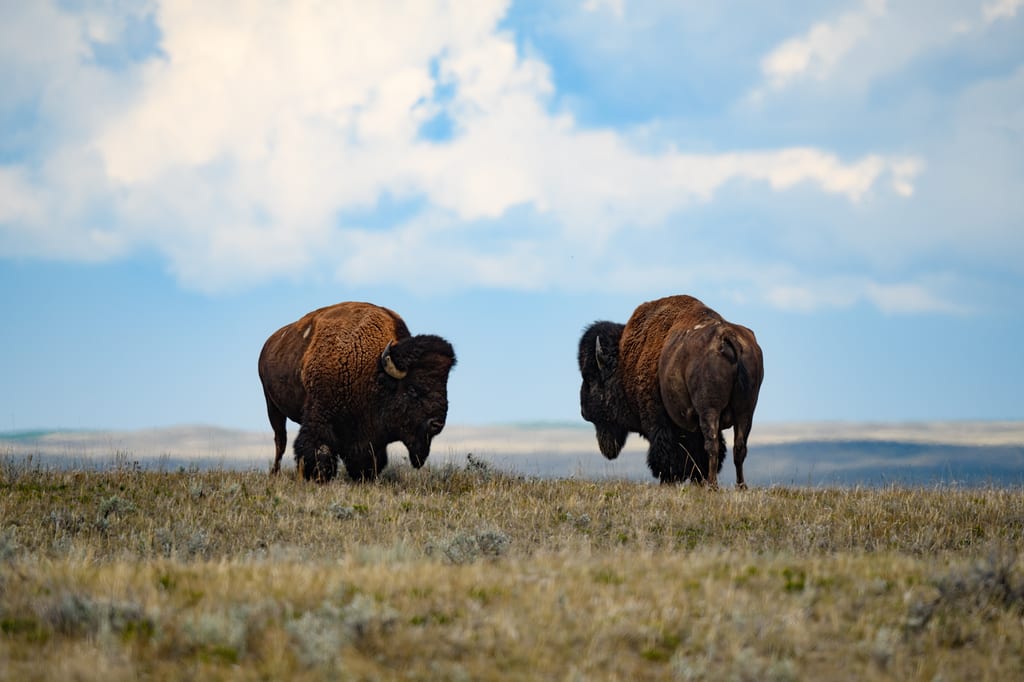
SK Saskatchewan
Plains bison welcomed back to the Kahkewistahaw First Nation in Saskatchewan
March 30, 2026